How to Book Shinkansen Tickets: The 2026 Guide
Most travellers should just buy at the station on the day. Here's when to book ahead, how SmartEX works, and how to save ¥1,740 per ticket.
Here's the secret most guides bury: outside holiday peaks, you don't need to book Shinkansen tickets in advance at all. Trains between Tokyo and Kyoto leave every 10–15 minutes, and you can buy a ticket from a station machine five minutes before boarding. Book ahead in exactly four situations: you're travelling on a date when the Nozomi runs all-reserved (Golden Week, Obon and New Year, plus several three-day holiday weekends; next are October 10–12 and November 21–23, 2026, then December 25 to January 5); you have a suitcase over 160 cm (a free but mandatory seat reservation); you're a group of 3+ who wants to sit together; or you want the early-booking discount, which cuts Tokyo to Osaka from ¥14,720 to ¥12,980.
This guide covers the three ways to buy (station, SmartEX, Eki-Net), which one to use for your route, and the traps that catch first-timers.
First, Understand What You're Buying
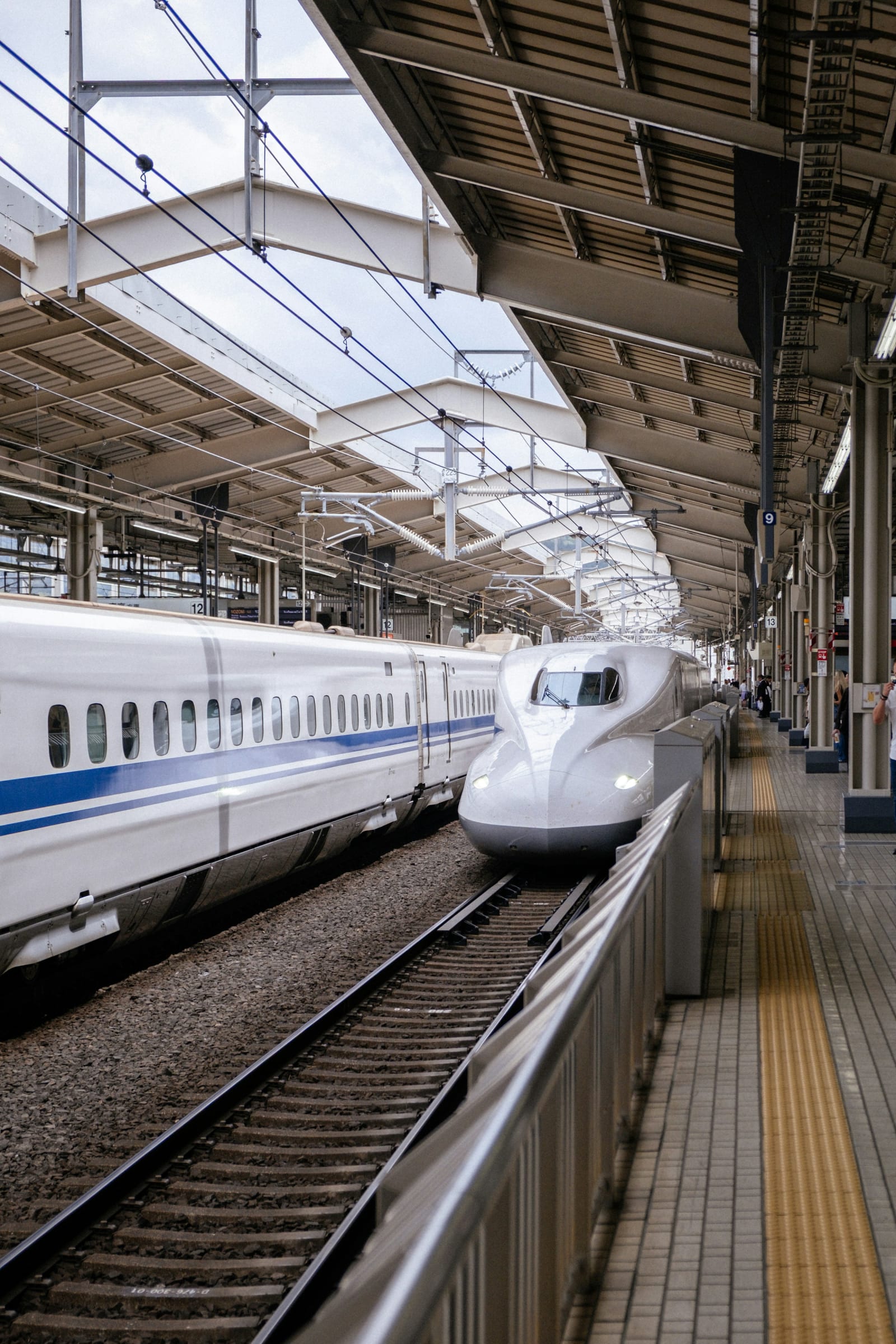
A Shinkansen ticket is really two tickets: a basic fare ticket for the distance and a limited express ticket for the fast train, which is what JR and the machines call them. Machines and apps sell both, and the one mix-up to avoid is buying only the limited express part, which machines offer on its own for rail-pass holders. It also explains the choice you'll be given:
- Non-reserved (jiyuseki): Sit in any open seat in the non-reserved cars. Slightly cheaper, no commitment to a specific train. On the Tokyo–Kyoto–Osaka line these are cars 1–2 on the Nozomi (reduced from three cars in March 2025), and more cars on the slower Hikari and Kodama.
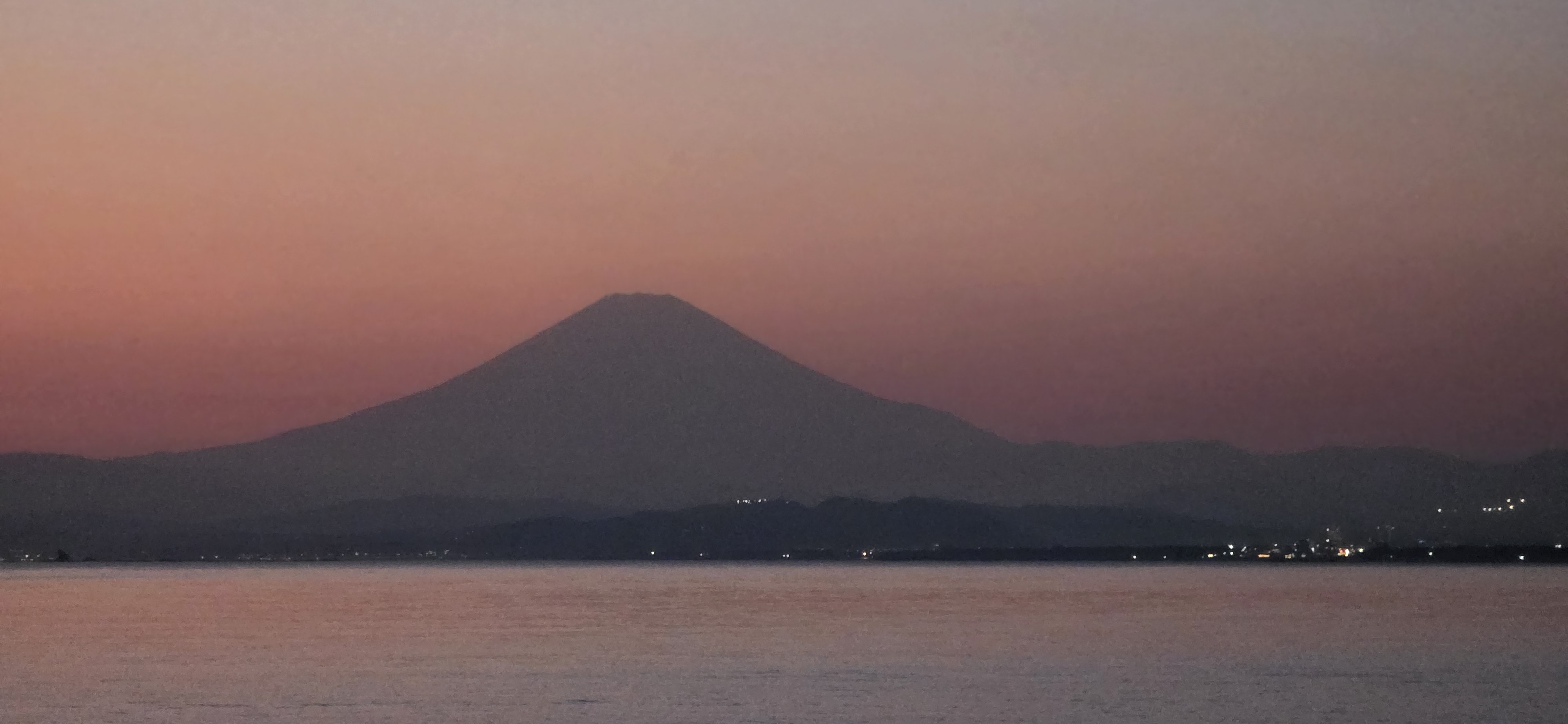
- Reserved (shiteiseki): A specific seat on a specific train, about ¥300–700 more. Worth it for window seats (seat E for Mt. Fuji views heading west), groups, and any travel day you can't afford to spend standing.
- Green Car: First class. Wider seats, quieter cars, roughly 30–50% more. Pleasant, never necessary.
One thing your Suica card can't do on the Tokyo–Osaka line: tapping a regular IC card at a Tokaido or Sanyo Shinkansen gate doesn't work unless you link a booking to it through SmartEX (below). JR East's lines are different: after a free one-time registration at a JR East ticket machine, called Touch de Go! Shinkansen, an IC card rides the non-reserved cars on same-day trips, for example Tokyo to Sendai or Niigata.

Option 1: Buy at the Station (the Default)
For most travellers this is the right answer. Every Shinkansen station has banks of ticket machines with full English menus, and the whole purchase takes under five minutes.
- Pick your departure and arrival stations
- Pick a train
- Pick your seats on the seat map
- Make sure the basic fare ticket is included A Shinkansen ride needs two parts: the basic fare ticket for the distance and the limited express ticket for the fast train. Machines also sell the limited express ticket on its own, for people who already hold a rail pass or another fare ticket, so check that your purchase covers both before you pay.
- Pay by card or cash You get either one combined ticket or two separate ones.
- Feed all your tickets through the gate together If you got two, insert both at once, and collect them again on the other side.
The staffed Midori no Madoguchi (green window) counters do the same thing with a human, useful for complicated routings, rail pass holders, and refunds. The queues can be 20+ minutes at Tokyo and Kyoto stations, so use machines unless you actually need a person.
When to buy: the same day is fine outside peaks. If you know your travel day, buying the evening before while you're passing the station anyway removes the one thing that could go wrong.
Option 2: SmartEX (Tokyo, Kyoto, Osaka, Hiroshima Routes)
SmartEX is the official app for the Tokaido and Sanyo Shinkansen: the line running Tokyo, Kyoto, Osaka, Hiroshima, and on to Hakata. Register with an email and a credit card, book up to a month ahead, and change trains as often as you like before departure at no fee (early-bird fares excepted). At the gate, either scan the QR code from the app or link the booking to your Suica/PASMO and tap through like a local train.
Two honest caveats:
- Foreign card registration is the weak point. Japanese card-security checks reject a fair share of overseas Visa and Mastercard registrations; Amex has the best success rate. If your card won't register, the station machines take the same card without complaint, so nothing is lost but convenience.
- It only covers the Tokaido/Sanyo/Kyushu line. For trains north or east of Tokyo, you need Eki-Net instead (below).
The Real Reason to Use SmartEX: EX Hayatoku Discounts
Booked at least 21 days ahead, EX Hayatoku 21 drops Tokyo to Shin-Osaka from ¥14,720 to ¥12,980 on the fastest Nozomi trains, with bigger cuts on early-morning departures. The catch: the discounted ticket is locked to that exact train, changes aren't allowed, and cancellation fees eat the savings. Use it only for legs you're certain about, like the airport-day Shinkansen on a fixed itinerary. For everything else, flexible full-fare booking is worth the ¥1,740.
Option 3: Eki-Net (Everything North and East of Tokyo)
Heading to Kanazawa, Nagano, Sendai, Aomori, or Hokkaido? Those Shinkansen lines belong to JR East, and the booking site is JR-EAST Train Reservation (Eki-Net). The English version works well: book with a foreign card, then either ride ticketless by linking a Suica/PASMO, or collect paper tickets at a machine with the QR pickup code. Eki-Net also runs its own advance discounts (Tokudane fares) of 10–35% on many routes, released about a month out.
The practical rule of thumb: going west of Tokyo, think SmartEX; going north or east, think Eki-Net; unsure, just use the station machines, which sell everything everywhere.
The Luggage Rule That Actually Gets Enforced
On the Tokaido, Sanyo, and Kyushu Shinkansen, any bag between 160 cm and 250 cm in total dimensions (height + width + depth, wheels included) requires a reserved seat with an oversized baggage area: the last row of the car, with space behind it. The reservation is free, made like any seat reservation (machines and both apps have an "oversized baggage" option). Board with a big bag and no such reservation and the conductor charges a ¥1,000 fee and moves your bag.
Most carry-ons and medium suitcases stay under 160 cm and ride the overhead rack, no reservation needed. A large check-in suitcase (roughly 75 cm tall and up) usually crosses the line: measure before you fly, or better, ship the big bag ahead with a luggage-forwarding service and ride with a day bag, which is what experienced Japan travellers do. More on that in our transportation guide.
JR Pass Holders: You Still Reserve, Just Differently
If your itinerary makes the ¥50,000 JR Pass worthwhile, you don't buy tickets at all: seat reservations are free and unlimited. Make them at any reserved-seat machine (insert or scan the pass, pick a train, done) or the official JR Pass reservation site. Two pass-specific rules on the Tokyo–Osaka line: the pass alone doesn't cover the Nozomi, so you ride the Hikari (Tokyo to Shin-Osaka in about 2 hours 55 minutes against the Nozomi's 2 hours 30) or buy the Nozomi special ticket on top (¥4,960 from Tokyo to Kyoto), and during all-reserved peak windows you must hold a seat reservation, not just wave the pass.
What About Klook and Other Resellers?
Third-party sites resell Shinkansen tickets with a markup and a voucher-exchange step that adds a queue to your airport day. There's no seat they can sell you that the official machines and apps can't, so skip them for point-to-point tickets. The exception is bundled passes (regional passes, USJ combos) where the bundle itself is the value.
Planning the legs themselves? Our trip-length guide covers how many Shinkansen hops a good itinerary actually needs (fewer than you think), and the trip planner sequences them for you.
Frequently Asked Questions
Do I need to book Shinkansen tickets in advance?
Usually not. Outside the Nozomi's all-reserved periods (Golden Week, Obon, New Year and several three-day holiday weekends; next are October 10 to 12 and November 21 to 23, 2026, then December 25 to January 5), trains on the main routes leave every 10 to 15 minutes and same-day tickets from station machines are fine. Book ahead for those dates, for oversized luggage, for groups wanting adjacent seats, or to get the 21-day early-bird discount.
Can I use my Suica card on the Shinkansen?
On the Tokaido and Sanyo lines (Tokyo, Kyoto, Osaka, Hiroshima), not by itself: you link a booking to your Suica or PASMO through SmartEX, or use the QR code it issues. On JR East's lines (for example Tokyo to Sendai or Niigata), a free one-time registration at a JR East ticket machine, called Touch de Go! Shinkansen, lets an IC card ride the non-reserved cars on same-day trips; for a reserved seat, book through Eki-Net.
What is the cheapest way to buy Shinkansen tickets?
Book 21 days or more ahead with SmartEX's EX Hayatoku 21, which cuts Tokyo to Shin-Osaka from 14,720 to 12,980 yen, or use Eki-Net's Tokudane discounts of 10 to 35 percent on JR East routes. The trade-off is zero flexibility: discounted tickets lock you to one specific train.
How does the Shinkansen luggage rule work?
On the Tokaido, Sanyo, and Kyushu lines, bags measuring 160 to 250 cm in combined dimensions need a free reserved seat with an oversized baggage area, booked like any seat reservation. Without one, the conductor charges a 1,000 yen fee onboard. Most medium suitcases stay under the limit and ride the overhead rack.
What is the difference between reserved and non-reserved Shinkansen seats?
Non-reserved cars are first-come, first-served and slightly cheaper; on the Nozomi only cars 1 and 2 are non-reserved since March 2025. Reserved seats cost about 300 to 700 yen more and guarantee a specific seat on a specific train. During peak holiday windows the Nozomi runs all-reserved, so non-reserved is not an option.
How do JR Pass holders reserve Shinkansen seats?
Seat reservations are free and unlimited with the pass: use any reserved-seat ticket machine or the official JR Pass reservation website. Note that the pass alone doesn't cover the Nozomi and Mizuho, so Tokyo to Osaka means the Hikari at about 2 hours 55 minutes unless you buy the Nozomi special ticket (¥4,960 from Tokyo to Kyoto), and peak all-reserved periods require an actual seat reservation.
Classic 2-Week Japan
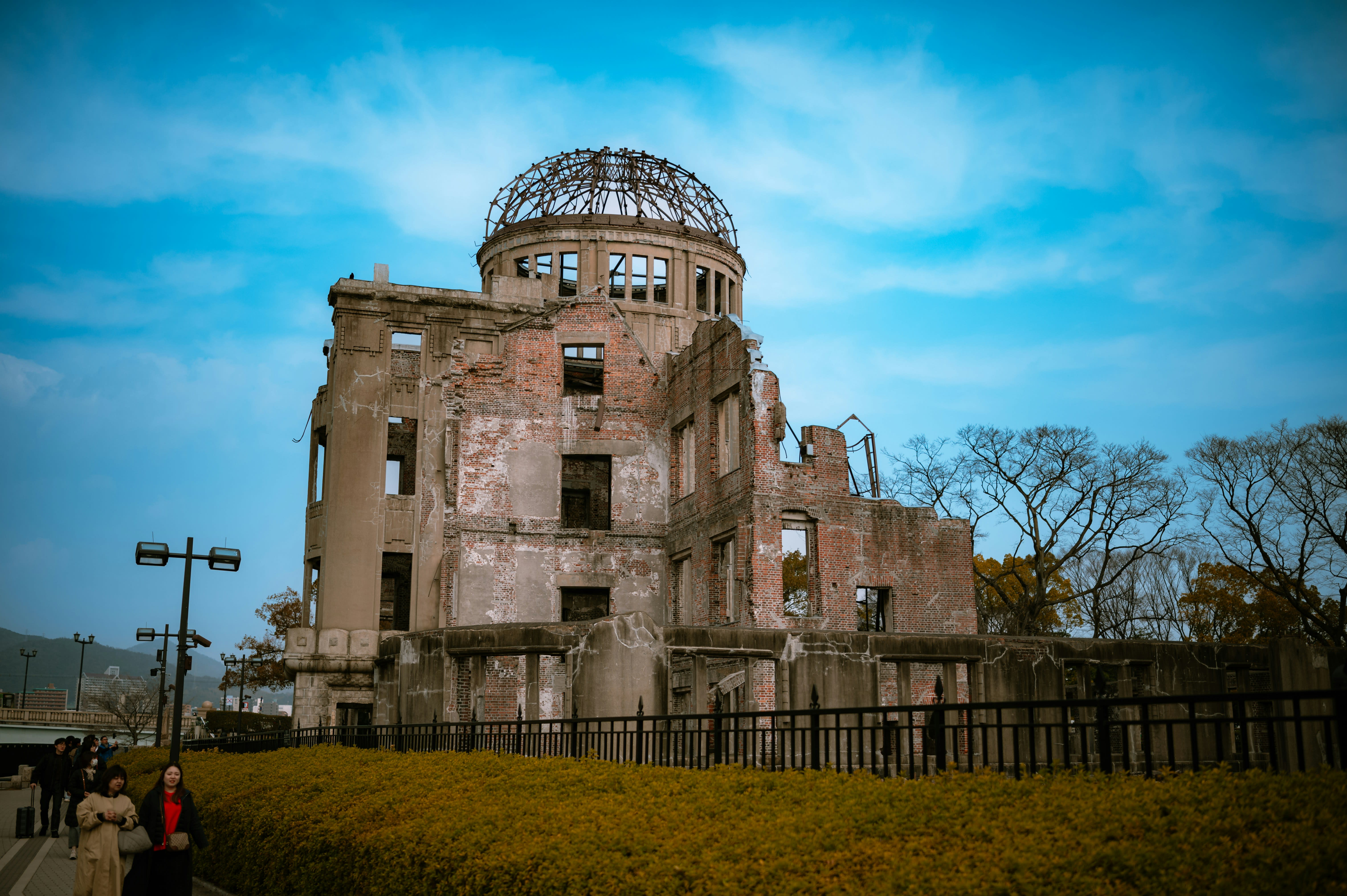
The classic first-timer route in 14 days: Tokyo, a ryokan night in Hakone, Kyoto with a day in Nara, Osaka, and Hiroshima with Miyajima, linked by the Shinkansen.