
Japan Autumn Foliage Forecast 2026
When and where the leaves will turn this year: typical peak dates for Japan's top koyo spots, updated with every official forecast round and with real color reports through the season.
Latest: Nikko town is past its best from November 20, and Tofuku-ji in Kyoto is at peak in both forecasters' reports. Next: Eikando in Kyoto from around November 23, then Kamakura from November 28, with Tsurugaoka Hachimangu first.
Where the Leaves Are at Their Best Now
Straight from the forecast below. Tap a place for what to see, where to stay and how to get there.
- Peak now
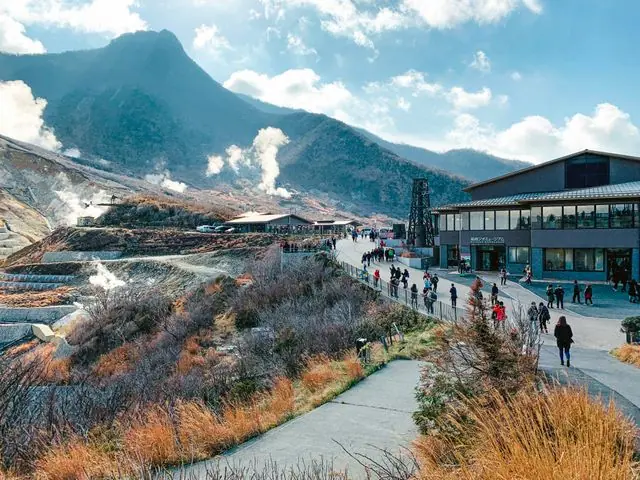
Hakone
- Peak now
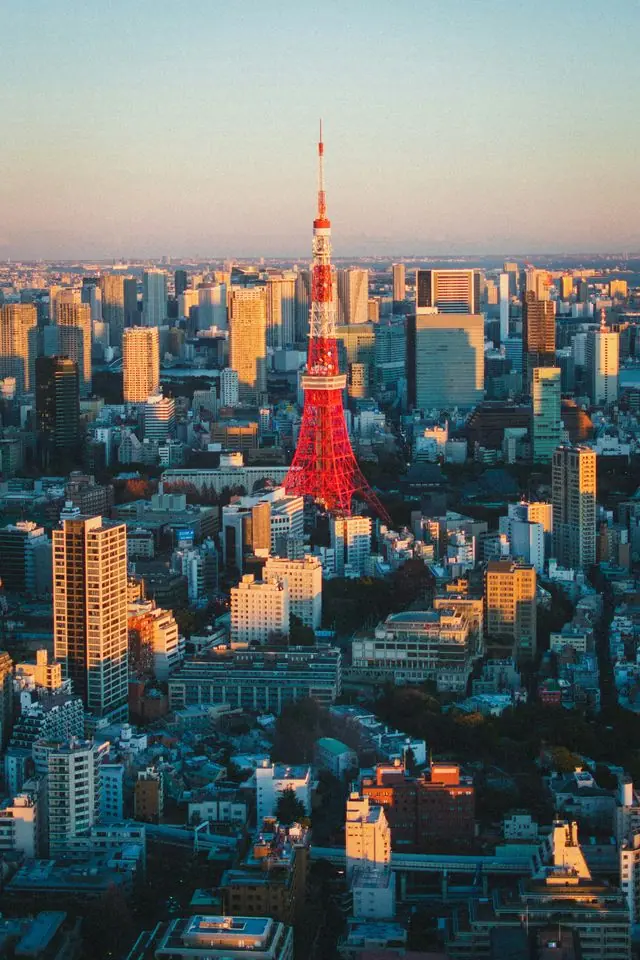
Tokyo
Meiji Jingu Gaien ginkgo, Rikugien
- Peak now
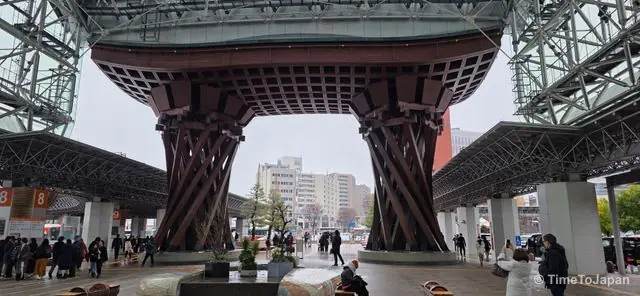
Kanazawa
Kenroku-en
- Peak now
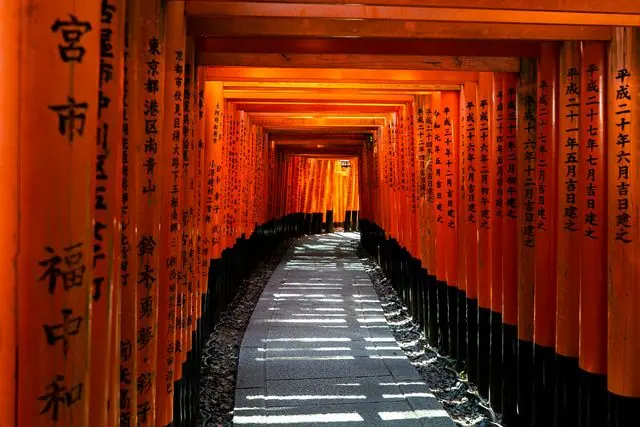
Kyoto
Tofuku-ji, Eikando, Arashiyama
- Peak now
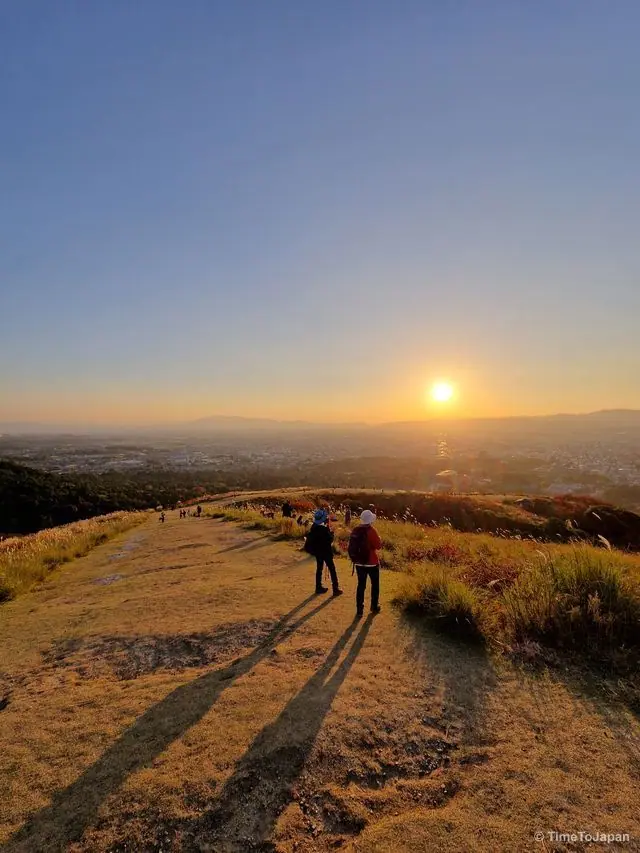
Nara
Nara Park
- Peak now
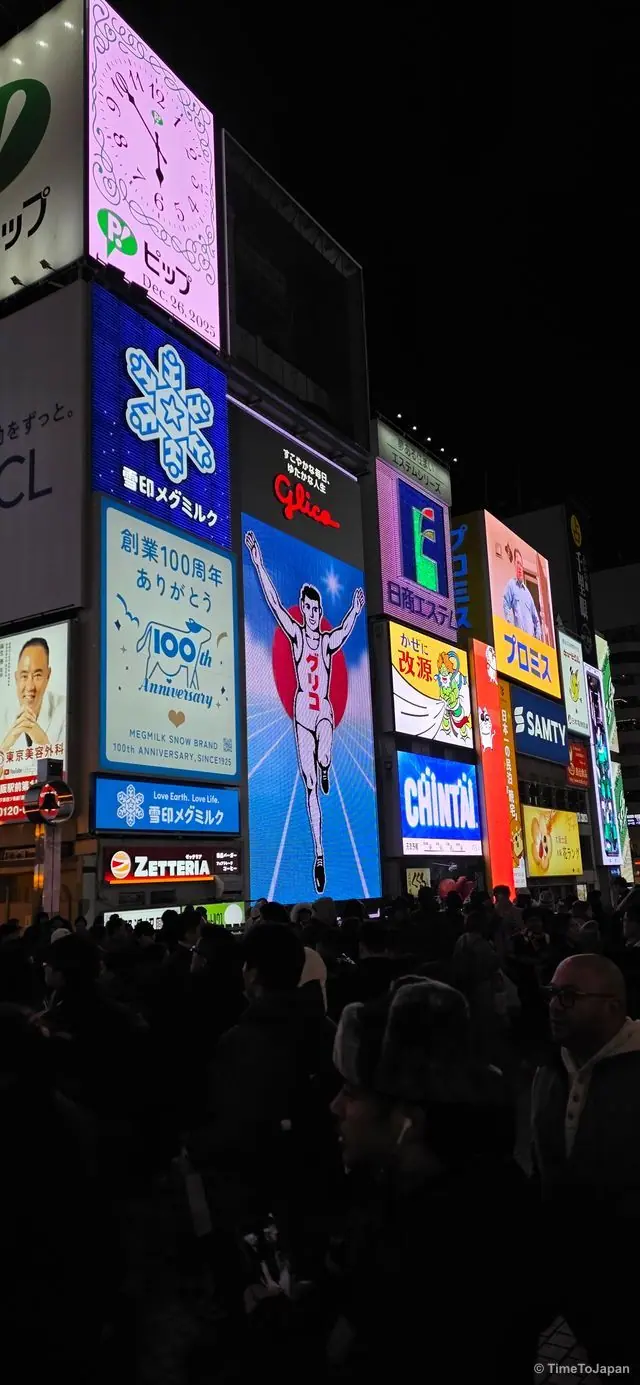
Osaka
Minoo Park
- Peak now
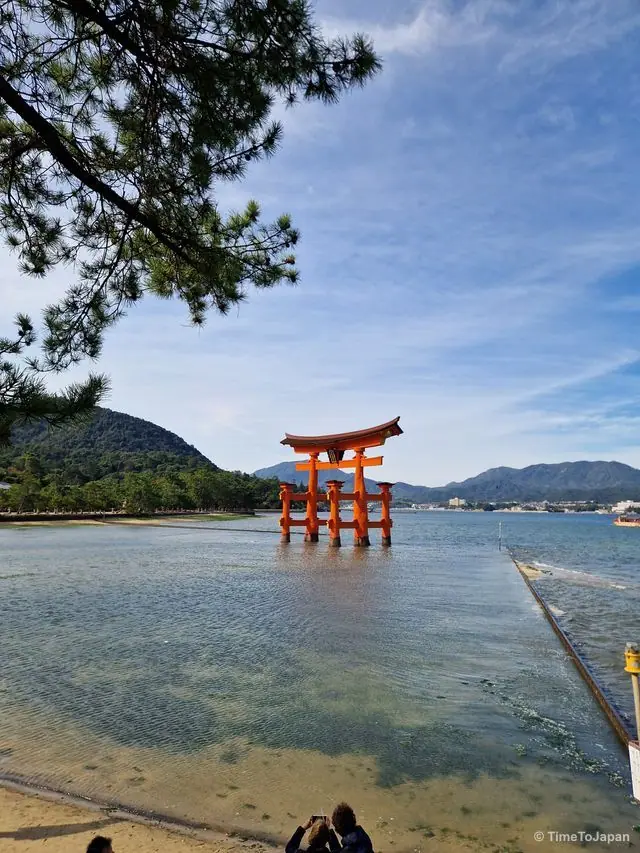
Miyajima
Momijidani Park
- Peak now
Yufuin & the Kuju Highlands
Oita


Kyoto Fills In as Nikko Fades (Updated November 20)
Kyoto's city temples are arriving. Tofuku-ji is at peak in both forecasters' reports now: the Japan Weather Association listed it on November 19 and a visitor's report to Weathernews agrees the same day, with the leaves starting to fall around December 6. A visitor's report has Kiyomizu-dera at its best on November 20, though the Association still lists it as starting to turn, and Eikando's own report has the temple half turned that day, with its best from around November 23 (Weathernews). Arashiyama stays at peak, its leaves due to start falling around November 30.
Nikko town is past its best. The Association's November 20 report has the Toshogu shrine area and Kirifuri Falls starting to fade, after peak since early November, and visitors' reports to Weathernews already had the leaves falling at the shrines. With Oku-Nikko done since November 11, the shrine town and the lake country are done for 2026; Nikko City's November 20 report still has Kinugawa Onsen, down the valley, at its best, with some leaves falling.
Tokyo, Hakone and Kamakura. Tokyo's Gaien ginkgo avenue and Mount Takao are at peak, with the avenue's leaves starting to fall around December 2. Weathernews moved Shinjuku Gyoen three days sooner, to around November 30, and Rikugien a day sooner, to December 2. Hakone is at its best from Gora down to Lake Ashi. Kamakura comes sooner too: Weathernews now dates Tsurugaoka Hachimangu from around November 28 (it had December 2), Engaku-ji November 29 and Hasedera November 30. At Lake Kawaguchi a second visitor's report to Weathernews has the shore at its best on November 20, while the Association still lists the Momiji Corridor as starting to turn the same day, so this page waits for the two to agree.
The rest of the west holds. The Kenroku-en garden office's own report has Kanazawa's garden at its best on November 20, and Minoo's tourist office says the same of its gorge. Osaka Castle Park, Nara Park and Momijidani Park on Miyajima stay at peak; Miyajima's leaves start to fall around November 28. In Kuju the Association has Kyusuikei Gorge starting to fade, while a visitor's report to Weathernews on November 19 still had it at its best, so go this weekend.
A new forecast leans later in the west. The Japan Weather Association's fourth forecast, out November 11, keeps peaks normal to late across Japan and moves most western dates three to five days later than its October round: Arashiyama from November 17 (it had November 13) and Miyajima from November 21 (it had November 18). It counts 357 places at or past their best, about 90 fewer than at this point last year, and expects lowland color into December in eastern and western Japan. The Japan Meteorological Corporation's final round, on November 4, dates the benchmark trees at each weather office later still (Kyoto December 14, Tokyo November 30), because those trees turn after the temple gardens.
The north and the mountains are finished. Sapporo, Naruko Gorge, Oirase Gorge, Lake Towada, Kamikochi, Oku-Nikko, Nikko town, Takayama and Shirakawa-go are past their best. Snow has reached the high peaks: the Japan Meteorological Agency recorded first snowcaps on Hakusan, above Shirakawa-go, on October 28 and on Mt Fuji on October 30 (see the snow season tracker).
The practical read for fixed dates: Tokyo's ginkgo, Hakone, Arashiyama, Tofuku-ji, Kenroku-en, Osaka, Nara and Miyajima are now; Kiyomizu-dera, Eikando and Kamakura come next. The last week of November is the heart of the window for Kyoto's city temples on both forecasters' dates, and Miyajima's leaves start to fall around November 28. One caution for mountain trips: alpine roads can close on short notice as the snow comes, so check access the day before. The table below carries the per-spot picture.
How the Koyo Front Moves
Autumn color crosses Japan the opposite way to the cherry blossoms: it starts in the north and in the mountains, then flows south and downhill over roughly ten weeks. The first reds appear on Hokkaido's Daisetsuzan slopes in mid September; the high country around Nikko and the Japanese Alps peaks in mid to late October; and the famous city seasons, Kyoto and Tokyo above all, arrive from mid November into early December.
That long, predictable slide is what makes autumn easier to plan than spring: even if your dates are fixed, somewhere in Japan is peaking. The table below is the season at a glance; the strategy section under it shows how to aim a trip at whichever window you have.
The 2026 Season at a Glance
Hokkaido
- Japan's first autumn color of the year, on alpine slopes reached by ropeway from the Asahikawa side.
- Typical peak
- Mid September to early October
- 2026 forecast
- Past its best: color ending at Asahidake Onsen and Sounkyo Onsen (Weathernews, Oct 15)
- City color weeks before Honshu's lowlands; the university's ginkgo avenue turns solid gold. JMC calls the city's maples on schedule.
- Typical peak
- Late October to early November
- 2026 forecast
- Past its best: leaves falling at Nakajima Park (Weathernews, Nov 9) and on the Hokkaido University ginkgo avenue (Hokkaido University, Nov 9), about half still on the trees
| Spot | Typical peak | 2026 forecast | Status |
|---|---|---|---|
| Daisetsuzan (Kogen Onsen & Asahidake) Japan's first autumn color of the year, on alpine slopes reached by ropeway from the Asahikawa side. Asahikawa guide | Mid September to early October | Past its best: color ending at Asahidake Onsen and Sounkyo Onsen (Weathernews, Oct 15) | Past peak |
| Sapporo (Hokkaido University ginkgo, Nakajima Park) City color weeks before Honshu's lowlands; the university's ginkgo avenue turns solid gold. JMC calls the city's maples on schedule. Sapporo guide | Late October to early November | Past its best: leaves falling at Nakajima Park (Weathernews, Nov 9) and on the Hokkaido University ginkgo avenue (Hokkaido University, Nov 9), about half still on the trees | Past peak |
Tohoku
- Oirase Gorge & Lake Towada (Aomori)Past peakA stream-side walking trail beneath maples, one of Tohoku's signature koyo walks.
- Typical peak
- Late October
- 2026 forecast
- Past its best: leaves falling at Oirase Gorge (Lake Towada information center, Nov 6) and at Lake Towada (Weathernews, Nov 6), about half still on the trees
- Naruko Gorge (Miyagi)Past peakA 100-meter-deep gorge wall of color, an easy add-on from Sendai (city maples forecast around Nov 26).
- Typical peak
- Late October to early November
- 2026 forecast
- Past its best: leaves falling, about half still on the trees (Weathernews, Nov 9); starting to fade (JWA, Nov 8)
| Spot | Typical peak | 2026 forecast | Status |
|---|---|---|---|
| Oirase Gorge & Lake Towada (Aomori) A stream-side walking trail beneath maples, one of Tohoku's signature koyo walks. Aomori guide | Late October | Past its best: leaves falling at Oirase Gorge (Lake Towada information center, Nov 6) and at Lake Towada (Weathernews, Nov 6), about half still on the trees | Past peak |
| Naruko Gorge (Miyagi) A 100-meter-deep gorge wall of color, an easy add-on from Sendai (city maples forecast around Nov 26). Sendai guide | Late October to early November | Past its best: leaves falling, about half still on the trees (Weathernews, Nov 9); starting to fade (JWA, Nov 8) | Past peak |
Kanto & the Japanese Alps
- Kamikochi (Northern Alps, Nagano)Past peakGolden larches along a glacial valley; the park road closes for winter in mid November, so timing is strict. Lowland Nagano is running about 10 days late.
- Typical peak
- Mid to late October
- 2026 forecast
- Past its best: color over at Kappa Bridge, under 40 percent of the leaves left (Kamikochi Information Center, Nov 6); JWA lists it as fallen (Nov 2)
- The classic high-country koyo day trip from Tokyo; the Irohazaka hairpins are wall-to-wall color.
- Typical peak
- Mid to late October
- 2026 forecast
- Past its best: late in its peak on the Irohazaka hairpins (Nikko City, Nov 11) and at Lake Chuzenji and Kegon Falls (Nikko City, Nov 10), still pretty in places; JWA has both starting to fade (since Nov 2); Ryuzu Falls and Lake Yunoko finished
- Nikko town (Toshogu area)Past peakThe lower shrine area turns weeks after Oku-Nikko above it, giving Nikko two separate peaks.
- Typical peak
- Late October to mid November
- 2026 forecast
- Past its best: the shrines and Kirifuri Falls starting to fade (JWA, Nov 20); leaves falling at the shrines with about half left (Weathernews, Nov 19)
- Maple tunnels with Mt Fuji behind them; the corridor's evening light-up runs during peak.
- Typical peak
- Early to mid November
- 2026 forecast
- At its best on the Lake Kawaguchi shore in visitors' reports (Weathernews, Nov 17 and 20); the Momiji Corridor still starting to turn (JWA, Nov 20); leaves start falling ~Nov 30 (Weathernews)Hotels for Nov 21 →
- HakonePeak nowRopeway views over colored slopes, with the best Fuji visibility of the year arriving as the leaves turn.
- Typical peak
- Early to mid November
- 2026 forecast
- At peak in Gora: Gora Park and the Hakone Museum of Art (JWA, Nov 18); Lake Ashi at peak at Moto-Hakone (JWA, Nov 18; Weathernews, Nov 17)Hotels for Nov 21 →
- The Gaien ginkgo avenue and Rikugien's lit maples close the Kanto season inside the city. JMC has Tokyo on an average schedule.
- Typical peak
- Mid November to early December
- 2026 forecast
- At peak on the Gaien ginkgo avenue (Meiji Jingu Gaien and JWA, Nov 18); leaves start falling ~Dec 2; Shinjuku Gyoen from ~Nov 30, Rikugien ~Dec 2 (Weathernews); Mount Takao at peak (JWA, Nov 20)Hotels for Nov 21 →
- KamakuraStartingOne of Japan's latest peaks; temple maples hold color into December while the rest of Kanto fades.
- Typical peak
- Late November to early December
- 2026 forecast
- First color at Tsurugaoka Hachimangu, 30 percent turned (the shrine, Nov 19); Tsurugaoka Hachimangu from ~Nov 28, Engaku-ji ~Nov 29, Hasedera ~Nov 30 (Weathernews)Hotels for Nov 29 →
| Spot | Typical peak | 2026 forecast | Status |
|---|---|---|---|
| Kamikochi (Northern Alps, Nagano) Golden larches along a glacial valley; the park road closes for winter in mid November, so timing is strict. Lowland Nagano is running about 10 days late. Matsumoto guide | Mid to late October | Past its best: color over at Kappa Bridge, under 40 percent of the leaves left (Kamikochi Information Center, Nov 6); JWA lists it as fallen (Nov 2) | Past peak |
| Oku-Nikko (Lake Chuzenji, Kegon Falls, Irohazaka) The classic high-country koyo day trip from Tokyo; the Irohazaka hairpins are wall-to-wall color. Kegon Falls guide | Mid to late October | Past its best: late in its peak on the Irohazaka hairpins (Nikko City, Nov 11) and at Lake Chuzenji and Kegon Falls (Nikko City, Nov 10), still pretty in places; JWA has both starting to fade (since Nov 2); Ryuzu Falls and Lake Yunoko finished | Past peak |
| Nikko town (Toshogu area) The lower shrine area turns weeks after Oku-Nikko above it, giving Nikko two separate peaks. Nikko guide | Late October to mid November | Past its best: the shrines and Kirifuri Falls starting to fade (JWA, Nov 20); leaves falling at the shrines with about half left (Weathernews, Nov 19) | Past peak |
| Fuji Five Lakes (Kawaguchiko Momiji Corridor) Maple tunnels with Mt Fuji behind them; the corridor's evening light-up runs during peak. | Early to mid November | At its best on the Lake Kawaguchi shore in visitors' reports (Weathernews, Nov 17 and 20); the Momiji Corridor still starting to turn (JWA, Nov 20); leaves start falling ~Nov 30 (Weathernews)Hotels for Nov 21 → | Starting |
| Hakone Ropeway views over colored slopes, with the best Fuji visibility of the year arriving as the leaves turn. Hakone guide | Early to mid November | At peak in Gora: Gora Park and the Hakone Museum of Art (JWA, Nov 18); Lake Ashi at peak at Moto-Hakone (JWA, Nov 18; Weathernews, Nov 17)Hotels for Nov 21 → | Peak now |
| Tokyo (Meiji Jingu Gaien ginkgo, Rikugien) The Gaien ginkgo avenue and Rikugien's lit maples close the Kanto season inside the city. JMC has Tokyo on an average schedule. Tokyo guide | Mid November to early December | At peak on the Gaien ginkgo avenue (Meiji Jingu Gaien and JWA, Nov 18); leaves start falling ~Dec 2; Shinjuku Gyoen from ~Nov 30, Rikugien ~Dec 2 (Weathernews); Mount Takao at peak (JWA, Nov 20)Hotels for Nov 21 → | Peak now |
| Kamakura One of Japan's latest peaks; temple maples hold color into December while the rest of Kanto fades. Kamakura guide | Late November to early December | First color at Tsurugaoka Hachimangu, 30 percent turned (the shrine, Nov 19); Tsurugaoka Hachimangu from ~Nov 28, Engaku-ji ~Nov 29, Hasedera ~Nov 30 (Weathernews)Hotels for Nov 29 → | Starting |
Central Japan & Kansai
- Takayama & Shirakawa-goPast peakMountain-town color around preserved streets and gassho farmhouses.
- Typical peak
- Late October to early November
- 2026 forecast
- Past its best: Shirakawa-go starting to fade (JWA, Nov 12), leaves falling with about half left (Weathernews, Nov 11); the Hida Folk Village in Takayama starting to fade (JWA, Nov 9)
- Kanazawa (Kenroku-en)Peak nowThe garden's yukitsuri ropes go up from November 1, so peak color and the winter silhouette overlap.
- Typical peak
- Mid to late November
- 2026 forecast
- At peak at Kenroku-en (JWA, Nov 20; the garden office, Nov 20); leaves start falling ~Dec 3 (Weathernews)Hotels for Nov 21 →
- The season's main event. Temple gardens, night illuminations, and the scarcest hotel rooms in Japan. Arashiyama is at its best from Nov 14 and Tofuku-ji from Nov 19, and Weathernews has Eikando from around Nov 23; JMC's city benchmark, a later measure, reads Dec 14.
- Typical peak
- November 20 to early December
- 2026 forecast
- At peak on the Arashiyama riverbank and at Tenryu-ji (JWA, Nov 14; Weathernews, Nov 14); Tofuku-ji at peak (JWA, Nov 19; Weathernews, Nov 19); Kiyomizu-dera at its best in a visitor's report (Weathernews, Nov 20); Eikando half turned (Eikando, Nov 20), best from ~Nov 23 (Weathernews)Hotels for Nov 26 →
- Nara (Nara Park)Peak nowDeer under maples and giant ginkgo trees; peaks slightly ahead of central Kyoto.
- Typical peak
- Mid to late November
- 2026 forecast
- At peak in Nara Park (JWA, Nov 16; Weathernews, Nov 20); leaves start falling ~Dec 9 (Weathernews)Hotels for Nov 21 →
- Osaka (Minoo Park)Peak nowA maple gorge 30 minutes from Umeda, with fried maple-leaf tempura sold along the trail. City ginkgo forecast around Nov 27.
- Typical peak
- Mid to late November
- 2026 forecast
- At peak at Osaka Castle Park (JWA, Nov 16; Weathernews, Nov 16) and at Minoo (JWA, Nov 18; Minoo, Nov 20); leaves start falling at Minoo ~Dec 5 (Weathernews)Hotels for Nov 21 →
| Spot | Typical peak | 2026 forecast | Status |
|---|---|---|---|
| Takayama & Shirakawa-go Mountain-town color around preserved streets and gassho farmhouses. Takayama guide | Late October to early November | Past its best: Shirakawa-go starting to fade (JWA, Nov 12), leaves falling with about half left (Weathernews, Nov 11); the Hida Folk Village in Takayama starting to fade (JWA, Nov 9) | Past peak |
| Kanazawa (Kenroku-en) The garden's yukitsuri ropes go up from November 1, so peak color and the winter silhouette overlap. Kenroku-en guide | Mid to late November | At peak at Kenroku-en (JWA, Nov 20; the garden office, Nov 20); leaves start falling ~Dec 3 (Weathernews)Hotels for Nov 21 → | Peak now |
| Kyoto (Tofuku-ji, Eikando, Arashiyama) The season's main event. Temple gardens, night illuminations, and the scarcest hotel rooms in Japan. Arashiyama is at its best from Nov 14 and Tofuku-ji from Nov 19, and Weathernews has Eikando from around Nov 23; JMC's city benchmark, a later measure, reads Dec 14. Kyoto guide | November 20 to early December | At peak on the Arashiyama riverbank and at Tenryu-ji (JWA, Nov 14; Weathernews, Nov 14); Tofuku-ji at peak (JWA, Nov 19; Weathernews, Nov 19); Kiyomizu-dera at its best in a visitor's report (Weathernews, Nov 20); Eikando half turned (Eikando, Nov 20), best from ~Nov 23 (Weathernews)Hotels for Nov 26 → | Peak now |
| Nara (Nara Park) Deer under maples and giant ginkgo trees; peaks slightly ahead of central Kyoto. Nara guide | Mid to late November | At peak in Nara Park (JWA, Nov 16; Weathernews, Nov 20); leaves start falling ~Dec 9 (Weathernews)Hotels for Nov 21 → | Peak now |
| Osaka (Minoo Park) A maple gorge 30 minutes from Umeda, with fried maple-leaf tempura sold along the trail. City ginkgo forecast around Nov 27. Osaka guide | Mid to late November | At peak at Osaka Castle Park (JWA, Nov 16; Weathernews, Nov 16) and at Minoo (JWA, Nov 18; Minoo, Nov 20); leaves start falling at Minoo ~Dec 5 (Weathernews)Hotels for Nov 21 → | Peak now |
Western Japan & Kyushu
- Miyajima (Momijidani Park)Peak nowMaple Valley lives up to the name, and the floating torii is a short walk away.
- Typical peak
- Mid to late November
- 2026 forecast
- At peak at Momijidani Park (JWA, Nov 17; Weathernews, Nov 16); leaves start falling ~Nov 28 (Weathernews)Hotels for Nov 21 →
- Kyushu's onsen country colors first in the highlands, then drifts down to the valley towns.
- Typical peak
- Early to mid November
- 2026 forecast
- At peak at Kyusuikei Gorge (Weathernews, Nov 19), starting to fade there (JWA, Nov 19); leaves start falling ~Nov 29 (Weathernews)Hotels for Nov 21 →
| Spot | Typical peak | 2026 forecast | Status |
|---|---|---|---|
| Miyajima (Momijidani Park) Maple Valley lives up to the name, and the floating torii is a short walk away. Miyajima guide | Mid to late November | At peak at Momijidani Park (JWA, Nov 17; Weathernews, Nov 16); leaves start falling ~Nov 28 (Weathernews)Hotels for Nov 21 → | Peak now |
| Yufuin & the Kuju Highlands (Oita) Kyushu's onsen country colors first in the highlands, then drifts down to the valley towns. Beppu guide | Early to mid November | At peak at Kyusuikei Gorge (Weathernews, Nov 19), starting to fade there (JWA, Nov 19); leaves start falling ~Nov 29 (Weathernews)Hotels for Nov 21 → | Peak now |
Spot-by-Spot Autumn Foliage Forecasts for 2026
Whether you call it koyo, momiji, or just fall colors, here is where every major spot stands for 2026: the current forecast window, what the place actually looks like at peak, and the one planning detail that matters most at each.
Daisetsuzan Autumn Foliage 2026
Daisetsuzan's 2026 color is over. Weathernews had both Asahidake Onsen town and Sounkyo Onsen town at the end of their color on October 15, with 40 percent of the leaves or fewer left on the trees, and the Japan Weather Association reported the leaves down in Sounkyo's Momiji-dani valley and on Kurodake on October 14. Higher up the season ended earlier: the leaves were down at Kogen Onsen and on Akadake's Ginsendai slope by October 2, and Asahidake's summit, which got its first snowcap that day, has snow on it again in the Japan Meteorological Agency's October 16 reading. The color ran from the first reds on Kurodake on September 2 to mid October in the gorge, so for next year plan on mid September to early October. For Hokkaido color this week, look to Sapporo, where Hokkaido University's ginkgo avenue and Nakajima Park were at their best on October 27; Jozankei outside the city still has color, but it is past its height, with the leaves falling there on October 23. Asahikawa guide →
Sapporo Autumn Foliage 2026
Sapporo's 2026 color is past its best: a visitor's report to Weathernews on November 9 has the leaves falling at Nakajima Park, with about half still on the trees, and Hokkaido University's own report the same day has the leaves falling on its ginkgo avenue. The avenue was at its best, 70 to 80 percent turned, from October 27, and Nakajima Park from October 23 to at least November 4, so the peak was the last days of October and the first days of November. Snow came on top of the last color: the Japan Meteorological Agency's gauge in the city recorded 10 cm on the ground on November 7, the first lying snow of the season. JMC's final forecast, on November 4, which dates the peak day of the benchmark trees at the weather office, put both the maples and the ginkgo around November 1. For next year, plan on the last week of October. The two set pieces are Hokkaido University's ginkgo avenue, solid gold and free to walk, and the maples of Nakajima Park a short subway ride south of the station. Jozankei, the hot spring ravine an hour out by bus, finished earlier: Weathernews had the color there at its end on November 5. Sapporo guide →
Oirase Gorge Autumn Foliage 2026
Oirase Gorge and Lake Towada are past their best now, though about half the leaves are still on the trees: on October 28 the Lake Towada information center's report to Weathernews had the leaves falling along the gorge, with 50 to 60 percent left, and a second Weathernews report the same day said the same of the lake shore at Yasumiya. The Japan Weather Association still lists both at peak, the label it gave the gorge on October 21 and the lake on October 23, and its October 28 forecast dates the gorge's best from October 21, seven days earlier than last year. So the color is thinning, not gone: go in the next few days, the gorge trail first. The Hakkoda mountains above had their first snowcap on October 22. The stream-side trail between Ishigedo and the Nenokuchi end at Lake Towada is the classic walk, all mossy boulders and waterfalls under the maples, and the lake shore doubles the color on still mornings. Stay at the gorge hotels or day-trip from Aomori city. Aomori guide →
Naruko Gorge Autumn Foliage 2026
Naruko Gorge is past its best for 2026: a Weathernews reading on November 9 has the leaves falling, with about half still on the trees, and the Japan Weather Association's November 8 report has the color starting to fade, after two weeks at peak from its October 25 report. Weathernews still had the gorge at its best, 70 to 80 percent turned, on November 6, so the peak ran from the last week of October into the first days of November. The Association had listed the first color on October 16. The lookout by the gorge rim gives the postcard view of the arched bridge over a 100 meter wall of color, and the walking path below it gets you inside the scene. It pairs naturally with Sendai, whose own city maples JMC forecasts around November 26. Sendai guide →
Kamikochi Autumn Foliage 2026
Kamikochi is past its best: the Kamikochi Information Center's November 6 report to Weathernews has the color over at Kappa Bridge, with under 40 percent of the leaves left (50 to 60 percent on November 2), and the Japan Weather Association's November 2 report lists the valley as fallen. The Association had moved it from peak to starting to fade on October 26, after ten days at peak, while the center still had the trees at their best, 70 to 80 percent turned, on October 27, as they had been since October 14, and Weathernews expects the leaves to start falling around October 30. The last color is going now, the larches drop fast once they fade, and the access road closes for winter in mid November. JMC's final forecast, on November 4, reads normal to late for eastern Japan's maples, with lowland Nagano about 10 days behind average. Far above the valley, the Karasawa cirque, a long day's hike in, is done for the year: Weathernews had its color over on October 17, with 40 percent of the leaves or fewer left. The Taisho Pond to Kappa Bridge stretch at dawn, mist on the water and the Hotaka peaks already dusted white, is why photographers set alarms here. Matsumoto guide →
Oku-Nikko Autumn Foliage 2026 (Lake Chuzenji & Irohazaka)
Oku-Nikko is past its best for 2026: Nikko City's November 11 report has the Irohazaka hairpins, the last part of the valley still in color, late in their peak (the lower section was at its best on November 7), and its November 10 report says the same of Lake Chuzenji and Kegon Falls, while noting that some spots are still pretty. A Weathernews reading on November 10 has the leaves falling around the lake, with 50 to 60 percent left, and expected them to start falling on the hairpins around November 11; Ryuzu Falls and Lake Yunoko are finished. For color in Nikko now, go down to the shrines in town, which are at their best. The Japan Weather Association has had the lake, the hairpins and Senjogahara starting to fade since its November 2 report. On Senjogahara, Nikko City's November 3 report had the larches still at their best and the marsh grass gone gold, with the leaves dropping. The hairpins reached their best last, 70 to 80 percent turned in Weathernews readings from October 26 to November 10. Irohazaka traffic on peak weekends can add hours to the climb, so plan next autumn's trip midweek. This is the classic foliage day trip from Tokyo, about two hours each way on the Tobu line plus the bus up the hairpins. Winter is close behind: the Japan Meteorological Agency recorded the first snowcap of the season on Mt Nantai, above Lake Chuzenji, on November 9. Kegon Falls guide →
Nikko Town Autumn Foliage 2026 (Toshogu Area)
Nikko town is past its best for 2026: the Japan Weather Association's November 20 report has the Toshogu, Rinnoji and Futarasan shrine area starting to fade, after listing it at peak from November 5 to 19, and visitors' reports to Weathernews on November 15 and 19 have the leaves falling, with about half still on the trees. Some color holds on for a few more days, but for maples at their best now, look south to Tokyo, Hakone and Kyoto. Nikko City's November 11 report had the whole Sannai shrine area at its best (at the start of its best on November 7), and a Weathernews reading on November 7 had it 70 to 80 percent turned. Kirifuri Falls, a short bus ride from the station, is fading too: the Association lists it as starting to fade on November 20, after peak from October 29, and Nikko City rated it at its best on November 7. The shrine precinct around Toshogu turns two to three weeks after the lake country above it, which is Nikko's quiet superpower: miss one wave and the other is usually waiting. Maples along the Daiya River and the approach to Shinkyo Bridge carry the show at street level. Nikko guide →
Fuji Five Lakes Autumn Foliage 2026 (Kawaguchiko)
Mid to late November 2026 around Lake Kawaguchiko, and the best color may be here now: visitors' reports to Weathernews on November 17 and 20 have the lake shore at its best, 70 to 80 percent turned (about half on November 6, 11 and 13), and Weathernews dates its best from November 17, with the leaves starting to fall around November 30. The Japan Weather Association's reports from November 17 to 20 still list the Momiji Corridor as starting to turn, as they have since October 22, so this page waits for the two to agree before calling it. The Momiji Corridor on the lake's north shore runs its evening light-up through peak, and the same shore lines up the classic frame of maples in front and Mt Fuji behind. Cold clear mornings, which arrive with the color, are also the best Fuji visibility of the year.
Hakone Autumn Foliage 2026
Hakone is at its best now, in mid November 2026, from Gora down to Lake Ashi: the Japan Weather Association's November 16 report put Gora Park at peak for the first time, two days after the moss-garden maples of the Hakone Museum of Art next door (a visitor's reading for Weathernews had the park about 60 percent turned on November 17, with its best from around November 20). At Lake Ashi the two forecasters now agree: the Association's November 18 report lists the garden of the Odakyu Yama no Hotel, on the shore at Moto-Hakone, at peak for the first time (starting to turn since October 26), and visitors' reports to Weathernews have had the lake at its best since November 14, 70 to 80 percent turned, with the leaves starting to fall around November 27. Color moves down the mountain over the window, so the standard loop of Hakone Tozan railway, cablecar, ropeway, and Lake Ashi cruise hands you several elevations of foliage in a single day. Autumn also brings Hakone's most reliable Mt Fuji views; hazier months hide it completely. Hakone guide →
Tokyo Autumn Foliage 2026
Tokyo's ginkgo are at their best now, from November 18, 2026, and the garden maples follow in early December: Meiji Jingu Gaien's own report to Weathernews has the ginkgo avenue 70 to 80 percent turned on November 18 (half on November 16, 40 percent on November 12 and 14), and the Japan Weather Association's November 18 report lists it at peak for the first time, after starting to turn since November 7. Weathernews has the avenue's leaves starting to fall around December 2, so the gold carpet comes in the last days of November. Weathernews now expects Shinjuku Gyoen at its best from around November 30 and Rikugien, with its night illumination, from around December 2 (this page had December 3 for both); the Shinjuku Gyoen management office reported its trees about 20 percent turned on November 18, and a visitor's reading had Rikugien at 20 percent on November 19. JMC's final forecast, on November 4, which dates the benchmark trees at the weather office, has the city on schedule: ginkgo around November 29 and maples around November 30, two to three days later than its October forecast. Mount Takao, an hour west of Shinjuku, is at its best too: the Japan Weather Association has listed it at peak since November 17, after starting to turn since October 27, and a visitor's report to Weathernews on November 16 agrees, 70 to 80 percent turned, with the leaves starting to fall around December 3. For maples this week, take the Keio line to Takaosanguchi. No tickets needed for the streetside ginkgo; go on a weekday morning for the avenue without the crowds. Tokyo guide →
Kamakura Autumn Foliage 2026
The turn of November into December 2026, one of the last peaks in Japan, and the first color is in: the Japan Weather Association lists Tsurugaoka Hachimangu as starting to turn in its November 3 report, and the shrine's own reports to Weathernews have it about 30 percent turned on November 9, 14 and 19 (it was still green on October 31). Weathernews now expects Tsurugaoka Hachimangu at its best from around November 28, Engaku-ji from around November 29 and Hasedera from around November 30 (this page had December 2, November 30 and December 1); a visitor's reading on November 18 still had Engaku-ji green, and one on November 20 had Hasedera about 20 percent turned. Engaku-ji and Meigetsu-in in Kita-Kamakura are the headline maples, and color regularly holds past the first week of December here, which makes Kamakura the rescue plan for early-December trips that missed everything else. Kamakura guide →
Takayama & Shirakawa-go Autumn Foliage 2026
Takayama and Shirakawa-go are past their best for 2026. The Japan Weather Association's November 12 report has Shirakawa-go starting to fade, after peak since October 25, and a visitor's reading for Weathernews on November 11 has the leaves falling in the village, with about half still on the trees. Takayama went first: the Association has had the Hida Folk Village starting to fade since its November 9 report. The village had its best from late October into the first week of November, 70 to 80 percent turned in Weathernews readings from October 29 to November 7. Some color hangs on for a few more days, and the next draw is snow: the gassho village's winter light-up runs on four evenings in January 2027, by reservation only; our winter festivals tracker has the dates. Shirakawa-go's thatched gassho farmhouses against colored slopes are the signature image, best from the Shiroyama viewpoint above the village; Takayama's old town and the Higashiyama temple walk share the same window. Snow has already reached the peaks above the color: the Japan Meteorological Agency recorded the season's first snowcap on Hakusan, the mountain behind Shirakawa-go, on October 28. Takayama guide →
Kanazawa Autumn Foliage 2026 (Kenroku-en)
Kenroku-en is at its best now, from November 19, 2026: the Japan Weather Association's November 19 report lists the garden at peak for the first time, after listing it as starting to turn, and the Kenroku-en garden office's own report to Weathernews agrees on November 20, 70 to 80 percent turned (60 percent on November 17, 30 percent on November 9). Weathernews has the leaves starting to fall around December 3, so the next two weeks are the window. JMC's final forecast puts the peak day of the city's benchmark maples at December 2, eight days later than average. Kenroku-en is the reason to come: from mid November the garden's conical yukitsuri ropes are already up over the pines, so you get peak maples and the winter silhouette in one frame, and the garden runs an evening light-up in the same window. Kenroku-en guide →
Kyoto Autumn Foliage 2026
Arashiyama is at its best now, from November 14, 2026, Tofuku-ji joined it on November 19, Kiyomizu-dera is close, and Eikando follows from around November 23. The Japan Weather Association's November 19 report has Tofuku-ji's Tsutenkyo bridge valley at peak for the first time, and a visitor's report to Weathernews the same day agrees, 70 to 80 percent turned, with the leaves starting to fall around December 6. A visitor's report to Weathernews has Kiyomizu-dera at its best on November 20, while the Association still lists it as starting to turn; Eikando's own report has the temple half turned on November 20, and Weathernews dates its best from around November 23 (this page had November 24). The Japan Weather Association's November 14 report has the Arashiyama riverbank and Tenryu-ji, the Zen garden at the heart of the district, at peak for the first time, and a visitor's report to Weathernews the same day has the riverbank 70 to 80 percent turned. Weathernews now dates Arashiyama's best from that day, nine days sooner than it had (this page had November 23), with the leaves starting to fall around November 30. Eikando was about 30 percent turned on November 16 in its own report (20 percent from November 5 to 14); the Association has listed Kiyomizu-dera as starting to turn since November 9. The earliest color is at the city's edges: the Association has listed Nison-in, the temple with the maple-lined approach north of Arashiyama, as starting to turn since October 26, Jingo-ji in the Takao hills since October 28, and Chion-in in Higashiyama and Sennyu-ji, next door to Tofuku-ji, since November 3. JMC's final forecast, on November 4, puts Kyoto at December 14, nine days later than average (its October forecast said December 11), but it measures something else: the peak day of the benchmark maples at the weather office, which turn after the temple gardens people actually visit. The Japan Weather Association's November 11 forecast had Arashiyama from November 17; its color report reached peak three days sooner. The Association's November 11 report also has Jingo-ji in the Takao hills at peak, the first of Kyoto's famous maple temples at its best, up in the hills northwest of the city. If your dates are fixed, the last days of November are the safer half of the window. Tofuku-ji and Arashiyama demand a dawn start at peak. Eikando's night illumination (November 20 to December 6 in 2026, entry 5:30 to 8:30 PM, ¥1,000) sells tickets only at the gate on the day, so queue early. Kyoto guide →
Nara Autumn Foliage 2026
Nara Park is at its best now, from mid November 2026: the Japan Weather Association's November 16 report has the park at peak for the first time, after listing it as starting to turn since October 6. A visitor's report to Weathernews agrees on November 20, 70 to 80 percent turned (about 60 percent on November 13 and 15), and Weathernews has the leaves starting to fall around December 9. That puts the park a week ahead of Tofuku-ji in Kyoto. Nara Park's maples and its giant ginkgo drop gold over the deer, and because the park is open ground rather than ticketed gardens, an early morning here is far calmer than peak-week Kyoto. It works as a half-day from either Kyoto or Osaka. Nara guide →
Osaka Autumn Foliage 2026 (Minoo Park)
Osaka Castle Park is at its best now, in mid November 2026: the Japan Weather Association's November 16 report has the park at peak for the first time, after listing it as starting to turn since October 26, and a visitor's report to Weathernews the same day agrees, 70 to 80 percent turned, as did one on November 12; Weathernews has the leaves starting to fall around December 2. The park has a ginkgo over 300 years old in front of the keep and a kilometer of ginkgo avenue. Minoo Park is at its best too: the Japan Weather Association's November 18 report lists it at peak for the first time, and the Minoo tourist information office's own report to Weathernews agrees on November 20, 70 to 80 percent turned (40 percent on November 17), with the leaves starting to fall around December 5. JMC's final forecast for the benchmark trees at the weather office reads November 27 for ginkgo and December 6 for maples, both on schedule. Minoo Park's gorge trail to the waterfall sits 30 minutes from Umeda by train, and the stalls along it sell momiji tempura, actual fried maple leaves. Downtown, the Midosuji ginkgo avenue turns in the same window, so Osaka gets real color without leaving the city at all. Osaka guide →
Miyajima Autumn Foliage 2026 (Momijidani Park)
Miyajima is at its best now, from mid November 2026: the Japan Weather Association's November 17 report has Momijidani Park at peak for the first time, after listing it as starting to turn since November 4, and a visitor's report to Weathernews on November 16 agrees, 70 to 80 percent turned (about 20 percent on November 8). Weathernews has the leaves starting to fall around November 28, so the next ten days are the window. JMC's final forecast puts the peak day of Hiroshima's benchmark maples, at the weather office, at November 30, eight days later than average. Momijidani Park behind Itsukushima Shrine is the densest maple stand on the island, the ropeway above it opens views over the Seto Inland Sea, and the floating torii is a ten minute walk away. Weekdays matter here: peak-season weekends on the island are shoulder to shoulder from the ferry onward. Miyajima guide →
Yufuin & Kuju Autumn Foliage 2026
The highlands are at the end of their best now, in the second half of November 2026: the Japan Weather Association's November 19 report has Kyusuikei Gorge in Kokonoe starting to fade, after peak since November 14 and a first color on October 14, the first on this page in Kyushu. A visitor's reading for Weathernews the same day still has the gorge at its best, 70 to 80 percent turned, and Weathernews has the leaves starting to fall around November 29, so go this weekend rather than next. Color starts on the Kuju range along the Yamanami Highway, then drifts down to Yufuin's valley with Mount Yufu behind it; the Kokonoe Yume suspension bridge, hung high over a maple gorge with waterfalls on both sides, is the region's set piece. Pair any of it with Beppu's onsen, a short bus ride east. Beppu guide →
Forecast Updates
- 2026-11-20 (Color reports: Nikko town past its best): Nikko town moves from peak to past peak: the Japan Weather Association's November 20 report has the Toshogu shrine area and Kirifuri Falls starting to fade, after peak since early November, and visitors' reports to Weathernews on November 15 and 19 had the leaves falling at the shrines. In Kyoto a visitor's report to Weathernews has Tofuku-ji at its best on November 19, agreeing with the Association, and another has Kiyomizu-dera at its best on November 20, while the Association still lists it as starting to turn; Eikando's own report has the temple half turned, and Weathernews moved its best a day sooner, to around November 23. Weathernews also moved Kamakura sooner: Tsurugaoka Hachimangu to around November 28 (this page had December 2), Engaku-ji November 29 and Hasedera November 30. In Tokyo, Shinjuku Gyoen moves three days sooner, to November 30, and Rikugien a day sooner, to December 2. Lake Kawaguchi stays at starting: a second visitor's report to Weathernews has the shore at its best on November 20, but the Association's report the same day still lists the Momiji Corridor as starting to turn. The Association's list has 520 places with color, down from 536, as leaves fall in the north.
- 2026-11-19 (Color reports: Kanazawa at peak): Kanazawa moves from starting to peak: the Japan Weather Association's November 19 report lists Kenroku-en at its best for the first time, after the garden office's own report to Weathernews had it about 60 percent turned on November 17. Weathernews dates its best from around November 21, a day later than this page had, with the leaves starting to fall around December 4. In Kyoto the Association's November 19 report has Tofuku-ji's Tsutenkyo valley at peak for the first time; Weathernews still dates it from around November 26. Kuju is held at peak: the Association has Kyusuikei Gorge starting to fade on November 19, while a visitor's report to Weathernews the same day has it at its best. Tsurugaoka Hachimangu's own report has the Kamakura shrine still about 30 percent turned on November 19, and Weathernews moved its best two days later, to around December 2.
- 2026-11-18 (Color reports: Tokyo at peak): Tokyo moves from starting to peak: the Meiji Jingu Gaien office's own report to Weathernews has the ginkgo avenue at its best on November 18, 70 to 80 percent turned (half on November 16), and the Japan Weather Association's November 18 report lists it at peak for the first time. Weathernews has its leaves starting to fall around December 2. At Lake Ashi in Hakone the two forecasters now agree: the Association lists the Yama no Hotel garden at Moto-Hakone at peak, after a visitor's report to Weathernews had the lake at its best on November 17. Lake Kawaguchi stays at starting: the Association's November 18 report still has the Momiji Corridor starting to turn. Weathernews moved Kenroku-en two days sooner, to around November 20, Minoo a day sooner (November 22), and Kiyomizu-dera and Eikando a day later (November 23 and 24); Tsurugaoka Hachimangu in Kamakura moves two days later, to November 30.
- 2026-11-17 (Color reports: Miyajima at peak): Miyajima moves from starting to peak: the Japan Weather Association's November 17 report has Momijidani Park at its best for the first time, agreeing with a visitor's report to Weathernews the day before, 70 to 80 percent turned. Mount Takao, an hour west of Shinjuku, is at peak in both forecasters' reports too; the Tokyo entry stays at starting because the Gaien ginkgo avenue is about half turned. Lake Kawaguchi is held: a visitor's report to Weathernews has the shore at its best on November 17, while the Association's report the same day still lists the Momiji Corridor as starting to turn. Weathernews moved Tofuku-ji a day sooner, to around November 26, and the Kenroku-en garden office reports the garden about 60 percent turned.
- 2026-11-16 (Color reports: Osaka, Nara and Hakone at peak): Three places move from starting to peak. Osaka Castle Park: the Japan Weather Association's November 16 report has it at its best for the first time, and a visitor's report to Weathernews the same day agrees, 70 to 80 percent turned. Nara Park: the Association's November 16 report has it at peak, after a Weathernews reading of about 60 percent turned on November 15. Hakone: the Association has Gora Park at peak on November 16, next to the Hakone Museum of Art (at peak since November 14); its report for the Lake Ashi shore at Moto-Hakone still says starting to turn. Miyajima is held at starting: a visitor's report to Weathernews has Momijidani Park at its best on November 16, while the Association's report the same day still lists it as starting to turn. Weathernews moved Tofuku-ji three days later, to around November 27 (this page had November 24), and Eikando five days sooner, to November 23 (it had November 28), with the temple's own report about 30 percent turned. Smaller moves: Kiyomizu-dera November 22, Tokyo's Gaien ginkgo avenue November 24 (half turned in its own November 16 report), Tsurugaoka Hachimangu in Kamakura November 28, Lake Kawaguchi and Mount Takao November 17. The Association's list has 541 places with color.
- 2026-11-15 (Weathernews dates: Miyajima sooner, Eikando later): No status changed. Weathernews moved Miyajima four days sooner, to around November 22 (this page had November 26), and Eikando in Kyoto five days later, to November 28 (this page had November 23); Tofuku-ji moves a day later, to November 24, and Kiyomizu-dera a day sooner, to November 23. In Tokyo, Rikugien moves three days later, to December 3, Shinjuku Gyoen two days later, to December 3, and the Gaien ginkgo avenue a day sooner, to November 25. Engaku-ji and Hasedera in Kamakura move three days later, to December 1 and 2. Kenroku-en is a day sooner (November 22), Mount Takao and Minoo a day later (November 18 and 23). Lake Ashi in Hakone and Osaka Castle Park stay at starting: the Japan Weather Association's November 15 reports still list both as starting to turn. A visitor's report to Weathernews has leaves falling at the Nikko shrines on November 15, while the Association lists them at peak the same day. The Association's list has 543 places with color.
- 2026-11-14 (Color reports: Kyoto and Kuju at peak): Kyoto moves from starting to peak: the Japan Weather Association's November 14 report has the Arashiyama riverbank and Tenryu-ji at their best for the first time, and a visitor's report to Weathernews the same day has Arashiyama 70 to 80 percent turned; Weathernews now dates its best from November 14 (this page had November 23). Tofuku-ji and Eikando are still due from around November 23 and Kiyomizu-dera November 24, a day sooner each. Kuju also moves to peak: the Association's November 14 report has Kyusuikei Gorge at its best, after a Weathernews reading of about half turned on November 12. Lake Ashi in Hakone is held at starting: one visitor's report to Weathernews has it at its best on November 14, while the Association's report the same day lists the shore at Moto-Hakone as starting to turn (it has the Hakone Museum of Art in Gora at peak). Weathernews moved Miyajima and Mount Takao three days later (November 26 and 17) and Tokyo's Gaien ginkgo avenue a day later (November 26); Nara Park, Kenroku-en and Kyusuikei Gorge move a day sooner. The Association's list has 542 places with color.
- 2026-11-13 (Weathernews dates: Lake Kawaguchi later): No status changed. Weathernews moved Lake Kawaguchi three days later, to around November 16 (this page had November 13), with the lake shore about half turned in a visitor's reading on November 13, and Gora Park in Hakone two days later, to November 21. Eikando in Kyoto moves two days sooner, to November 24, the same day as Tofuku-ji; a day sooner each for Kiyomizu-dera (November 25), Miyajima (November 23), Kenroku-en in Kanazawa (November 24) and Tokyo's Gaien ginkgo avenue (November 25), and a day later for Nara Park (November 21, about 60 percent turned on November 13) and Kyusuikei Gorge in Kuju (November 18). Osaka Castle Park stays at starting: the Japan Weather Association's November 13 report still lists it as starting to turn, against one visitor's report of its best to Weathernews on November 12. The Association's list has 537 places with color.
- 2026-11-12 (Color reports: Shirakawa-go past its best; Hakone later): Takayama and Shirakawa-go move from peak to past their best: the Japan Weather Association's November 12 report has Shirakawa-go starting to fade, after peak since October 25, and a visitor's reading for Weathernews on November 11 has the leaves falling with about half left; Takayama's Hida Folk Village has been fading since November 9. Weathernews pushed several dates back: Lake Ashi in Hakone to around November 17 and Gora Park to November 19 (this page had November 12 and 14), Kyusuikei Gorge in Kuju to November 17 (it had November 13) and Kenroku-en in Kanazawa to November 25 (it had November 22). A visitor's report to Weathernews had Osaka Castle Park at its best on November 12, but the Association's report the same day still has it starting to turn, so the page holds it at starting until another report. Smaller moves: Lake Kawaguchi November 13, Nara Park November 20, Minoo November 21, Eikando November 26. Its list has 525 places with color.
- 2026-11-11 (Color reports: Oku-Nikko past its best; JWA's fourth forecast): Oku-Nikko moves from peak to past its best: Nikko City's November 11 report has the Irohazaka hairpins, the last part of the valley still in color, late in their peak, a day after it said the same of Lake Chuzenji and Kegon Falls. The shrines in Nikko town are at their best in the same report. The Japan Weather Association published its fourth forecast on November 11: peaks normal to late across Japan, 357 places at or past their best (about 90 fewer than at this point last year), and most western dates three to five days later than its October round, with Arashiyama from November 17 (it had November 13) and Miyajima from November 21 (it had November 18). Weathernews moved Nara Park three days sooner, to around November 21 (this page had November 24), and Lake Kawaguchi and Lake Ashi a day later, to November 12; Tokyo's Gaien ginkgo avenue, Miyajima and Gora Park each move a day sooner. The Association's November 11 report has Jingo-ji in Kyoto's Takao hills at peak. Its list has 521 places with color.
- 2026-11-09 (Color reports: Sapporo past its best; Arashiyama sooner): Sapporo moves from peak to past its best: a visitor's report to Weathernews on November 9 has the leaves falling at Nakajima Park, with about half still on the trees, and Hokkaido University's own report the same day has them falling on its ginkgo avenue. In Kyoto the Japan Weather Association's November 9 list has the Arashiyama riverbank and Kiyomizu-dera starting to turn for the first time, and Weathernews moved Arashiyama three days sooner, to around November 23 (this page had November 26). Smaller moves: Lake Ashi in Hakone and Kenroku-en in Kanazawa a day sooner (November 11 and 22), and a day or two later at Lake Kawaguchi (November 10), Nara Park (November 23), Tokyo's Gaien ginkgo avenue (November 27), Miyajima (November 25) and Kyusuikei Gorge in Kuju (November 13). The Association now has Takayama's Hida Folk Village starting to fade; Shirakawa-go stays at peak. Its list has 505 places with color.
- 2026-11-08 (Weathernews dates: Kyoto, Osaka and Kanazawa later; Naruko past its best): Weathernews moved most western dates two or three days later: Kenroku-en in Kanazawa to around November 23 (this page had November 20), Osaka Castle Park and Minoo Park to November 22 (both had November 19), Arashiyama to November 26 (it had November 23), Tofuku-ji to November 24 and Miyajima to November 23 (both two days later), with Eikando, Kiyomizu-dera, Nara Park and Tokyo's Gaien ginkgo avenue (now November 26) a day later each. Lake Ashi in Hakone moves a day sooner, to November 12. A Weathernews reading on November 8 has the first color on the Arashiyama riverbank, about 20 percent turned. Naruko Gorge moves from peak to past its best: the Japan Weather Association's November 8 report has its color starting to fade. The Association's list has 498 places with color.
- 2026-11-07 (Color reports: first color in central Tokyo): Tokyo moves from green to starting: Meiji Jingu Gaien's own November 7 report to Weathernews has the ginkgo avenue about 30 percent turned, where it was green on November 2, and the Japan Weather Association's November 7 list has the avenue starting to turn for the first time. Weathernews keeps its best from around November 25. It moved several Kansai dates a day or two later: Tofuku-ji to November 22, Arashiyama and Eikando to November 23, Kiyomizu-dera to November 24, Nara Park to November 21 (this page had November 19) and Miyajima to November 21, with Kenroku-en in Kanazawa at November 20 and Lake Ashi in Hakone at November 13 (this page had November 11). Nikko City's November 7 report has the whole Nikko shrine area at the start of its best. The Association's list has 494 places with color.
- 2026-11-06 (Weathernews dates: Hakone later, Tokyo sooner): No spot changed status. Weathernews moved Lake Ashi in Hakone three days later, to around November 11 (this page had November 8), after a reading of about 30 percent turned on November 3, and Gora Park to November 14. In Tokyo it moved the other way: the Gaien ginkgo avenue to around November 25, Rikugien to November 29 and Shinjuku Gyoen to November 30, a day sooner each, with Mount Takao a day later at November 13. Nikko's shrines read from around November 11. In Oku-Nikko a Weathernews reading on November 6 has the Irohazaka hairpins still at their best and the leaves falling around Lake Chuzenji; at Kamikochi the information center calls the color over. The Japan Weather Association's list has 490 places with color.
- 2026-11-05 (Color reports: first color in Kyoto, and Nikko's shrines at their best): Two entries changed status. Kyoto moves from green to starting: Eikando's own November 5 report to Weathernews has the temple about 20 percent turned, and the Japan Weather Association's report the same day lists Eikando and Tenryu-ji, the Zen garden in Arashiyama, as starting to turn, while it still has the Arashiyama riverbank and Tofuku-ji green. Weathernews keeps Tofuku-ji from around November 21, Arashiyama and Eikando from November 22 and Kiyomizu-dera from November 23. Nikko town moves from starting to peak: the Association's November 5 report has the Toshogu, Rinnoji and Futarasan shrine area at peak, where Nikko City and Weathernews still had it starting to turn on November 3; Weathernews now expects its best from around November 10 (this page had November 11). Weathernews moved Nara Park three days later, to around November 19 (this page had November 16), Gora Park in Hakone two days later, to November 13, after a reading of about 20 percent turned on November 5, and Lake Ashi a day sooner, to November 8. Oku-Nikko stays at peak on Nikko City's November 3 report. The Association's list has 477 places with color.
- 2026-11-04 (JMC round 3 (final 2026 forecast), and first color at Miyajima): Miyajima moves from green to starting: the Japan Weather Association's November 4 report lists Momijidani Park as starting to turn, where a Weathernews reading on November 3 still had it green, and Weathernews now expects its best from around November 20 (this page had November 21). The Japan Meteorological Corporation's third and last forecast of the season moves most cities two or three days later and now reads normal to late for eastern and western Japan: Kyoto's benchmark maples December 14 (the second round said December 11), Tokyo's maples November 30 and ginkgo November 29 (November 28 and 26), Osaka's maples December 6 and ginkgo November 27 (December 4 and November 24), Kanazawa December 2, Hiroshima November 30 and Sendai November 26, while Sapporo moves sooner, to November 1. Weathernews moved two dates by four days or more: Nikko's shrines to around November 11 (this page had November 6) and Kyusuikei Gorge to around November 11 (it had November 7). Nara Park moves to November 16 (it had November 14) and Kenroku-en a day sooner, to November 19. In Oku-Nikko, Nikko City's November 3 report now rates Lake Chuzenji and Kegon Falls at their best again, with the leaves starting to fall, alongside the upper Irohazaka hairpins. The Association's list has 455 places with color.
- 2026-11-03 (Color reports: first color at Kenroku-en and in Kamakura): Two entries move from green to starting. In Kanazawa, the Kenroku-en garden office's own November 2 report to Weathernews has the garden about 20 percent turned (it was still green on October 30), and Weathernews now expects its best from around November 20 (this page had November 21). In Kamakura, the Japan Weather Association's November 3 report lists Tsurugaoka Hachimangu as starting to turn; the shrine's own report had it still green on October 31. Oku-Nikko stays at peak on the Irohazaka hairpins: Nikko City's November 3 report still rates the upper section at its best, while it has Lake Chuzenji and Kegon Falls past their best and Ryuzu Falls and Lake Yunoko finished. In Sapporo, Hokkaido University's own November 2 report has the leaves falling on its ginkgo avenue, with half or more still on the trees, while Nakajima Park was still at its best on October 31. Weathernews moved most later dates a day sooner: Tofuku-ji to November 21, Arashiyama and Eikando to November 22, Kiyomizu-dera to November 23, Osaka Castle Park and Minoo to November 19, Tokyo's Gaien ginkgo avenue to November 26, Rikugien to November 30, Shinjuku Gyoen to December 1, and Engaku-ji, Hasedera and Tsurugaoka Hachimangu to November 28, 29 and 30. Lake Ashi and Kyusuikei Gorge move a day later, to November 9 and November 7. In Kyoto the Association adds Chion-in and Sennyu-ji to its starting list. The Association's list has 446 places with color.
- 2026-11-02 (Color reports: Lake Chuzenji and Irohazaka start to fade; Nara four days sooner): No entry changed status. The Japan Weather Association's November 2 report moves Lake Chuzenji, the Irohazaka hairpins and Senjogahara from peak to starting to fade, and Kamikochi to fallen. Weathernews readings the same day still have the lake and the hairpins at their best, 70 to 80 percent turned, so Oku-Nikko stays at peak for now. Weathernews now expects Nara Park at its best from around November 14 (this page had November 18), with about 40 percent turned on November 2, and Lake Kawaguchi from around November 9 (it had November 11). One-day moves: Tokyo's Gaien ginkgo avenue to November 27, Rikugien to December 1, Shinjuku Gyoen to December 2, Mount Takao to November 12 and Kyusuikei Gorge to November 6 sooner; Kenroku-en to November 21, Gora Park to November 11 and Nikko's shrines to November 6 later. Kyoto, Osaka Castle Park, Lake Ashi and Miyajima hold. The Association's list has 445 places with color.
- 2026-11-01 (Weathernews brings Lake Kawaguchi and Minoo forward): No entry changed status. Weathernews now expects Lake Kawaguchi at its best from around November 11 (this page had November 15), with the leaves starting to fall around November 24, and Minoo Park from around November 20 (it had November 23). In Kyoto, Tofuku-ji moves a day sooner to November 22, Eikando to November 23 and Kiyomizu-dera to November 24; Arashiyama stays at November 23. Shinjuku Gyoen and Gora Park also move a day sooner, to December 3 and November 10, while Kenroku-en, Mount Takao and Kyusuikei Gorge move a day later, to November 20, November 13 and November 7. Weathernews readings on November 1 still have Shirakawa-go and Naruko Gorge at their best. The Japan Weather Association's list has 428 places with color.
- 2026-10-30 (Color reports: Kamikochi's leaves falling, Lake Yunoko follows): No entry changed status. The Kamikochi Information Center's October 30 report to Weathernews has the leaves falling at Kappa Bridge, with 50 to 60 percent still on the trees, which settles the valley as past its best. In Oku-Nikko the Nikko Yumoto Visitor Center reports the same at Lake Yunoko, while Weathernews readings on October 30 still have Lake Chuzenji and the Irohazaka hairpins at their best. Forecast dates moved by a day only: Lake Kawaguchi from around November 15, Kenroku-en from around November 21, Mount Takao from around November 12.
- 2026-10-29 (Color reports: Shirakawa-go at its best in both forecasters; Kuju three days later): No entry changed status, but the forecasters now agree on Shirakawa-go: a Weathernews reading on October 29 has the gassho village at its best, 70 to 80 percent turned (about 60 percent on October 25 and 27), with the leaves expected to start falling around November 12, and the Japan Weather Association has listed it at peak since October 25. In Kyushu, Weathernews moved Kyusuikei Gorge in Kuju three days later, to around November 7 (this page had November 4), after a reading of about 20 percent turned on October 29. Most other dates moved a day later: Tofuku-ji in Kyoto to November 23, Eikando to November 24 and Kiyomizu-dera to November 25, Tokyo's Gaien ginkgo avenue to November 29, Rikugien to December 3, Mount Takao to November 13, Osaka Castle Park to November 21, Nikko's shrines to November 4 and the three Kamakura temples to November 30 to December 2. Gora Park in Hakone moves two days sooner, to around November 11. Nikko City's own report has Kirifuri Falls at the start of its best, and the Association now lists it at peak. The Association's list has 415 places with color.
- 2026-10-28 (Color reports: Oirase Gorge and Lake Towada past their best; Japan Weather Association forecast round 3; Nara a week later): Oirase Gorge and Lake Towada move from peak to past peak. The Lake Towada information center's October 28 report to Weathernews has the leaves falling along the gorge, with 50 to 60 percent still on the trees, and a second report the same day says the same of the lake shore at Yasumiya; the Japan Weather Association still lists both at peak, a label it gave them on October 21 and 23. The Association published its third forecast on October 28: peaks normal to late across Japan, with 118 places at their best against about 180 at this point in 2022 and 2023, colder mornings into early November, then a warm November that slows the color in eastern and western Japan. Its dates include Mount Takao from November 15, Arashiyama in Kyoto from November 13 and Miyajima from November 18. Weathernews moved Nara Park a week later, to around November 18 (this page had November 11), and Mount Takao to around November 12 (it had November 6); Lake Ashi and Miyajima moved two days later, to November 7 and November 21, and Shirakawa-go a day, to around October 30. Tokyo and Kamakura moved a day sooner: the Gaien ginkgo avenue to November 28 and Engaku-ji to November 29. In Kyoto the Association now lists Ninna-ji and Jingo-ji as starting to turn, with Arashiyama, Tofuku-ji and Eikando still green. The Association's list has 407 places with color.
- 2026-10-27 (Color reports: Sapporo and Takayama at peak; Lake Ashi nine days sooner): Two entries move from starting to peak. Sapporo goes first: Hokkaido University's own report to Weathernews has its ginkgo avenue at its best, 70 to 80 percent turned, on October 27, with the leaves expected to start falling around November 7, and a second report the same day still has Nakajima Park at its best. In Takayama, the Japan Weather Association's October 27 report has the Hida Folk Village at peak, with the whole village in color; Shirakawa-go stays a day or two behind, at peak in the Association's list since October 25 but about 60 percent turned in a Weathernews reading on October 27, which still expects its best from around October 29. Weathernews brought three Kanto dates forward: Lake Ashi in Hakone to around November 5 (this page had November 14), after a reading of about 20 percent turned on October 23; the Nikko shrines to around November 2 (it had November 10); and Mount Takao to around November 6 (it had November 9), which the Association now also lists as starting to turn. At Kamikochi, the Kamikochi Information Center still had Kappa Bridge at its best on October 27, while the Association has had the valley starting to fade since October 26; the leaves are expected to start falling around October 30. The Association's list has 390 places with color.
- 2026-10-26 (Color reports: first color in Osaka and Hakone; Kamikochi starts to fade): Three entries changed status. Osaka moves from green to starting: the Japan Weather Association's October 26 report lists Osaka Castle Park as starting to turn, where Weathernews's last reading, on October 21, was still green; it expects the park at its best from around November 20. Hakone moves from green to starting too: the same report has the garden of the Yama no Hotel on the Lake Ashi shore starting to turn, while Gora Park is still green; Weathernews expects Gora Park from around November 13 and Lake Ashi from around November 14. Kamikochi moves from peak to past peak: the Association moved the valley to starting to fade after ten days at peak, and Weathernews's last reading, on October 23, still had Kappa Bridge at its best, with the leaves expected to fall from around October 30. Weathernews brought Nara Park forward five days, to around November 11 (this page had November 16), and now agrees that Naruko Gorge is at its best. In Kyoto, the Association lists the first color at Nison-in in the Sagano hills, while Arashiyama, Tofuku-ji and Eikando are still green; Weathernews moved all of them a day sooner, Tofuku-ji to November 22. One-day moves elsewhere: Tokyo's Gaien ginkgo avenue to November 29, Kenroku-en and Osaka Castle Park to November 20, Lake Kawaguchi to November 14 and Nikko's shrines to November 10. The Association's list has 378 places with color.
- 2026-10-25 (Color reports: Naruko Gorge at peak; Shirakawa-go close): Naruko Gorge in Miyagi moves from starting to peak. The Japan Weather Association's October 25 report has the gorge at its best, with the whole valley in color, in line with its forecast of the best from October 25; Weathernews, whose last reading was about 20 percent turned on October 23, had expected it from around October 31. Shirakawa-go is close but stays at starting for a day: the Association moved the village to peak in the same report, while a Weathernews reading the same day had it about 60 percent turned, now expected at its best from around October 29 (this page had October 30). In Oku-Nikko, Nikko City's October 25 report now rates Lake Chuzenji and Kegon Falls at the height of their color, with the mountainsides seen from Senjugahama vividly colored, and has the leaves starting to fall at Ryuzu Falls. Weathernews brought Mount Takao forward four days, to around November 8, and moved Nara Park two days later, to around November 16. One-day moves: Hokkaido University's ginkgo avenue to October 27, Irohazaka to October 28, and in Tokyo the Gaien ginkgo avenue to November 30, Rikugien to December 4 and Shinjuku Gyoen to December 6. The Association's list has 359 places with color.
- 2026-10-23 (Color reports: Lake Towada and Irohazaka at peak; Nara and Kuju six days sooner): No entry changed status, but two more places reached their best. The Japan Weather Association's October 23 report has Lake Towada at peak, two days after Oirase Gorge below it, and the Irohazaka switchbacks and Kegon Falls at peak, so every Oku-Nikko place it lists is now at its best; Weathernews, which had the lake shore about 60 percent turned and the hairpins about half turned on October 22, expects them from around October 24 and October 27. In Sapporo, a visitor's report to Weathernews had Nakajima Park at its best on October 23, and Hokkaido University's own report had its ginkgo avenue about 60 percent turned, expected from around October 26; this page waits for a second reading before moving Sapporo to peak. Three forecasts moved by six days or more: Nara Park to around November 14 (this page had November 20), Kyusuikei Gorge in Kuju to around November 3 (it had November 9), where Weathernews now reports the first color, about 20 percent turned, and Mount Takao to around November 12 (it had November 21). Shirakawa-go moves two days, to around October 30. Kyoto, Tokyo, Kamakura, Hakone, Kawaguchiko, Kanazawa, Osaka and Miyajima held. The Association's list has 347 places with color.
- 2026-10-22 (Color reports: first color at Kawaguchiko, and Lake Chuzenji at its best): Fuji Five Lakes and Nikko town move from green to starting. The Japan Weather Association's October 22 report has Kawaguchiko's Momiji Corridor starting to turn, with its best expected in early to late November; Weathernews, whose last reading of the lake shore was green on October 19, expects it from around November 15 (this page had November 16). The same report has the first color at the Toshogu, Rinnoji and Futarasan shrines in Nikko town, which Weathernews expects at their best from around November 11. Higher up, Lake Chuzenji has reached its best: the Association moved it to peak, Weathernews had it 70 to 80 percent turned, and Nikko City has the trees by the lake and Kegon Falls at the start of their best, all on October 22. Nikko City also has the upper Irohazaka switchbacks at the start of their best, and Weathernews expects the hairpins from around October 28, a day later. Weathernews brought most of its later dates forward: Tokyo's Gaien ginkgo avenue two days to November 29 and Rikugien to December 3, Tofuku-ji in Kyoto to November 23, Eikando and Arashiyama to November 24, Nara Park and Kenroku-en to November 20 and 21, Lake Ashi to November 14 and Miyajima to November 19. The Association's list has 334 places with color.
- 2026-10-21 (Color reports: Oirase Gorge at peak): Oirase Gorge moves from starting to peak, the first tracked place in Tohoku to get there. The Japan Weather Association's October 21 report has the gorge at its best, with the whole valley in color; it had listed Oirase as starting to turn since September 25. Lake Towada, at the top of the gorge, is still starting to turn in the same report, and Weathernews, whose last reading of both was October 18 with about half turned, expects them from around October 23. Nikko City's October 20 report still has Ryuzu Falls at the height of its color and the Odashirogahara larches a wall of gold, and Weathernews moved Irohazaka a day sooner, to around October 27, the same day as Lake Chuzenji. One-day moves elsewhere: Hokkaido University's ginkgo avenue to October 26, Nara Park to November 21 and Kyusuikei Gorge to November 9. The Association's list has 317 places with color.
- 2026-10-20 (Weathernews moves Lake Chuzenji and Irohazaka five days later): No spot changed status, but the lower half of Oku-Nikko moved back. Weathernews had Lake Chuzenji and the Irohazaka switchbacks both about half turned on October 20 and now expects the lake at its best from around October 27 and the hairpins from around October 28 (this page had October 22 and October 23). Nikko City's October 20 report has Ryuzu Falls at the height of its color across the whole basin, Lake Yunoko and Yutaki Falls at their best, and Lake Chuzenji and Kegon Falls rated at their best with the trees by the water starting to turn. Two more places moved three days later: Nakajima Park in Sapporo, still about 60 percent turned on October 20, to around October 23 (this page had October 20), and Naruko Gorge, still about 20 percent turned on October 19, to around October 31 (it had October 28). Hokkaido University's ginkgo avenue moves a day sooner, to October 27; Kyusuikei Gorge, Miyajima and Nara Park a day later, to November 10, November 20 and November 22. The Japan Weather Association's list has 314 places with color.
- 2026-10-18 (Weathernews brings Oirase and Lake Towada forward four days): No spot changed status, but Aomori and Sapporo moved sooner again. Weathernews had Oirase Gorge and the Lake Towada shore both about half turned on October 18, the gorge in a report from the Lake Towada information center, and now expects both at their best from around October 23 (this page had October 27). In Sapporo it expects Nakajima Park from around October 20 (this page had October 23) and Hokkaido University's ginkgo avenue from around October 28 (it had October 30). Nikko City's October 17 report has Ryuzu Falls at the height of its color across the whole basin, Lake Yunoko at its best and the Senjogahara oaks at their best with the first leaves falling, and now rates Lake Chuzenji and Kegon Falls at their best as the trees by the water start to turn; Weathernews moved the lake a day, to around October 22. Naruko Gorge now has color in both forecasters' reports, about 20 percent turned on October 17. Outside Sapporo, the Japan Weather Association moved Jozankei from peak to starting to fade. One-day moves: Shirakawa-go to November 2, Gora Park to November 15, Osaka Castle Park to November 21 and Minoo to November 25. The Association's list has 288 places with color.
- 2026-10-17 (Weathernews brings Sapporo, Lake Chuzenji and Oirase forward): No spot changed status, but three forecasts moved sooner. In Sapporo, Weathernews had Nakajima Park about 60 percent turned on October 15 and now expects it at its best from around October 23 (this page had October 27), and Hokkaido University's ginkgo avenue, about 30 percent turned the same day, from around October 30 (this page had November 2). In Oku-Nikko, Lake Chuzenji and the Irohazaka switchbacks were both about half turned on October 17, and Weathernews now expects both from around October 23 (this page had October 26 for the lake); Ryuzu Falls was still at its best that day, and Lake Yunoko about 60 percent turned. Oirase Gorge and Lake Towada move three days sooner, to around October 27. Outside Sapporo, Weathernews had the leaves falling at Jozankei on October 17, while the Japan Weather Association still lists it at peak, and the Karasawa cirque high above Kamikochi is done. Osaka Castle Park and Minoo move a day, to November 20 and November 24. The Association's list has 286 places with color.
- 2026-10-16 (Color reports: Kamikochi and Oku-Nikko at peak, Daisetsuzan's season ends): Kamikochi and Oku-Nikko move from starting to peak. At Kamikochi, Weathernews had the trees around Kappa Bridge at their best on October 14, 70 to 80 percent turned, in a report from the Kamikochi Information Center; the Japan Weather Association still listed the valley as starting to turn in its first October 16 list, and moved it to peak in a later report the same day. In Oku-Nikko, Nikko City's October 14 report has Ryuzu Falls at the height of its color and the Senjogahara oaks at their best, the Association lists the falls, the marshland and Lake Yunoko at peak, and Weathernews had the falls 70 to 80 percent turned on October 15; Lake Chuzenji and Irohazaka are still to come, from around October 26 and October 23. Daisetsuzan moves to past peak: Weathernews had both Asahidake Onsen town and Sounkyo Onsen town at the end of their color on October 15. Naruko Gorge moves from green to starting in the Association's October 16 list, with its best from around October 25, and Yufuin and Kuju do too: the Association has listed Kyusuikei Gorge as starting to turn since October 14, the first color on this page in Kyushu. Weathernews moved Oirase Gorge and Lake Towada back to around October 30 (this page had October 24 and October 25), and Lake Kawaguchi, Osaka Castle Park and Minoo by a day, to November 16, November 21 and November 25. The Association's list has 248 places with color.
- 2026-10-14 (Color reports: first color at Shirakawa-go; Japan Weather Association forecast round 2): Shirakawa-go moves from green to starting. The Japan Weather Association lists the village as starting to turn in its October 14 report, and Weathernews had it about 20 percent turned the same day; the two expect its best from around October 31 and November 3. At Kamikochi the forecasters split: Weathernews had Kappa Bridge at its best, 70 to 80 percent turned, on October 14, while the Association still lists the valley as starting and moved its date from October 13 to October 15, so this page waits a day for the flip. The Association's second forecast of the season, published October 14, calls the peaks normal to late across Japan, with many lowland places in eastern and western Japan later than average because November is expected to run warm; its dates include Irohazaka October 23, Naruko Gorge October 25, Arashiyama in Kyoto November 13 and Miyajima November 18. Its October 14 report also has Lake Yunoko in Oku-Nikko at peak and the leaves down at Sounkyo's Momiji-dani and Kurodake. Weathernews moved Oirase Gorge a day earlier, to around October 24, and Osaka Castle Park to around November 20. The Association's list has 237 places with color.
- 2026-10-13 (Color reports: first color in Nara; Ryuzu Falls at peak in one report): Nara moves from green to starting, the first color on this page in Kansai. Weathernews had Nara Park about 20 percent turned on October 13, and the Japan Weather Association has listed the park as starting to turn since October 6; the best of it is still expected from around November 21. At Nikko, the Association moved Ryuzu Falls from starting to peak in its October 13 report, while Weathernews had the falls about half turned that day and pushed its date back two days, to around October 17 (this page had October 15). Lake Yunoko, about 30 percent turned, moves three days to around October 18. In Aomori, Weathernews brought Oirase Gorge forward six days, to around October 25 (this page had October 31), and Lake Towada two days to the same date; both were about 30 percent turned on October 13. In Hokkaido's mountains the leaves are falling in Sounkyo Onsen town, and the Association moved Sounkyo's Momiji-dani valley and the Hakkoda mountains in Aomori from peak to starting to fade. The Association's list has 224 places with color.
- 2026-10-11 (Nikko City: Ryuzu Falls at the start of its best; Kamikochi half turned): No spot changed status. Nikko City's October 11 report moves Ryuzu Falls from starting to the start of its best, with about 30 percent of the trees at the basin turned, and puts the oaks of the Senjogahara and Odashirogahara marshlands at peak; the marsh grasses at Odashirogahara are near the end of theirs, and Lake Yunoko is still starting. The Japan Weather Association still lists the falls as starting to turn, and Weathernews now expects them at their best from around October 15 (this page had October 17), the same day as Lake Yunoko (this page had October 16). At Kamikochi, Weathernews had Kappa Bridge about half turned on October 11 and expects it from around October 14; the Association says from October 13. One-day moves elsewhere: Nakajima Park in Sapporo to October 27, Lake Towada to October 27, Naruko Gorge to October 29, Nara Park to November 21, and in Tokyo the Gaien ginkgo avenue to November 30, Rikugien to December 4 and Shinjuku Gyoen to December 6. The Association's list has 181 places with color.
- 2026-10-10 (Color reports: first color in Sapporo, and Jozankei at peak in both): Sapporo moves from green to starting. Weathernews had Nakajima Park about 40 percent turned on October 10 and expects it at its best from around October 28; Hokkaido University's ginkgo avenue is still green and expected from around November 2. Jozankei, an hour from the city, is now at peak in Weathernews's report as well as the Japan Weather Association's, with the leaves expected to start falling around October 24. At Nikko, Weathernews moved Lake Yunoko again, to around October 16 (this page had October 19, and October 13 before that), and Ryuzu Falls by a day to October 17. Kamikochi's Kappa Bridge is back at October 13, so the two forecasters agree. Lake Towada moves a day earlier to October 26 and Oirase Gorge to October 31. The Association's list has 175 places with color, and none of the other spots on this page changed status.
- 2026-10-09 (Lake Yunoko moves six days later; Jozankei at peak in one report): No spot changed status. Weathernews now expects Lake Yunoko in Oku-Nikko at its best from around October 19, with the leaves starting to fall around October 31 (this page had October 13 and October 25); about a fifth of the lake shore had turned on October 9. The rest of Nikko held: Ryuzu Falls around October 16 and about a third turned, Irohazaka October 23, Lake Chuzenji October 27. Outside Sapporo, the Japan Weather Association moved Jozankei from starting to peak in its October 9 report, while Weathernews has it more than half turned and at its best from around October 18. The Association also lists the first color at Lake Towada and at Lake Yunoko, and its list has grown to 168 places. Three dates moved by a day: Kamikochi's Kappa Bridge to around October 14 on Weathernews (the Association still says from October 13), Naruko Gorge to October 28 and Nara Park to November 20.
- 2026-10-08 (Weathernews moves Kamikochi back to October 13): No spot changed status. Weathernews now expects Kamikochi's Kappa Bridge at its best from around October 13, with the leaves starting to fall around October 29 (this page had October 16 and November 1, from the October 7 reading). That matches the Japan Weather Association, which has said from October 13 all week, so the two forecasters agree again. Lake Yunoko in Oku-Nikko moves one day, to around October 13. Everything else held: Irohazaka around October 23, Lake Chuzenji October 27, Lake Towada October 27, Naruko Gorge October 29, Tofuku-ji in Kyoto November 23. The Association's October 8 color report, which now covers 148 places, still has Senjogahara at peak and Ryuzu Falls, Kamikochi, Oirase Gorge and Jozankei in their first color.
- 2026-10-07 (Weathernews re-dates its spot forecasts: Irohazaka eight days earlier): No spot changed status, but many forecast dates did. Weathernews now expects Nikko's Irohazaka switchbacks at their best from around October 23 (this page had October 31), ahead of Lake Chuzenji at October 27. Kamikochi's Kappa Bridge moves the other way, to around October 16 with the leaves starting to fall around November 1 (this page had October 13 and October 29); the Japan Weather Association still says from October 13. In Kamakura, Hasedera goes back four days to around December 2. Most other places moved by a day or two: Tofuku-ji in Kyoto to November 23, Eikando and Arashiyama to November 24, Nara Park to November 21, Lake Kawaguchi and Lake Ashi to November 15, Hokkaido University's ginkgo avenue to November 2, Lake Towada to October 27, Naruko Gorge to October 29. In the Association's October 7 color report, Senjogahara in Oku-Nikko is at peak and Ryuzu Falls has started to turn, the Hakkoda mountains above Oirase are at peak, and Jozankei outside Sapporo has its first color.
- 2026-10-05 (Color reports: first color at Kamikochi): Kamikochi moves from green to starting. The Japan Weather Association's October 5 report lists the valley as starting to turn, with color on part of the trees ahead of the main show, and Weathernews expects Kappa Bridge at its best from around October 14 and the leaves starting to fall around October 30 (this page had October 13 and October 29). It is the first color on this page in central Japan. Elsewhere little moved: Sounkyo's Momiji-dani, Sounkyo Onsen town and Asahidake Onsen town are still at peak, Kurodake is fading, and Oirase Gorge and Nikko's Senjogahara are still in their first color. Weathernews's dates for Lake Yunoko (October 12), Lake Towada (October 28), Oirase Gorge (November 1) and Shirakawa-go (November 4) each moved by one day. Naruko Gorge is still green.
- 2026-10-02 (Color reports: Kurodake starts to fade, two forecasts move): No spot changed status, but the picture shifted. The Japan Weather Association's October 2 report has Kurodake starting to fade and the leaves down at Kogen Onsen, with Sounkyo's Momiji-dani still at peak; Weathernews keeps Sounkyo Onsen town and Asahidake Onsen town at their best, and the Japan Meteorological Agency recorded the season's first snowcap on Asahidake's summit on October 2. Two forecast dates on this page changed by nine days each, read from Weathernews's own spot pages: Kamikochi's Kappa Bridge is expected at its best from around October 13 (this page had October 22), and Ryuzu Falls in Oku-Nikko from around October 16 (this page had October 7). Lake Towada moves to October 27 and Oirase Gorge to October 31, a day earlier each. Kamikochi and Naruko Gorge are still green.
- 2026-10-01 (JMC round 2 (second official 2026 forecast)): The second official forecast keeps the season close to normal and pulls a few dates earlier. Sapporo's maples are now called 7 days late, around November 4 (the first forecast said November 7), Tokyo's maples November 28 with the ginkgo still November 26, and Sendai's maples November 24. Kyoto (December 11), Osaka (December 4), Kanazawa (November 30) and Hiroshima (November 28) are unchanged. Maples in eastern Japan are now forecast on schedule rather than normal to late; ginkgo there and in the north still reads normal to late. On the ground, Weathernews has Sounkyo Onsen town at peak as of October 1, two days ahead of its last estimate, and its spot forecasts put Ryuzu Falls in Oku-Nikko around October 7, Kamikochi's Kappa Bridge around October 22 and Naruko Gorge around October 29. Next round: early November.
- 2026-09-30 (Color reports: first color in Nikko): The front has reached Kanto. The Japan Weather Association's September 30 color report lists Senjogahara in Oku-Nikko as starting to turn, and Nikko City reports Odashirogahara's marsh grasses at their best and the first color on the trees at Ryuzu Falls, so Oku-Nikko moves to starting; Lake Chuzenji and Irohazaka still peak mid to late October. In Hokkaido, Kogen Onsen has started to fade while Kurodake and Sounkyo's Momiji-dani stay at peak, and Weathernews now expects Sounkyo Onsen town at its best around October 3.
- 2026-09-27 (Color reports: the top of Daisetsuzan is past its best): The first fading of the season is in. The Japan Weather Association lists Akadake's Ginsendai slope as starting to fade, and Weathernews reports leaves falling around Asahidake's Sugatami pond, so the alpine tops are past their best. The color is moving downhill, though: Kurodake, Kogen Onsen, and Sounkyo's Momiji-dani are still at peak, and Weathernews expects Asahidake Onsen town around September 30 and Sounkyo Onsen town around October 1. If you are heading up this week, aim for the ropeway mid-stations and the gorge rather than the summits.
- 2026-09-25 (Color reports: Sounkyo early, first color at Oirase): The Japan Weather Association's September 25 color reports put Kurodake, Kogen Onsen, and Sounkyo Gorge's Momiji-dani valley at peak, and Weathernews now expects Sounkyo Onsen town at its best around September 30, a week earlier than it said on September 22. The front has also crossed to Honshu: Oirase Gorge in Aomori shows its first scattered color, so it moves to starting, with its late-October peak still the plan. Tateyama's Murodo plateau is at peak. Driving to Kogen Onsen? The road is closed to private cars through September 30 and needs advance booking.
- 2026-09-15 (First peak of the season (Daisetsuzan ground reports)): Daisetsuzan is at peak color, about a week ahead of the September 21 forecast start, and the high Tateyama Alpine Route has started turning; everywhere else remains green. If Hokkaido's alpine color is on your itinerary, this is the window: the show runs at altitude through early October, then drops to Sounkyo Gorge. One more cross-check landed: Weathernews reads Kyoto's Arashiyama tourist peak around November 24, which fits our late-November guidance for the city temples.
- 2026-09-12 (Season start confirmed + Weathernews cross-check): Japan's first autumn color of 2026 started on Daisetsuzan's Kurodake summit on September 2 (a slightly later start than typical), and the front reaches Sounkyo Gorge in early to mid October. Weathernews' own 2026 forecast agrees with JMC on a later-than-normal season in East Japan, adds that leaf condition is better than last year (so expect vivid color), and notes high-alpine Murodo is already turning. One caution for late September travellers: typhoon season isn't over, and mountain roads can close on short notice.
- 2026-09-02 (JMC round 1 (first official 2026 forecast)): Autumn temperatures are forecast to run above normal, putting peaks at 'normal or late' across most of Japan. Sapporo's maples are called about 10 days late (around November 7), Tokyo is on schedule (ginkgo around November 26, maples November 29), and Kyoto, Osaka, and Hiroshima are on schedule at the later end of their usual windows. Next round: early October.
- 2026-08-25 (Pre-season outlook, from JMA summer temperature data): Summer 2026 ran hotter than normal nationwide, the pattern that has pushed recent seasons about a week later than the historical averages in the lowland cities. Until the first official forecast lands, lean toward the later end of each typical window for Kyoto, Tokyo, and Kamakura; the alpine spots are less affected.
If Your Dates Are Fixed
Late September to mid October: go north or go high. Daisetsuzan, Oirase Gorge, Naruko, Kamikochi, and Oku-Nikko are at or near peak while the cities are still green. Tokyo works as a base for Nikko (see our Tokyo day-trips ranking for the logistics); Sendai or Sapporo open up the northern spots, and our Hokkaido guide covers the far-north season.
Late October to mid November: the middle band. Hakone, the Fuji Five Lakes, Takayama, and Kyushu's highlands peak, and Nikko's lower shrine area gets its second wave. This is the sweet spot for a classic route with color at every stop.
Mid November to early December: the famous finale. Kyoto, Nara, Miyajima, Kanazawa, then Tokyo and Kamakura last of all. Book Kyoto rooms far ahead; they are the scarcest in Japan in this window (our Kyoto stay guide explains the timing). Tokyo tightens for its own late-November peak too; the Tokyo stay guide covers which areas to book.
Our 10-Day Autumn Foliage itinerary chains Nikko, Hakone, Kyoto, and Osaka's Minoo gorge into one arc built around the front, and the October and November guides cover everything beyond the leaves. Open any of them in the free trip planner and slide the days as the forecast firms up.
🍁 Turn These Dates Into a Trip
Our 10-Day Autumn Foliage route chains Nikko, Hakone, Kyoto, and Osaka's Minoo valley around the front you just read about. Pick a start date and every day is planned in seconds: hotels, trains, timed-entry warnings, the lot. Free, no account needed, and easy to reshuffle when the forecast updates.
Foliage Forecast FAQ
When will the autumn leaves peak in Kyoto in 2026?
Plan for the last week of November into the first week of December. Weathernews expects Arashiyama at its best from around November 23, Tofuku-ji from around November 24 and Eikando from around November 26. The final official forecast (Japan Meteorological Corporation, November 4) puts the city's benchmark maples, which turn after the temple gardens, at December 14, nine days later than average, so late-scheduled trips are safer than early ones this year. This page is updated with every forecast revision and with actual color reports through the season.
When is peak foliage in Tokyo in 2026?
On schedule, per the final official forecast (November 4): ginkgo around November 29 and maples around November 30. Weathernews expects the Meiji Jingu Gaien ginkgo avenue at its best from around November 26 and Rikugien from around November 30, so the last week of November into early December is the window.
Is the 2026 foliage season expected to be early or late?
Normal to a little late. The final nationwide forecast (Japan Meteorological Corporation, November 4) calls Hokkaido and Tohoku on schedule and eastern and western Japan normal to late, after an October much warmer than usual. Nagano runs about 10 days late, Kyoto 9, and Kanazawa and Hiroshima 8, while Tokyo, Osaka and Sapporo sit on schedule. The Japan Weather Association's October 28 forecast also reads normal to late.
When will Nikko's autumn leaves peak in 2026?
Nikko peaks in two waves. The high country (Lake Chuzenji, Kegon Falls, and the Irohazaka switchbacks) typically peaks mid to late October, and the lower Toshogu shrine area follows from late October to mid November. The second official 2026 forecast (October 1) reads on schedule for both. The whole high country is at peak now (Lake Chuzenji, Kegon Falls, Irohazaka, the Senjogahara marshland and Lake Yunoko), with the leaves starting to fall at Ryuzu Falls on October 25, and Weathernews expects the shrines around November 11. Go midweek to avoid the worst Irohazaka traffic.
Where are the best places to see autumn leaves in Japan?
It depends on your dates more than on a ranking. Mid October belongs to the high country: Oku-Nikko, Kamikochi, and Naruko Gorge. Early November is Hakone, the Fuji Five Lakes, and Kyushu's highlands. From mid November the cities take over: Kyoto above all, plus Nara, Miyajima, Kanazawa, and finally Tokyo and Kamakura into early December.
How accurate are Japan's foliage forecasts?
The September rounds are good to within one or two weeks; by two to three weeks out they are usually reliable to within a few days. Foliage is more forgiving than cherry blossoms, since peak color holds for one to two weeks at each spot. The practical strategy: book refundable rooms for your best-guess window now, then shift day trips (not hotels) as the forecast firms up.
Do I need tickets or reservations for autumn foliage spots?
For the trees themselves, no. For the experience around them, plan ahead: the famous night illuminations (Kiyomizu-dera and Eikando in Kyoto, Rikugien in Tokyo) draw long queues in peak weeks, and Eikando sells its night tickets only at the gate on the day, so arrive early. Hotel rooms are the real bottleneck. Kyoto in the last two weeks of November has the scarcest rooms in Japan, so accommodation, not admission, is what to book months ahead.