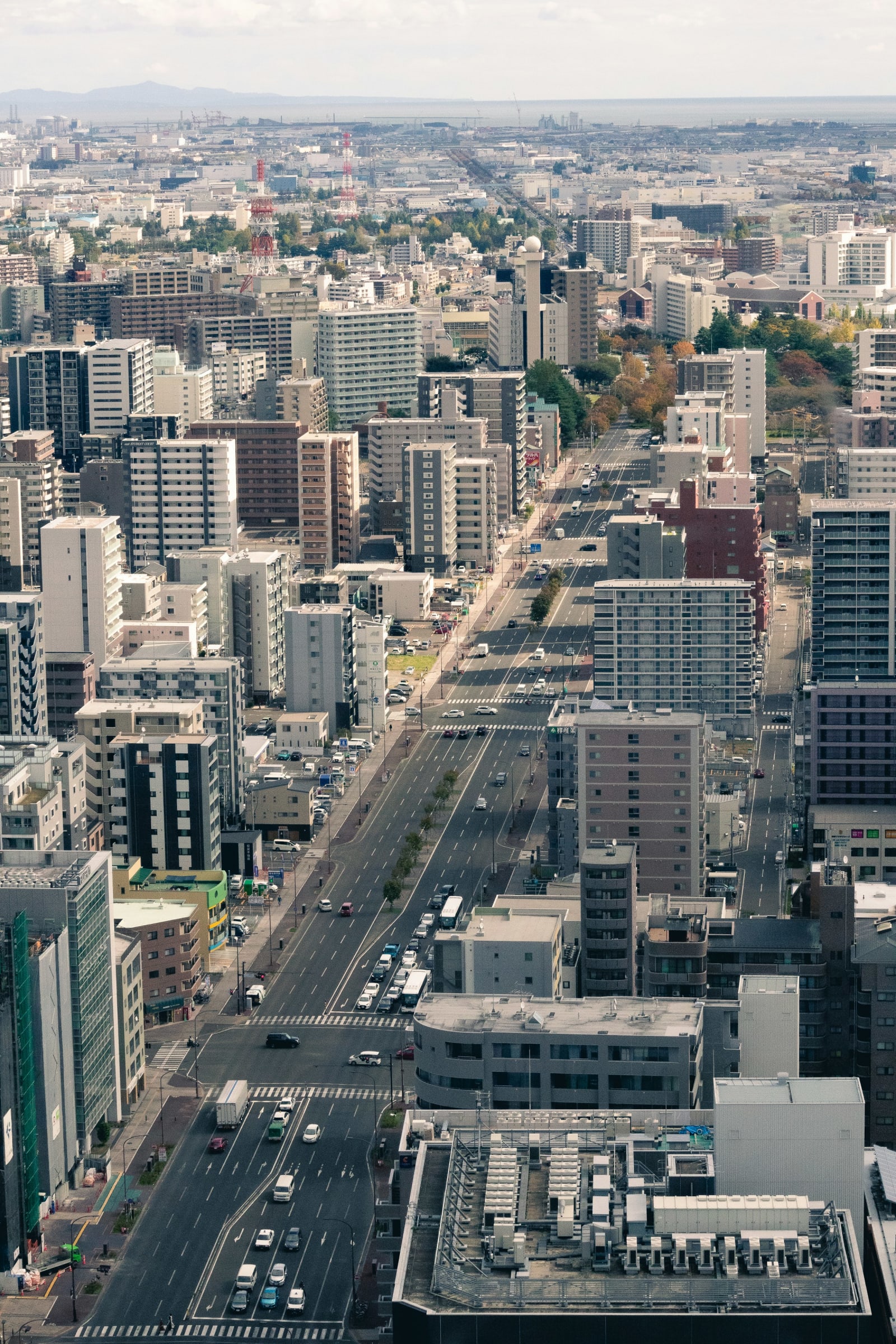
Sendai
Tohoku's capital: grilled beef tongue since 1948, Date Masamune's ornate mausoleum, and streamers across the sky every August
About Sendai
Start at the Loople Sendai sightseeing bus outside Sendai Station. The one-day pass costs ¥630 and covers every major sight, running every 20 minutes from 9:00 AM to 4:00 PM. Ride it to Zuihoden first (stop #4, about 15 minutes): the mausoleum of Date Masamune is ¥570 standard or ¥460 with the Loople pass, and earns its entry fee with carved lacquerwork and gold that genuinely impress. Then continue uphill to the castle ruins (free), where a statue of Masamune on horseback overlooks the city from 100 metres up. The on-site museum runs ¥770, or ¥1,430 with VR. Save Osaki Hachimangu Shrine (stop #11, always free) for the afternoon when the light hits the black lacquer exterior.
Gyutan lunch is not optional. Aji Tasuke at 4-4-13 Ichibancho (closed Tuesdays, opens 11:30 AM) is where the dish was invented in 1948, and the standard set at ¥1,600 to ¥1,900 is the benchmark: three cuts of charcoal-grilled tongue, barley rice, oxtail soup, and pickles. Arrive before noon on weekdays or expect a 30-60 minute wait. If you miss it, Rikyu and Kisuke both have branches on the third floor of Sendai Station (Gyutan Dori, opens 10:00 AM, ¥1,500 to ¥2,500) with shorter waits. Zunda Saryo in the station sells zunda mochi from ¥500 from 8:00 AM if you need breakfast sorted.
Sendai works as a two-night base for exploring Tohoku. Matsushima, one of Japan's three most scenic spots, is 30 to 40 minutes east on the JR Senseki Line (¥440, JR Pass covered). Yamadera's mountain temple, where 1,015 stone steps climb through cedar forest to a clifftop view, is one hour north on the JR Senzan Line. Both are easy day trips. The Sendai Area Pass (¥1,420, available to foreign visitors at the JR East desk on the second floor of Sendai Station) covers the Loople bus, subway, and JR lines for one day and pays for itself quickly if you combine city sightseeing with a Matsushima or Yamadera trip.
Sendai Districts
Explore Sendai's diverse neighborhoods, each with its own unique character

Ichibancho
Worth a Detour1-3 hours
The shopping and dining spine of central Sendai. A T-shaped covered arcade stretches along Ichibancho and Chuo-dori, running from the station area west towards the castle. It has everything from 100-yen shops to high-end boutiques, department stores, and dozens of restaurants. Aji Tasuke, the original gyutan restaurant, sits just off this arcade at 4-4-13 Ichibancho.
Highlights:
Best For:

Kokubuncho
If You're Nearby2-3 hours (evening)
Sendai's entertainment and nightlife district, one block north of Ichibancho. This is where the gyutan restaurants concentrate in the evenings, alongside izakaya, bars, and clubs. The streets are busiest after 7pm. Less interesting during the day, but essential for an evening in the city.
Highlights:
Best For:
Top Attractions
Must-see landmarks, temples, and experiences in Sendai

Zuihoden Mausoleum
The mausoleum of Date Masamune, built in 1637 in Momoyama style. The carved lacquerwork, gold leaf, and brilliant colours on the main hall are extraordinary for a burial structure. The tombs of two of Masamune's successors stand nearby. Cedar trees line the approach. Allow time to walk the full complex. Loople stop #4, about 15 minutes from the station.

Aoba Castle Ruins
The castle itself is gone, but the hilltop site 100 metres above the city is worth the Loople ride. The stone walls that remain are impressive, a statue of Date Masamune on horseback occupies the main terrace, and the views over Sendai are the best in the city. The on-site museum has Edo-period castle models and VR goggles that reconstruct the castle as it looked. The castle grounds are free; pay only if the museum interests you.

Osaki Hachimangu Shrine
Built by Date Masamune in 1607, this shrine stands out for its unusually bold exterior: black lacquer, gold leaf, and bright decorative colours applied to the main hall, which is a National Treasure. Dedicated to Hachiman, the god of war and Sendai's guardian deity. The shrine sells black omikuji (fortune papers) that match the building's dark aesthetic. Loople stop #11; also reachable from Kunimi Station on the JR Senzan Line (15 minutes, ¥200 from Sendai Station).

Rinnoji Temple
A quiet temple founded in 1441, north of the city centre, with a Japanese garden that outperforms anything in the city proper. Koi pond, three-story pagoda, mossy stone paths, and recently restored buildings. The garden costs ¥300 to enter and is rarely crowded. Best in cherry blossom season (early April) and autumn foliage (late October). Take the JR Senzan Line to Kitayama Station (10 minutes, ¥200), then walk 10 minutes south.
Where to Stay in Sendai
Sendai has strong business hotel coverage near the station, which is where most visitors should stay. The station area puts you within 5 minutes of Gyutan Dori and the Loople bus stop, and walking distance of Ichibancho. There is no strong reason to stay further from the station unless you specifically want to be near Kokubuncho nightlife.
Best Areas to Stay
Sendai Station Area
The practical choice. Five minutes from Gyutan Dori, the Loople bus stop, and the Shinkansen platforms. APA, Dormy Inn, Comfort Hotel, and Hotel Metropolitan are all within a 5-10 minute walk. Easy to drop luggage and start sightseeing immediately on arrival.
Best for: Anyone on a 1-2 night visit, JR Pass holders, day-trippers to Matsushima
Ichibancho / City Centre
A 10-15 minute walk west of the station puts you closer to Kokubuncho and the shopping arcades. Marginally less convenient for early Loople departures. The Westin Sendai and Hotel Metropolitan East are in this zone.
Best for: Longer stays, business travellers, evening dining and nightlife
Types of Accommodation
Guesthouses and Hostels
Budget options within walking distance of the station. Shared or private rooms, basic facilities.
Business Hotels
The majority of accommodation in Sendai. Clean, well-located, reliable Wi-Fi, often includes breakfast.
Upscale Hotels
Full-service hotels with restaurant and fitness facilities. The Westin is the best address in the city.
Best Time to Visit
Late summer is when Sendai is at its most spectacular, but also its most crowded. The Tanabata Festival (August 6-8) is unmissable if you can book ahead. Autumn is the best all-round season: comfortable weather, foliage at Rinnoji and Naruko Gorge, and no festival crowds. Spring brings reliable cherry blossoms in early April without summer humidity.
Spring (March-May)
5-20°C (41-68°F)
Cherry blossoms peak around April 6-13 at the castle ruins and Rinnoji Temple garden. Temperatures are pleasant for walking, and crowds are manageable compared to August. May is warm, calm, and one of the most comfortable months to visit.
Pros:
- +Cherry blossoms at the castle and Rinnoji (early April)
- +Pleasant walking weather
- +Fewer tourists than festival season
Cons:
- -March can be cold with late frost
- -Hotels cheaper but less lively than summer
Summer (June-August)
22-30°C (72-86°F)
Hot and humid through July and early August. The Tanabata Festival on August 6-8 is the city's biggest event: covered arcades and streets fill with thousands of handmade fukinagashi streamers up to 5 metres long. Absolutely worth planning around, but book hotels 2-3 months ahead.
Pros:
- +Tanabata Festival (August 6-8): the city transforms completely
- +Long days
- +Lively restaurant and nightlife scene
Cons:
- -Hot and humid, especially July
- -Festival week: accommodation sells out and prices spike
- -Advance booking essential for August 5-8
Autumn (September-November)
10-22°C (50-72°F)
The best overall season. Jozenji Street Jazz Festival runs in mid-September when the zelkova trees are still green. By October the leaves begin to turn; Rinnoji Temple garden and Naruko Gorge (1.5 hours away) peak in late October to early November. Comfortable temperatures throughout.
Pros:
- +Autumn foliage at Rinnoji and Naruko Gorge
- +Jozenji Jazz Festival (mid-September)
- +Perfect walking weather
- +Fewer tourists than spring or summer
Cons:
- -Naruko Gorge gets crowded on autumn weekends
- -October evenings can be cool
Winter (December-February)
-2-6°C (28-43°F)
Cold and occasionally snowy, but Sendai has a compelling winter draw. The Pageant of Starlight in December lines the zelkova trees of Jozenji Street with hundreds of thousands of lights. January and February are quiet, cheap, and excellent for anyone who just wants to eat gyutan without queues.
Pros:
- +Pageant of Starlight illuminations (December)
- +Lowest hotel prices of the year
- +Short gyutan queues
- +Clear winter skies
Cons:
- -Cold, requires a proper coat and layers
- -Some outdoor attractions less enjoyable
- -Snow can disrupt transport in January-February
Sendai Food Scene
Sendai has two dishes worth making the trip for: gyutan and zunda mochi. The beef tongue was invented here in 1948 and has been refined across 100-plus restaurants since. The zunda mochi (soft mochi in sweet edamame paste) is the city's signature sweet. Beyond those two, sasakamaboko (bamboo-leaf fish cake) is the local snack, and fresh seafood from the Sanriku coast runs through izakaya menus across the city.
Gyutan (Grilled Beef Tongue)
Thinly sliced beef tongue grilled over charcoal, served with barley rice, oxtail soup, and pickles. The original restaurant is Aji Tasuke (4-4-13 Ichibancho, closed Tuesdays, opens 11:30 AM) where sets run ¥1,600 to ¥1,900. Arrive before noon or wait 30-60 minutes. The station's Gyutan Dori on the third floor (Rikyu, Kisuke, opens 10:00 AM) has shorter queues and sets from ¥1,500 to ¥2,500. The standard set at any decent restaurant is the thing to order: three cuts, barley rice, tail soup.
Where to try:
Zunda Mochi
Soft rice cakes covered in sweet, lightly salted edamame (green soybean) paste. Mild and naturally sweet, nothing like the heavily sweetened bean pastes used elsewhere. Zunda Saryo inside Sendai Station is the place: mochi from ¥500, opens at 8:00 AM for takeout. Good as a pre-sightseeing breakfast or souvenir to take on the Shinkansen.
Where to try:
Sasakamaboko (Bamboo-Leaf Fish Cake)
Steamed white fish cake shaped and presented on a bamboo leaf, a Sendai specialty for over 400 years. The texture is smooth and slightly bouncy, with a clean seafood flavour. Best eaten fresh from a maker's shop rather than pre-packaged. Available in the station depachika and from shops around Ichibancho. Makes an easy walking snack or a good omiyage (souvenir).
Where to try:
Fresh Seafood (Sanriku Coast)
Sendai sits between the rich Pacific fishing grounds of the Sanriku coast and the city's wholesale market. Izakaya across Kokubuncho serve Sanriku salmon, sea urchin, oysters (October to March), and flounder sashimi. Not a sit-down restaurant destination like Osaka, but the quality at a good izakaya is excellent for the price.
Where to try:
Suggested Itinerary
Day 1: City Sights and Gyutan
Day 2: Matsushima Day Trip
Nearby Day Trips
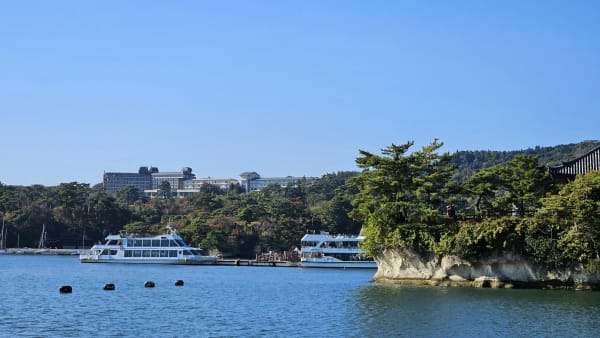
Matsushima
30-40 minutes from Sendai Station (JR Senseki Line, ¥440 each way)
One of Japan's three most celebrated scenic spots: 260 pine-covered islands scattered across a calm bay. Zuiganji Temple is a National Treasure, Godaido offers the classic framed island view from its small terrace, and the bay cruise (¥1,500, 50 minutes) lets you get out among the islands. Oysters are farmed here and peak October through March. Half a day is enough; a full day is better.
Yamadera (Risshakuji Temple)
1 hour from Sendai Station (JR Senzan Line, ¥910 each way)
A mountain temple complex where 1,015 stone steps climb through ancient cedar forest to the main hall perched on a cliff above a forested valley. The view from the top is the reward. The climb takes 30-40 minutes and is genuinely steep in places. Wear proper footwear. The base has simple noodle restaurants. Autumn foliage in late October and early November makes this one of the best day trips in Tohoku.
Naruko Gorge
About 1.5 hours from Sendai (JR Tohoku Line to Furukawa, then bus or local train)
A narrow gorge cut through volcanic rock with autumn foliage that peaks in late October. The Ofukazawa Bridge viewpoint is the classic shot. Naruko Onsen village nearby has traditional ryokan and hot springs if you want to make it an overnight. The gorge itself is a half-day; the onsen warrants a full day or overnight.
Practical Information
Getting to Sendai
From Tokyo
1 hour 40 min by Tohoku Shinkansen (¥11,200, JR Pass covered)
Sendai Airport (SDJ)
18 km south of city centre
Daily Budget Guide
Hostel or cheap business hotel, gyutan at the station, Loople bus, free sights (castle, shrine)
Business hotel near the station, Aji Tasuke gyutan, sit-down izakaya dinner, Loople or Area Pass
Westin or Metropolitan, kaiseki dinner, private transfers
Essential Sendai Tips
Buy the Loople Sendai day pass (¥630) at the bus counter outside Sendai Station west exit before boarding. It pays for itself in two rides and includes ¥110 off Zuihoden admission (reducing entry to ¥460).
Aji Tasuke (4-4-13 Ichibancho, closed Tuesdays, opens 11:30 AM) invented gyutan in 1948. Arrive before noon on weekdays to avoid a 30-60 minute queue. The standard set is ¥1,600 to ¥1,900.
If you miss the Aji Tasuke lunch window, Rikyu and Kisuke on Gyutan Dori (3rd floor, Sendai Station) open at 10:00 AM with shorter queues and the same quality at ¥1,500 to ¥2,500.
Tanabata Festival runs August 6-8. Book hotels at least 2-3 months ahead: prices double and rooms sell out. Arriving August 5 for the evening preview is worth it.
The Sendai Area Pass (¥1,420, foreign visitors only, buy at JR East Travel Service Center 2F Sendai Station) covers the Loople, subway, and JR lines including Matsushima. On any day you go to Matsushima, it pays for itself.
Zunda Saryo inside Sendai Station opens at 8:00 AM for takeout. Zunda mochi from ¥500 is the right breakfast before catching a 9:00 AM Loople.
Aoba Castle grounds are free and open 24 hours. The museum (¥770) and VR (¥880) are optional. The castle grounds alone at dusk with city lights below are worth the Loople ride.
Rinnoji Temple (JR Senzan Line to Kitayama, 10 min, ¥200, then 10 min walk) has the best garden in the city. Almost no one goes. Entry ¥300. Go in early April for cherry blossoms or late October for foliage.
The Winter Pageant in December lines Jozenji Street's zelkova trees with lights. The street is a 15-minute walk from the station and the illuminations are free to walk through.
Osaki Hachimangu sells black omikuji (fortune papers) in black ink on black paper to match the shrine's lacquer exterior. Buy one regardless of whether you believe in fortunes.
Book tours & activities in Sendai
Skip the line with pre-booked tickets and guided tours
via Klook · Affiliate link
Related Articles
Japan in December 2026: Weather, Illuminations and New Year
Dry, clear days, lights everywhere and hotels at January prices until Christmas, then the December 29 shutdown. December 2026 weather, dates and closures.
Japan in April 2027: Cherry Blossoms, Weather and Crowds
Full bloom averages March 31 in Tokyo and April 4 in Kyoto, then the front heads north. April 2027 bloom windows, weather, hotel prices and Golden Week.
Japan in August: Obon, Festivals and Surviving the Heat
The hottest month of the year is also the best festival month Japan has. Nebuta, Awa Odori, fireworks nearly every weekend, and the Obon travel crush: what August costs you and what it pays back.
Other Destinations
Tokyo
The world's greatest city: 14 million people, 200+ Michelin stars, and more to discover than any single trip can hold
Hiroshima
Peace Park, Miyajima's floating torii, and the best okonomiyaki in Japan: a city that turned tragedy into hope
Kyoto
A thousand years as Japan's capital: geisha in Gion, vermillion torii tunnels, and kaiseki cuisine elevated to art
Osaka
Kuidaore city: Dotonbori's neon, Shinsekai's kushikatsu, and Japan's friendliest strangers
Kamakura
Tokyo's favorite day trip: the Great Buddha since 1252, zen temples, hydrangeas at Hasedera, surf beaches, and shirasu-don an hour from the city
Yokohama
Japan's largest Chinatown, Cup Noodles Museum, and a waterfront that actually breathes (25 minutes from Tokyo)
Hakone
Two hours from Shinjuku: volcanic onsen, the Hakone Loop, and Mt. Fuji (when she shows up)
Nikko
Gold-leaf Toshogu, 97m Kegon Falls, and yuba soba: Japan's most opulent shrine town, 2 hours from Asakusa
Nara
1,200 bowing deer, the world's largest bronze Buddha, and temples that predate Kyoto, 45 minutes from Osaka
Kanazawa
Kyoto's calmer cousin: Kenroku-en at dawn, Omicho seafood, and 99% of Japan's gold leaf
Takayama
Preserved Edo streets, world-class Hida beef, and six sake breweries you can walk between in the Japanese Alps
Fukuoka
Yatai stalls at sunset, the best tonkotsu ramen in Japan by the Naka River, and all of Kyushu on your doorstep
Sapporo
Miso ramen at midnight, powder snow at Niseko, and a beer garden in Odori Park: Hokkaido's capital delivers
Nagoya
Miso katsu, golden shachihoko, and Toyota's textile-to-car story: the city everyone skips on the Shinkansen, and shouldn't
Kobe
Kobe beef that ruins all other steak, historic Kitano mansions, and Arima Onsen in the mountains
Himeji
The largest of Japan's 12 original castles, nine walled gardens next door, and oden eaten with ginger soy
Nagasaki
Japan's only window to the outside world for 200 years: now champon, Dejima, and the Peace Park
Hakodate
One of the world's three best night views, a star-shaped fort, and the freshest kaisen-don in Japan at sunrise
Otaru
Gas-lit canals, port-fresh sushi, and Hokkaido's most romantic winter festival
Asahikawa
The zoo that redesigned how Japan thinks about animals, a ramen style with a pork-fat layer to beat the cold, and the gateway to Japan's largest national park
Aomori
Honshu's northern edge: Japan's most electrifying summer festival, world-class Jomon archaeology, and one of the last virgin beech forests on Earth
Morioka
Three completely distinct noodles, 1,000 cherry trees on a ruined castle, and Hiraizumi's Golden Hall under an hour south
Akita
Gravity-defying lantern poles at the Kanto Festival, Tohoku's finest samurai streets in Kakunodate, and sake from over thirty breweries
Yamagata
Yamadera's 1,015 steps, Ginzan Onsen's gaslit snow, sacred mountains, and Japan's best cherries
Fukushima
A blossom-covered mountain, a volcanic sky road, 200-yen Edo bathhouses, and Japan's best peaches, 90 minutes from Tokyo
Matsushima
One of Japan's three great views: 260 pine-clad islands, Date Masamune's Zen temple, and oysters grilled on the bay
Hirosaki
Japan's greatest cherry blossom castle, fan-shaped warrior floats at Neputa, and a city that produces one in five of Japan's apples
Aizuwakamatsu
A red-tiled castle, nineteen graves of teenage samurai, thatched Edo villages, and some of Japan's most decorated sake
Chiba
Narita-san Shinsho-ji, Tokyo DisneySea, and 100 km of Pacific coastline: most visitors see only the airport terminal
Saitama
Kawagoe's Edo warehouse street, Japan's first Shinkansen prototype, and the Chichibu Night Festival: Saitama earns a day
Mito
Japan's first flower season: Kairakuen's 3,000 plum trees six weeks before sakura, one of Japan's Three Great Gardens
Utsunomiya
Japan's gyoza capital: 200 shops, underground volcanic caverns at Oya, and Nikko 41 minutes by train
Maebashi
A free rose garden with 7,000 blooms, a volcanic caldera you can walk around, and the budget base for Kusatsu Onsen
Niigata
Japan's sake heartland: 90-plus breweries, Sea of Japan sushi at half the Tokyo price, and a ferry to Sado Island
Toyama
Base camp for the Tateyama snow walls, with white shrimp, firefly squid, and Sea of Japan sushi at half Tokyo prices
Fukui
Japan's dinosaur prefecture: a world-class museum, volcanic sea cliffs, the strictest Zen monastery, and Echizen crab in winter
Nagano
Zenko-ji pilgrims, snow monkeys in hot springs, and Hakuba powder: Japan's alpine heart
Shizuoka
Japan's tea capital: pine-framed Fuji views, the Tokugawa shrine that predates Nikko, and tiny pink shrimp found only in Suruga Bay
Gifu
Cormorant fishing by firelight, a mountain castle at sunset, and paper lanterns made by hand
Kofu
Japan's wine capital: cellar tours a short walk from the station, hoto noodles, and the granite cliffs of Shosenkyo Gorge
Hakuba
Olympic powder, alpine hiking, and the most international mountain town in Japan
Matsumoto
Japan's oldest five-tiered castle keep, alpine gateways, and a city that punches well above its size
Wakayama
Pilgrimage country: sleep in Koyasan's temples, walk the Kumano Kodo, and stand under Japan's tallest waterfall
Otsu
Kyoto's lakeside escape: Enryaku-ji's World Heritage halls, Japan's largest lake, and hotel rates Kyoto forgot, 10 minutes away
Tsu
Ise Jingu 50 minutes, Matsusaka wagyu 20 minutes: Tsu is the affordable base for the best of Mie Prefecture
Miyajima
A floating shrine gate, a 535-metre sacred mountain, and Hiroshima oysters grilled on the waterfront
Okayama
Korakuen garden, Crow Castle, Kurashiki canals, plus Naoshima art island 50 minutes away
Tottori
Japan's only coastal sand dunes, 50 meters high and 16km wide, where the desert meets the Sea of Japan
Matsue
One of Japan's five National Treasure castles, moat boats through samurai streets, and Lake Shinji sunsets, with mythical Izumo next door
Yamaguchi
Ruriko-ji's 1442 national treasure pagoda, Japan's largest limestone cave, and the gateway to Hagi and fugu country
Matsuyama
Japan's oldest hot spring, one of 12 original castles, and the gateway to the Shimanami Kaido cycling route
Takamatsu
Japan's udon capital, a Michelin three-star garden, and the ferry gateway to Naoshima's art islands
Tokushima
Japan's wildest dance festival, vine bridges over mountain gorges, and tidal whirlpools at the edge of Shikoku
Kochi
One of Japan's 12 original castles, a 300-year-old Sunday market, and katsuo no tataki seared over straw flames
Kumamoto
Japan's fiercest castle, garlic-laced ramen, and the world's largest active caldera: Kyushu's samurai heart
Beppu
Eight volcanic 'hells,' Takegawara sand baths, and Japan's densest onsen: steam rises from every corner
Kagoshima
Sakurajima erupting on the horizon, kurobuta pork on your plate, and Yakushima's ancient cedars a jetfoil ride away
Miyazaki
Takachiho Gorge by rowboat, a shrine built into a sea cave, and chicken nanban from the city that invented it
Saga
The birthplace of Japanese porcelain, a hundred balloons over a river at dawn, and A5 wagyu at a fraction of Kobe prices
Oita
12th-century stone Buddhas in a cedar valley, toriten from its originator, and Beppu's steaming hells 12 minutes down the line
Naha
Shuri Castle, Kokusai-dori, and goya champuru: Japan's subtropical capital where Ryukyu royalty once ruled
Ishigaki
Kabira Bay emerald waters, world-class diving, and Japan's southernmost island gateway
Miyako Island
7km of turquoise sand, Ikema Bridge views, and Japan's clearest snorkeling
Ready to Explore Sendai?
Add Sendai as a stay in your trip and we'll help you find hotels and suggest activities