
Kobe
Kobe beef that ruins all other steak, historic Kitano mansions, and Arima Onsen in the mountains
About Kobe
Kobe rewards the splurge. A lunch set at Steak Aoyama or Wakkoqu (¥8,000–12,000 for 100g of A5 beef, rice, salad, and miso) will ruin every steak you eat afterward. Book ahead; walk-ins rarely work. The city itself is compact: Sannomiya Station is your hub (20 minutes from Osaka on JR, ¥410), and you can walk to Chinatown (Nankinmachi), the harbor, and Kitano in under 20 minutes each. The Kitano Ijinkan mansions are worth the ¥2,000 combo ticket: go in the morning before the tour buses, and skip the ones that feel like gift-shop traps. Meriken Park and Port Tower (¥900) are best at dusk, when the harbor lights up and the crowds thin.
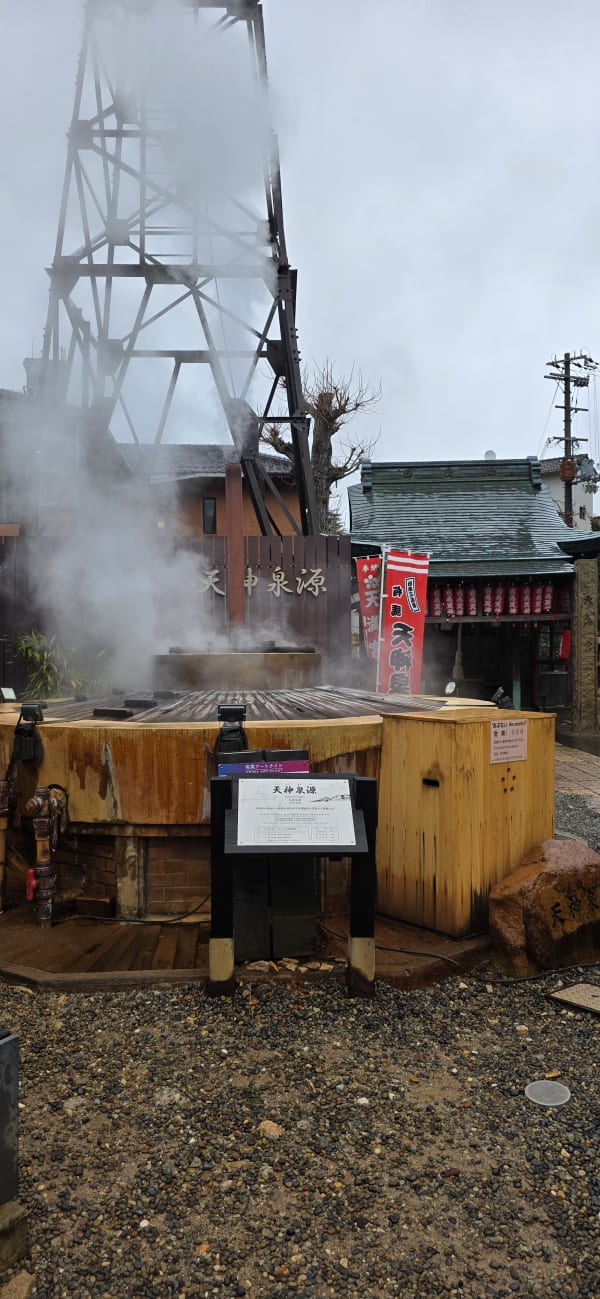
Arima Onsen is the real secret. Thirty minutes by bus from Sannomiya (¥770), it's one of Japan's oldest hot spring towns: two types of water, kinsen (iron-rich, rust-coloured) and ginsen (radium, clear). A day-trip public bath runs ¥650–1,000; an overnight at a ryokan like Gekkoen starts around ¥25,000 with kaiseki. Winter is ideal: fewer tourists, steam rising into cold air. The Nunobiki Herb Garden (¥1,500 including cable car from Shin-Kobe) is worth it even if you're not a gardener; the views over the harbour alone justify the ticket.
Stay in Sannomiya if you want convenience; Harborland if you want the view. Business hotels like Dormy Inn run ¥7,000–9,000. Skip the Akashi Bridge unless you're a bridge enthusiast. It's impressive from a distance but the museum is forgettable.
Kobe Districts
Explore Kobe's diverse neighborhoods, each with its own unique character

Kitano
Must-SeeHalf day
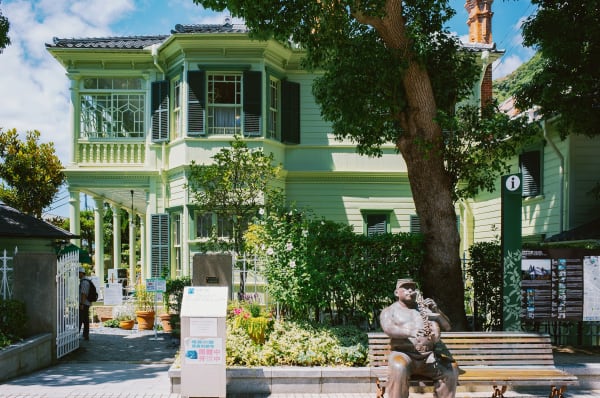
The historic foreign quarter where Western traders and diplomats built mansions in the late 1800s. Today, these beautifully preserved buildings house museums, cafes, and shops. The area feels like stepping into a European neighborhood in the middle of Japan.
Highlights:
Best For:

Sannomiya
Must-SeeHalf day to full day
Kobe's main commercial and transportation hub. Shopping, dining, and the city's energy converge here. This is where you'll arrive, shop, and find most restaurants and hotels.
Highlights:
Best For:

Kobe Harbor / Meriken Park
Must-See2-3 hours
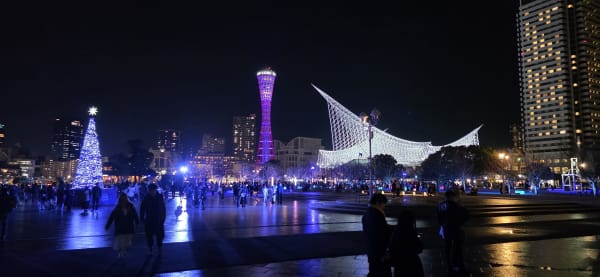
The beautiful waterfront area with Kobe Port Tower, Meriken Park, and views of the harbor. Modern architecture meets the sea, creating a perfect place for evening walks.
Highlights:
Best For:

Arima Onsen
Worth a DetourHalf day to overnight
One of Japan's oldest hot spring resorts, nestled in the mountains above Kobe. Traditional ryokans, public baths, and a charming old-town atmosphere. A perfect escape from the city.
Highlights:
Best For:
Top Attractions
Must-see landmarks, temples, and experiences in Kobe
Kitano Ijinkan
The historic foreign quarter where Western traders built mansions in the late 1800s. Several of these beautifully preserved buildings are open to the public, offering a glimpse into Kobe's international past. Each house has its own character and history.

Kobe Port Tower
Kobe's iconic red tower, shaped like a Japanese drum. The observation deck offers panoramic views of the harbor, city, and mountains. Best visited at sunset or evening when the tower itself is illuminated.
Meriken Park
A beautiful waterfront park with modern sculptures, the Kobe Maritime Museum, and the Earthquake Memorial. A peaceful place to walk, relax, and enjoy harbor views. The park commemorates the 1995 Great Hanshin Earthquake.
Nunobiki Herb Garden
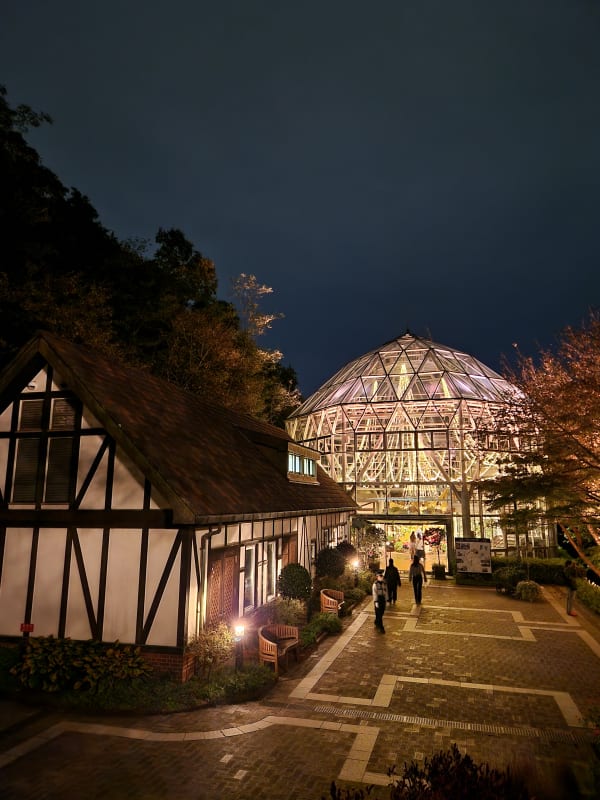
Japan's largest herb garden, accessible by cable car from Shin-Kobe Station. Beautiful terraced gardens with 200+ varieties of herbs, flowers, and stunning views of Kobe and the harbor. The cable car ride itself offers great views.
Arima Onsen
One of Japan's oldest hot spring resorts, mentioned in ancient texts. Two types of springs: 'kinsen' (gold, iron-rich) and 'ginsen' (silver, radium and carbonate). Traditional ryokans, public baths, and a charming old-town atmosphere.

Kobe Chinatown (Nankinmachi)
One of Japan's three major Chinatowns, with colorful gates, Chinese restaurants, and street food stalls. Smaller than Yokohama's but charming and authentic. Great for lunch or snacks.

Nada Sake District
Japan's leading sake district: Hyogo brews more sake than any other prefecture, and Nada more than anywhere else in Hyogo. Several brewers open museums to visitors, and at Hamafukutsuru you can watch a working brewery through glass for free.

Akashi Kaikyo Bridge
The world's longest suspension bridge, connecting Kobe to Awaji Island. The bridge itself is impressive, and there's a museum and observation deck. Best viewed from a distance or from a boat tour.
Where to Stay in Kobe
Kobe offers good accommodation options, from budget business hotels to luxury properties. Sannomiya is the most convenient location, while staying near the harbor offers great views. Arima Onsen is perfect for a traditional ryokan experience.
Best Areas to Stay
Sannomiya
JR and Hanshin hub: 20 min from Osaka, 50 min from Kyoto. Walking distance to Chinatown, Kitano, and Harborland. Dormy Inn, Trusty, and business hotels cluster here. Best balance of convenience and value.
Best for: First-timers, day trippers from Osaka/Kyoto, anyone who wants to walk everywhere
Harborland
Waterfront hotels with harbour views: Meriken Park and Port Tower are steps away. Quieter than Sannomiya at night. Portopia is the splurge option; mid-range runs ¥10,000–15,000.
Best for: Harbour views, couples, those who prefer a quieter base
Kitano Area
Fewer hotels: mostly boutique or guesthouses. Charming but you'll walk or bus to Sannomiya for trains and dinner options. Best if you want atmosphere over convenience.
Best for: Historic atmosphere, photographers, those doing a slow Kobe stay
Arima Onsen
Ryokans with kaiseki dinner and breakfast included. Gekkoen, Tosen Goshobo, and Taketoritei are the standouts. Book 2–3 months ahead for weekends. Most have shared baths; some rooms have private onsen (premium).
Best for: Hot spring purists, romantic getaways, those willing to splurge for the full experience
Shin-Kobe
Shinkansen station: handy if you're arriving from Tokyo or doing a quick stop. Only 1 subway stop to Sannomiya (¥210) but feels disconnected. Business hotels here run cheaper; good for one-night layovers.
Best for: Shinkansen arrivals, quick stopovers, budget-conscious travellers
Types of Accommodation
Business Hotels
Clean, efficient, good value. Many in Sannomiya area.
Luxury Hotels
Waterfront properties and upscale hotels with great service and facilities.
Ryokans (Arima Onsen)
Traditional Japanese inns with hot springs, kaiseki meals, and tatami rooms.
Hostels
Budget-friendly options, though fewer than in Osaka or Kyoto.
Best Time to Visit
Kobe is pleasant year-round, but spring (March-May) and autumn (October-November) offer the best weather. Summer brings heat and humidity, while winter is mild with fewer crowds.
Spring (March-May)
10-22°C (50-72°F)
Pleasant weather, cherry blossoms in late March/early April, perfect for walking around the harbor and Kitano area.
Pros:
- +Cherry blossoms
- +Comfortable temperatures
- +Great for harbor walks
Cons:
- -Crowded during sakura season
- -Higher hotel prices
- -Can be rainy
Summer (June-August)
23-32°C (73-90°F)
Hot and humid, but the harbor breeze helps. Great for evening walks along the waterfront.
Pros:
- +Harbor breeze
- +Long days
- +Summer festivals
Cons:
- -Hot and humid
- -Rainy season in June
- -Can be uncomfortable
Autumn (September-November)
15-26°C (59-79°F)
Beautiful weather, clear skies, perfect for exploring. The harbor views are stunning.
Pros:
- +Perfect weather
- +Clear skies
- +Great harbor views
Cons:
- -Can be crowded
- -Typhoon season early autumn
Winter (December-February)
5-12°C (41-54°F)
Mild winters, fewer tourists, and perfect weather for hot springs at Arima Onsen.
Pros:
- +Fewer crowds
- +Lower prices
- +Perfect for onsen
- +Clear skies
Cons:
- -Coldest weather
- -Some outdoor attractions less appealing
Kobe Food Scene
Kobe's food scene reflects its international history. Of course, there's the legendary Kobe beef: marbled, tender, and expensive, but worth every yen if you can swing it. But Kobe also offers excellent Chinese food (thanks to Chinatown), international cuisine, and some of Japan's best sake from the Nada district. Kobe beef lives up to the hype, but fair warning: once you've had the real thing at a teppanyaki counter in Kobe, every steak you eat for the rest of your life will feel like a compromise.
Kobe Beef
A5 marbled beef: teppanyaki is the classic preparation. Lunch is half the price of dinner for the same quality. Book 1–2 weeks ahead; walk-ins rarely work. Steak Aoyama and Wakkoqu do solid lunch sets; Ishida and Plaisir are pricier but exceptional.
Where to try:
Sake
Nada leads Hyogo, Japan's biggest sake-brewing prefecture. The Hakutsuru Sake Brewery Museum is free and self-guided, and Hamafukutsuru's glass-walled brewery at Uozaki is free too; buy bottles on-site (¥1,500–3,000) for better selection than duty-free. In Sannomiya, Nada Bar or Sakura Sake Bar pour by the glass.
Where to try:
Chinese Food (Butaman & Noodles)
Roushouki (founded 1915) sells 13,000 pork buns daily: the real Nankinmachi draw. Queue early (10–11am) or expect a wait; minimum 3 buns. Various Chinese restaurants do champon and noodles (¥900–1,200). Avoid the generic stalls near the main gate.
Where to try:
Kobe Pudding
Creamy caramel pudding, slightly less sweet than typical Japanese pudding. The official Kobe Pudding shop near Sannomiya sells singles (¥350) and 6-packs. Travels well: good for train snacks.
Where to try:
Kobe Wine
Kobe's hills produce drinkable wine, not world-class, but a novelty in Japan. Kobe Wine House offers tastings (¥1,500 for 3 glasses). Skip if you're short on time; the sake is the real story.
Where to try:
International / Cafe Culture
Kitano's historic mansions house cafes: overpriced but atmospheric. For better value, hit the bakeries and cafes in Sannomiya's backstreets. Harborland has waterfront options; views cost ¥2,000+ for a meal.
Where to try:
Suggested Itinerary
Day 1: City & Harbor
Day 2: Arima Onsen & Sake
Nearby Day Trips

Himeji Castle
40 minutes by JR Special Rapid from Sannomiya
The largest of Japan's 12 original castles and a UNESCO World Heritage Site: the White Heron keep has stood since around 1609 and never burned. Adults from outside Himeji pay ¥2,500, and until about July 2027 scaffolding covers some turrets and gates around the keep.

Arima Onsen
30-40 minutes by train/bus
One of Japan's oldest hot spring resorts. Perfect for a day trip or overnight stay. Traditional atmosphere and excellent hot springs.
Awaji Island
1 hour by bus
Connected by the Akashi Kaikyo Bridge, Awaji Island offers beaches, onsen, and the Naruto whirlpools. A peaceful escape from the city.
Practical Information
Getting to Kobe
Kansai International Airport (KIX)
80 km southwest of Kobe
Osaka International Airport (Itami)
30 km east of Kobe
Daily Budget Guide
Hostels or budget hotels, street food and convenience store meals, free/low-cost attractions
Business hotels, mix of restaurants and street food, paid attractions
4-5 star hotels, Kobe beef dining, taxis, premium experiences
Essential Kobe Tips
Book Kobe beef restaurants 1–2 weeks ahead: Steak Aoyama, Wakkoqu, and Ishida fill up. Lunch (¥8,000–12,000) is half the price of dinner for similar quality.
Kitano's cobblestone streets are steep. Wear shoes with grip. The Weathercock House and Moegi House are the Ijinkan highlights; skip the ones that feel like souvenir shops.
Hit Meriken Park and Port Tower at 5pm: you get sunset, the illuminated tower, and harbour lights in one visit. Port Tower closes 9pm.
Arima Onsen bus from Sannomiya (Bus 16) takes 40 min, ¥770. Kinsen no Yu (¥650) or Tosen Goshobo's public bath (¥1,000) for a day-trip soak without a ryokan stay.
Nunobiki cable car departs from Shin-Kobe Station, not Sannomiya. The ¥1,500 ticket includes round-trip and garden admission. Go on a clear day; the harbour view from the top terrace is the real draw.
Roushouki's pork buns (butaman) in Nankinmachi: go at 10–11am to skip the queue. Minimum 3 buns. For noodles, hit the side-street Chinese spots, not the main-gate stalls.
Walk Sannomiya → Chinatown → Harborland in one loop (about 45 min total): flat, scenic, no train needed.
Nada sake: the Hakutsuru Sake Brewery Museum, 5 minutes from Hanshin Sumiyoshi, is free and self-guided, and so is Hamafukutsuru's glass-walled brewery at Uozaki. Buy bottles at the brewery: ¥1,500–3,000 for quality you won't find at airport duty-free.
Kobe Pudding at the brand shop near Sannomiya (¥350 each): creamy, not too sweet. Buy the 6-pack for the train; it travels well.
Shin-Kobe Station has Shinkansen; Sannomiya has local JR/Hanshin. If day-tripping from Osaka, get off at Sannomiya; it's where everything is.
Kobe FAQ
Is Kobe worth visiting?
Yes, and for more than the beef. Kobe squeezes between mountains and harbor: the Kitano district's Western mansions, the Nankinmachi Chinatown, the Meriken Park waterfront, Japan's top sake district in Nada, and Arima Onsen in the hills behind. At 20 to 30 minutes from Osaka, it is one of the easiest add-ons in Kansai.
How do I get to Kobe from Osaka or Tokyo?
From Osaka, JR reaches Sannomiya, Kobe's real downtown station, in 20 to 30 minutes for 410 to 640 yen, with Hankyu and Hanshin running parallel private lines. From Tokyo, the Shinkansen reaches Shin-Kobe in 2.5 to 3 hours (14,140 yen); JR Pass holders ride the Hikari. Shin-Kobe is one subway stop above Sannomiya.
How many days do you need in Kobe?
Most visitors do it as a day trip from Osaka or Kyoto, and one full day covers Kitano, Nankinmachi, the Meriken Park harborfront at sunset, and a Kobe beef lunch. Stay overnight if you want to add an Arima Onsen soak or the night view from the Nunobiki ropeway without watching the clock for the last train.
Is eating Kobe beef in Kobe worth it?
If you were ever going to splurge on it, this is the place, and lunch is the smart move: teppanyaki lunch sets run 8,000 to 12,000 yen, roughly half the dinner price for similar quality. Book restaurants like Steak Aoyama or Wakkoqu 1 to 2 weeks ahead, and look for the official Kobe Beef certification (the bronze cow statue) to avoid lookalikes.
Is Arima Onsen worth visiting from Kobe?
Yes: one of Japan's oldest hot spring towns sits just 40 minutes from Sannomiya by bus (770 yen). Its two famous waters are the rust-gold kinsen and clear ginsen, and day visitors can soak at public baths like Kinsen no Yu for 650 to 1,000 yen without a ryokan booking. Overnight ryokan stays with dinner and breakfast run 25,000 yen and up per person.
Is Kobe covered by the JR Pass?
Yes for the main approaches: the JR Kobe Line from Osaka and Kyoto and the Shinkansen to Shin-Kobe are covered (ride the Hikari; Nozomi is excluded). The Hankyu and Hanshin alternatives and the bus up to Arima Onsen are not. Within the center you will mostly walk; Sannomiya to Chinatown to Harborland is one flat 45-minute loop.
Book tours & activities in Kobe
Skip the line with pre-booked tickets and guided tours
via Klook · Affiliate link
Related Articles
Japan in January 2027: New Year, Snow, Weather and Prices
Three days of New Year closures, then Tokyo's sunniest month, peak snowfall and floor-price hotel nights. January 2027 weather, dates and hotel prices.
Japan in February 2027: Snow Festival, Plums, Weather and Prices
Sapporo's Snow Festival (Feb 4–11) doubles its hotel prices, the rest of Japan stays at January rates, and the plums open. February 2027 dates and weather.
Japan in December 2026: Weather, Illuminations and New Year
Dry, clear days, lights everywhere and hotels at January prices until Christmas, then the December 29 shutdown. December 2026 weather, dates and closures.
Other Destinations
Tokyo
The world's greatest city: 14 million people, 200+ Michelin stars, and more to discover than any single trip can hold
Hiroshima
Peace Park, Miyajima's floating torii, and the best okonomiyaki in Japan: a city that turned tragedy into hope
Kyoto
A thousand years as Japan's capital: geisha in Gion, vermillion torii tunnels, and kaiseki cuisine elevated to art
Osaka
Kuidaore city: Dotonbori's neon, Shinsekai's kushikatsu, and Japan's friendliest strangers
Kamakura
Tokyo's favorite day trip: the Great Buddha since 1252, zen temples, hydrangeas at Hasedera, surf beaches, and shirasu-don an hour from the city
Yokohama
Japan's largest Chinatown, Cup Noodles Museum, and a waterfront that actually breathes (25 minutes from Tokyo)
Hakone
Two hours from Shinjuku: volcanic onsen, the Hakone Loop, and Mt. Fuji (when she shows up)
Nikko
Gold-leaf Toshogu, 97m Kegon Falls, and yuba soba: Japan's most opulent shrine town, 2 hours from Asakusa
Nara
1,200 bowing deer, the world's largest bronze Buddha, and temples that predate Kyoto, 45 minutes from Osaka
Kanazawa
Kyoto's calmer cousin: Kenroku-en at dawn, Omicho seafood, and 99% of Japan's gold leaf
Takayama
Preserved Edo streets, world-class Hida beef, and six sake breweries you can walk between in the Japanese Alps
Fukuoka
Yatai stalls at sunset, the best tonkotsu ramen in Japan by the Naka River, and all of Kyushu on your doorstep
Sapporo
Miso ramen at midnight, powder snow at Niseko, and a beer garden in Odori Park: Hokkaido's capital delivers
Nagoya
Miso katsu, golden shachihoko, and Toyota's textile-to-car story: the city everyone skips on the Shinkansen, and shouldn't
Himeji
The largest of Japan's 12 original castles, nine walled gardens next door, and oden eaten with ginger soy
Nagasaki
Japan's only window to the outside world for 200 years: now champon, Dejima, and the Peace Park
Hakodate
One of the world's three best night views, a star-shaped fort, and the freshest kaisen-don in Japan at sunrise
Otaru
Gas-lit canals, port-fresh sushi, and Hokkaido's most romantic winter festival
Asahikawa
The zoo that redesigned how Japan thinks about animals, a ramen style with a pork-fat layer to beat the cold, and the gateway to Japan's largest national park
Sendai
Tohoku's capital: grilled beef tongue since 1948, Date Masamune's ornate mausoleum, and streamers across the sky every August
Aomori
Honshu's northern edge: Japan's most electrifying summer festival, world-class Jomon archaeology, and one of the last virgin beech forests on Earth
Morioka
Three completely distinct noodles, 1,000 cherry trees on a ruined castle, and Hiraizumi's Golden Hall under an hour south
Akita
Gravity-defying lantern poles at the Kanto Festival, Tohoku's finest samurai streets in Kakunodate, and sake from over thirty breweries
Yamagata
Yamadera's 1,015 steps, Ginzan Onsen's gaslit snow, sacred mountains, and Japan's best cherries
Fukushima
A blossom-covered mountain, a volcanic sky road, 200-yen Edo bathhouses, and Japan's best peaches, 90 minutes from Tokyo
Matsushima
One of Japan's three great views: 260 pine-clad islands, Date Masamune's Zen temple, and oysters grilled on the bay
Hirosaki
Japan's greatest cherry blossom castle, fan-shaped warrior floats at Neputa, and a city that produces one in five of Japan's apples
Aizuwakamatsu
A red-tiled castle, nineteen graves of teenage samurai, thatched Edo villages, and some of Japan's most decorated sake
Chiba
Narita-san Shinsho-ji, Tokyo DisneySea, and 100 km of Pacific coastline: most visitors see only the airport terminal
Saitama
Kawagoe's Edo warehouse street, Japan's first Shinkansen prototype, and the Chichibu Night Festival: Saitama earns a day
Mito
Japan's first flower season: Kairakuen's 3,000 plum trees six weeks before sakura, one of Japan's Three Great Gardens
Utsunomiya
Japan's gyoza capital: 200 shops, underground volcanic caverns at Oya, and Nikko 41 minutes by train
Maebashi
A free rose garden with 7,000 blooms, a volcanic caldera you can walk around, and the budget base for Kusatsu Onsen
Niigata
Japan's sake heartland: 90-plus breweries, Sea of Japan sushi at half the Tokyo price, and a ferry to Sado Island
Toyama
Base camp for the Tateyama snow walls, with white shrimp, firefly squid, and Sea of Japan sushi at half Tokyo prices
Fukui
Japan's dinosaur prefecture: a world-class museum, volcanic sea cliffs, the strictest Zen monastery, and Echizen crab in winter
Nagano
Zenko-ji pilgrims, snow monkeys in hot springs, and Hakuba powder: Japan's alpine heart
Shizuoka
Japan's tea capital: pine-framed Fuji views, the Tokugawa shrine that predates Nikko, and tiny pink shrimp found only in Suruga Bay
Gifu
Cormorant fishing by firelight, a mountain castle at sunset, and paper lanterns made by hand
Kofu
Japan's wine capital: cellar tours a short walk from the station, hoto noodles, and the granite cliffs of Shosenkyo Gorge
Hakuba
Olympic powder, alpine hiking, and the most international mountain town in Japan
Matsumoto
Japan's oldest five-tiered castle keep, alpine gateways, and a city that punches well above its size
Wakayama
Pilgrimage country: sleep in Koyasan's temples, walk the Kumano Kodo, and stand under Japan's tallest waterfall
Otsu
Kyoto's lakeside escape: Enryaku-ji's World Heritage halls, Japan's largest lake, and hotel rates Kyoto forgot, 10 minutes away
Tsu
Ise Jingu 50 minutes, Matsusaka wagyu 20 minutes: Tsu is the affordable base for the best of Mie Prefecture
Miyajima
A floating shrine gate, a 535-metre sacred mountain, and Hiroshima oysters grilled on the waterfront
Okayama
Korakuen garden, Crow Castle, Kurashiki canals, plus Naoshima art island 50 minutes away
Tottori
Japan's only coastal sand dunes, 50 meters high and 16km wide, where the desert meets the Sea of Japan
Matsue
One of Japan's five National Treasure castles, moat boats through samurai streets, and Lake Shinji sunsets, with mythical Izumo next door
Yamaguchi
Ruriko-ji's 1442 national treasure pagoda, Japan's largest limestone cave, and the gateway to Hagi and fugu country
Matsuyama
Japan's oldest hot spring, one of 12 original castles, and the gateway to the Shimanami Kaido cycling route
Takamatsu
Japan's udon capital, a Michelin three-star garden, and the ferry gateway to Naoshima's art islands
Tokushima
Japan's wildest dance festival, vine bridges over mountain gorges, and tidal whirlpools at the edge of Shikoku
Kochi
One of Japan's 12 original castles, a 300-year-old Sunday market, and katsuo no tataki seared over straw flames
Kumamoto
Japan's fiercest castle, garlic-laced ramen, and the world's largest active caldera: Kyushu's samurai heart
Beppu
Eight volcanic 'hells,' Takegawara sand baths, and Japan's densest onsen: steam rises from every corner
Kagoshima
Sakurajima erupting on the horizon, kurobuta pork on your plate, and Yakushima's ancient cedars a jetfoil ride away
Miyazaki
Takachiho Gorge by rowboat, a shrine built into a sea cave, and chicken nanban from the city that invented it
Saga
The birthplace of Japanese porcelain, a hundred balloons over a river at dawn, and A5 wagyu at a fraction of Kobe prices
Oita
12th-century stone Buddhas in a cedar valley, toriten from its originator, and Beppu's steaming hells 12 minutes down the line
Naha
Shuri Castle, Kokusai-dori, and goya champuru: Japan's subtropical capital where Ryukyu royalty once ruled
Ishigaki
Kabira Bay emerald waters, world-class diving, and Japan's southernmost island gateway
Miyako Island
7km of turquoise sand, Ikema Bridge views, and Japan's clearest snorkeling
Ready to Explore Kobe?
Add Kobe as a stay in your trip and we'll help you find hotels and suggest activities