Japan in January 2027: New Year, Snow, Weather and Prices
Three days of New Year closures, then Tokyo's sunniest month, peak snowfall and floor-price hotel nights. January 2027 weather, dates and hotel prices.
January is two different months wearing the same name. From January 1 to 3 it is the New Year: the country is at the shrines or with family, government offices stay shut until Monday the 4th, and many small restaurants and shops close for several days. From January 4 it turns into the best-value month on the calendar. Tokyo averages 1 to 10°C under its sunniest, clearest skies of the year, the mountains get their heaviest snowfall, and on a mid-January weeknight a room for two at an APA hotel by Kyoto Station costs ¥6,500 to ¥8,500, about a quarter of what the same hotels charge on a cherry blossom Saturday.
It is not empty, though: 3.60 million foreign visitors arrived in January 2026, the third-busiest month of that year so far, with South Korea alone sending 1.18 million. And the trains have two crush points: the Nozomi runs all-reserved until January 5, and again over the Coming of Age Day weekend, January 9 to 11, 2027.
This winter's festival and illumination dates, from Nozawa's fire festival to Hokkaido's ice festivals, live on our winter festivals tracker, which logs each date as the organizers confirm it. The January ones are in the events table below.
Japan's Weather in January: Cold, Clear and Dry
Tokyo averages 1 to 10°C in January, Kyoto about 2 to 9°C and Osaka 3 to 10°C. It is Tokyo's coldest month, but not the cold most visitors imagine: January is also Tokyo's sunniest month (193 hours) and its clearest, with the lowest cloud cover of the year, and it gets about 60 mm of rain on four or five days. Snow falls on about three January days and rarely settles; the normal deepest snow is 3 cm. The cold that gets you is the wind at temple gates and the wait at crosswalks, not the number on the thermometer.
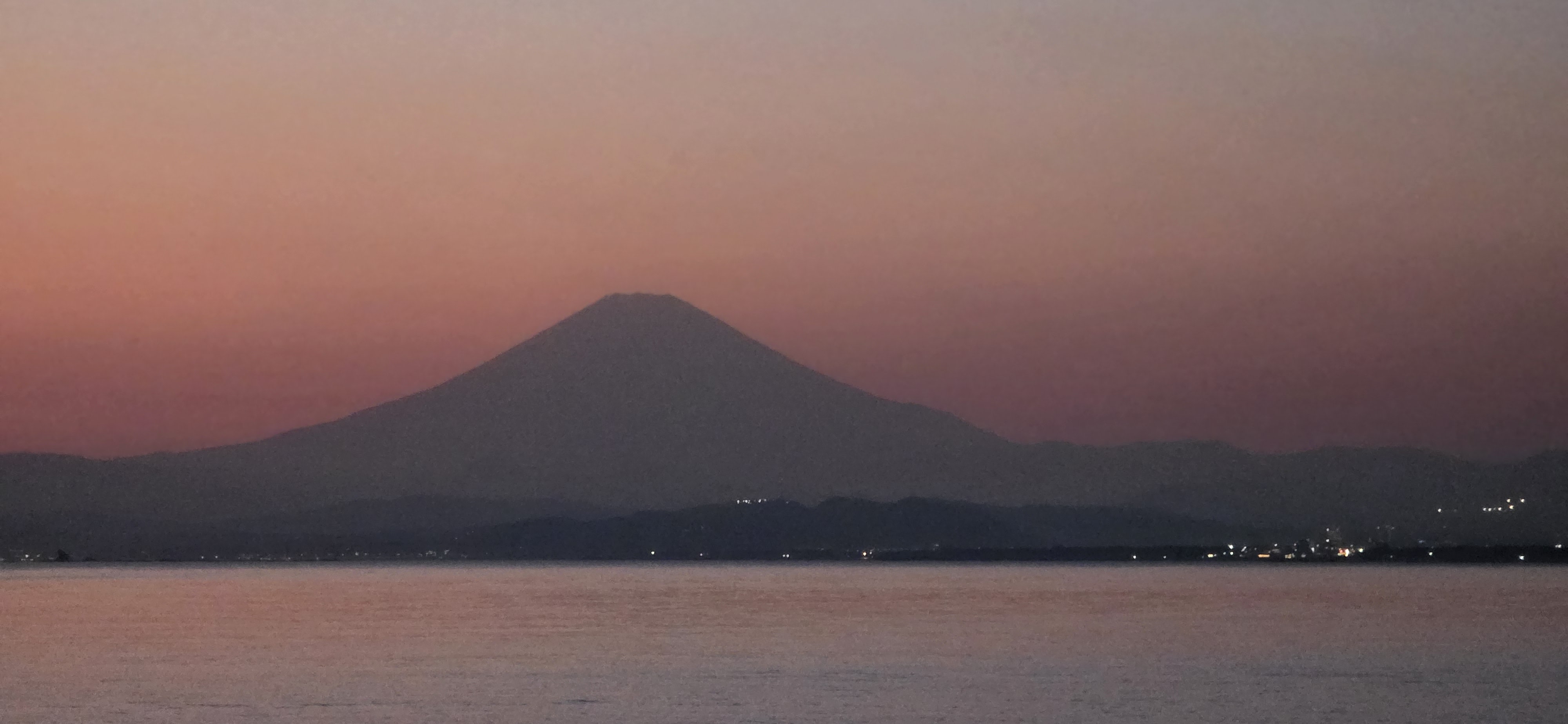
Kyoto is greyer (124 hours of sun) and sees flakes on about 16 January days, but its normal deepest snow is also 3 cm, so a white Kinkaku-ji is a lucky morning rather than a plan. Tokyo's clear air is the reward: the year's best odds of a snow-capped Mount Fuji on the horizon from Shibuya Sky or Tokyo Skytree.
The Sea of Japan side runs on completely different weather. Kanazawa gets 256 mm of rain and snow in January, with precipitation on 23 days and only 62 hours of sun. That sounds like a warning and is actually a recommendation: Kenroku-en under fresh snow, its pines strung with the yukitsuri ropes that go up from November 1, is our pick for the best winter image on the main tourist trail. The garden is open every day, 8 AM to 5 PM in winter (¥320), with free early entry from 6 AM through February.
Sapporo is proper winter: -6 to 0°C, snow on 29 of January's 31 days, and about 76 cm on the ground at the month's normal peak. The city is built for it, and so is the food. Naha holds 15 to 20°C, too cool for most swimmers but fine for walking, and Okinawa opens Japan's cherry blossom season: Naha's benchmark hikanzakura normally open on January 16 and reach full bloom around February 4. Tokyo's plums start early too, with the benchmark tree normally opening on January 22.
Daylight is the good news nobody expects: after the December solstice, the days are getting longer. Tokyo's sunset moves from 4:38 PM on January 1 to 5:07 PM on the 31st, and sunrise stays between 6:42 and 6:51, late enough that catching it needs no heroics.
The Two Januaries: New Year Week, Then the Cheap Weeks
Timing matters more in January than in any month except cherry blossom season, so here is the calendar bluntly:
December 29 to January 3 is the New Year closure, and the trains carry their heaviest loads: JR Central charges its top peak rate (¥400 more for a reserved seat) on January 2 and 3, when the country travels home, and the Nozomi runs all-reserved from December 25 to January 5. It is a fascinating window culturally and a poor one for conventional sightseeing; the New Year section below covers what stays open.
Monday, January 4 is the reset: offices reopen, the Toyosu fish market restarts on the 5th, and hotel prices drop straight to their January floor.
January 9 to 11, the Coming of Age Day weekend, is the one mid-month crush, and it is a train problem rather than a hotel one: the Nozomi goes all-reserved again, but the Saturday's hotel rates matched an ordinary January Saturday.
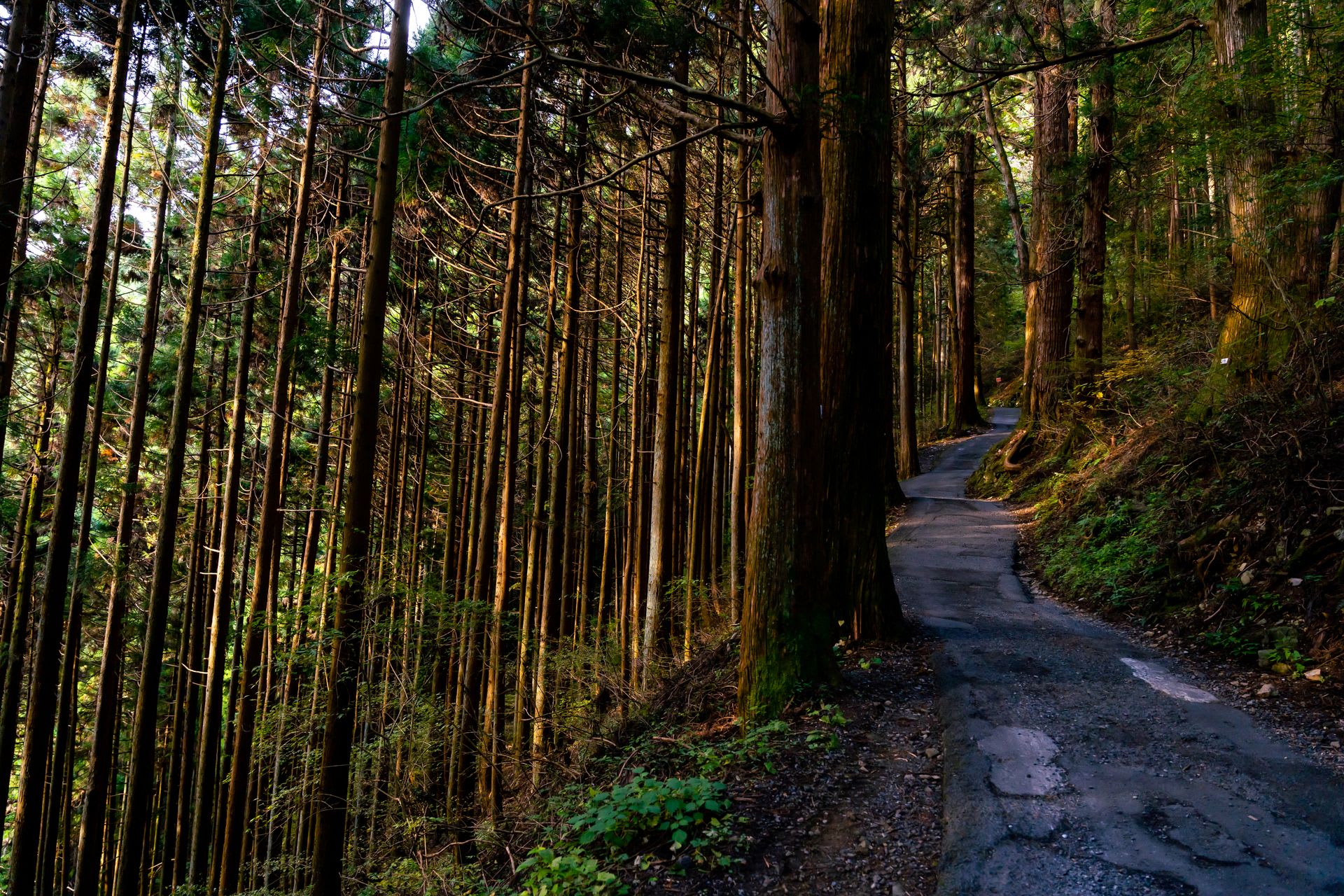
From January 12 comes the payoff: Monday-to-Thursday Tokaido Shinkansen departures from January 12 to 28 (and January 6 and 7) are off-peak, ¥200 cheaper, and hotel weeknights sit at the lowest prices we measured all year, tied only with mid-December and early February. Fushimi Inari early on a mid-January weekday is the version of the shrine that exists in photographs and almost never in person.
January Hotel Prices: New Year's Eve, Then the Floor
We priced the cheapest room for two at APA hotels on the chain's own site on September 29, 2026: four in Shinjuku, five by Kyoto Station and eight around Namba. Same chain, same rooms, so the differences come from the calendar.
| Night | Shinjuku | Kyoto Station | Namba, Osaka |
|---|---|---|---|
| Thu Dec 31 | ¥36,400– | ¥17,000– | ¥20,000– |
| Sat Jan 2 | ¥14,000– | ¥11,000– | ¥10,000– |
| Mon Jan 4 | ¥10,000– | ¥6,500– | ¥6,500– |
| Sat Jan 9 | ¥19,000– | ¥11,000– | ¥12,000– |
| Wed Jan 13 | ¥13,000– | ¥7,000– | ¥6,300– |
| Sat Jan 16 | ¥19,000– | ¥10,000– | ¥11,400– |
| Wed Jan 20 | ¥14,000– | ¥6,500– | ¥6,500– |
What jumps out:
- The expensive night is New Year's Eve, not New Year. On December 31, Shinjuku costs about three times a January weeknight. By Saturday, January 2, it is back to within about 20 percent of one, with Kyoto Station and Namba at roughly 1.5 to 1.7 times.
- From January 4 it is floor pricing. Monday, January 4 was the cheapest Shinjuku night on our list, and Kyoto Station's range matched January 20 exactly.
- Saturdays cost about one and a half times Wednesdays, all month long, and the holiday weekend's Saturday cost about the same as the next one. Against spring, a January Wednesday by Kyoto Station is about a quarter of the ¥29,500 to ¥36,800 the same hotels asked for Saturday, April 3, 2027, at cherry blossom peak.
For areas and specific hotels, see our guides to where to stay in Tokyo, Kyoto and Osaka.
If You Are in Japan for New Year (January 1 to 3)
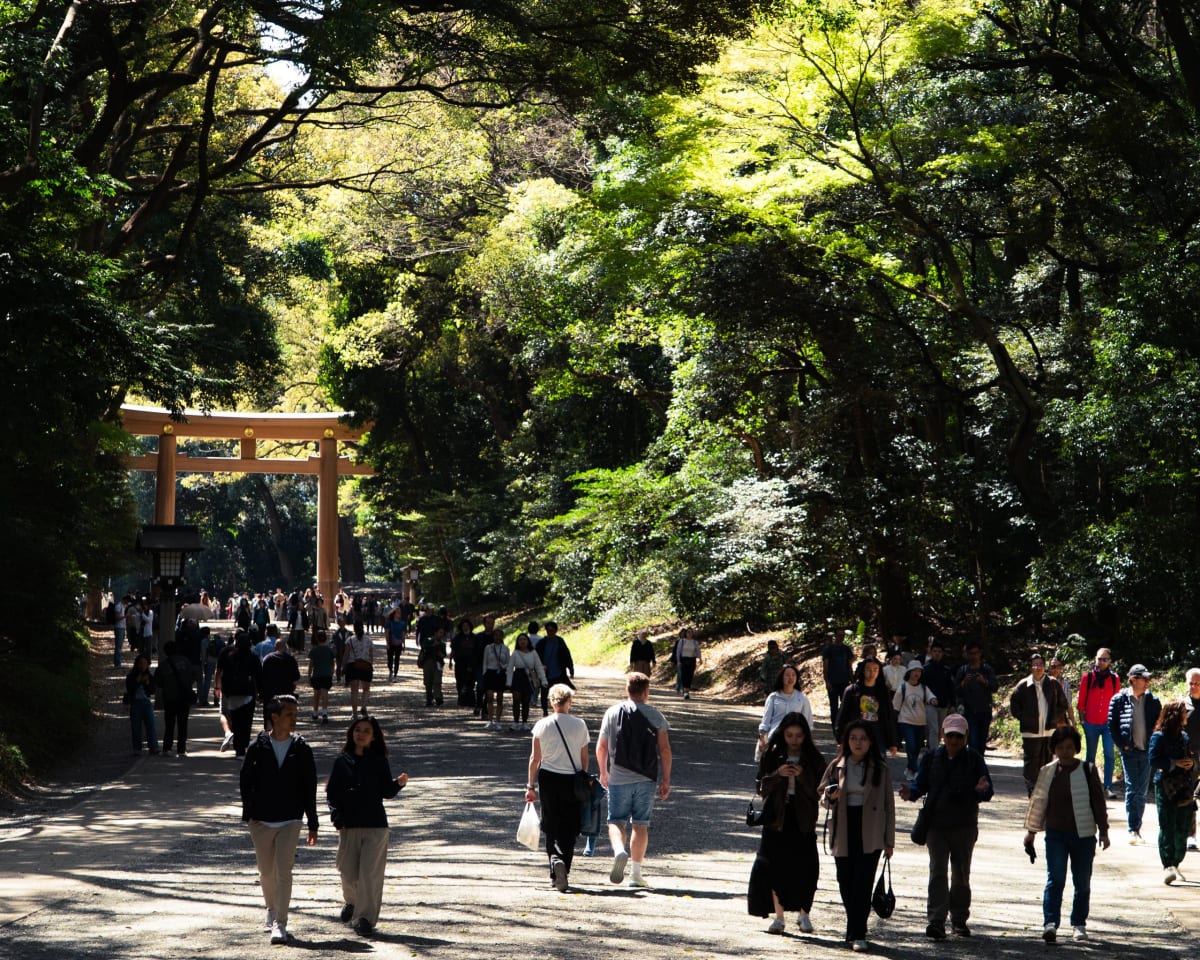
Landing over January 1 is not a mistake, it just needs different expectations. The event is hatsumode, the first shrine visit of the year. Meiji Jingu in Tokyo stays open all night from December 31 into New Year's Day, then 6:40 AM to 6 PM on January 2 and 3, and it says the crush peaks from 10 PM to 3 AM on New Year's Eve and after 10 AM on each of the first three days. So go at opening on the 2nd or 3rd, when the forest approach is cold and calm; the shrine also runs a square of snack stalls from December 31. Sensoji in Asakusa and every small neighborhood shrine run the same ritual, the small ones at a fraction of the density.
Go with the flow once and draw an omikuji. Meiji Jingu's are unusual: instead of a good-or-bad fortune, you draw one of 30 short poems written by Emperor Meiji and Empress Shoken, with an explanation.
On January 2, the Emperor, the Empress and other members of the Imperial Family greet the public from a balcony of the Imperial Palace. For 2026, the Imperial Household Agency let people in through the main gate from 9:30 AM to 2:10 PM, with bag checks, for five appearances at about 10:10, 11:00, 11:50, 1:30 and 2:20. It asks people not to queue from the evening of January 1 or before dawn on the 2nd. Entry is free, and the 2027 details go up on the agency's New Year greeting page before the day.
The New Year sales, hatsuuri, open on each store's first trading day of the year, and that is when department stores sell fukubukuro, sealed lucky bags at a fixed price. Opening days and hours change store by store, so check the store's own site in late December.
The practical catch is closures. Temples, shrines, convenience stores, hotels and trains keep running, and some big sights stay open: the Tokyo National Museum reopens on January 1, 2027 (hours not yet set), and Kenroku-en is free from December 31 to January 3. Small independent restaurants and many shops take several days off, and the Toyosu wholesale market is shut January 1 to 4, with many shops at Tsukiji outer market following its calendar. Plan shrine days for January 1 to 3 and push markets and famous restaurants to the 5th; our Japan in December guide has the full closure table.
Snow and Skiing in January: Niseko, Hakuba and Nozawa
January is the snowiest month in the Japanese Alps, and ties with December in Hokkaido. The Japan Meteorological Agency's normals give Hakuba village 216 cm of snowfall in January, against 128 cm in December and 174 cm in February. At Kutchan, the town below Niseko, January (253 cm) and December (252 cm) are level. The base keeps building into February (Kutchan's peaks at 171 cm), so January is the month of fresh snow rather than the deepest base. What the village gauges read this winter, and which resorts are fully open, is on our snow season tracker.
Niseko is the international headline act, on the slopes above Kutchan and about two hours by road from New Chitose Airport. Hakuba is the alternative from Tokyo: ten ski areas across the Hakuba Valley, a venue of the 1998 Nagano Winter Olympics. The Hokuriku Shinkansen reaches Nagano in 87 minutes on the Kagayaki (¥8,250 with a reserved seat), and Alpico's express bus takes about 70 minutes on to Hakuba Happo, so Tokyo Station to the slopes is about three hours (winter buses may need booking on Alpico's site).
Nozawa Onsen adds the thing Hakuba lacks: a real hot-spring village, with 13 communal bathhouses, the soto-yu, kept by the villagers since the Edo period and free to use (there is a donation box by the door). It is 1 hour 47 minutes from Tokyo to Iiyama on the Hakutaka, then 25 minutes on the Nozawa Onsen Liner bus (¥600). On Friday, January 15, the village holds its Dosojin Fire Festival, a nationally designated folk tradition that ends with the villagers' wooden shrine in flames. Only villagers take part, and for 2026 the organizers again gave viewing tickets only to villagers and to guests staying in the village, so a Nozawa room on January 15 is effectively the ticket. Last season's rules were posted on the village tourism site on November 19.
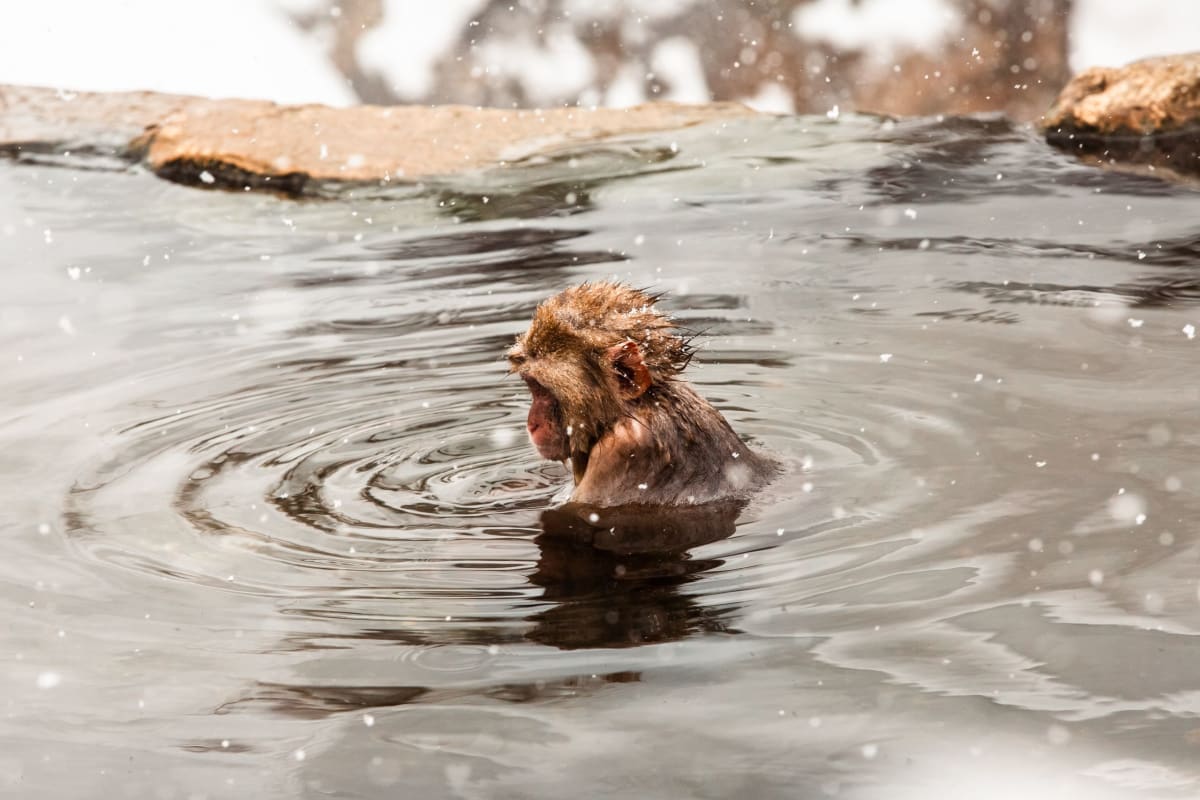
Non-skiers get January's most famous animal encounter on the same Shinkansen line: the snow monkeys of Jigokudani, who soak in their own outdoor hot spring while snow settles on their heads. From Nagano Station the express bus takes 41 minutes, then it's a 35-minute walk through the forest (wear boots with grip), and entry is ¥1,000 at the gate from December 1, 2026 (¥880 as a web ticket). It works as a long day trip from Tokyo, though an overnight in Nagano or nearby Shibu Onsen is kinder.
Onsen and the Winter Table
An outdoor onsen works in any season, but it is designed for this one: hot water, freezing air, snow on the rocks, steam rising into the dark. Kusatsu, one of Japan's three great hot springs, is the classic overnight from Tokyo: 2 hours 18 minutes from Ueno on the Kusatsu-Shima limited express (¥5,280 with a reserved seat), then a 22 to 28 minute JR bus. Its yubatake, the steaming timber channels in the middle of town, are lit after dark, and the town's communal baths are free.
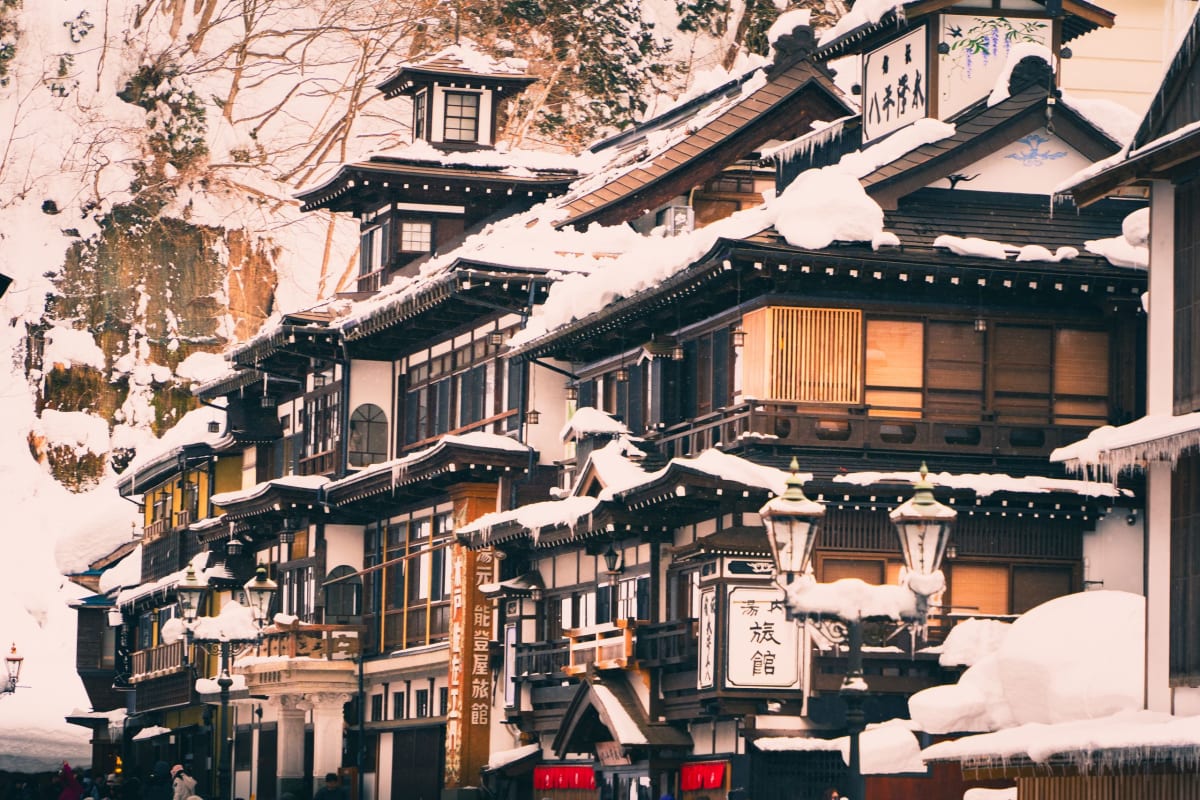
Ginzan Onsen in Yamagata is the one from the photographs: gas lamps and snow-piled wooden inns along the Ginzan River. For 2026-27, day visitors park at the Taisho Roman-kan, about 2 km away, and ride a reserved shuttle planned at ¥1,000 to ¥1,500 depending on the time slot, with very few same-day places; the latest slot runs to 6 PM, so dusk under the lamps is possible without an overnight. Booking wasn't open yet in late September; watch the town's winter page, which also asks you not to walk in, because the road has no usable sidewalk in snow. On the main route, an extra night in Kanazawa or a Hakone stopover with a rotenburo does the job without a detour, and our onsen etiquette guide covers the rules.
The winter table is the other half of the argument. Ishikawa's two winter stars are snow crab, in season since November 6, and buri, the big, fatty yellowtail caught in winter set nets along the Noto coast, and both fill the counters of Kanazawa's Omicho Market. In the cities it is nabe hotpot weather, konbini oden weather and hot sake weather, which is its own argument for staying out after the 5 PM sunset.
January 2027 Events, Date by Date
| Date | Event | Where |
|---|---|---|
| Fri Jan 1 | New Year's Day, hatsumode | Shrines everywhere |
| Sat Jan 2 | Emperor's New Year greeting | Imperial Palace, Tokyo |
| Sat–Mon Jan 9–11 | Toka Ebisu | Imamiya Ebisu, Osaka |
| Sun–Sun Jan 10–24 | January Grand Sumo Tournament | Ryogoku Kokugikan, Tokyo |
| Mon Jan 11 | Coming of Age Day | Nationwide |
| Jan 11, 17, 24, 31 | Shirakawa-go light-up (booking only) | Shirakawa-go, Gifu |
| Fri Jan 15 | Dosojin Fire Festival | Nozawa Onsen, Nagano |
| Sat Jan 23 | Wakakusa Yamayaki | Nara |
| From Sat Jan 23 | Sounkyo Ice Fall Festival (to Mar 7) | Hokkaido |
| From Fri Jan 29 | Kobe Luminarie (to Feb 7) | Kobe |
| From Sat Jan 30 | Lake Shikotsu Ice Festival (to Feb 23) | Hokkaido |
The January Grand Sumo Tournament runs for 15 days at Ryogoku Kokugikan in Tokyo's Ryogoku, Sunday, January 10 to Sunday, January 24, 2027. Tickets go on sale on Saturday, December 5, and prices rise from this tournament: in the Japan Sumo Association's new list, the cheapest reserved chair seats cost ¥3,000 (D), or ¥5,000 to ¥7,000 (C) depending on the day. The bouts climb the ranks through the day, so an afternoon seat catches the arena filling as the top division arrives. Our pick for the best-value afternoon of spectacle in Japanese sport.
Coming of Age Day, the second Monday of January (January 11 in 2027), is a national holiday for young people who have come of age, and cities hold ceremonies for them. Yokohama's is on the holiday itself: it invites more than 35,000 residents turning 20 to Yokohama Arena, in several sessions from 10:30 AM. Around the venues and the big shrines you will see new adults in furisode kimono and hakama, friends calling to each other across the plaza. It is a genuinely joyful public spectacle; watch from a respectful distance and let the photo requests come from them.
Toka Ebisu, January 9 to 11 at Imamiya Ebisu Shrine in Osaka, is three days of people praying for good business and buying lucky bamboo branches, fukuzasa, handed out by the shrine's fuku-musume, its "fortune maidens", to the chant of "shobai hanjo ja, sasa motte koi" (business is booming, bring the bamboo). The shrine posts the 2027 details around November 1. In Nara, the Wakakusa Yamayaki is held on the fourth Saturday of January, so January 23, 2027: about 600 fireworks from 6:15 PM, then at 6:30 around 300 members of the city's fire brigade set the whole grass slope of Mount Wakakusa alight. Since the 2026 event, the area inside the gate at the foot of the mountain and the roof of the Nara Park bus terminal are paid viewing areas.
The winter lights have not gone anywhere. Marunouchi's champagne-gold trees stay lit until February 14, Ashikaga Flower Fantasy switches to its New Year display from January 1 (to February 14), and Nabana no Sato near Nagoya stays open all winter except January 6 and 7. Shirakawa-go's four light-up evenings need an advance reservation, with no tickets on the day, and Kobe Luminarie now runs in late January rather than December. The winter festivals tracker follows all of them, plus Zao's snow monsters, whose 2026-27 light-up calendar isn't out yet (last season it ran December 27 to February 22).
What to Pack for Japan in January
- A real winter coat, but thin layers under it. Trains, shops and restaurants are heated hard, so the daily cycle is freezing street, tropical train, freezing street. Layers win.
- Thermals, bought on arrival if you like. Uniqlo's Heattech in the Extra Warm weight is the easy fix if you underpacked.
- Kairo, the disposable heat packs sold at every konbini and drugstore. One in each pocket changes a temple morning.
- Waterproof shoes with grip if Kanazawa, Nagano or Hokkaido are on the route, and for the Jigokudani path. Tokyo and Kyoto rarely need anything special.
- Touchscreen gloves and a hat. The wind at shrine gates and observation decks does the real damage.
- Lip balm and moisturizer. Tokyo's January humidity averages 51 percent, the lowest of the year, and you will feel it by day three.
January vs December vs February
Pick December if atmosphere beats economy. The illuminations are all lit, early December still catches the tail of the autumn color in Tokyo, Kamakura and Kyoto, and until Christmas hotels cost what they cost in January. The trade: New Year's Eve is the priciest night of the winter, and the year-end closures eat your final days. The full case is in Japan in December.
Pick February if you want the spectacles. The Sapporo Snow Festival runs February 4 to 11, 2027, with Otaru's Snow Light Path and the Asahikawa Winter Festival overlapping it, Kyoto's plums normally open around February 22, and the ski base is at its deepest. Weeknights stay cheap: early-February Wednesdays cost the same as mid-January at the APA hotels we checked, Lunar New Year week (it starts February 6 in 2027) included. See Japan in February.
Pick January if value, clear skies and fresh snow are the point: floor-price weeknights from January 4, Tokyo's sunniest month, and the heaviest snowfall of the season in the Alps. The trades are that it is Tokyo's coldest month and not a quiet one, and that you have to route around (or lean into) the first three days. For the year-round comparison, the Best Time to Visit Japan guide breaks down all twelve months.
A 10-Day January Route
Winter changes the shape of the classic route: less time outdoors at any one stop, more onsen, more food, and the Sea of Japan side promoted from detour to highlight. Our 10-Day Winter Japan itinerary (Tokyo, Kanazawa, Kyoto, Osaka) is built for exactly this trip. The January adjustments:
- Traveling over New Year: put Tokyo across January 1 to 3, when shrines, sales and observation decks are the whole show anyway, and hold markets and small restaurants for the 5th onward. Reserved seats go on sale at 10 AM one month before departure, so book any Shinkansen leg between January 1 and 5 the morning it opens; our Shinkansen booking guide walks through it.
- Traveling mid month: you have hit the sweet spot. Avoid changing cities on January 9 to 11 if you can, add a sumo afternoon to the Tokyo leg, and expect Kanazawa under snow on most days, with crab on the counters and Kyoto rooms at a quarter of their spring price.
- Want more snow in the itinerary? The route already rides the Hokuriku Shinkansen through Nagano on the way to Kanazawa. Break the journey there for a night: snow monkeys as a half day, or two nights in Hakuba if the powder is the point.
Open the template in the trip planner, set your dates, and shuffle the stops around whichever January you are getting: the crowded, festive one, or the cheap, clear one.
Frequently Asked Questions
Is January a good time to visit Japan?
Yes, from January 4 onward. Tokyo averages 1 to 10°C in its sunniest, clearest month, the Alps get their heaviest snowfall, and hotel weeknights fall to the lowest prices we measured all year (tied with mid-December and early February): ¥6,500 to ¥8,500 for two at APA hotels by Kyoto Station in mid January, about a quarter of a cherry blossom Saturday. January 1 to 3 is the New Year, when many small restaurants and shops close and trains are at their peak. It is not empty either: 3.60 million foreign visitors arrived in January 2026.
What is the weather like in Japan in January?
Tokyo averages 1 to 10°C with about 60 mm of rain on four or five days, 193 hours of sun (its sunniest month) and snow on about three days that rarely settles. Kyoto is 2 to 9°C and greyer, with flurries on about 16 days but a normal deepest snow of 3 cm. Kanazawa gets 256 mm of rain and snow, Sapporo sits at -6 to 0°C with snow on 29 days, and Naha holds 15 to 20°C, with its cherry trees normally opening around January 16.
What is open in Japan over New Year?
Shrines and temples (at their busiest), convenience stores, hotels and trains keep running. Government offices close from December 29 to January 3, and many small restaurants and shops close for several days. Some big sights stay open: the Tokyo National Museum reopens on January 1, 2027, and Kenroku-en in Kanazawa is free from December 31 to January 3, while Toyosu fish market is shut from January 1 to 4. The Nozomi is all-reserved until January 5, and January 2 and 3 are JR Central's peak-fare days.
How much are hotels in Japan in January?
Cheap from January 4. On APA's own site, a room for two by Kyoto Station cost ¥6,500 to ¥8,500 on January weeknights, Namba in Osaka ¥6,300 to ¥10,000 and Shinjuku ¥10,000 to ¥17,000. Saturdays cost about one and a half times that, the Coming of Age Day weekend included. The expensive night is New Year's Eve, at ¥36,400 to ¥50,120 in Shinjuku; by January 2, prices were only 20 to 70 percent above a January weeknight.
Where is the best skiing in Japan in January?
January brings the most fresh snow of the season: Hakuba village averages 216 cm of snowfall in January, and Kutchan, below Niseko, about 250 cm, level with December. Niseko is about two hours by road from New Chitose Airport. Hakuba, with ten ski areas, is about three hours from Tokyo by Shinkansen to Nagano and a 70-minute bus. Nozawa Onsen adds 13 free village bathhouses and its fire festival on January 15, which in 2026 only village residents and overnight guests could watch.
What events are on in Japan in January 2027?
The Emperor's New Year greeting at the Imperial Palace on January 2, Toka Ebisu in Osaka on January 9 to 11, the Grand Sumo Tournament in Tokyo from January 10 to 24 (tickets from December 5), Coming of Age Day on January 11, the Nozawa Fire Festival on January 15 and Nara's Wakakusa Yamayaki on January 23. Shirakawa-go's reservation-only light-ups fall on January 11, 17, 24 and 31, Hokkaido's Sounkyo and Lake Shikotsu ice festivals open on January 23 and 30, and Kobe Luminarie starts January 29.
10-Day Winter Japan
A December to February route: Tokyo's illuminations and clear-sky Fuji views, Kenroku-en's snow-roped pines and crab season in Kanazawa, quieter Kyoto temples, and a last night of Osaka street food.