Onsen Etiquette: A First-Timer's Guide (2026)
Wash before you soak, keep your towel out of the water, and yes, everyone is naked. The rules, the tattoo question, and how to relax about it.
Onsen etiquette comes down to three rules: wash yourself thoroughly before entering the bath, never let your small towel touch the water, and be naked (swimsuits aren't modest in an onsen, they're unhygienic). Follow those three and nobody will give you a second glance, even if you fumble everything else. The rest of this guide is the full walkthrough, the tattoo question answered honestly, and the reassurance most first-timers actually need: nobody is looking at you.
Why Bother? Because It's the Best Thing You'll Do in Japan
An onsen is a geothermal hot spring bath, and Japan has thousands of them: steaming outdoor pools in the snow, centuries-old bathhouses, hotel rooftop baths overlooking the sea. Bathing is the closest thing Japan has to a national religion, and a soak in a rotenburo (outdoor bath) at dusk, skin prickling in the cold air, is routinely the moment travellers name as their trip's best. Skipping onsen because the rules seem intimidating is like skipping sushi because chopsticks are hard.

The Walkthrough, Start to Finish
- Pay and enter. At a bathhouse, pay at the front desk or a machine (¥500–1,500 for day-use onsen; Tokyo's neighborhood sento are capped at ¥600 for adults as of August 2026). At a ryokan, the baths are included. Curtains mark the entrances: red for women (女), blue for men (男). They occasionally swap sides by time of day, so check the kanji, not just yesterday's memory.
- Undress completely in the changing room. Everything goes in the basket or locker, including underwear. You take only the small towel (provided or rented for a few hundred yen) into the bathing area. The big towel stays with your clothes.
- Wash at the seated shower stations. Sit on the stool, soap and shampoo everything, and rinse completely. This is the step Japanese bathers actually judge: the bath is for soaking, not cleaning, and everyone in it is trusting that everyone else arrived clean. Rinse away all suds and rinse the stool for the next person.
- Ease in slowly. Onsen water runs 38–43°C. Ladle some over yourself first (kakeyu) to acclimatise, then enter gradually. Soak for 10–15 minutes, not 40: overheating sneaks up on you, especially after a beer or a long flight.
- Keep the small towel out of the water. Rest it on your head like the locals, or leave it on the edge. It's for modesty while walking around and for drying off between baths, never for the water itself.
- Don't swim, don't splash, keep your voice low. An onsen is a place for quiet cooking of your own bones. Long hair gets tied up out of the water. Phones stay in the locker, always: changing rooms and baths are strict no-camera zones.
- Pat down before the changing room. Use the small towel to wipe off the worst of the water so you don't drip on the mats. Most onsen ask you not to shower off the mineral water afterwards; it keeps working on your skin.
- Drink water, then find the milk fridge. Cold bottled milk after a bath is a post-war tradition every bathhouse honors. Coffee milk (the brown one) is the connoisseur's choice.
The Tattoo Question, Honestly
The old blanket ban is genuinely loosening, but it hasn't disappeared. In 2026 facilities fall into three groups: tattoo-friendly (all guests welcome, ink visible), cover-required (fine if concealed with a skin-tone sticker), and strict no-tattoo, with tourist-heavy areas shifting fastest since the tourism agency began nudging operators toward acceptance in 2024.
Your practical options, in order of reliability:
- Book a private bath. A kashikiri-buro (reservable family bath) at a ryokan runs ¥1,000–3,000 for 45–60 minutes, and is often free for staying guests; rooms with their own open-air bath remove the question entirely. No policy applies to a bath with a lock on the door.
- Pick a tattoo-friendly town. Kinosaki Onsen is the famous example: all seven of its public bathhouses accept tattoos of any size, no stickers required. Beppu and Hakone both have a healthy list of accepting facilities.
- Cover small ink. Skin-tone cover stickers are sold at Don Quijote stores and online. They work for palm-sized tattoos, not for a sleeve. Buy them before you reach the onsen town; ryokan rarely stock them.
- Ask. "Tattoo, daijoubu desu ka?" with a gesture at the ink gets you a clear yes or no at the front desk, and asking first is always better than being asked to leave mid-soak.
The Fears Nobody Admits to Having
"Everyone will look at me." They won't. Communal bathing has been ordinary here for centuries, and the etiquette of the bath includes an unwritten rule of polite non-observation. The self-consciousness fades in about ninety seconds, which is roughly the time it takes the hot water to make you stop caring.
"I'll get the ritual wrong." The bar for foreigners is low and kind. Wash first, towel out of the water: do those and any other stumble earns you, at worst, a gentle miming of the correct move from an elderly regular who has appointed themselves your coach.
"I can't sit in silence with strangers." You can. It's the point. Bring nothing, expect nothing, and discover that 40 minutes passes anyway.
Practical notes while we're here: onsen are usually fine for children (they bathe with either parent regardless of gender until around school age); skip the bath entirely if you've been drinking heavily; pregnant travellers should check with the facility, though modern Japanese guidance no longer forbids it; and if you wear glasses, leave them at the shower station edge, since they fog instantly anyway.
Where to Try It on a First Trip
- The classic: a ryokan night in Hakone. Dinner, yukata, and the baths an elevator ride away. This is the version worth building an itinerary around, and it's the onsen night both our 2-week route and winter itinerary include. Expect ¥30,000–60,000 per person with kaiseki dinner and breakfast, and treat it as one splurge night, not a nightly standard.
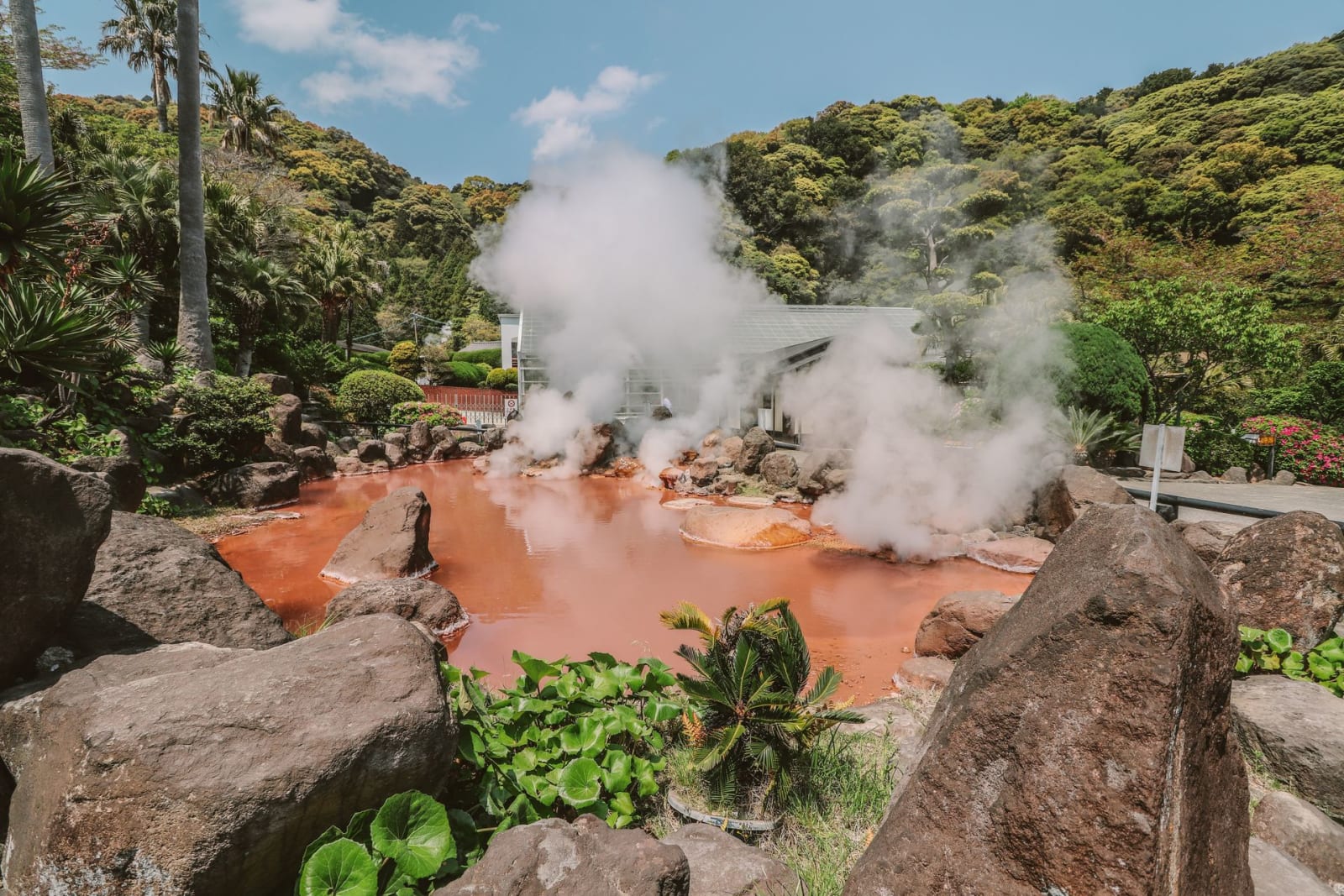
- The volume play: Beppu. More hot-spring output than anywhere else in Japan, with sand baths, mud baths, and steam baths beyond the regular soak. It anchors day 6 of our Kyushu route.
- The zero-effort version: your hotel. Business hotel chains like Dormy Inn put a proper public bath (often a rooftop rotenburo) in nearly every property. If a ryokan night doesn't fit the budget, this is onsen culture for the price of a room you were booking anyway.
- The local version: a Tokyo sento. Neighborhood bathhouses charge ¥600, tolerate beginners kindly, and show you the everyday ritual rather than the resort one.
However you try it, try it early in the trip. Every traveller who breaks the seal on night two spends the rest of the trip planning around the next bath.
Frequently Asked Questions
Can you wear a swimsuit in an onsen?
No. Onsen are entered naked; swimsuits are considered unhygienic because they carry detergent and outside bacteria into shared water. The small towel provides modesty while walking around. If full nudity is a dealbreaker, book a private kashikiri bath (1,000 to 3,000 yen for about an hour) or a room with its own bath.
Can you go to an onsen with tattoos in Japan?
Increasingly yes, but check first. Facilities split into tattoo-friendly, cover-required, and strict no-tattoo groups. Kinosaki Onsen's seven public baths accept all tattoos, Beppu and Hakone have many accepting options, small ink can be hidden with cover stickers from Don Quijote, and a private bath removes the question entirely.
What are the main rules of onsen etiquette?
Three matter most: wash and rinse thoroughly at the shower stations before entering, keep the small towel out of the bath water, and bathe naked. Beyond that, keep your voice low, tie up long hair, don't swim, and leave your phone in the locker since baths are no-camera zones.
How much does an onsen cost in Japan?
Day-use onsen typically charge 500 to 1,500 yen, and Tokyo's neighborhood sento are capped at 600 yen for adults as of August 2026. Ryokan guests bathe free, private family baths run 1,000 to 3,000 yen per session, and a full ryokan night with kaiseki dinner and breakfast costs 30,000 to 60,000 yen per person.
How long should you stay in an onsen?
Soak for 10 to 15 minutes at a time, then rest or cool off before going back in. Onsen water runs 38 to 43 degrees Celsius and overheating builds quietly, especially after alcohol or a long flight. Locals do several short soaks rather than one long one, and drink water afterwards.
Are onsen separated by gender?
Almost always. Entrances are marked with a red curtain and 女 for women, blue and 男 for men, and the sides sometimes swap by time of day, so check the kanji each visit. Mixed bathing (konyoku) survives only at a handful of rural onsen, usually with modesty wraps provided. Young children may bathe with either parent.
10-Day Winter Japan
A December to February route: Tokyo's illuminations and clear-sky Fuji views, Kenroku-en's snow-roped pines and crab season in Kanazawa, quieter Kyoto temples, and a last night of Osaka street food.