Japan Winter Itinerary: 10 Days of Snow, Crab and Light-Ups
A December to February route: Tokyo's illuminations and clear-sky Fuji views, Kenroku-en's snow-roped pines and crab season in Kanazawa, quieter Kyoto temples, and a last night of Osaka street food.
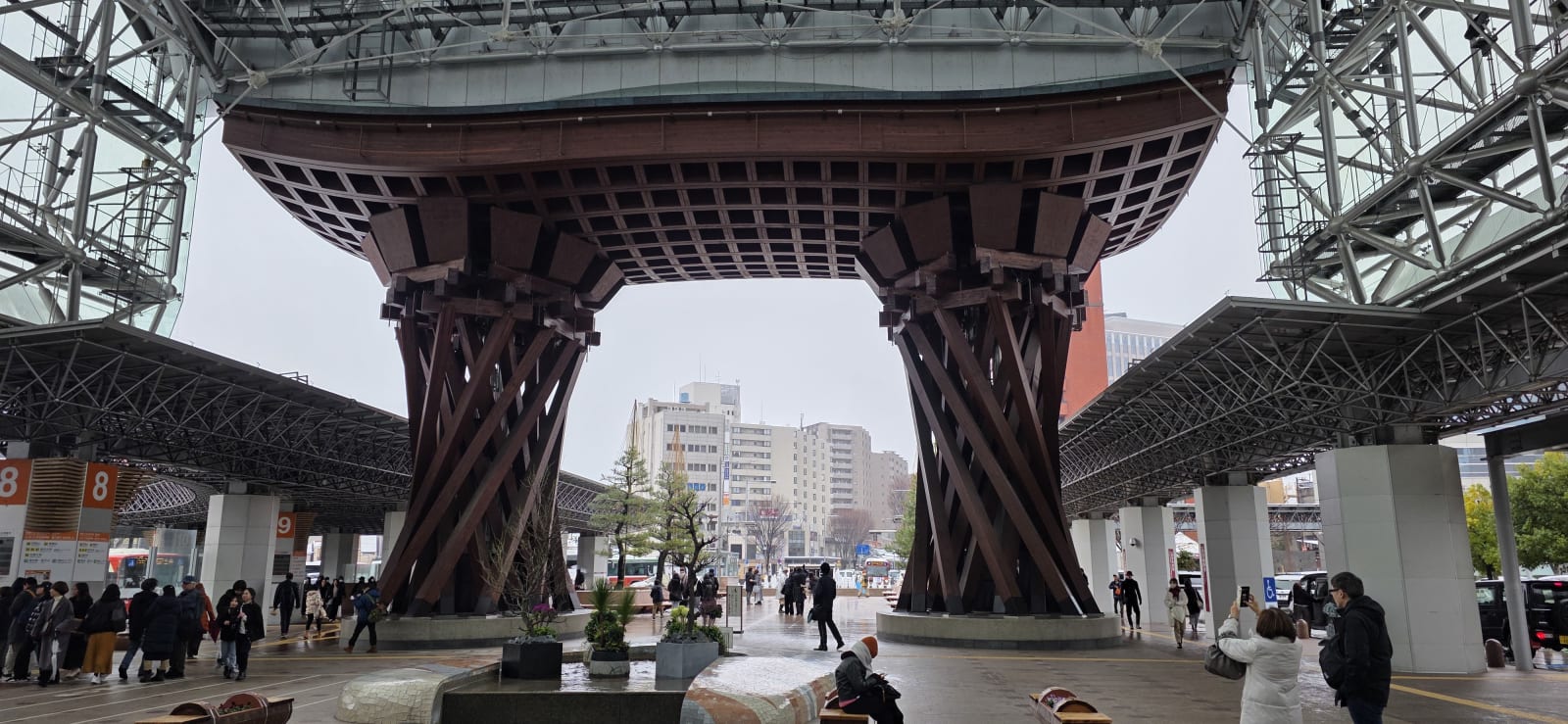
This 10-day winter route runs Tokyo, Kanazawa, Kyoto, and Osaka. It starts with Tokyo's illuminations and the dry, clear air that puts Mt Fuji on the horizon, then crosses to Kanazawa, where Kenroku-en's pines are strung with yukitsuri snow ropes and Omicho Market sells the season's crab, and ends with three nights of Kyoto temples and one last night of Osaka street food.
On the Tokyo side, December to February has the clearest skies of the year. Outside the New Year week, hotels cost less than in spring or autumn and the big Kyoto sights are quieter. Open it in the free trip planner to set your dates and adjust the pace.
Day-by-Day Itinerary
Trip Overview
10/10 days plannedDay 1
Monday • November 2, 2026
🍽️Meals & Dining(1)
Dinner in Omoide Yokocho
About 80 tiny shops, most of them yakitori and grilled-offal counters, packed into a few lanes by Shinjuku Station's west exit. Seats are few, and the grill smoke keeps the lanes warm on a cold night
🎯Activities(2)
🌅Morning
Arrive at Narita/Haneda, get Suica card
Suica pays for city trains, buses, and convenience-store snacks with one tap
☀️Afternoon
Check in, first walk around Shinjuku
Keep it light after the flight. Sunset is around 4:30 PM in December, so the neon starts early
On Japan's famous lists nearby
Day 2
Tuesday • November 3, 2026
🍽️Meals & Dining(1)
Ramen or nabe dinner in Shibuya
A hot bowl after the open-air rooftop. The streets around Shibuya Station have ramen counters and nabe (hot pot) restaurants in every direction
🎯Activities(3)
🌅Morning
Senso-ji Temple
The main hall opens at 6:30 AM from October to March, and the grounds are quiet before 9. Nakamise's stalls open later in the morning, so finish with hot age-manju or amazake on the way out
☀️Afternoon
Akihabara Electric Town
Anime figures, model kits, trading cards, and electronics, two stops from Asakusa on the Tsukuba Express. Mostly indoors, which matters in January
🌆Evening
Shibuya Sky at sunset
Web tickets go on sale two weeks ahead and sunset slots go first; entry from 3 PM costs ¥3,400. Bags and hats, knit caps included, go in lockers on the 46th floor, so wear a coat with pockets. On clear winter days Mt Fuji stands on the horizon, which summer haze rarely allows. The roof closes in strong wind, rain, or snow
On Japan's famous lists nearby
Day 3
Wednesday • November 4, 2026
5 activities
Day 4
Thursday • November 5, 2026
3 activities
Day 5
Friday • November 6, 2026
5 activities
Day 6
Saturday • November 7, 2026
3 activities
Day 7
Sunday • November 8, 2026
5 activities
Day 8
Monday • November 9, 2026
4 activities
Day 9
Tuesday • November 10, 2026
5 activities
Day 10
Wednesday • November 11, 2026
1 activity
Use This Itinerary
Open this itinerary in our free trip planner to change dates, add activities, find hotels, and make it yours. No account needed.
Frequently Asked Questions
Is winter a good time to visit Japan?
Yes, if you dress for it. December to February has the clearest skies of the year on the Tokyo side, so Mt Fuji shows from Tokyo observation decks far more often than in summer. Outside the New Year holidays, Fushimi Inari and Kinkaku-ji are quieter than in spring or autumn, and hotel prices drop. The trade-off is cold: daytime highs around 10°C in Tokyo and Kyoto in January, close to freezing on Kyoto nights, and snow or sleet in Kanazawa.
What should I pack for Japan in winter?
Layers beat one huge coat, because trains, shops, and restaurants are heated hard. A warm jacket, gloves, and a hat cover Tokyo and Kyoto; add waterproof shoes with decent grip for Kanazawa's snow and slush. Disposable kairo hand warmers are sold at every convenience store, and Uniqlo Heattech is easy to find if you underpacked.
Do the trains still run when it snows?
Almost always. The Hokuriku Shinkansen was built for snow country, with sprinklers that keep the tracks clear, and it runs through weather that would stop trains elsewhere. Heavy snow or strong wind can slow local lines around Kanazawa and, on some days, the Thunderbird between Tsuruga and Kyoto, so leave buffer time on travel days rather than booking tight connections.
When do the winter illuminations run?
In Tokyo, from mid November into February: the Marunouchi Illumination runs November 12, 2026 to February 14, 2027, so the Tokyo evening on this trip works at any point in winter. Osaka's Midosuji Illumination is shorter, November 3 to December 31 in 2026, so January and February trips skip it. Kenroku-en in Kanazawa has opened free on a few winter evenings with the snow-roped pines lit, but those dates are announced each season, so check before you go.
More Japan Itineraries
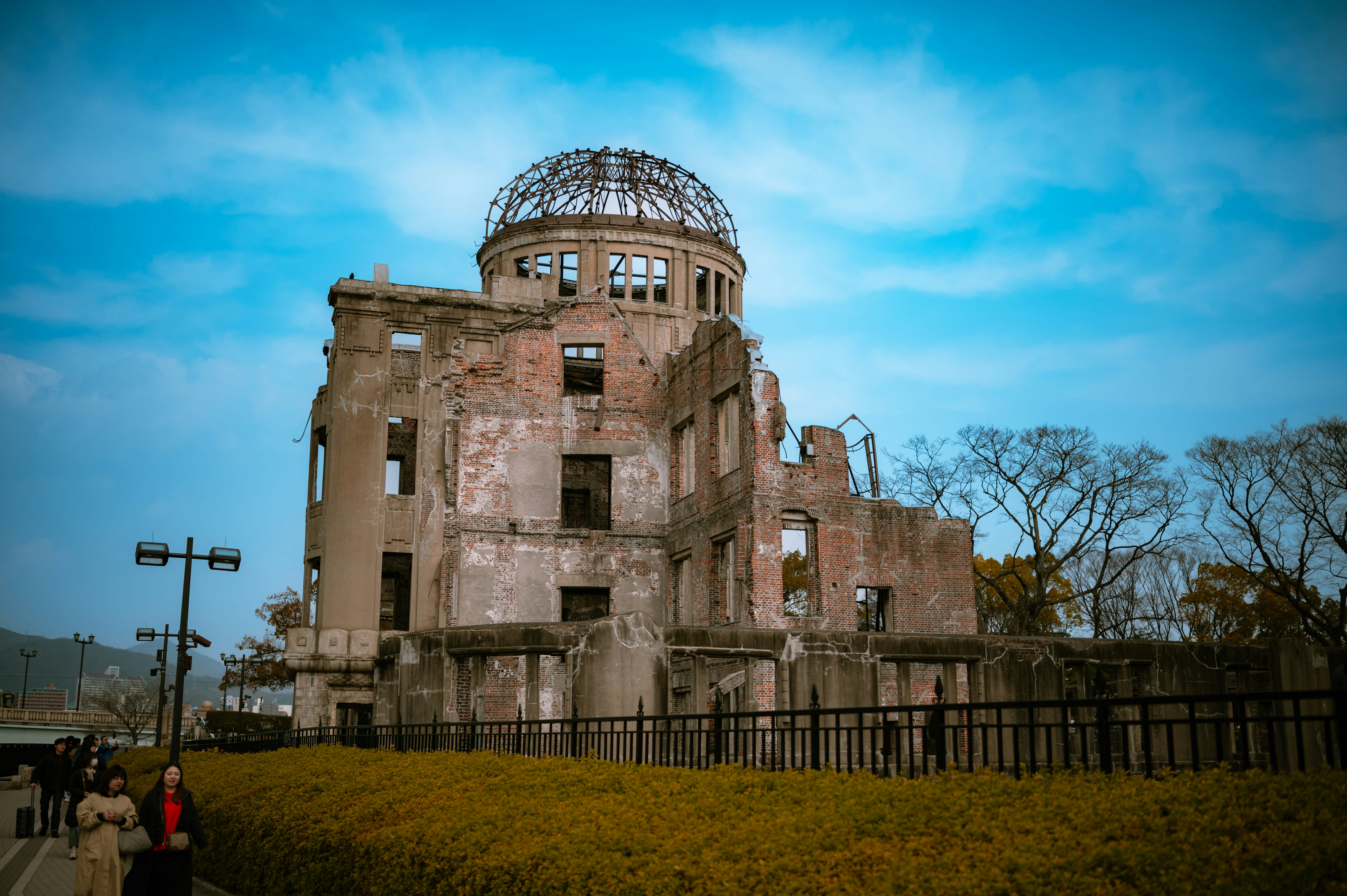
2 Week Japan Itinerary: Tokyo, Kyoto, Osaka and Hiroshima
14 days · Tokyo, Hakone, Kyoto, Nara, Osaka, Hiroshima
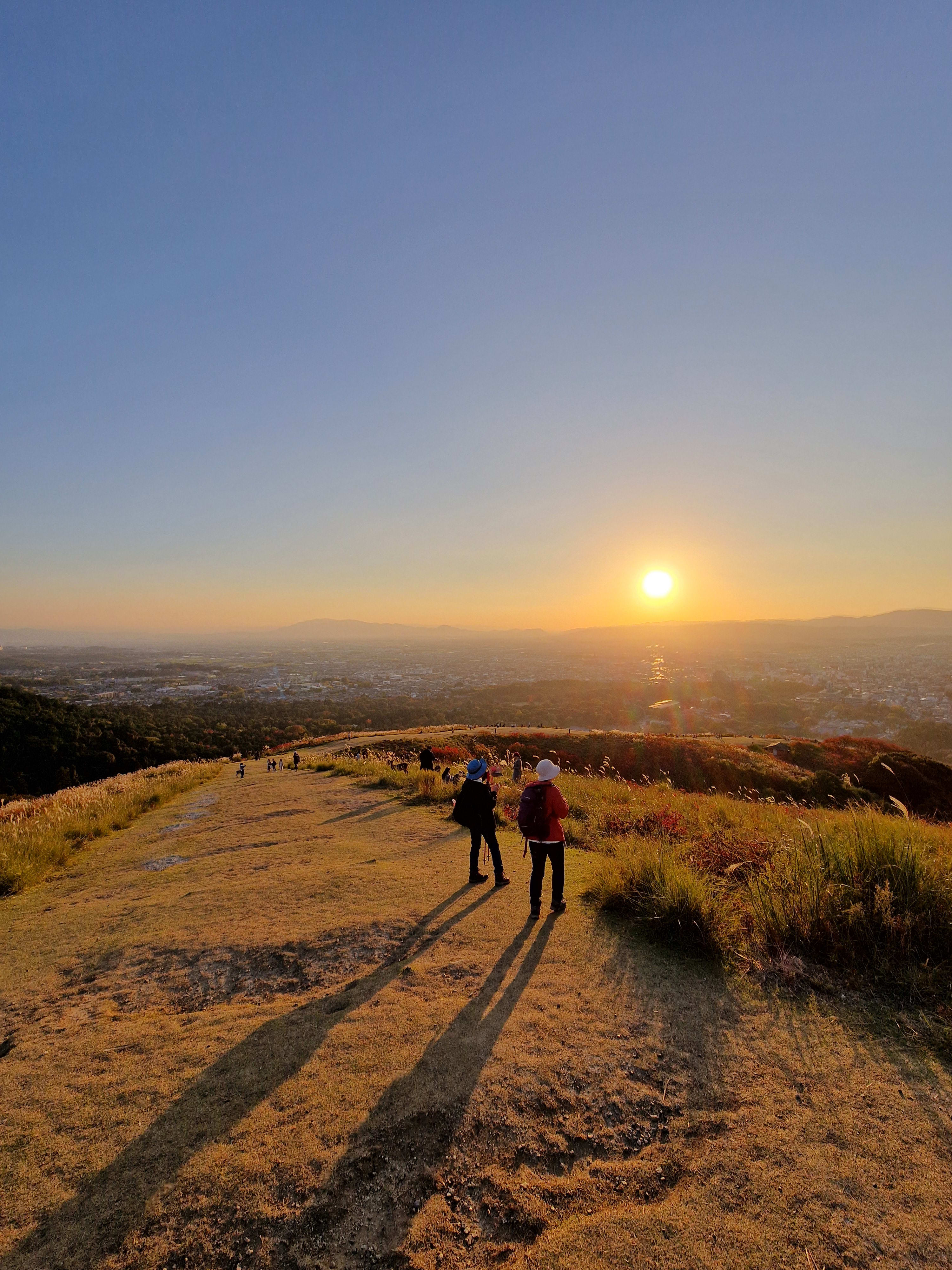
7 Day Japan Itinerary: Tokyo and Kyoto for First Timers
7 days · Tokyo, Kyoto, Nara
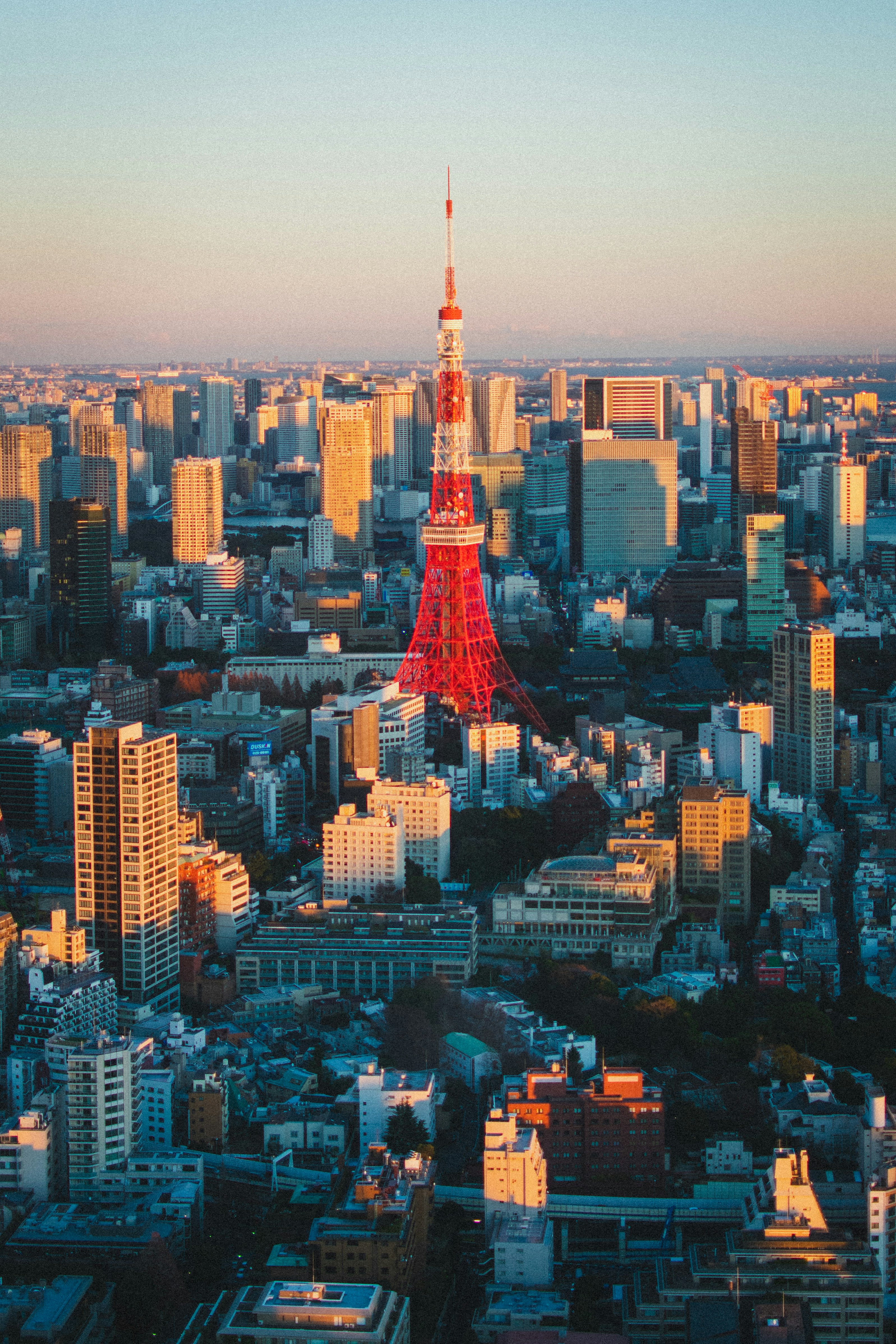
3 Day Tokyo Itinerary: Shibuya, Asakusa and Shinjuku
3 days · Tokyo
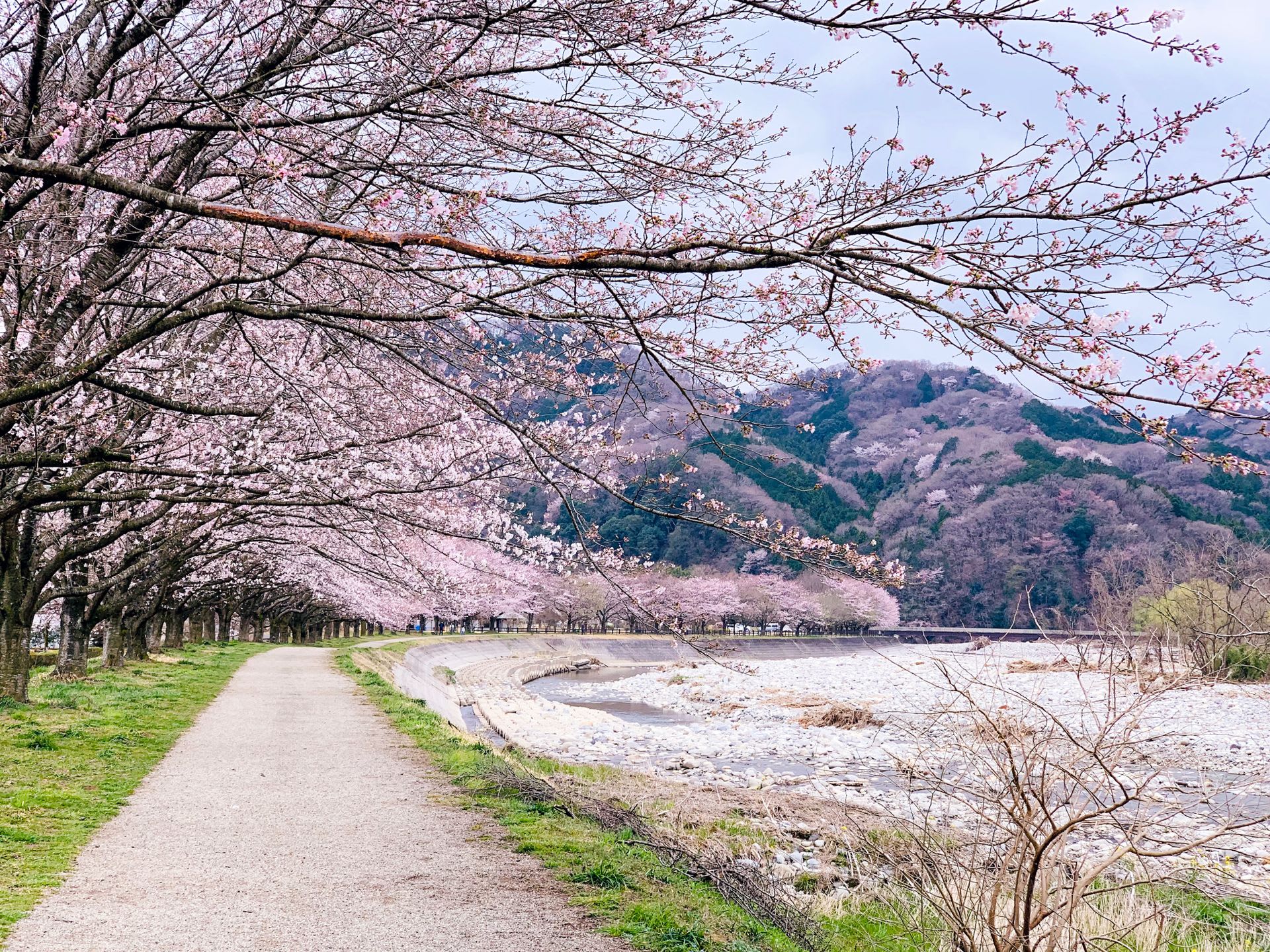
Japan Cherry Blossom Itinerary: 10 Days of Sakura
10 days · Tokyo, Kyoto, Osaka, Kawaguchiko
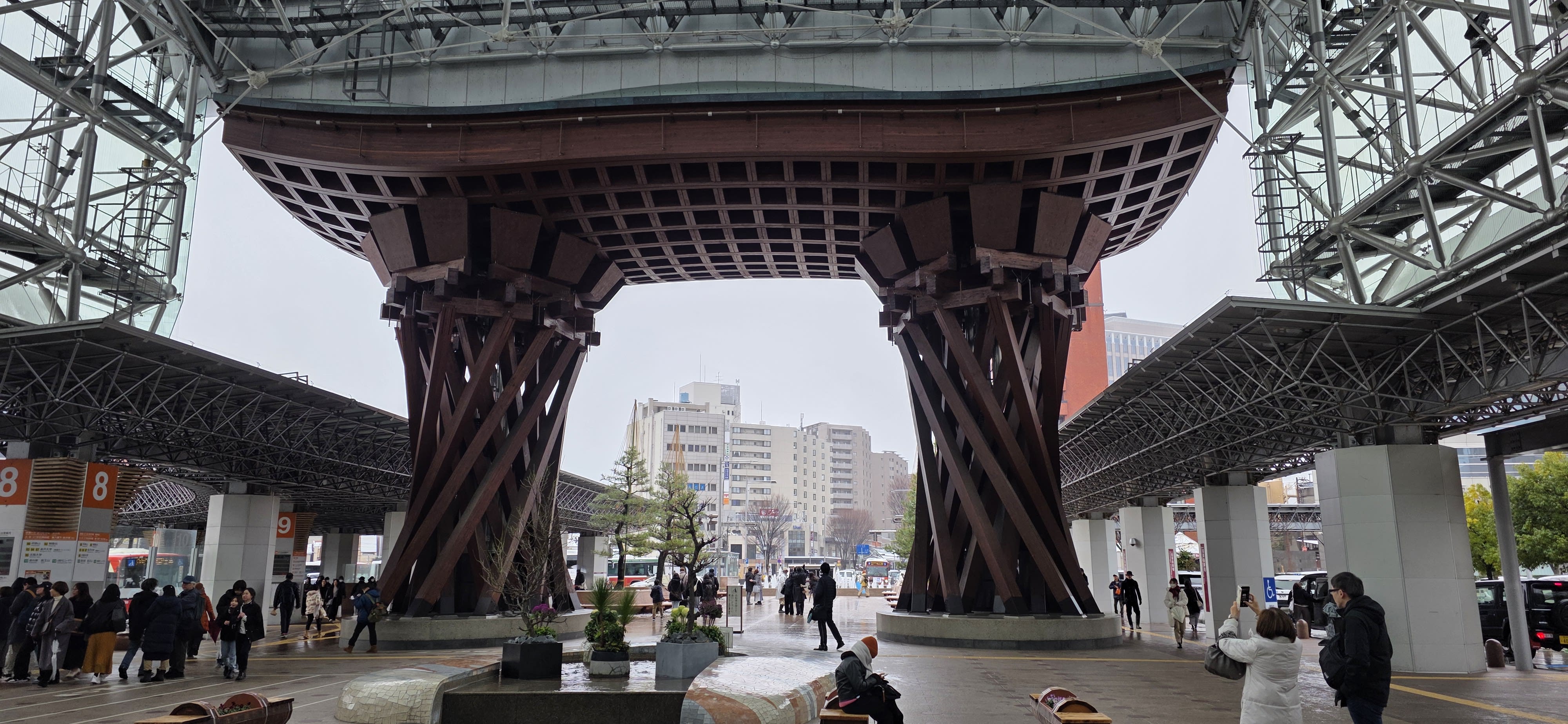
Japan on a Budget: 2 Week Backpacker Itinerary
14 days · Tokyo, Hakone, Kyoto, Osaka, Hiroshima, Kanazawa
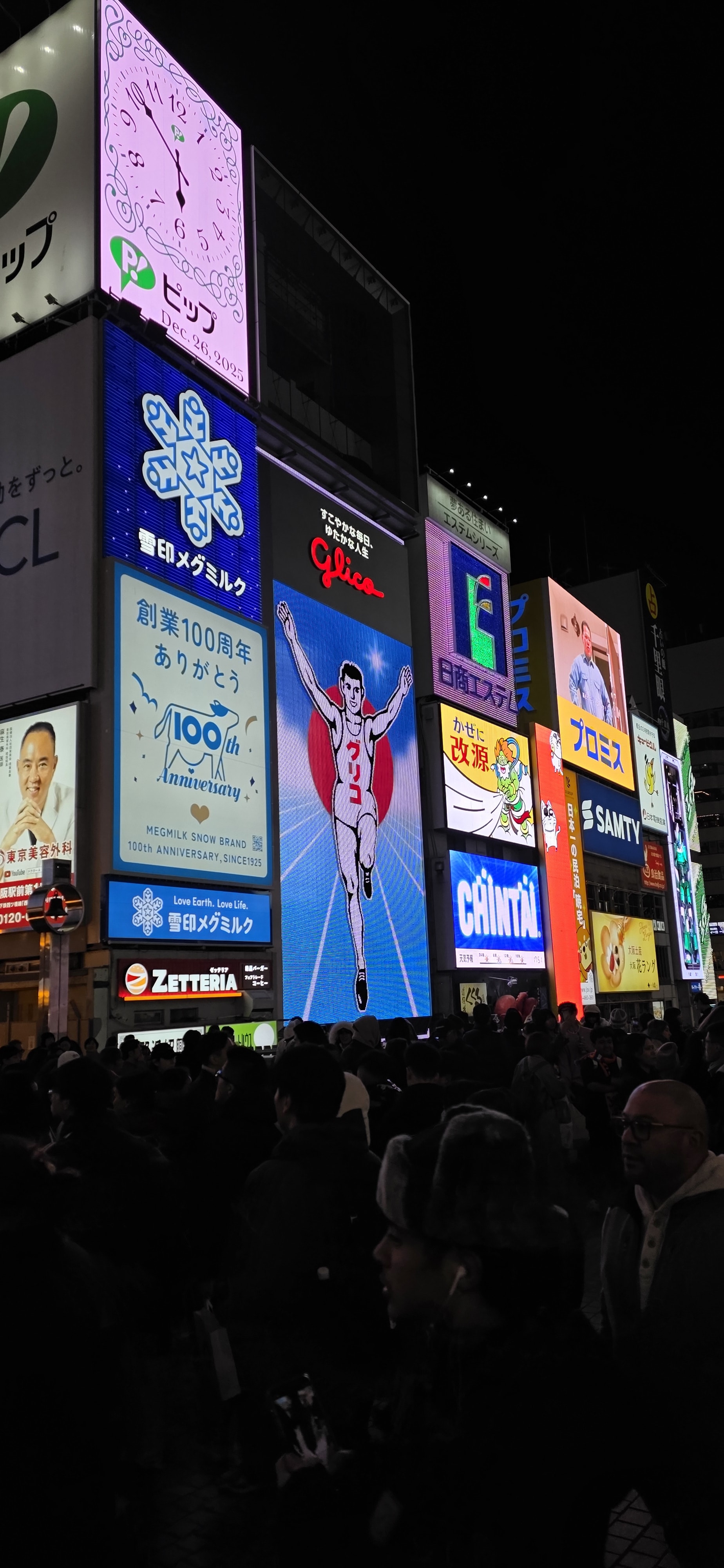
Japan with Kids: Family-Friendly 2 Week Itinerary
14 days · Tokyo, Hakone, Kyoto, Nara, Osaka
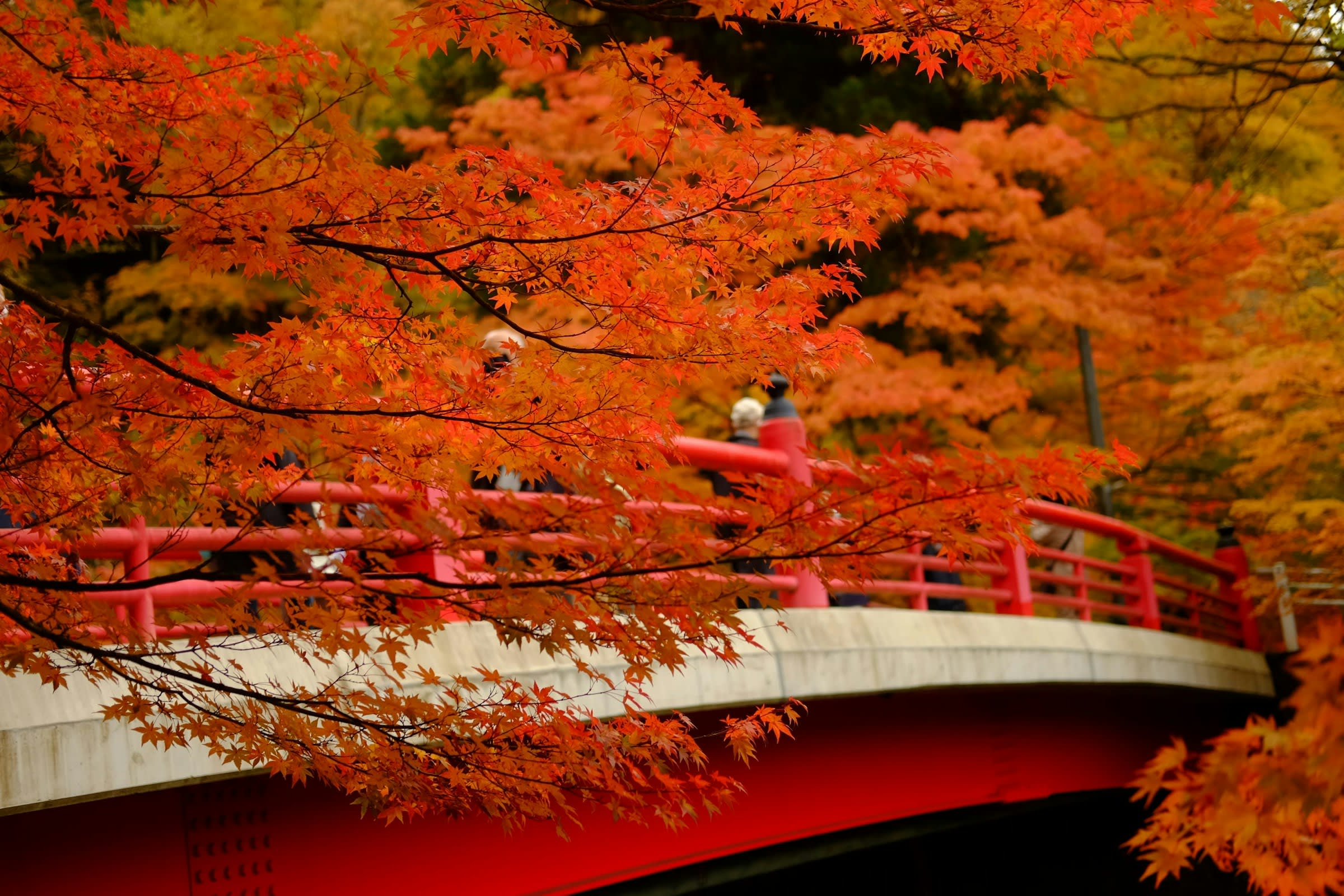
Japan Autumn Itinerary: 10 Days of Fall Foliage
10 days · Tokyo, Hakone, Kyoto, Osaka
5 Day Kansai Itinerary: Osaka, Kyoto and Nara
5 days · Osaka, Kyoto, Nara
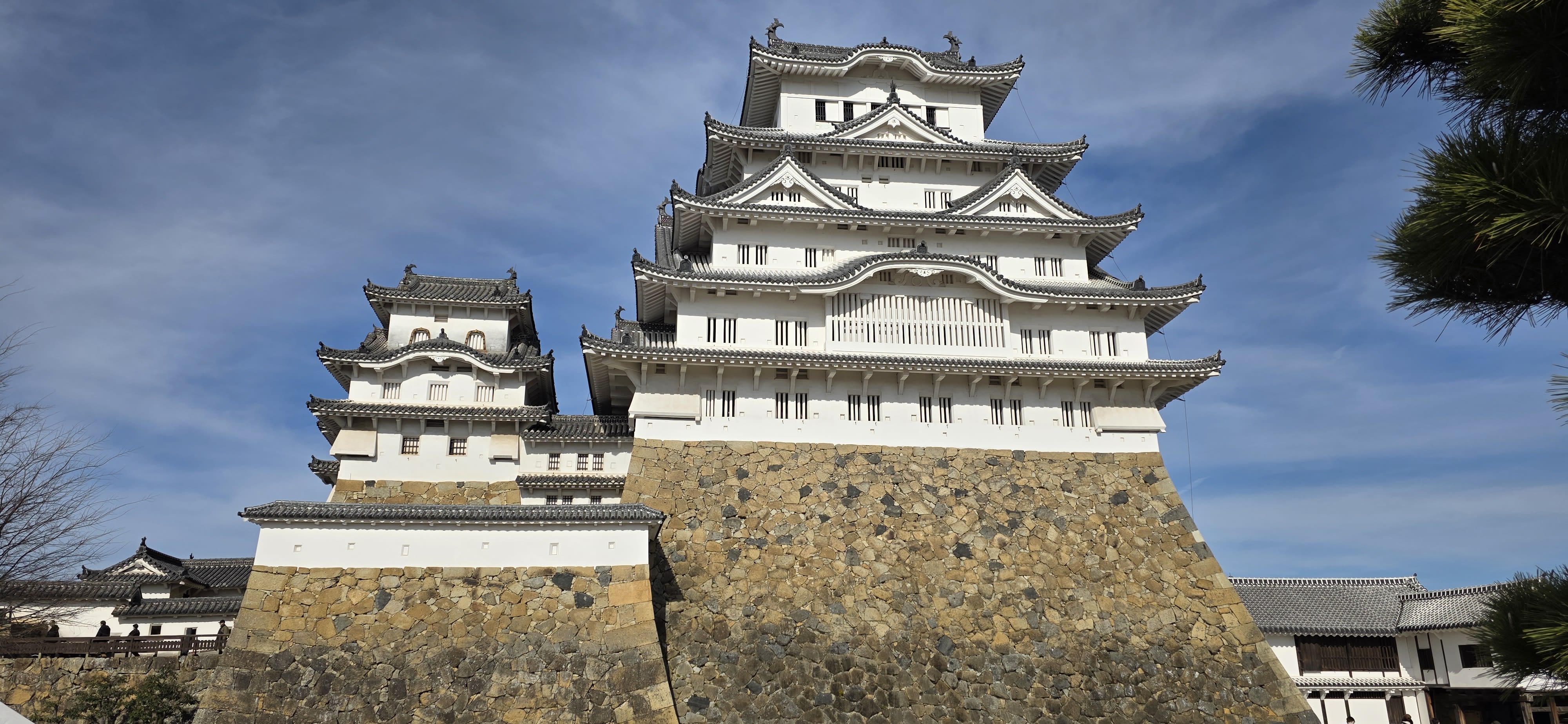
Kansai Castle Itinerary: 7 of Japan's 100 Fine Castles in 5 Days
5 days · Osaka, Himeji, Kyoto
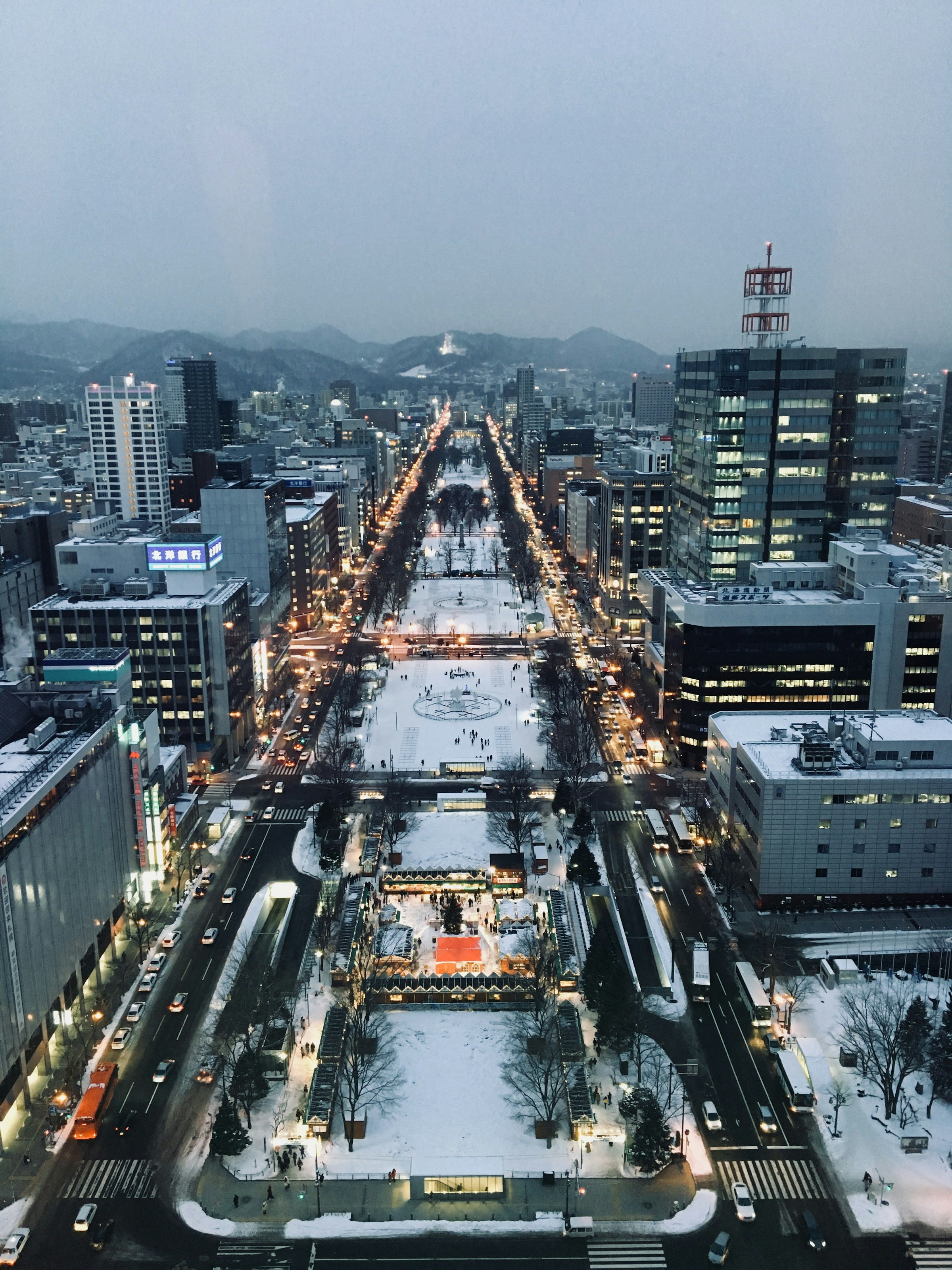
Hokkaido Itinerary: 7 Days of Lavender, Food and Wide-Open Nature
7 days · Sapporo, Furano, Noboribetsu

Hokkaido Winter Itinerary: 7 Days of Snow Festival, Onsen and Seafood
7 days · Sapporo, Noboribetsu, Hakodate
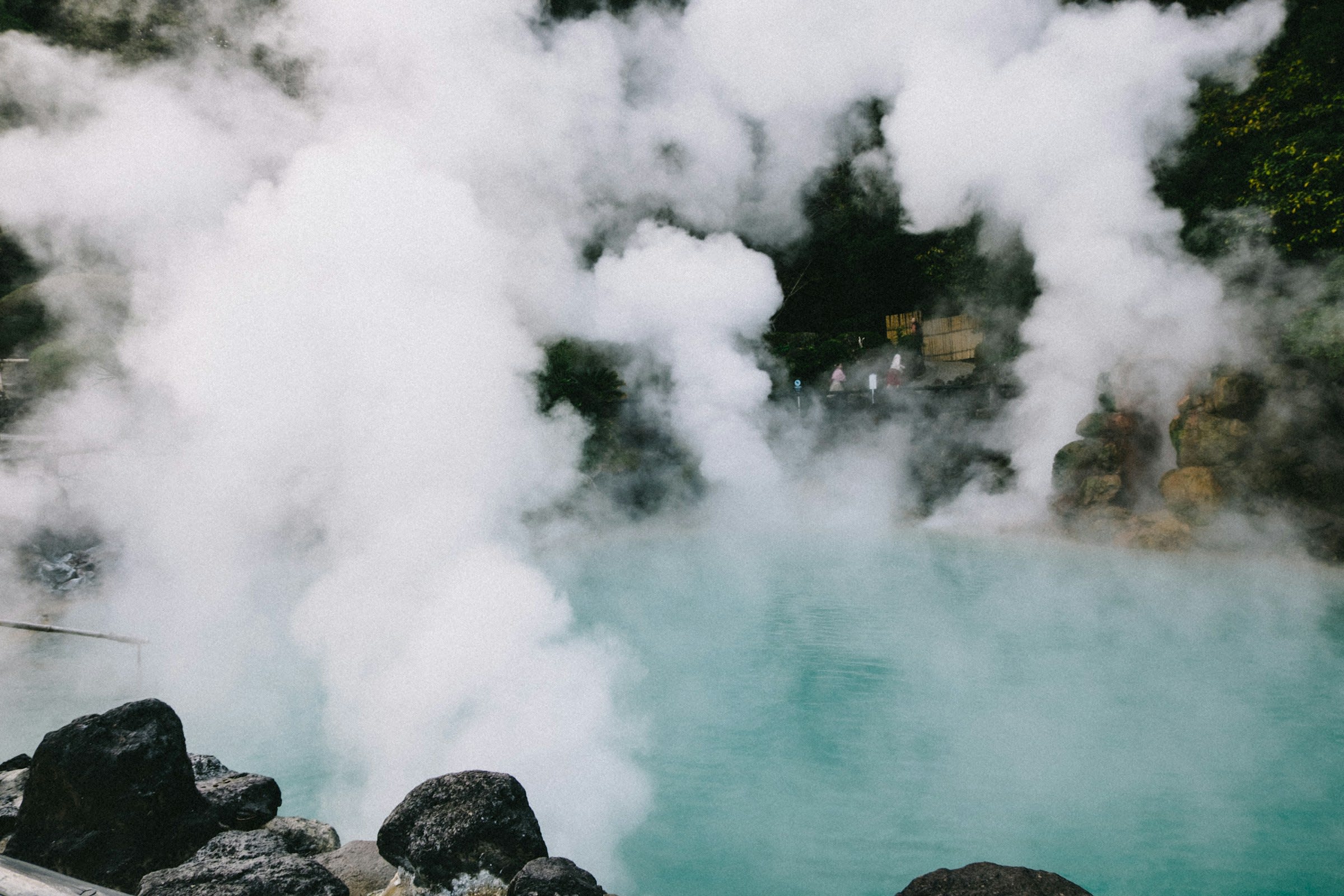
Kyushu Itinerary: 7 Days of Onsen, Volcanoes and Food
7 days · Fukuoka, Nagasaki, Kumamoto, Beppu
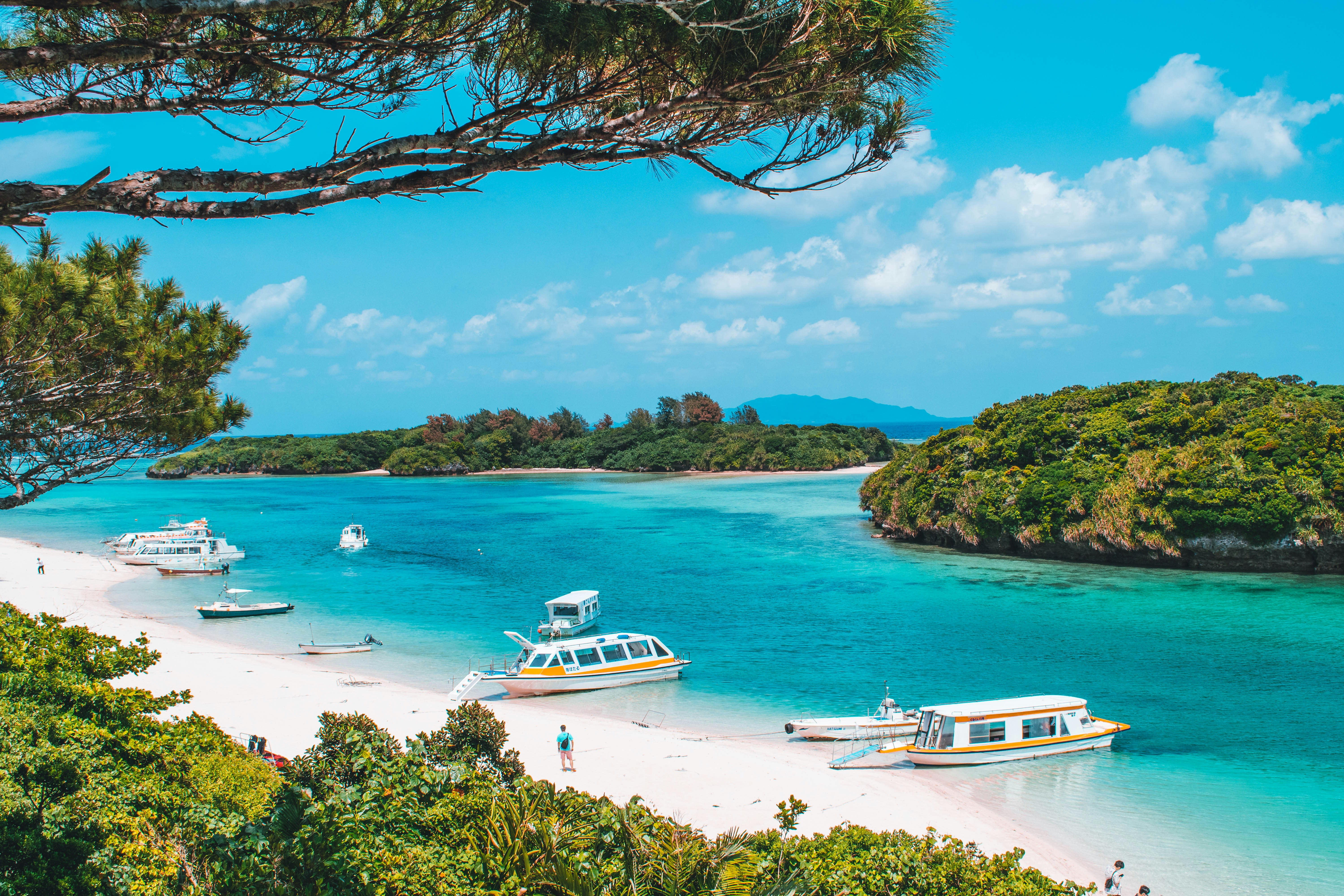
Okinawa Itinerary: 7 Days of Beaches, Reefs and Ryukyu Culture
7 days · Naha, Onna, Ishigaki