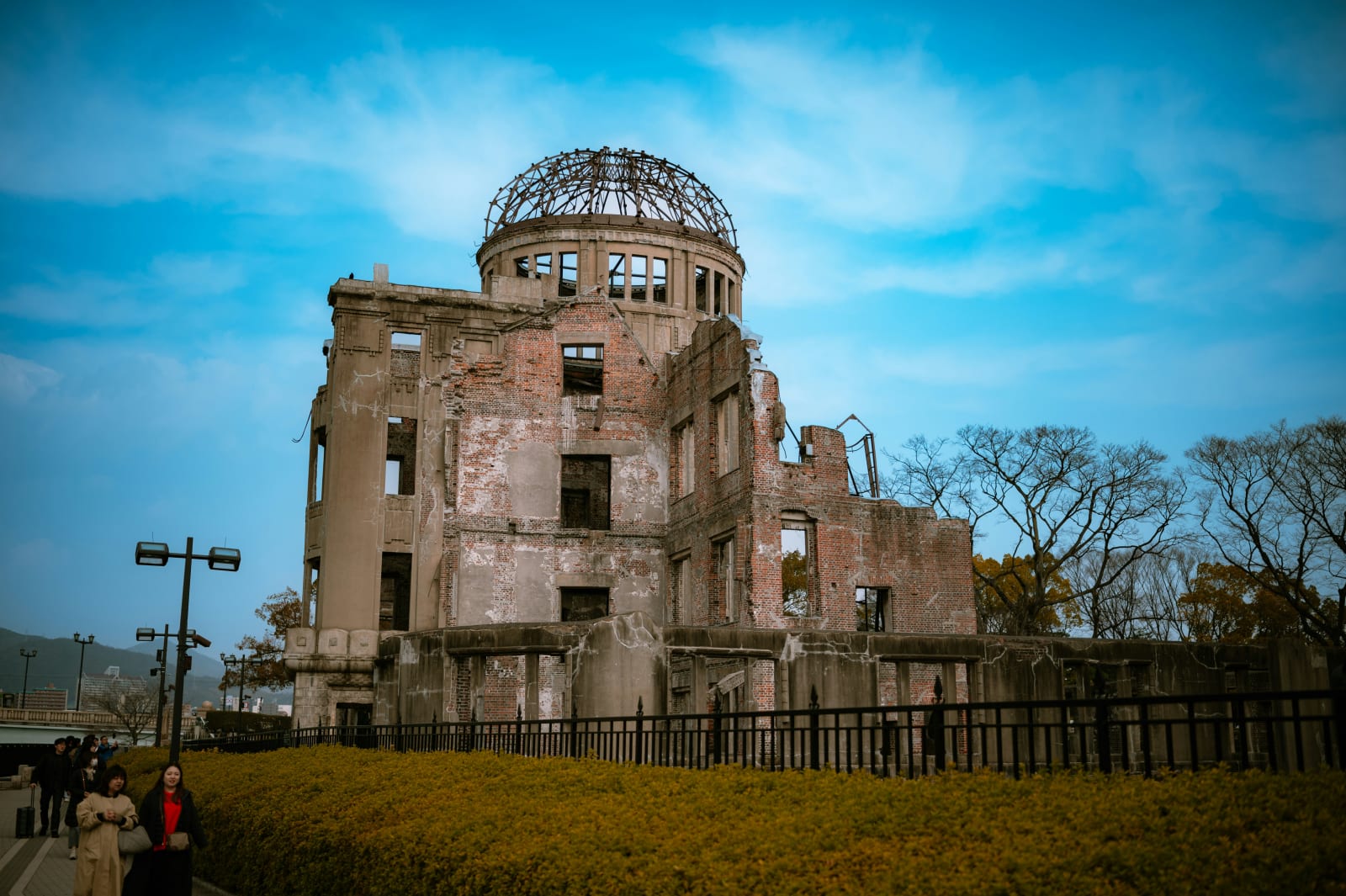
Two weeks is a good length for a first trip to Japan. This itinerary follows the classic Golden Route: four nights in Tokyo, an onsen night in Hakone, three nights in Kyoto with a day trip to Nara, two nights in Osaka for the food, a night in Hiroshima with Miyajima, and two final nights back in Tokyo.
Each day below is built around one main sight, and the long train rides fall on lighter days. Open it in the free trip planner to shift the dates to your trip, swap activities, and make it yours.
Day-by-Day Itinerary
Trip Overview
14/14 days plannedDay 1
Wednesday • November 18, 2026
🍽️Meals & Dining(1)
Skewers and a drink in Nonbei Yokocho
'Drunkard's Alley', two lanes of tiny bars beside the JR tracks, three minutes from Hachiko. Most seat six to eight, and some charge a small cover posted on the door. An easy first night if jet lag hits early
🎯Activities(2)
🌅Morning
Arrive at Narita or Haneda, get a Suica card
Add Suica to your phone's wallet or buy a Welcome Suica at the airport station. From Narita the Narita Express runs direct to Shibuya in about 80 minutes; from Haneda the airport limousine bus takes about 45. Hotels will hold your bags until check-in, usually 3 PM
☀️Afternoon
Shibuya Crossing and the Hachiko statue
Thousands of people cross at once when the lights change. For a free view from above, stand at the window of the walkway linking JR Shibuya Station to Shibuya Mark City
On Japan's famous lists nearby
Day 2
Thursday • November 19, 2026
🍽️Meals & Dining(1)
Tendon or eel lunch in Asakusa
Asakusa's old trades are tempura and unagi. Daikokuya, in business since 1887, is known for its tendon, tempura over rice in a dark, sweet sauce; expect a queue at noon
🎯Activities(3)
🌅Morning
Senso-ji Temple before 9 AM
Tokyo's oldest temple. The grounds never close and are free; before 9 the Nakamise stalls are still shuttered and the Kaminarimon gate photographs almost empty. The Ginza Line runs straight here from Shibuya in about 30 minutes
☀️Afternoon
Ueno Park and the Ameyoko market street
Three stops on the Ginza Line. Walk past Shinobazu Pond, then down Ameya-Yokocho under the train tracks for fruit on sticks, dried seafood, and cheap sneakers
🌆Evening
Akihabara Electric Town
Two Yamanote Line stops south of Ueno, and at its brightest after dark. Start at the Radio Kaikan building's floors of figures, trading cards, and model kits. Most shops close around 8 PM
On Japan's famous lists nearby
Day 3
Friday • November 20, 2026
4 activities
Day 4
Saturday • November 21, 2026
3 activities
Day 5
Sunday • November 22, 2026
5 activities
Day 6
Monday • November 23, 2026
3 activities
Day 7
Tuesday • November 24, 2026
4 activities
Day 8
Wednesday • November 25, 2026
4 activities
Day 9
Thursday • November 26, 2026
3 activities
Day 10
Friday • November 27, 2026
4 activities
Day 11
Saturday • November 28, 2026
3 activities
Day 12
Sunday • November 29, 2026
4 activities
Day 13
Monday • November 30, 2026
3 activities
Day 14
Tuesday • December 1, 2026
2 activities
Use This Itinerary
Open this itinerary in our free trip planner to change dates, add activities, find hotels, and make it yours. No account needed.
Frequently Asked Questions
Is two weeks enough for a first trip to Japan?
Yes. Two weeks covers Tokyo, Hakone, Kyoto, Nara, Osaka, and Hiroshima without rushing. You get four nights in Tokyo and three in Kyoto, which is enough to see the highlights of each and still have unplanned hours to wander.
Is the Japan Rail Pass worth it for this itinerary?
Not for this exact route. The 14-day pass costs 80,000 yen on the official site, while single tickets for every JR ride here (Odawara to Kyoto, Kyoto to Osaka, Osaka to Hiroshima, Hiroshima back to Tokyo, the Nara and Miyajima trips, and the Narita Express both ways) come to roughly 50,000 to 55,000 yen. Buy tickets as you go, and only reconsider the pass if you add more long Shinkansen legs.
How much does this trip cost?
Excluding international flights, most travelers spend roughly 20,000 to 40,000 yen per person per day across hotels, food, transport, and sights. Accommodation is the biggest variable: hostels and business hotels keep costs low, while ryokan nights and city-view hotels push them up.
When is the best time of year to do this route?
Spring (March to May) and autumn (October to November) have the best weather and scenery, but also the biggest crowds and highest hotel prices. Summer is hot and humid. Winter is quieter and cheaper, and its clear, dry air gives the best odds of seeing a snow-capped Mt Fuji from Hakone.
More Japan Itineraries
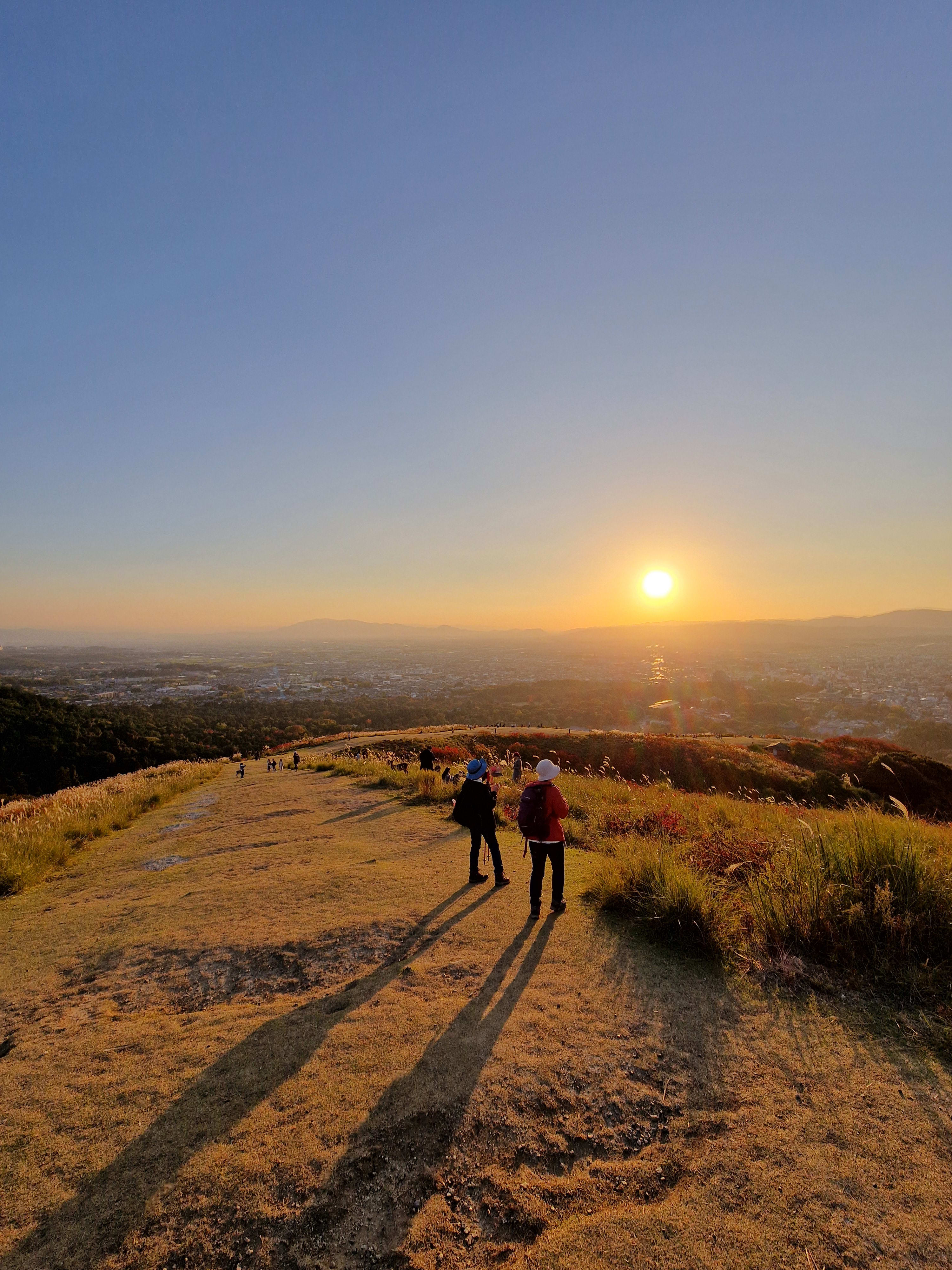
7 Day Japan Itinerary: Tokyo and Kyoto for First Timers
7 days · Tokyo, Kyoto, Nara
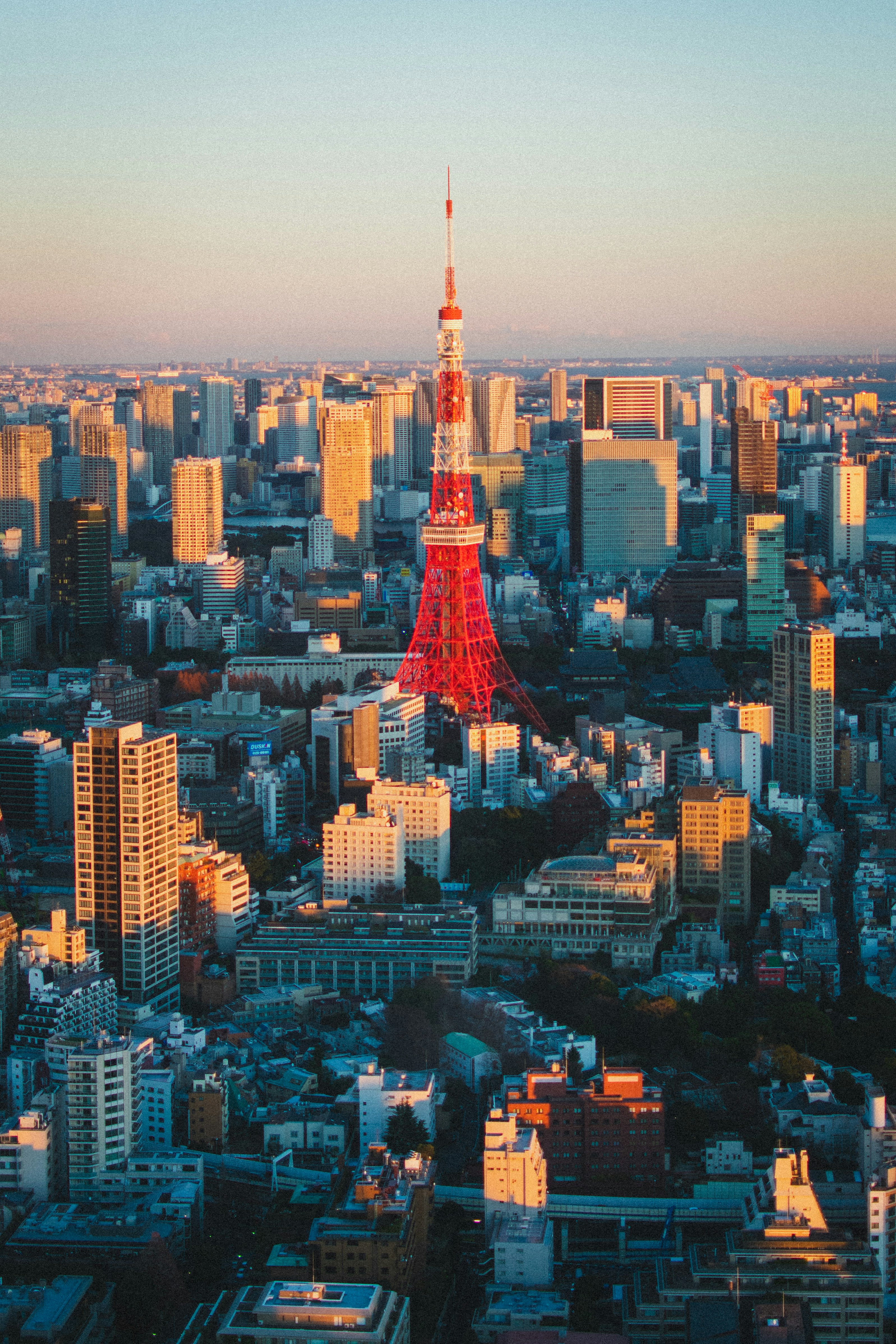
3 Day Tokyo Itinerary: Shibuya, Asakusa and Shinjuku
3 days · Tokyo
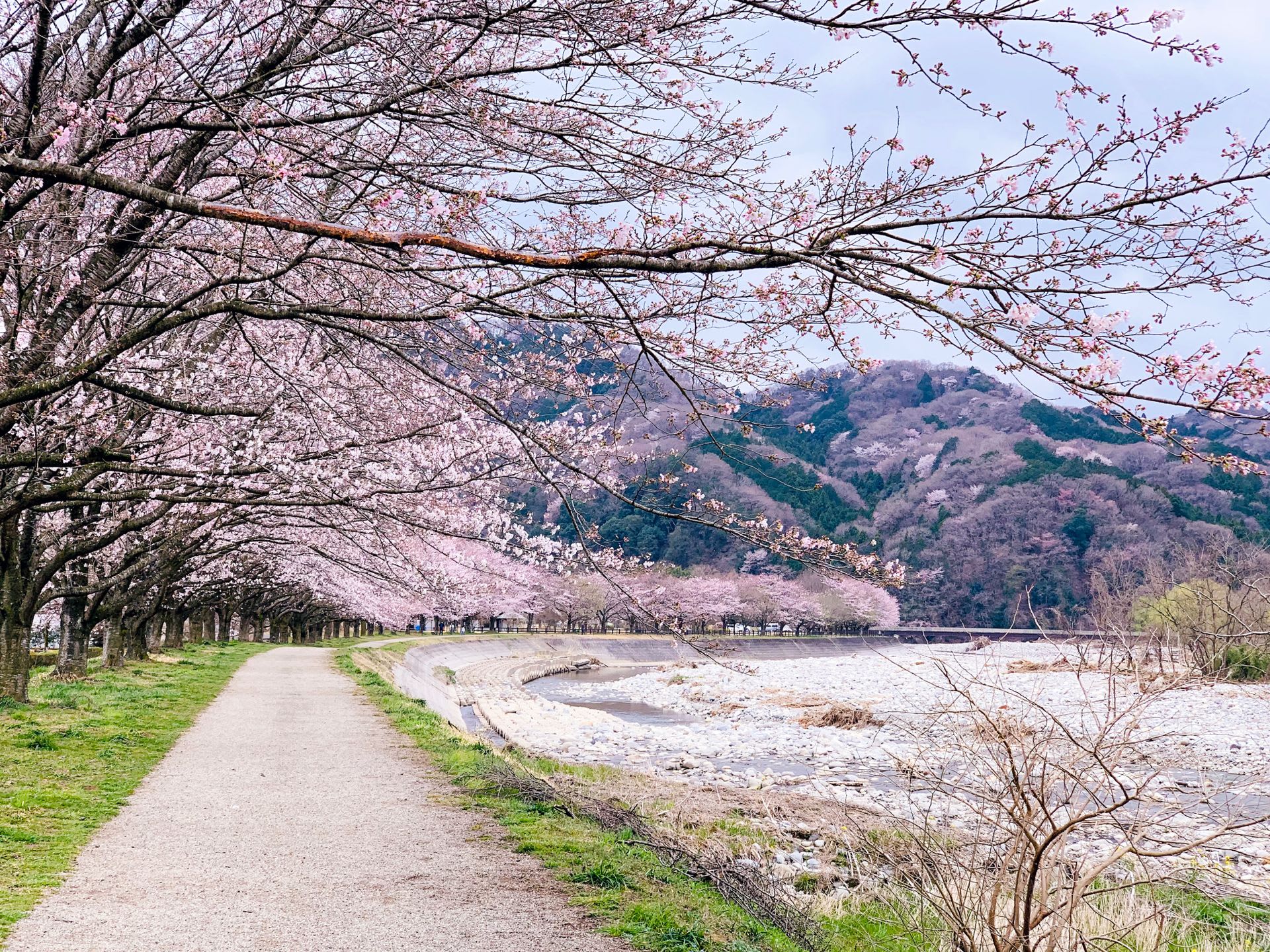
Japan Cherry Blossom Itinerary: 10 Days of Sakura
10 days · Tokyo, Kyoto, Osaka, Kawaguchiko
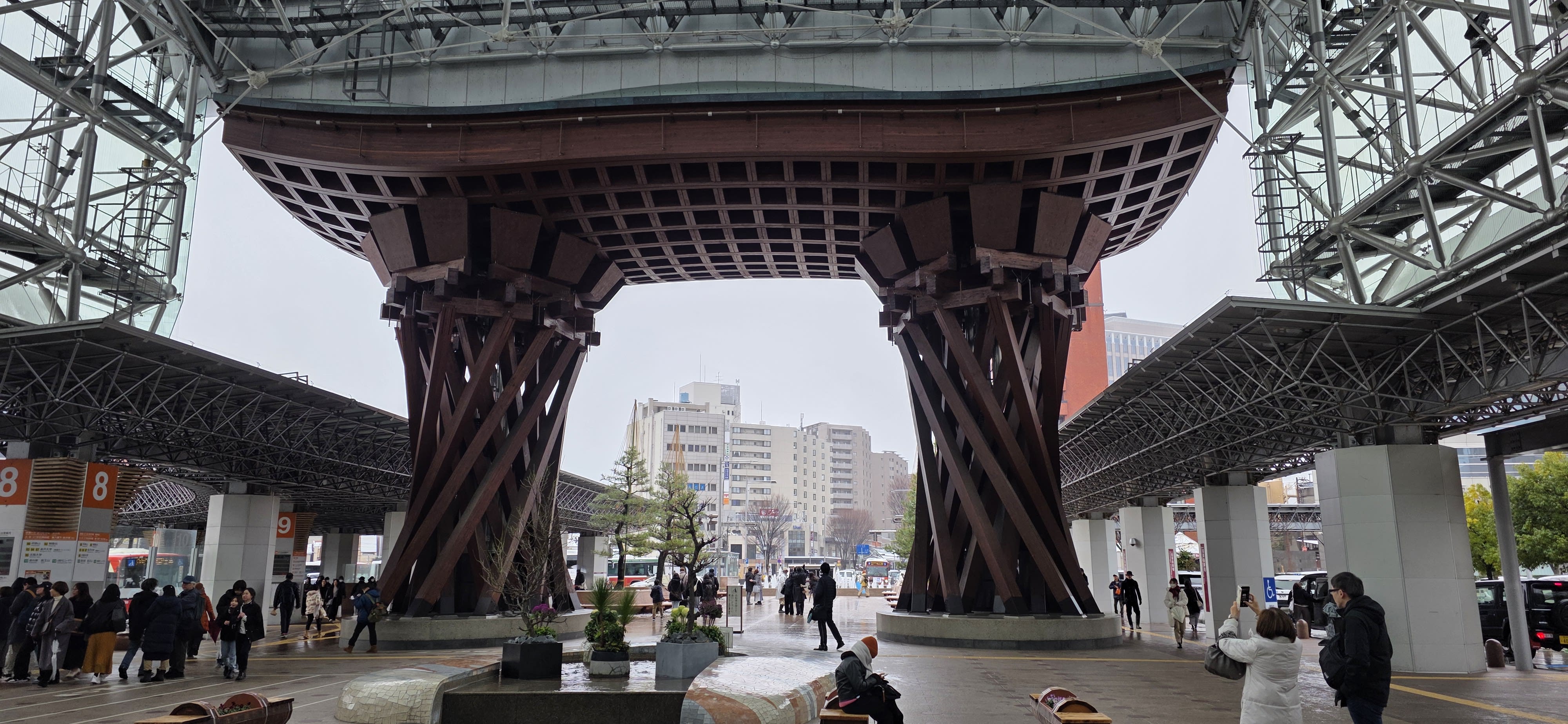
Japan on a Budget: 2 Week Backpacker Itinerary
14 days · Tokyo, Hakone, Kyoto, Osaka, Hiroshima, Kanazawa
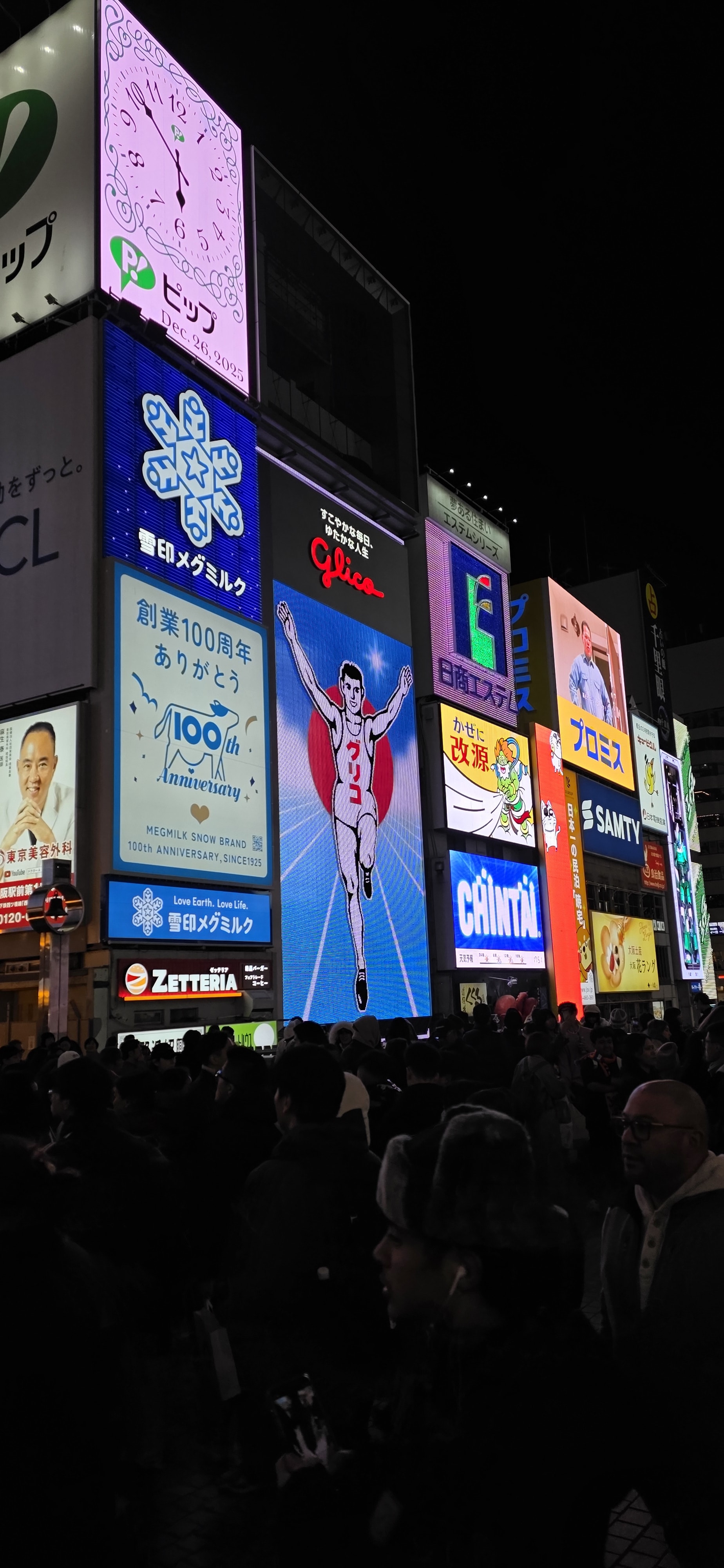
Japan with Kids: Family-Friendly 2 Week Itinerary
14 days · Tokyo, Hakone, Kyoto, Nara, Osaka
Japan Winter Itinerary: 10 Days of Snow, Crab and Light-Ups
10 days · Tokyo, Kyoto, Osaka, Kanazawa
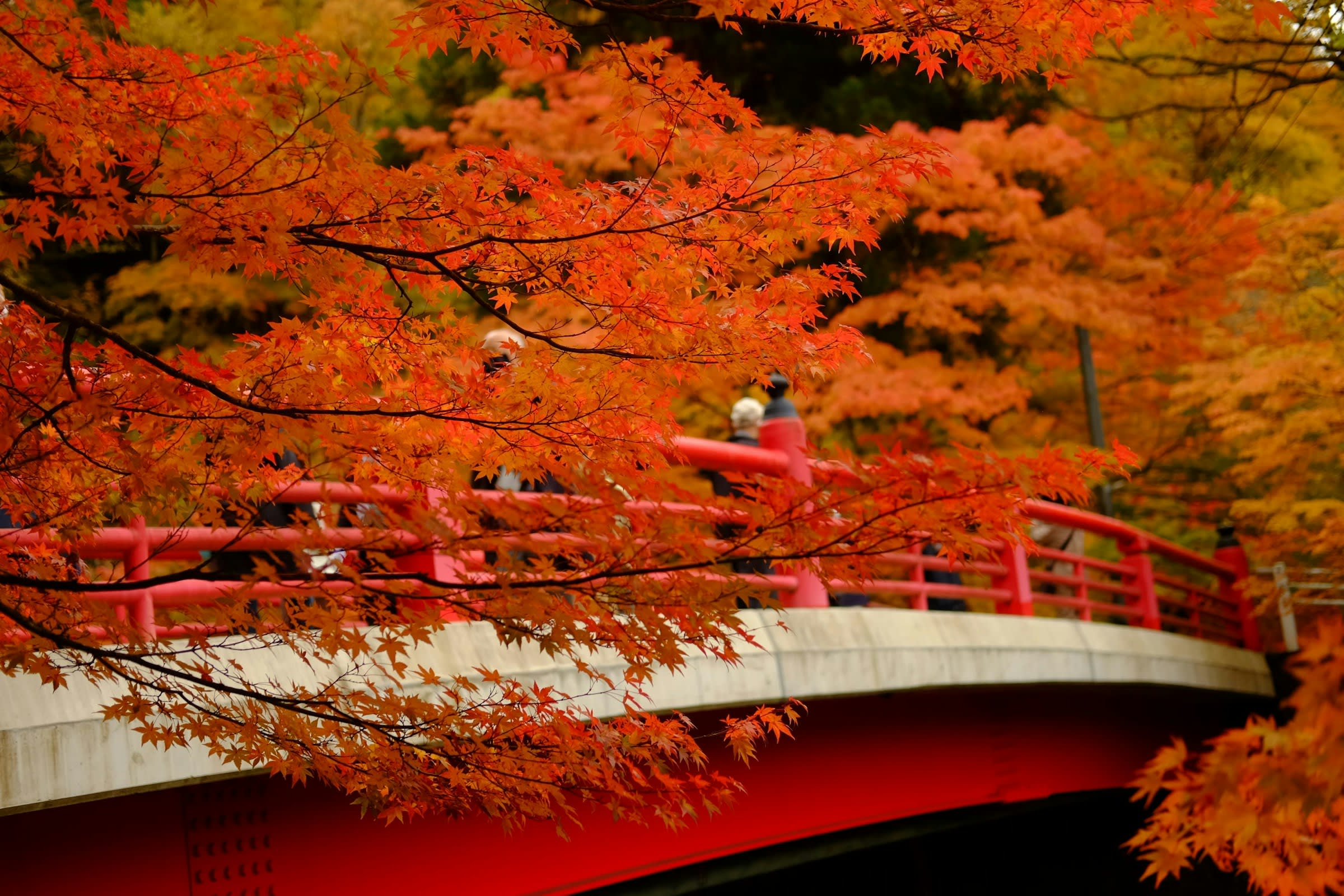
Japan Autumn Itinerary: 10 Days of Fall Foliage
10 days · Tokyo, Hakone, Kyoto, Osaka
5 Day Kansai Itinerary: Osaka, Kyoto and Nara
5 days · Osaka, Kyoto, Nara
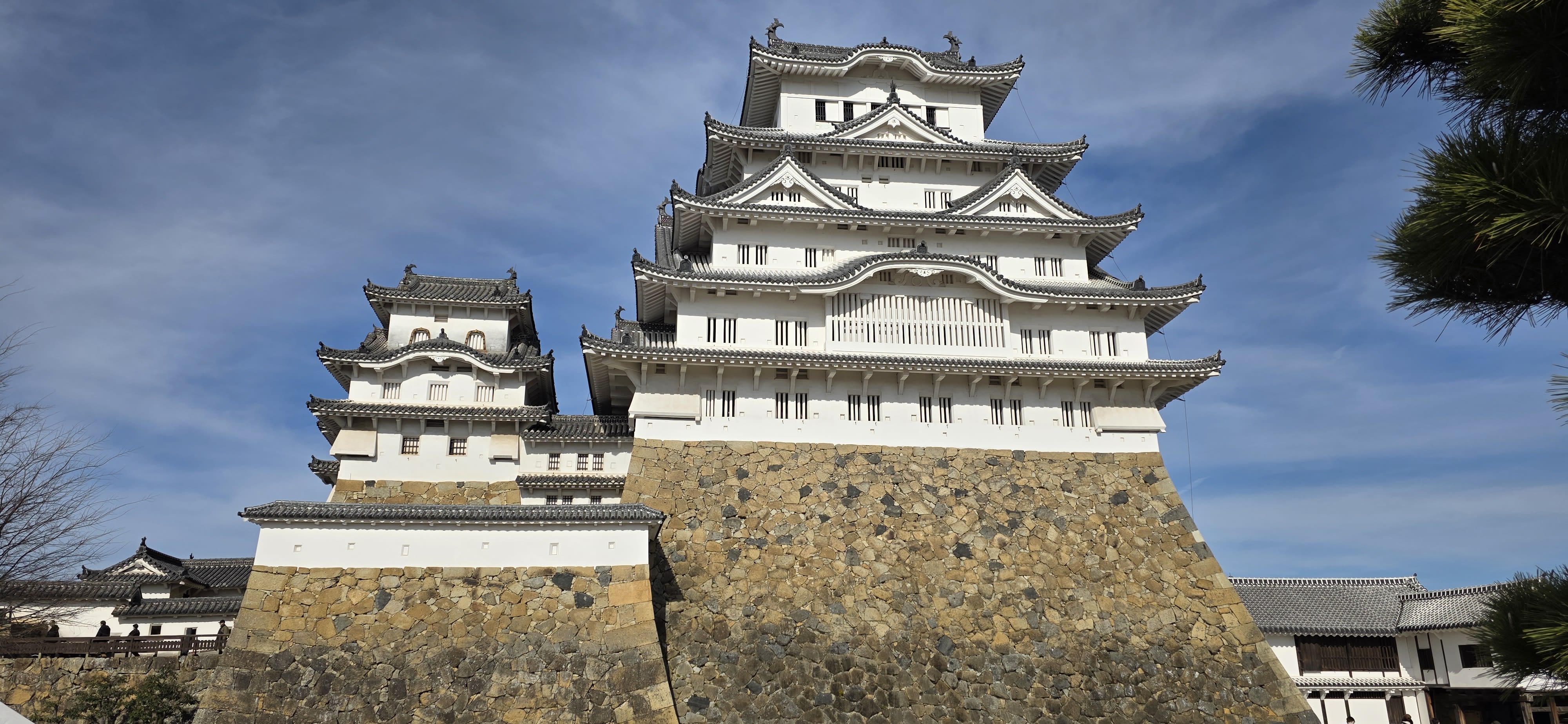
Kansai Castle Itinerary: 7 of Japan's 100 Fine Castles in 5 Days
5 days · Osaka, Himeji, Kyoto
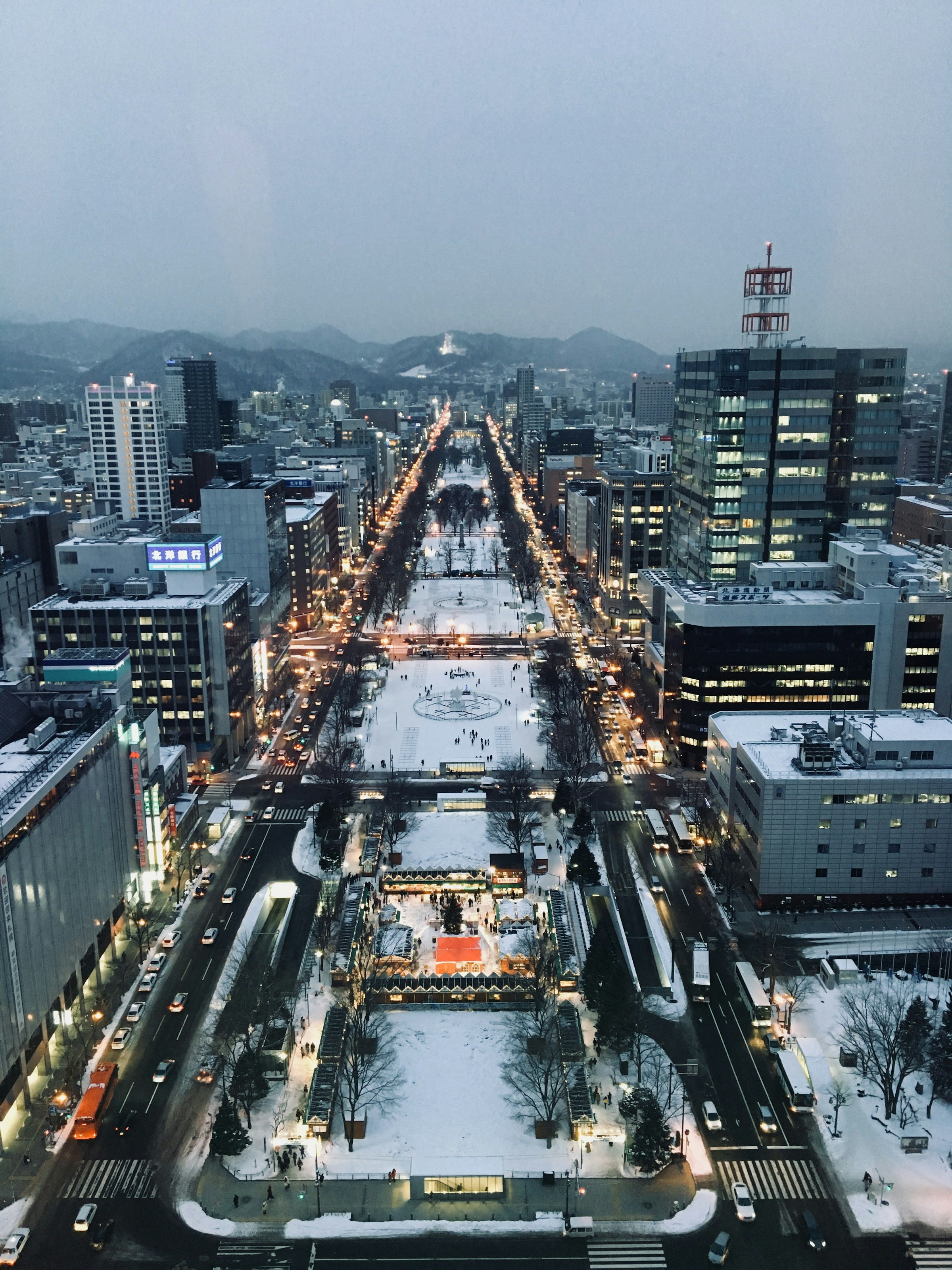
Hokkaido Itinerary: 7 Days of Lavender, Food and Wide-Open Nature
7 days · Sapporo, Furano, Noboribetsu

Hokkaido Winter Itinerary: 7 Days of Snow Festival, Onsen and Seafood
7 days · Sapporo, Noboribetsu, Hakodate
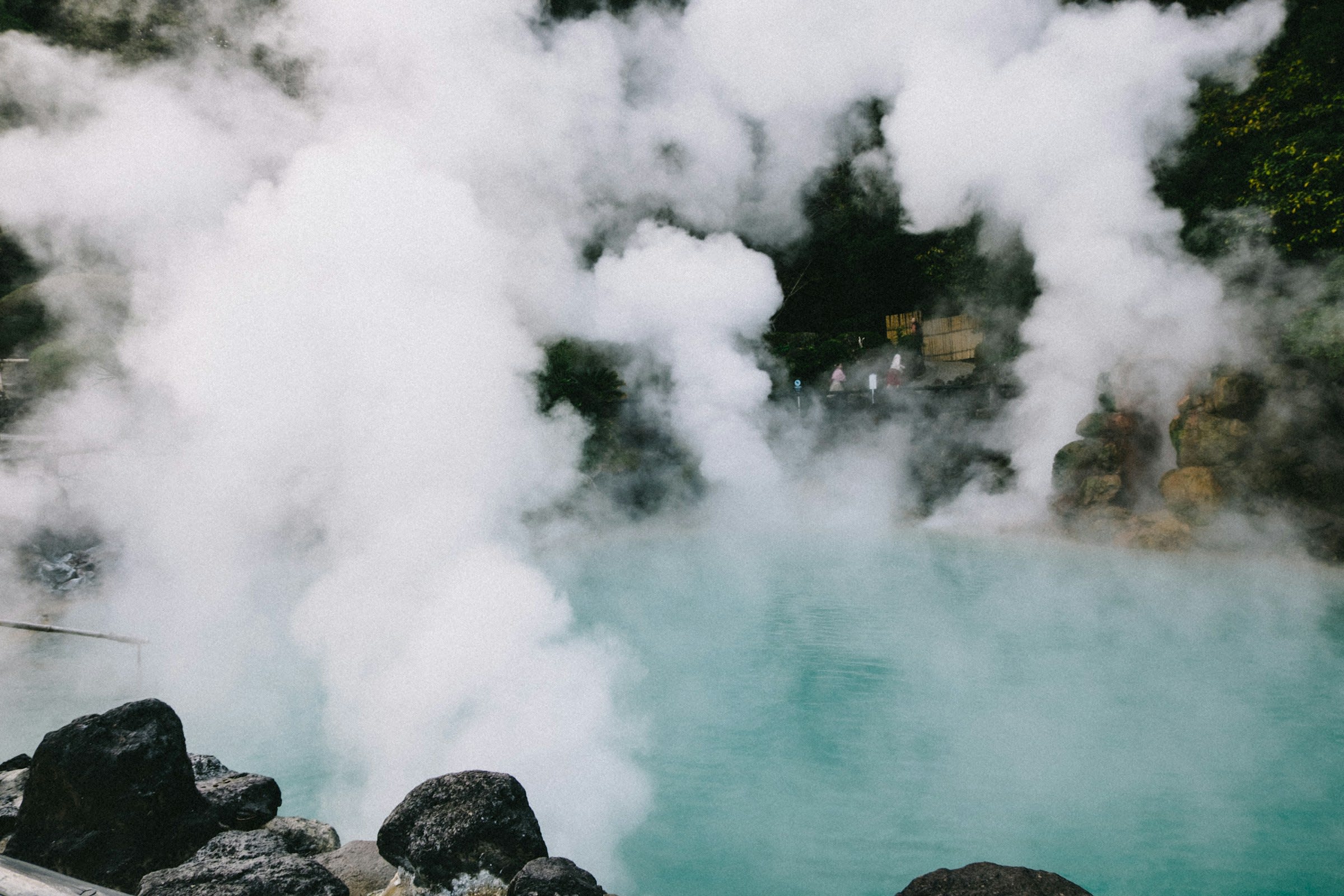
Kyushu Itinerary: 7 Days of Onsen, Volcanoes and Food
7 days · Fukuoka, Nagasaki, Kumamoto, Beppu
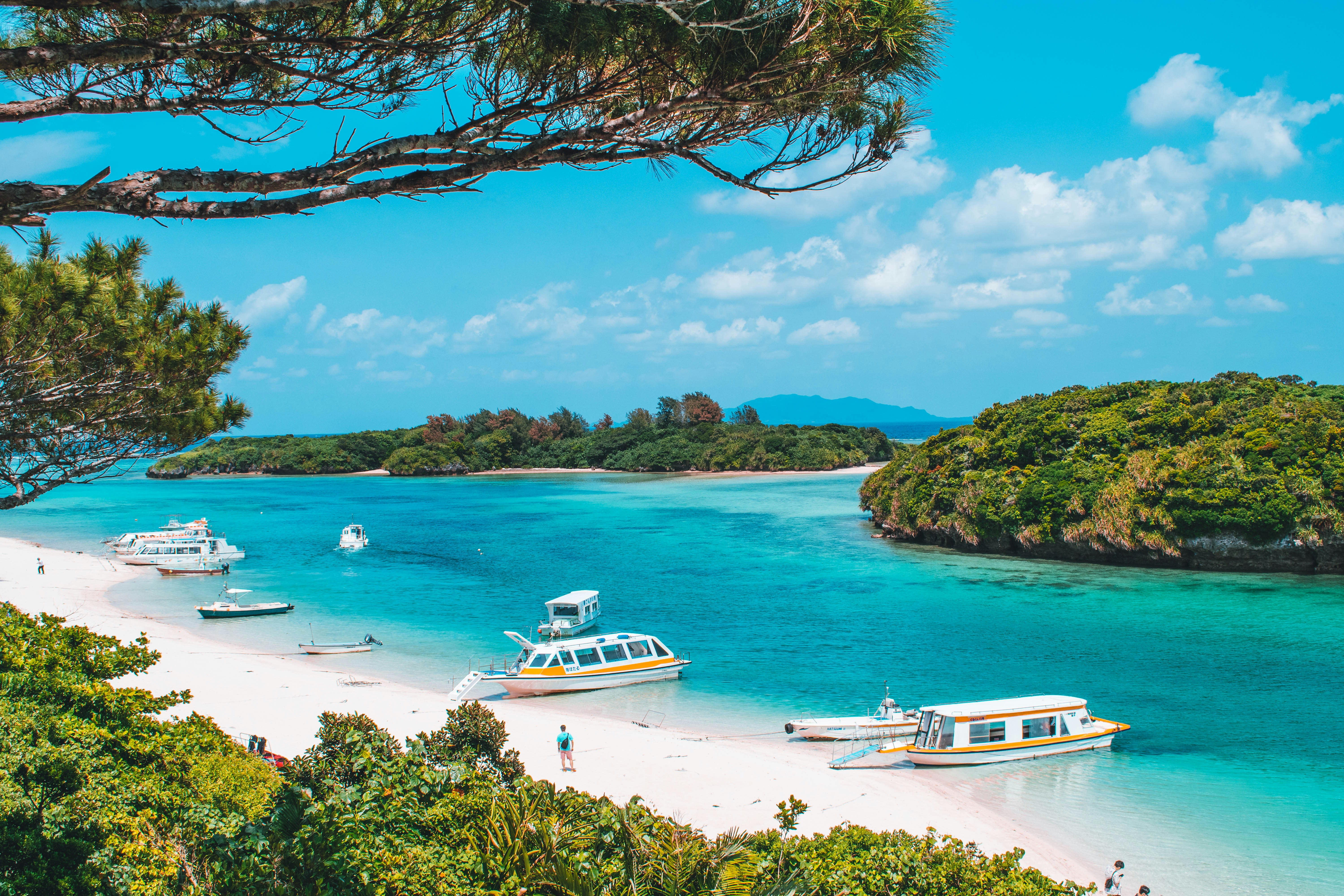
Okinawa Itinerary: 7 Days of Beaches, Reefs and Ryukyu Culture
7 days · Naha, Onna, Ishigaki