About Ueno
Ueno doesn't try to impress you the way Shibuya or Shinjuku does. There's no famous crossing, no neon skyline. Instead, there's a 133-acre park with over a thousand cherry trees, a cluster of world-class museums (including Japan's oldest and largest), a zoo that families love, and Ameyoko: a chaotic, noisy, wonderful street market where vendors shout prices for fresh fish, dried fruits, sneakers, and cosmetics, all in the same breath. It's one of the most rewarding areas in Tokyo for people who like to explore at their own pace.
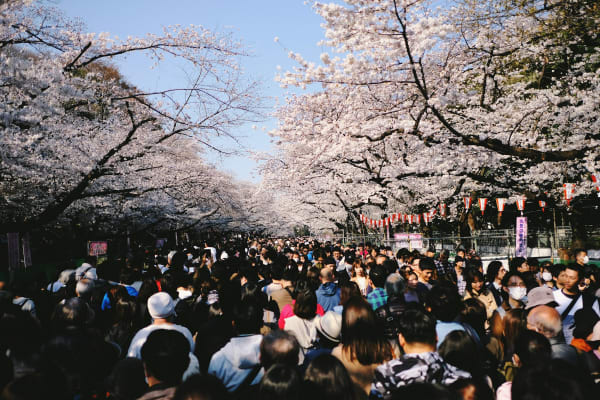
Ueno Park is the anchor. It was Japan's first public park (established in 1873) and today holds the Tokyo National Museum, the National Museum of Western Art (a Le Corbusier UNESCO site), the National Museum of Nature and Science, and the Ueno Zoo; all within walking distance of each other. You could spend an entire day just in the park and still not see everything. In late March and early April, it becomes one of Tokyo's top cherry-blossom spots, with hanami (flower-viewing) picnics covering every patch of grass.
Below the park, Ameyoko market runs alongside the train tracks between Ueno and Okachimachi stations. It started as a post-war black market and still has that raw, deal-hunting energy. Come here for cheap seafood, street food, spices, and the kind of shopping experience you won't find in a department store. Ueno also makes a great budget base: hotels are cheaper than in Shibuya or Shinjuku, and the station connects to both airports and the Shinkansen. Budget a half-day minimum, or a full day if you want to do a museum and the market properly.
Don't Miss
Tokyo National Museum
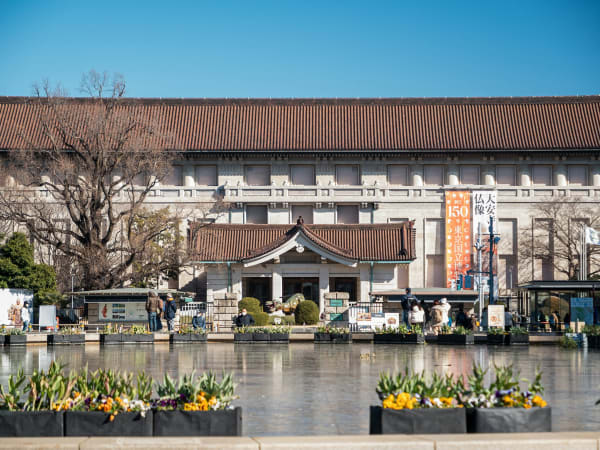
Japan's oldest and largest museum houses over 120,000 works spanning Japanese art, samurai armour, Buddhist sculpture, ukiyo-e prints, and ceramics. The main Honkan building alone is worth two hours. Admission is ¥1,000 and special exhibitions cost extra but are often world-class. Go on a weekday morning for the quietest experience.
Ameyoko Market
A 500-metre strip of stalls and shops crammed between Ueno and Okachimachi stations. Originally a post-war black market, it's now the place for cheap fresh seafood (tuna on sticks, grilled scallops), dried fruits, spices, sneakers, cosmetics, and army surplus gear. The energy is fantastic; vendors shout, tourists haggle, and the whole strip smells like grilled food. Best visited before 2 PM.
Cherry Blossom Season in Ueno Park
Late March to early April, Ueno Park transforms into Tokyo's most famous hanami spot. Over 1,000 cherry trees line the main path and surround Shinobazu Pond. Locals claim spots with blue tarps from early morning for all-day picnics. It's crowded but the atmosphere is joyful. Evening illuminations along the central pathway are magical.
A Full Day in Ueno
Museums, markets, and one of Tokyo's best parks
Ueno Park Morning Walk
Start with a stroll through Ueno Park before the crowds arrive. Walk past Shinobazu Pond (covered in lotus flowers in summer), visit the small Bentendo temple on the island, and enjoy the park's tree-lined paths.
💡 Tip
- • Enter from the main entrance near Ueno Station's Park Exit
- • Shinobazu Pond is loveliest early morning
Tokyo National Museum
Japan's largest museum and the crown jewel of Ueno's cultural cluster. The main Honkan building covers Japanese art from ancient to modern. Don't miss the samurai armour galleries and the seasonal special exhibitions.
💡 Tip
- • ¥1,000 admission; special exhibitions extra
- • Audio guide available (¥600)
- • The Gallery of Horyuji Treasures is small but stunning
Lunch at Ameyoko Market
Head down to Ameyoko for a street-food lunch. Grab fresh tuna on a stick, grilled scallops, takoyaki, or sit down at one of the small restaurants along the strip. The kebab and Chinese food stalls are surprisingly good and cheap.
💡 Tip
- • Budget ¥500–1,500 for a filling lunch
- • Cash preferred at most stalls
- • Try the ¥500 fresh fruit cups
Browse Ameyoko Market
With a full stomach, explore the market properly. The main strip has clothes and cosmetics; the side alleys have dried goods, spices, and speciality food shops. Prices are lower than department stores; mild haggling is acceptable at some stalls.
💡 Tip
- • Side alleys off the main strip are where the deals are
- • Look for the dried fruit and nut stalls; great snacks to take home
National Museum of Western Art
The Le Corbusier-designed building is a UNESCO World Heritage site. Inside, the permanent collection spans Impressionism to modern art, with works by Monet, Renoir, Picasso, and Pollock. ¥500 admission; one of Tokyo's best art bargains.
💡 Tip
- • ¥500 permanent collection; special exhibitions extra
- • The Rodin sculptures in the courtyard are free to view
- • Free admission on the first Sunday of each month
Ueno Toshogu Shrine & Park Exploration
A hidden gem inside the park: this golden shrine is a miniature version of the famous Nikko Toshogu. ¥500 to enter the inner grounds. Then wander the park's quieter southern paths past the peony garden and old temple grounds.
💡 Tip
- • The peony garden is stunning in January and April (separate ¥700 entry)
- • Quieter than the main park paths
Afternoon Break at a Kissaten
Ueno has several old-school kissaten (traditional coffee houses). Galant near the station has been serving hand-dripped coffee since the 1960s: dark wood, leather seats, no Wi-Fi, no laptops. Just coffee and quiet.
💡 Tip
- • Cash only at most kissaten
- • Coffee ¥500–800; the ritual is the point
Shinobazu Pond at Sunset
End the day with a walk around Shinobazu Pond as the light softens. In summer, the pond is covered in lotus flowers. Year-round, the view across the water toward the Bentendo temple is one of Ueno's most peaceful moments.
💡 Tip
- • The lotus flowers bloom July–August
- • Birdwatching boat area on the south side
Top Attractions
Tokyo National Museum
Japan's oldest and largest museum with over 120,000 works spanning thousands of years of Japanese and Asian art. The Honkan (main building) houses samurai armour, swords, Buddhist sculpture, ukiyo-e prints, and ceramics. Special exhibitions are frequently world-class. Allow 2–4 hours minimum.
Ueno Park
Japan's first public park (1873), spanning 133 acres in central Tokyo. Home to museums, temples, a zoo, Shinobazu Pond, and over 1,000 cherry trees. A complete day out in one location: culture, nature, food, and history.

Ameyoko Market
A 500-metre outdoor market running between Ueno and Okachimachi stations. Born as a post-war black market, it's now a chaotic, colourful strip of food stalls, clothing shops, cosmetics, and specialty goods. The street-food scene alone is worth the trip: fresh tuna, grilled scallops, takoyaki, and exotic fruits.

National Museum of Western Art
Designed by Le Corbusier and designated a UNESCO World Heritage site, this museum holds Japan's finest collection of Western art. The permanent collection spans Impressionism to modern art with works by Monet, Renoir, Pollock, and more. The Rodin sculptures in the courtyard are free to view.

Ueno Zoo
Japan's oldest zoo (1882) and one of Tokyo's best family outings. Home to giant pandas, gorillas, elephants, polar bears, and over 3,000 animals. Located inside Ueno Park, it's easy to combine with museums. The west garden is quieter with a petting zoo for small children.
Highlights of Ueno
- ✓Ueno Park: 133 acres, 1,000+ cherry trees, Tokyo's best hanami spot
- ✓Tokyo National Museum: Japan's oldest museum with 120,000+ works
- ✓Ameyoko Market: lively street market for food, fashion, and bargains
- ✓National Museum of Western Art: Le Corbusier UNESCO World Heritage building
- ✓Shinobazu Pond: lotus-covered lake with a temple on an island
- ✓Ueno Zoo: Japan's oldest zoo, home to giant pandas
- ✓Budget-friendly accommodation hub near two airports and the Shinkansen
Related Articles
Where to Stay in Tokyo: Best Areas From ¥10,000 a Night (2026)
Stay in Shinjuku for a first visit, near Tokyo Station for day trips, Asakusa or Ueno on a budget. Real 2026 prices and 31 verified hotel picks.
Japan in February: Snow Festivals, First Blossoms and Empty Temples
The Sapporo Snow Festival, peak powder, plum blossoms from mid month, and the cheapest quiet weeks of the travel year. What February actually delivers, region by region.
Japan in March: Sakura Timing, Weather and What to Expect
Early March is quiet late winter with plum blossoms. Late March is the start of cherry blossom season, with prices to match. When the sakura actually open, and how to book without gambling.
Other Tokyo Districts
Shibuya
Shibuya Crossing, where 3,000 pedestrians cross simultaneously, and the neon-lit backstreets of Tokyo's youth culture engine
Shinjuku
Free 45th-floor views, 200+ bars crammed into Golden Gai's six alleys, and 1,173 cherry trees in Shinjuku Gyoen
Harajuku
Takeshita-dori, Meiji Shrine's forest, and Cat Street: three completely different worlds within a 15-minute walk
Asakusa
Tokyo's Edo holdout: Senso-ji temple, 89-shop Nakamise-dori, and backstreets that refused to modernize
Ginza
The Wako clock tower at 4-chome, kabuki from ¥1,000 at Kabuki-za, and the deepest department store food halls in Japan
Akihabara
Tokyo's electric playground: anime, electronics, and otaku culture at full volume
Ikebukuro
Budget base on the Yamanote Line: rooftop aquarium, a nine-floor anime store, and Tokyo's densest ramen street
Roppongi
World-class art by day, Tokyo's most international nightlife by night
Odaiba
Tokyo's waterfront playground: digital art, a 20m Gundam, and Rainbow Bridge views across the bay
Tsukiji
Tokyo's kitchen: where the world's freshest seafood meets century-old market culture
Shimokitazawa
Tokyo's indie heart: narrow streets, vintage shops, live-music bars, and ¥900 curry
Chiyoda
Imperial Palace gardens, Edo Castle ruins, and 5km of Tokyo's most scenic moat-side running
Nihonbashi
Tokyo's original centre: Edo-era merchants, Michelin-star restaurants, and Tokyo Station's hidden food halls converge
Yanesen
Old Tokyo preserved: temple lanes, cat-spotting, and ¥200 street snacks in a neighbourhood that skipped the 20th century
Ebisu & Daikanyama
Tokyo's upscale-casual quarter: craft cocktails, curated bookshops, and the kind of dinner you'll remember for years
Nakano
The collector's Akihabara: Nakano Broadway's labyrinthine floors of rare figures, vintage manga, and otaku treasures at better prices
Ryogoku
Sumo heartland: where 300kg wrestlers train, chanko-nabe simmers, and Edo history fills Japan's best museum
Koenji
Tokyo's punk-rock thrift shop: vintage clothing capital, live music dives, and the wildest summer festival you've never heard of
Kichijoji
Tokyo's most liveable neighbourhood: Inokashira Park, the Ghibli Museum, and the kind of Sunday afternoon you'll wish you had at home
Gion
~80 invitation-only ochaya teahouses, Gion Matsuri since 869 CE, and a daily window at 5:30 PM when Kyoto's geiko and maiko take to the streets
Arashiyama
Arrive before 7 AM: Kyoto's bamboo grove, a UNESCO temple garden designed around a mountain, and 120 wild macaques on a hillside above the river
Higashiyama
Kiyomizu-dera's 13-meter wooden stage, stone lanes under a 1976 preservation order, and 50-plus temples along a 2-kilometer eastern hillside: arrive before 8 AM
Fushimi
10,000 vermillion gates on a forested mountain, and Kyoto's oldest sake district below
Kinkaku-ji Area
Three UNESCO World Heritage temples within walking distance, anchored by a gold-leaf pavilion reflected in a mirror pond
Downtown Kyoto
Kyoto's living room: Nishiki Market, Pontocho alley, and the Kamo River at sunset
Dotonbori
Osaka's neon-lit entertainment heart where food, fun, and flashy signs collide
Shinsekai
Step back in time to retro Osaka - kushikatsu, Tsutenkaku Tower, and the lucky Billiken
Umeda
Northern Osaka's bustling business and shopping hub where modern meets underground
Tennoji
Where ancient temples meet modern skyscrapers: Osaka's perfect blend of old and new
Namba
Osaka's central crossroads: Shinsaibashi shopping, Hozenji Yokocho charm, and trains to everywhere
Amerikamura
Osaka's youth-culture playground: vintage shops, street art, and Triangle Park people-watching
Hakata
Ramen birthplace, a 1,260-year-old shrine, and a festival race that starts at 4:59 AM in the dark
Tenjin
Fukuoka's commercial center: 590 meters of underground shopping, Kyushu's finest depachika, and bar alleys that fill from 6 PM
Nakasu
A 500-meter island that runs on a different clock: quiet by day, yatai stalls and neon after 6 PM
Ready to Experience Ueno?
Add a stay in Ueno to your trip — we'll suggest activities and help you find hotels in the area.