Japan in February 2027: Snow Festival, Plums, Weather and Prices
Sapporo's Snow Festival (Feb 4–11) doubles its hotel prices, the rest of Japan stays at January rates, and the plums open. February 2027 dates and weather.
February runs two seasons at once, and both are at full strength. Up north it is deep winter: the Sapporo Snow Festival runs February 4 to 11, 2027, and the ski towns sit on the deepest snow of the year. On the Pacific side, Tokyo averages 2 to 11°C in its driest month, and the first plum blossoms open, normally around February 3 in Mito and February 22 in Kyoto. Away from Sapporo in festival week, hotels stay at January prices: a mid-February weeknight for two at an APA hotel by Kyoto Station costs ¥7,500 to ¥9,000, while the same chain's Sapporo hotels charge about double their normal February rate during the festival.
It is not an empty month, though. 3.47 million foreign visitors arrived in February 2026, and per day that was more than in any other month of 2026 so far. Lunar New Year falls on Saturday, February 6, 2027, but the hotels we checked charged nothing extra for it, and the trains are calm: no all-reserved Nozomi days, and most Monday-to-Thursday Tokaido Shinkansen departures are priced off-peak.
This season's festival dates, from Sapporo's sculptures to Yokote's snow huts, live on our winter festivals tracker, which logs each date as the organizers confirm it. The February ones are in the events table below.
Japan's Weather in February: Dry in Tokyo, Deep Snow in the North
Tokyo averages 2 to 11°C in February, Kyoto 2 to 10°C and Osaka 3 to 11°C. It is Tokyo's driest month, with 57 mm of rain on about five days, and per day the second sunniest after January, at about six hours of sun. Snow falls on three or four February days and rarely settles (the normal deepest is 3 cm), but when a passing low does lay snow on the capital, the city gracefully falls apart for a morning. Otherwise this is coat-and-sunglasses weather.
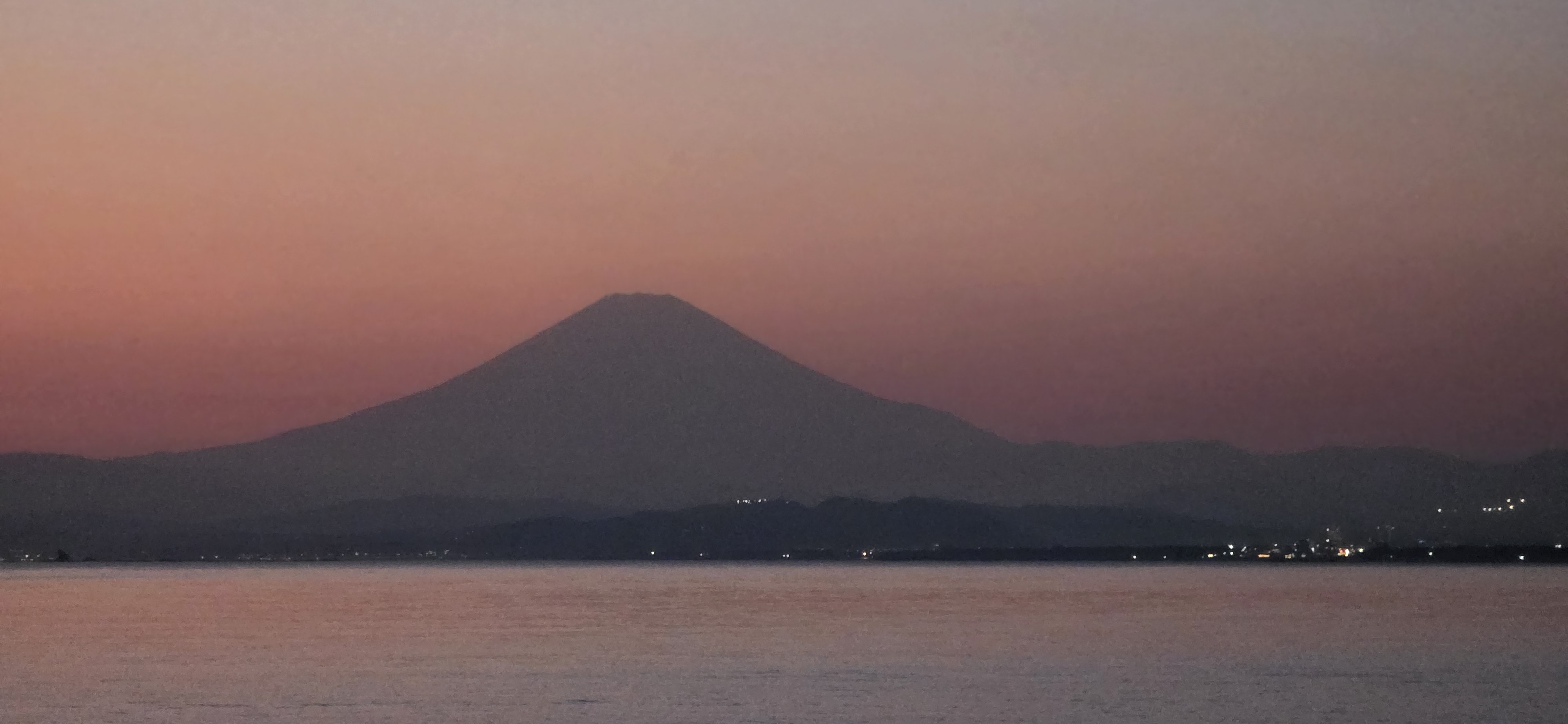
Kyoto sees flakes on about 14 February days, but its normal deepest snow is 4 cm, so a white Kinkaku-ji is a lucky morning rather than a plan. The clear air is the reward for Mount Fuji, from Shibuya Sky or the Tokaido Shinkansen, where JR Central says the E seats (D in the Green Car) face the mountain in both directions. The days are stretching fast, too: Tokyo's sunset moves from 5:08 PM on February 1 to 5:35 PM on the 28th, over an hour later than December's 4:28.
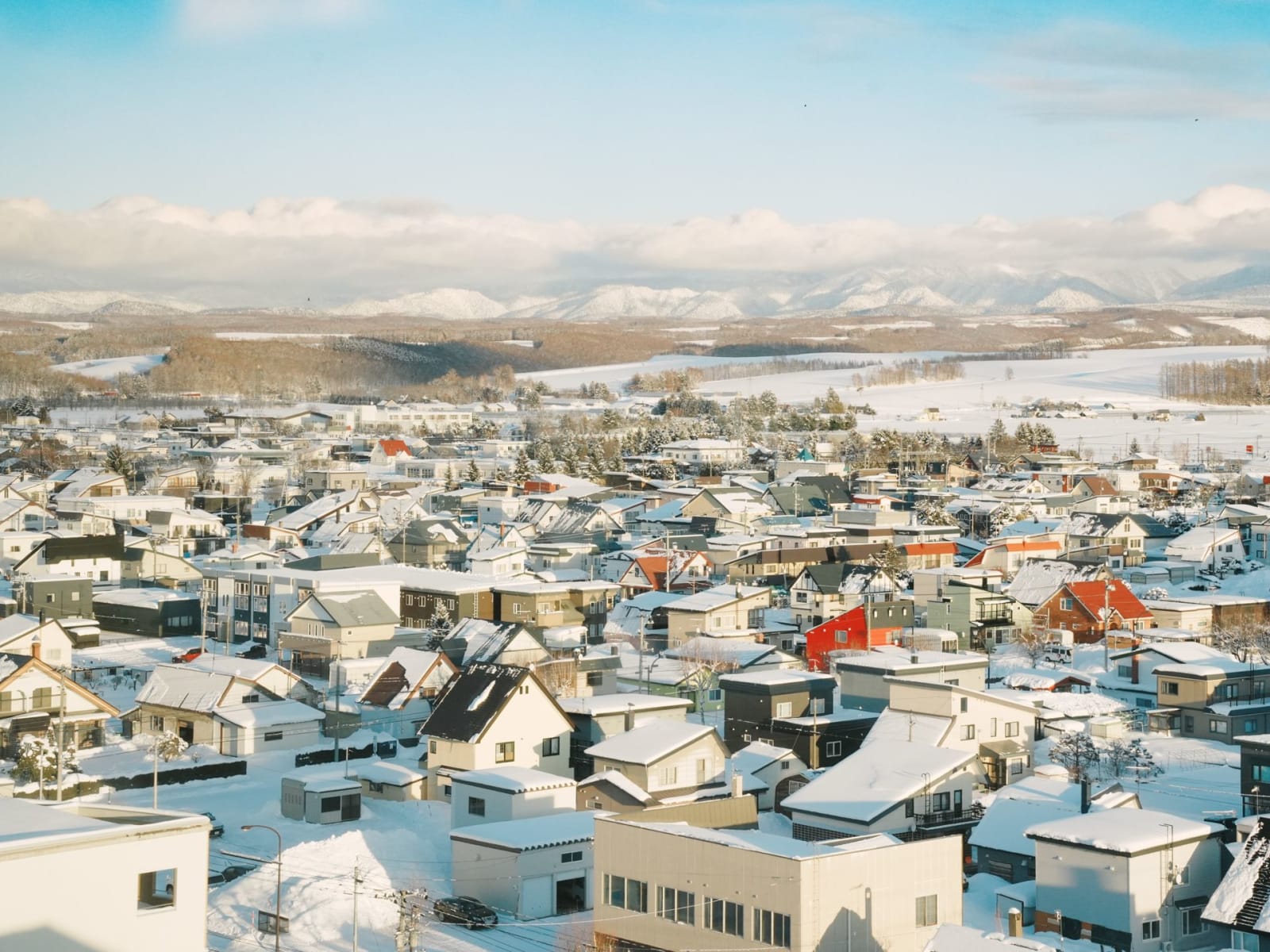
Sapporo is another planet: -6 to 0°C across the month and -7 to -1°C in its first ten days, when the festival opens. Snow falls on about 25 February days, the snow on the ground reaches its normal peak of about 90 cm, and the pavements turn to packed ice. The Sea of Japan coast is grey and snowy rather than frozen: Kanazawa gets 163 mm of rain and snow on about 19 days, with 87 hours of sun all month. Naha holds 15 to 20°C, jacket weather rather than beach weather, and winter is whale-watching season around Zamami in the Kerama Islands.
Sapporo Snow Festival 2027: February 4 to 11

The 77th Sapporo Snow Festival runs Thursday, February 4 to Thursday, February 11, 2027, the National Foundation Day holiday, on three sites. Odori Park carries the headliners: five large snow sculptures along 11 city blocks, built by a Ground Self-Defense Force team and the festival's own committee, with the international snow sculpture contest at the western end. The park is open around the clock and lit until 10 PM, and in 2026 projection mapping played on two of the big sculptures every evening from 5:30. Odori and the Tsudome site counted 2.54 million visits that year.
Susukino, the nightlife district, lines Ekimae-dori with about 60 ice sculptures, some with fish frozen inside, lit until 11 PM (10 PM on the last night). Tsudome, a sports dome in the northeast of the city, is the family site, with tube slides and snow rafting from 10 AM to 4 PM and shuttle buses from Sakaemachi subway station. All three sites are free, though the Odori skating rink and some Tsudome attractions charge. The 2027 program goes up from mid December on the festival's official site.
Otaru, 41 minutes from Sapporo on the Rapid Airport train (¥800), is the other half of the reason to come. The Otaru Snow Light Path runs February 6 to 13, 2027: candles in hand-built snow lanterns along the canal, the disused Temiya rail line and the Otaru Art Village. It is small, quiet and genuinely romantic in a way the Sapporo spectacle is not. The tourism association has posted only the dates so far; lighting hours come later.
For sculpture at another scale, the 68th Asahikawa Winter Festival runs February 6 to 11, 85 minutes from Sapporo on the Lilac limited express (¥5,440 with a reserved seat). Its main snow sculpture is 140 metres wide and 20 metres high, which the organizers rank among the largest in the world. Closer to New Chitose Airport, the Lake Shikotsu Ice Festival (January 30 to February 23; ¥1,000 on weekdays, ¥3,000 at weekends) grows its structures from lake water, and Sounkyo's Ice Fall Festival runs until March 7.
Our 7-Day Hokkaido Winter route is built around the festival week, and the Hokkaido guide covers the rest of the island.
February Hotel Prices: Sapporo Doubles, the Rest Stays Cheap
We priced the cheapest room for two at APA hotels on the chain's own site on September 29, 2026: seven in central Sapporo, four in Shinjuku and five by Kyoto Station. Same chain, same rooms, so the differences come from the calendar.
| Night | Sapporo | Shinjuku | Kyoto Station |
|---|---|---|---|
| Wed Jan 20 | ¥9,400– | ¥14,000– | ¥6,500– |
| Wed Feb 3 | ¥20,600– | ¥14,000– | ¥6,500– |
| Sat Feb 6 | ¥37,700– | ¥23,200– | ¥10,500– |
| Wed Feb 10 | ¥24,800– | ¥13,000– | ¥6,500– |
| Wed Feb 17 | ¥12,600– | ¥16,000– | ¥7,500– |
| Sat Feb 20 | ¥18,200– | ¥23,300– | ¥14,500– |
| Wed Feb 24 | ¥13,800– | ¥14,000– | ¥10,500– |
What jumps out:
- Festival week doubles Sapporo. At every hotel, the festival Saturday (February 6) cost 1.9 to 2.3 times the Saturday two weeks later, and Wednesday, February 10, 1.5 to 2.4 times the Wednesday after. Against a January Wednesday it is three to four times, and the squeeze starts the night before the festival opens. Four months out, all but one hotel still had rooms on the festival nights we checked: the problem is price, not yet availability.
- Lunar New Year costs nothing extra. Saturday, February 6, the first day of the lunar year, priced like the next two Saturdays in Shinjuku and cheaper than February 20 by Kyoto Station, and the Wednesday after it sat at the January floor.
- Kyoto climbs in late February. Weeknights by Kyoto Station go from ¥6,500 to ¥8,000 in early February to ¥10,500 to ¥13,000 on February 24 and 25, and a Kyoto Saturday costs about twice a Wednesday. Namba in Osaka stayed between ¥6,500 and ¥10,800 on every February weeknight we checked, 28 minutes from Kyoto on the JR Special Rapid.
For areas and specific hotels, see our Sapporo guide and the guides to where to stay in Tokyo, Kyoto and Osaka.
Snow, Skiing and Snow Monsters in February
February is when the snow is deepest. The Japan Meteorological Agency's normals put 171 cm on the ground at Kutchan, the town below Niseko, from mid February, the peak of its season, and 87 cm in Hakuba village. January brings more fresh snow (Kutchan gets 253 cm in January against 187 cm in February), but February skis on the fullest base. Niseko is about two hours by road from New Chitose Airport, and Hakuba about three hours from Tokyo via Nagano; our January guide has the access details, and the snow season tracker shows what the village gauges read this winter.
Three winter sights peak now and need no skis:
- The Zao snow monsters, above Yamagata. Freezing fog and wind-driven snow wrap the summit firs until they become a field of hunched white figures, at their fullest from late January to late February. Zao Onsen is 37 minutes by bus from Yamagata Station (¥1,200), itself 2 hours 38 minutes from Tokyo on the Tsubasa, and the ropeway climbs to the summit fields. Last season's evening light-up ran December 27 to February 22; the new calendar normally appears in October or November.
- The snow monkeys of Jigokudani, wild macaques soaking in their own hot spring with snow on their heads, most reliably from late December to early March, when the cold drives them into the water. From Nagano Station it is a 41-minute bus and a 35-minute forest walk, and entry is ¥1,000 at the gate from December 1, 2026 (¥880 online).
- The Yokote Kamakura Festival, in Akita's snow country, which moved in 2026 to the second Friday and Saturday of February: February 12 and 13, 2027, not the February 15 and 16 still printed across the web. Children sit inside the snow huts and invite you in for amazake and mochi, a tradition the city dates back about 450 years, and one of the warmest things you can do in a Japanese winter. Yokote is about four and a half hours from Tokyo, on the Komachi to Omagari and a 17-minute local train, and Akita city is the usual fallback base.
Plum Blossoms and the First Cherry Blossoms
Japan's blossom year does not start with cherries in April. It starts with plum, ume. The Japan Meteorological Agency's benchmark plum trees normally open on January 22 in Tokyo, February 3 in Mito and February 22 in Kyoto, and the dates swing: in the cold winter of 2025, Mito's opened on February 26 and Kyoto's on March 11. Ume is a different experience from cherry blossom and better in some ways: the trees flower one after another over weeks rather than all at once, the blossoms run from white through pink to deep crimson, and they carry a sweet fragrance that cherry blossoms mostly lack.

- Kairakuen in Mito, one of Japan's three great gardens, with about 3,000 plum trees of about 100 varieties, and a grove on the Ministry of the Environment's list of 100 fragrant landscapes. The Mito Plum Festival, held since the Meiji era, runs through February and March with a temporary Kairakuen Station; the 2027 dates aren't posted yet. The Hitachi limited express reaches Mito from Ueno in about 65 minutes (¥4,000 with a reserved seat).
- Kitano Tenmangu in northwest Kyoto, the shrine of Sugawara no Michizane, the deity of learning, with about 1,500 plum trees of 50 varieties. The plum garden usually opens in early February, with the best of it from late February to mid March. On Thursday, February 25, the anniversary of Michizane's death, the shrine holds the Baikasai, a rite it traces back about 900 years, and since 1952 geiko and maiko from the neighboring Kamishichiken district have served tea at an open-air ceremony under the blossoms.
- Yushima Tenjin in Tokyo, near Ueno, a plum spot since the Edo period, with about 300 trees, mostly white. The Bunkyo Plum Festival runs there from early February to early March (February 8 to March 8 in 2026), with open-air tea on Sundays. It is also a shrine to Michizane, so in exam season the trees bloom over racks of wooden ema plaques carrying students' prayers, which is February in Japan in a single image.

Then the real preview: Kawazu-zakura, an early-flowering cherry from the town of Kawazu on the Izu Peninsula. About 850 trees line the Kawazu River and some 8,000 grow across the town, flowering from early February to early March. The festival committee's full-viewing declaration came between February 12 and 28 in each of the last five years (February 13 in 2026), about a month before Tokyo's cherries normally open, and our cherry blossom tracker follows it. The 2026 festival ran February 7 to March 8, with the riverside lit from 6 to 9 PM and canola flowers under the trees; the 2027 dates aren't out yet.
The Odoriko limited express runs direct from Tokyo Station in about 2 hours 27 minutes (¥6,380 with a reserved seat). The town counts about a million visitors a year and warns of heavy traffic at peak, so take the train and go midweek if you can. It is not the soft cloud of April's somei-yoshino, but standing under full cherry blossom in February while the north is still shoveling snow is a genuinely strange pleasure.
Crowds and Trains in February 2027
February's monthly totals look low only because it has 28 days. JNTO counted 3.47 million foreign arrivals in February 2026, which per day (about 124,000) beat every other month of 2026 so far. February 2025 had that year's lowest total, but per day it sat mid-table.
Lunar New Year falls on Saturday, February 6, 2027. In 2026, when it came on February 17, February was the busiest month of the first half year for arrivals from both mainland China and Hong Kong. It barely registers otherwise: nothing in Japan closes for it, and it did not show up in the hotel prices above.
The trains are the calmest of the winter. JR Central's calendar has no busy days in February 2027 and no all-reserved Nozomi days, and it prices Monday-to-Thursday departures off-peak (¥200 off a reserved seat) except around the two holidays, both midweek this year: National Foundation Day on Thursday, February 11 (the Snow Festival's last day) and the Emperor's Birthday on Tuesday, February 23. Neither makes a long weekend.
One operational note: heavy snow can delay flights at New Chitose and trains on the Sea of Japan side. Build slack into Hokkaido travel days and keep the last night before an international flight in the departure city.
February 2027 Events, Date by Date
| Date | Event | Where |
|---|---|---|
| To Sun Feb 7 | Kobe Luminarie (from Jan 29) | Kobe |
| Tue–Thu Feb 2–4 | Setsubun festival (bonfire Feb 3) | Yoshida Shrine, Kyoto |
| Wed Feb 3 | Setsubun bean-throwing | Senso-ji, Kitano Tenmangu and more |
| Thu–Thu Feb 4–11 | Sapporo Snow Festival | Sapporo |
| Sat Feb 6 | Lunar New Year (not a Japanese holiday) | n/a |
| Sat–Thu Feb 6–11 | Asahikawa Winter Festival | Asahikawa |
| Sat–Sat Feb 6–13 | Otaru Snow Light Path | Otaru |
| Thu Feb 11 | National Foundation Day | Nationwide |
| Fri–Sat Feb 12–13 | Yokote Kamakura Festival | Yokote, Akita |
| Sun Feb 14 | Valentine's Day; last night of the Marunouchi and Ashikaga lights | Nationwide |
| Sat Feb 20 | Saidai-ji Eyo (by its third-Saturday rule) | Okayama |
| Tue Feb 23 | Emperor's Birthday; Lake Shikotsu Ice Festival ends | Nationwide |
| Thu Feb 25 | Baikasai plum festival | Kitano Tenmangu, Kyoto |
| To Sun Mar 7 | Sounkyo Ice Fall Festival | Hokkaido |
Setsubun falls on Wednesday, February 3, 2027, the eve of the first day of spring in the old calendar, and Japan marks it by throwing roasted soybeans to chase out bad luck. At Senso-ji in Asakusa, men born in the year's zodiac sign scatter beans from a stage beside the main hall, joined by entertainers with Asakusa ties, and the chant is only "fuku wa uchi" (luck, come in), because the temple says no demons stand before Kannon.
Kyoto's Yoshida Shrine runs three days, with about 800 stalls on the 2nd and 3rd: demon-chasing on the 2nd, then a bonfire of old amulets on the 3rd. Kitano Tenmangu adds kyogen and a dance by Kamishichiken's geiko and maiko before its bean-throwing. Catch the flying beans and eat one more than your age. Convenience stores sell ehomaki, fat uncut sushi rolls to be eaten in silence while facing the year's lucky direction, which the packaging helpfully specifies.
Valentine's Day runs on reversed rules: women give chocolate to men, and the language distinguishes honmei-choco (true feelings) from giri-choco (obligation chocolate for coworkers). Men reciprocate on White Day, March 14. For a visitor the payoff is the department stores, which run Valentine's chocolate fairs in the weeks before.
Saidai-ji Eyo, Okayama's naked festival, is held on the third Saturday of February, which makes it February 20 in 2027; the temple hasn't posted the 2027 details. At 10 PM the lights go out and the head priest drops a pair of sacred sticks, the shingi, into about 9,000 men in loincloths, a rite the temple dates to 1510. It is not a gentle spectacle: two participants died after the 2026 festival, and the temple has pledged to renew its commitment to safety, so watch from the edge and check its schedule page for the 2027 rules. Saidaiji Station is 17 minutes from Okayama on the Ako Line.
The winter lights, from Kobe Luminarie to Marunouchi's champagne-gold street trees, are all on the winter festivals tracker.
What to Pack for Japan in February
- A real winter coat, hat and gloves. Tokyo and Kyoto ask for a warm city coat; Hokkaido and the ski towns ask for the serious one.
- Layers underneath, because trains, shops and restaurants are heated hard. You will dress and undress all day, and Uniqlo's Heattech is the easy fix if you underpacked.
- Waterproof boots with grip for anywhere north of Tokyo. In Sapporo, strap-on ice cleats cost about ¥1,000 at convenience stores, station kiosks and the festival's official shop, which also lends walking poles for free; the locals shuffling flat-footed across intersections are demonstrating correct technique.
- Kairo, the disposable heat packs sold at every konbini. One in each pocket changes a day outdoors, and the stick-on type under a base layer is the Snow Festival cheat code.
- Lip balm and moisturizer. Tokyo's February humidity averages 52 percent, and hotel rooms with the heating on are drier still.
February vs January vs March
Pick January if value and fresh snow are the whole point: floor-price weeknights from January 4, Tokyo's sunniest month, and the heaviest snowfall of the season. The trade: the New Year closures, Tokyo's coldest month, and no blossoms beyond Okinawa and Tokyo's first plums. The full case is in Japan in January.
Pick March if you are chasing the cherry blossoms. Early March still prices close to January and the plums run on, but from about the 20th the cherries open and Kyoto rooms more than double. See Japan in March.
Pick February if you want winter at full power and the first act of spring in the same trip. It is the only month when the Sapporo Snow Festival, the deepest snow base, the plum festivals and a river of early cherry trees all overlap, with weeknight hotels at January prices everywhere except Sapporo in festival week. For the year-round comparison, the Best Time to Visit Japan guide breaks down all twelve months.
A 10-Day February Route
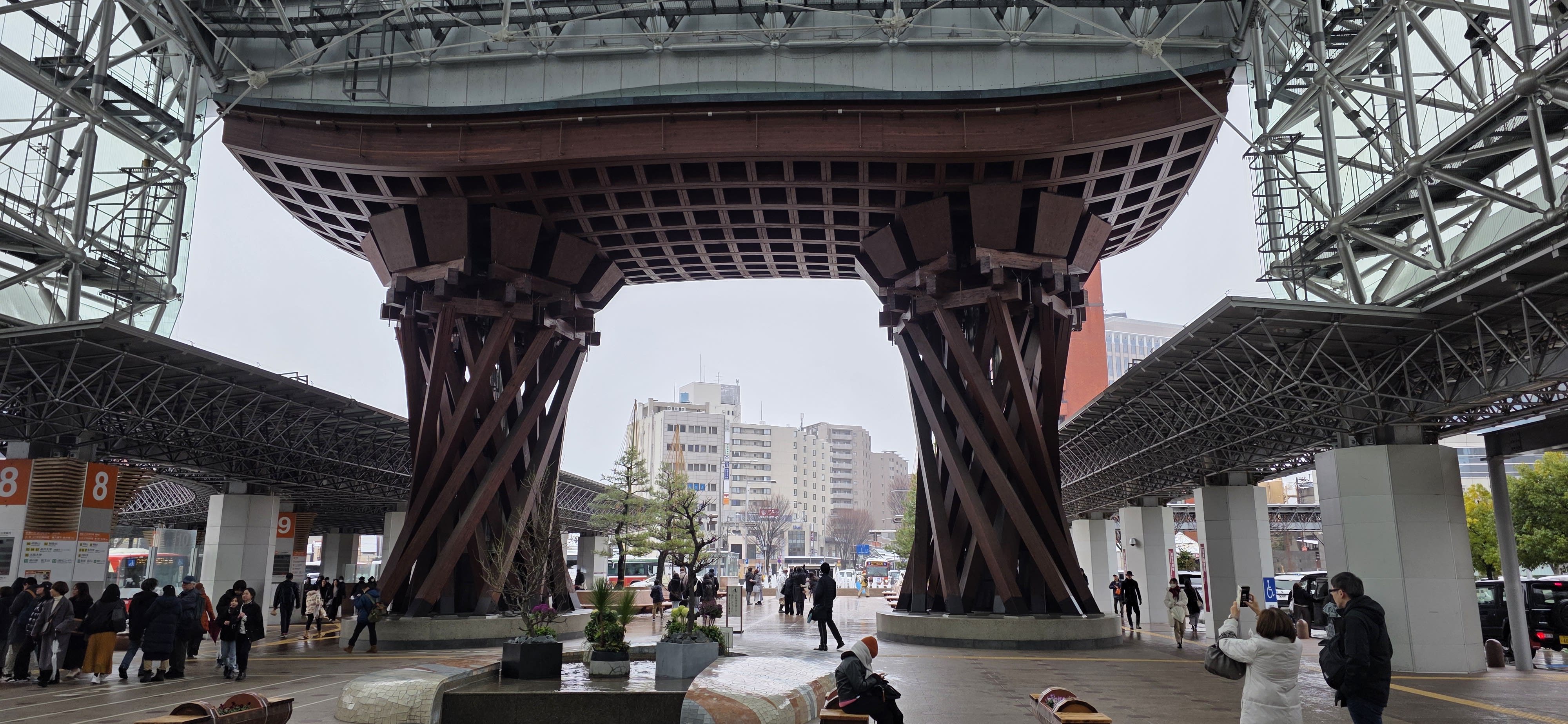
Our 10-Day Winter Japan itinerary (Tokyo, Kanazawa, Kyoto, Osaka) is built for exactly this season: Fuji views in Tokyo, Kenroku-en under snow with its yukitsuri ropes up, and Kyoto at winter prices. The February adjustments:
- Traveling in early February: bolt a Hokkaido loop onto the front. Fly into New Chitose (43 minutes from Sapporo by rapid train), take two or three nights for the Snow Festival and an Otaru evening, then fly back and run the main route. Price the Sapporo nights before anything else in the trip.
- Traveling mid-to-late February: spend one Tokyo day on the Odoriko down to Kawazu for the early cherries, and time your Kyoto leg for the 25th if you can, for the Baikasai at Kitano Tenmangu. Kairakuen in Mito also works as a Tokyo day trip once the plum festival opens.
- Either way: keep the Kanazawa leg. Kenroku-en has free early entry from 6 AM through February, and Ishikawa's winter stars fill the counters of Omicho Market: snow crab, and fatty buri from the Noto set nets. Nobody plans a February trip around eating. It happens anyway.
Open the template in the trip planner, set your dates, and shift the pieces around whichever festival week you are aiming at.
Frequently Asked Questions
Is February a good time to visit Japan?
Yes, if you like winter. The north is at full strength, with the Sapporo Snow Festival on February 4 to 11, 2027 and the deepest ski base of the year, while Tokyo averages 2 to 11°C in its driest month and the first plum blossoms open. Weeknight hotels stay at January prices almost everywhere: ¥7,500 to ¥9,000 for two at APA hotels by Kyoto Station in mid February. The exception is Sapporo in festival week, at about double its normal February rate. It is not empty: 3.47 million foreign visitors arrived in February 2026.
What is the weather like in Japan in February?
Tokyo averages 2 to 11°C and gets 57 mm of rain on about five days, making it the city's driest month, with around six hours of sun a day; snow falls on three or four days but rarely settles. Kyoto is 2 to 10°C and Osaka 3 to 11°C. Sapporo sits at -6 to 0°C with snow on about 25 days and about 90 cm on the ground, Kanazawa gets 163 mm of rain and snow, and Naha holds 15 to 20°C.
When is the Sapporo Snow Festival 2027, and how far ahead should I book?
February 4 to 11, 2027, at Odori Park, Susukino and Tsudome, all free; Odori's sculptures are lit until 10 PM and Susukino's until 11 PM. Festival nights at APA's Sapporo hotels cost about double the same weekday later in February and three to four times a January weeknight. In late September most still had rooms, so book as soon as your dates are fixed. Otaru's Snow Light Path (February 6 to 13) and the Asahikawa Winter Festival (February 6 to 11) overlap it.
How much are hotels in Japan in February?
Cheap on weeknights. On APA's own site, a room for two by Kyoto Station cost ¥6,500 to ¥10,000 on early and mid February weeknights, rising to ¥10,500 to ¥13,000 in the last week; Namba in Osaka stayed at ¥6,500 to ¥10,800 and Shinjuku at ¥12,000 to ¥17,000. Saturdays cost about 1.5 to 2 times as much. Sapporo is the exception: ¥37,700 to ¥51,800 on the festival Saturday, February 6, against ¥18,200 to ¥22,600 two weeks later. Lunar New Year added nothing.
Can you see cherry or plum blossoms in Japan in February?
Yes. Plums come first: the benchmark trees normally open on January 22 in Tokyo, February 3 in Mito and February 22 in Kyoto, where Kitano Tenmangu holds its Baikasai with geiko serving tea on February 25. Cherries bloom at Kawazu on the Izu Peninsula, where about 850 early Kawazu-zakura line the river and the festival declared full viewing between February 12 and 28 in each of the last five years, 2 hours 27 minutes from Tokyo on the Odoriko.
What events are on in Japan in February 2027?
Setsubun bean-throwing on February 3, the Sapporo Snow Festival on February 4 to 11, Lunar New Year on February 6, the Asahikawa Winter Festival (February 6 to 11) and Otaru Snow Light Path (February 6 to 13), and the Yokote Kamakura Festival on February 12 and 13. Kitano Tenmangu's Baikasai is on February 25, and Okayama's Saidai-ji Eyo is normally held on the third Saturday, which is February 20. National Foundation Day (February 11) and the Emperor's Birthday (February 23) are the holidays.
10-Day Winter Japan
A December to February route: Tokyo's illuminations and clear-sky Fuji views, Kenroku-en's snow-roped pines and crab season in Kanazawa, quieter Kyoto temples, and a last night of Osaka street food.