Hokkaido: Japan's Wild North (2026 Guide)
Japan's northern island does lavender summers, the world's best powder snow, and its finest seafood. When to go, where to base, and how to get around.
Hokkaido is the Japan that doesn't match the brochure: no ancient temples, few crowds, and almost nothing built before 1870. What the northern island has instead is Japan's best food, its emptiest roads, the world's most reliable powder snow, and summers 10 degrees cooler than Tokyo. It rewards a different kind of trip: fewer sights, longer horizons, meals as destinations. This guide covers when to come (the season decides everything here), the places worth your nights, and the transport math, which differs from the rest of Japan in one big way: you fly, you don't Shinkansen.
The Season Is the Itinerary
Nowhere else in Japan does the calendar change the trip this much. Hokkaido is really two destinations sharing an island:
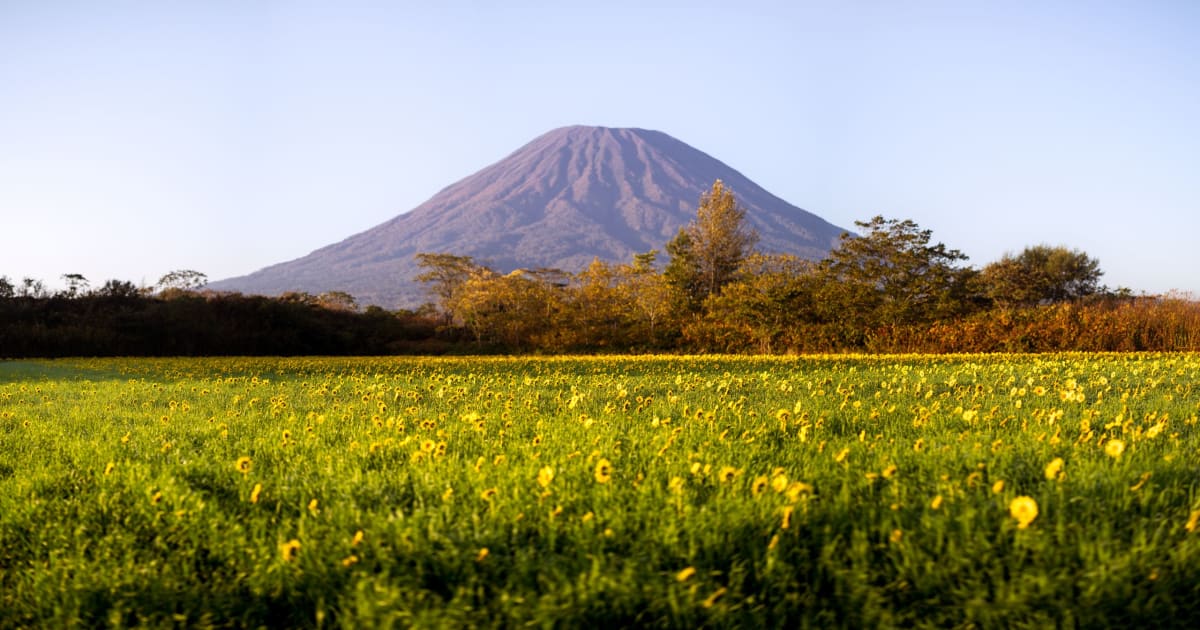
Summer Hokkaido (June to September) is the escape hatch from Honshu's heat: 20–26°C days while Tokyo sits at 35, green farmland to the horizon, and the famous lavender fields of Furano, at their best in early to mid-July. This is prime road-trip and hiking country, and it's what our 7-Day Hokkaido Summer route is built around. Book July accommodation months out; Furano has few beds and everyone wants the same two weeks.

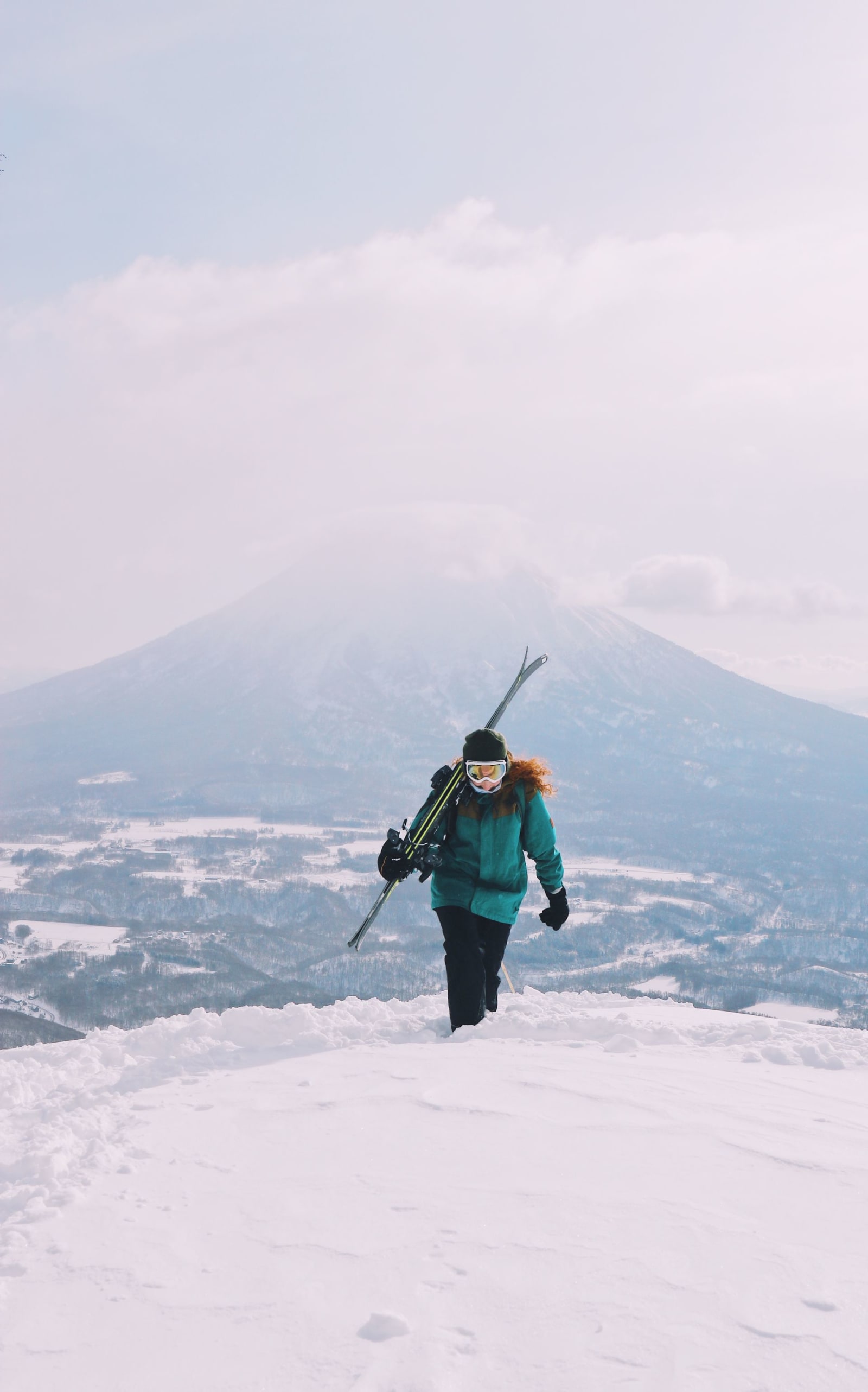
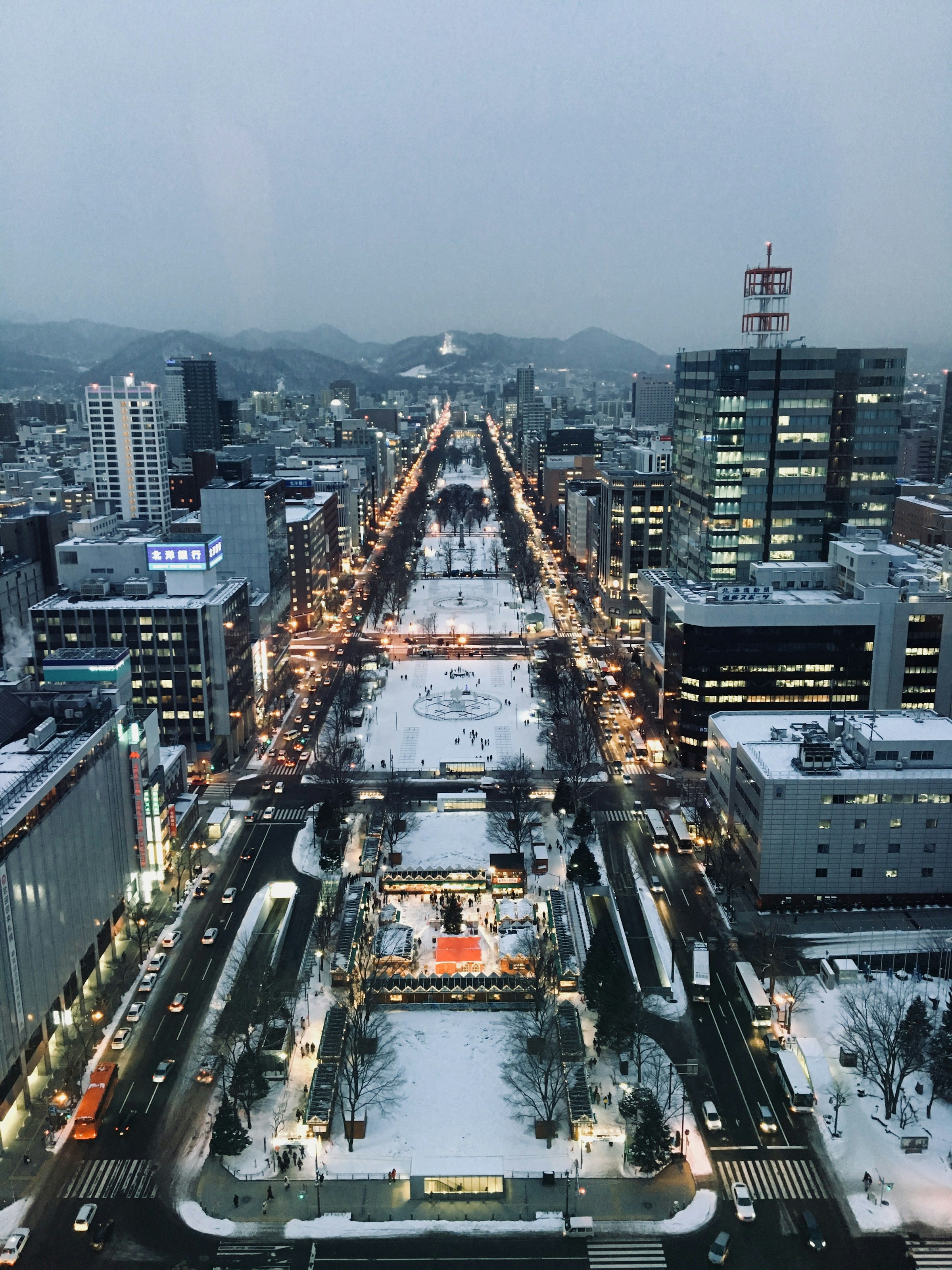
Winter Hokkaido (December to March) is a different planet: metres of the light, dry powder that made Niseko a global ski name, drift ice off the Okhotsk coast from late January, and the Sapporo Snow Festival, running February 4–11 in 2027, when Odori Park fills with snow sculptures up to 15 metres tall across three sites. Winter here is cold in a way Honshu winters aren't (Sapporo sits under snow for four months straight), but the payoff per shivering minute is enormous. Our 7-Day Hokkaido Winter route is built around the festival, and the February guide covers the wider window. For when the snow arrives and when Niseko, Rusutsu, Kiroro, Furano and Tomamu open, see the snow season tracker.
The honest small print: avoid November and April. Locals call the thaw the mud season for a reason: the snow is gone or going, the green hasn't arrived, and half the seasonal attractions are closed for changeover. May (blossoms reach Hokkaido a month after Tokyo) and late September to October (Japan's first foliage; Daisetsuzan leads the whole country, tracked on our foliage forecast page) are the quiet-value picks.
Where to Spend Your Nights
Sapporo: 2–3 Nights, and the Best Food City Per Yen in Japan
Japan's fifth-largest city is laid out on a grid (a rarity that makes it instantly navigable) and exists, from a traveller's perspective, mostly to feed you. Miso ramen was invented here, soup curry is the local religion, jingisukan (grilled lamb around a dome-shaped pan) is the group dinner, and the Susukino entertainment district keeps it all open past midnight. Daytime is Odori Park, the Sapporo Beer Museum, and the night view from Mt. Moiwa. It's also the logical base: the airport rapid train reaches Sapporo Station in 40 minutes, and day trips fan out by rail.
Otaru: The Day Trip Everyone Takes, Correctly
Forty minutes from Sapporo by train, Otaru is a preserved herring-boom port town: a gas-lit canal lined with stone warehouses, glassblowing workshops, and sushi that justifies the trip alone (the town's Sushiya-dori has been at it for a century). In February its canal glows with the Snow Light Path festival, and in any season it's best in the late afternoon, after the tour buses leave and before the canal lamps come on.
Hakodate: 1–2 Nights at the Island's Southern Door
The port that opened Japan to the world in the 1850s kept the evidence: a hillside of churches and Western merchant houses, a star-shaped fort (Goryokaku, tower ¥900, and no.2 on Japan's 100 Fine Castles), and the Mt. Hakodate night view (ropeway ¥1,800 round trip), routinely ranked among the world's best. Come hungry: the morning market's kaisen-don, a rice bowl buried under uni and crab, is the island's definitive breakfast. Hakodate is also where the Shinkansen from Tokyo currently ends, which makes it the natural first or last stop of a rail-based trip.
Furano and Biei: 1–2 Nights of Postcard Farmland
Two hours from Sapporo, Furano is the lavender headline, but neighbouring Biei's patchwork hills and the milky-turquoise Blue Pond are arguably the better half of the visit. One honest warning from our own itinerary-building: Biei's sights are scattered across farmland with thin bus service, so rent a car for that day or join a half-day sightseeing bus; on foot you'll see two spots instead of ten.
Noboribetsu: The Onsen Night
Hokkaido's most famous hot-spring town sits an hour south of Sapporo by limited express, conveniently on the way back to the airport. The baths draw from Jigokudani ("Hell Valley"), a steaming volcanic crater you can walk into on boardwalks before dinner. It's the island's version of the ryokan night every Japan trip should include; our onsen etiquette guide covers the ritual.

Niseko and the Far East: For Trips of 10+ Days or Second Visits
Niseko (two hours west of Sapporo) is the powder capital: reliably deep, reliably light, and in season reliably full of Australians, with international pricing to match. Skiers should treat it as the trip's anchor; non-skiers can skip it without guilt. The far east (Shiretoko's World Heritage wilderness, the winter drift ice at Abashiri, red-crowned cranes at Kushiro) is spectacular and genuinely remote: distances out there make it a dedicated trip, not an add-on.
Getting There: Fly. Really.
Tokyo to Sapporo's New Chitose Airport takes about 90 minutes in the air, from around ¥8,000, on one of the world's busiest air routes, with the rapid train reaching Sapporo Station in 40 minutes (¥1,780 covers the ride onward to Otaru). The Hokkaido Shinkansen currently ends at Shin-Hakodate-Hokuto: 4.5 hours and ¥22,690 from Tokyo, then another 3.5 hours of limited express to reach Sapporo. The long-promised extension to Sapporo has been delayed to around 2038, so for the foreseeable future the train only makes sense if Hakodate itself is on your route or you're maximising a JR Pass.
A tidy routing for a Hokkaido-plus-Tokyo trip: fly Tokyo → Sapporo, work south through Noboribetsu to Hakodate, and take the Shinkansen back, turning the dead travel day into a scenic one.
Getting Around: Rail Pass or Rental Car
- The Hokkaido Rail Pass (JR Hokkaido's own pass, separate from the national JR Pass) costs ¥22,000 for 5 days, ¥28,000 for 7, ¥37,000 for 10 when bought before arrival (add ¥1,000 in Japan). It covers every JR Hokkaido line: Sapporo, Otaru, Hakodate, Asahikawa, Furano, and the eastern outposts, on unlimited limited-express trains. It does not cover the Shinkansen itself. For any itinerary touching three or more towns, it pays for itself quickly.
- A rental car is the summer upgrade: Hokkaido's roads are wide, empty, and signposted in English, and the best of Biei and the east is car-only territory. In winter, only drive if you already know snow driving; the rental desks fit studless tires, but the black ice is real.
- Mind the distances. Hokkaido looks compact on a Japan map and isn't: it's the size of Austria. Sapporo to Shiretoko is a six-hour drive. Build the trip around one region per 3–4 days, not laps of the island.
Eat Like You Mean It
Hokkaido supplies much of Japan's seafood and dairy, and eating is a legitimate reason to come:
- Miso ramen: born in Sapporo, best in the ramen alleys of Susukino, ¥900–1,200 with the corn-and-butter option locals pretend is for tourists and order anyway.
- Soup curry: Sapporo's own dish, a spiced broth with a whole braised chicken leg and roasted vegetables, ¥1,200–1,800.
- Kaisen-don: the seafood rice bowl, at its best in Hakodate's morning market and Otaru, ¥1,500–3,500 depending on how much uni your conscience allows.
- Jingisukan: "Genghis Khan" grilled lamb, the smoky group dinner under the Sapporo Beer Museum's brick roof.
- Dairy everything: Hokkaido soft-serve is a food group. The correct number per day is two.
For the wider context on eating well in Japan, our restaurant guide has the playbook.
Is Hokkaido Right for Your Trip?
First trip to Japan, 14 days or fewer: do the classic route instead. Hokkaido has no Kyoto, and it's the wrong introduction if temples and neon are the dream. First trip but you care most about food, nature, and space: Hokkaido stands alone, especially in July. Second trip: this is the classic answer to "where now?", exactly because the standard itinerary skips it. Skiers: you already know, and January is the answer.
When you're ready to lay it out, open the 7-Day Hokkaido Summer or 7-Day Hokkaido Winter template in the trip planner and bend it to your dates, or use our trip-length guide to see where a northern leg fits in a longer route.
Frequently Asked Questions
How many days do you need in Hokkaido?
Seven days covers one region well: Sapporo with an Otaru day trip, Furano and Biei, and an onsen night at Noboribetsu. Ten or more days lets you add Hakodate or the Niseko ski fields. Hokkaido is the size of Austria, so plan one region per three to four days rather than circling the island.
Is it better to fly or take the train to Hokkaido?
Fly. Tokyo to New Chitose Airport takes about 90 minutes from around 8,000 yen, and the airport train reaches Sapporo in 40 minutes. The Shinkansen only reaches Shin-Hakodate-Hokuto (4.5 hours, 22,690 yen), still 3.5 hours short of Sapporo, and the extension has been delayed to around 2038.
When is the best time to visit Hokkaido?
July for the lavender fields and mild 20 to 26 degree summer weather, or late January to February for powder snow, drift ice, and the Sapporo Snow Festival (February 4 to 11 in 2027). Avoid November and April, the muddy changeover seasons when many attractions close.
Is the JR Pass worth it for Hokkaido?
Usually the regional pass beats the national one: the Hokkaido Rail Pass costs 22,000 yen for 5 days or 28,000 yen for 7 (bought before arrival) and covers all JR Hokkaido lines including Furano and Hakodate, though not the Shinkansen. The 50,000 yen national JR Pass only makes sense if you are also doing long Honshu legs on the same trip.
Do you need a car in Hokkaido?
Not for the main route: Sapporo, Otaru, Hakodate, Furano, and Noboribetsu all connect by train. A car earns its keep for the Biei hills and Blue Pond, which have thin bus service, and for eastern Hokkaido generally. In winter, skip driving unless you have real snow-driving experience.
What food is Hokkaido famous for?
Miso ramen and soup curry were both born in Sapporo, jingisukan grilled lamb is the local group dinner, and the seafood rice bowls (kaisen-don) in Hakodate's morning market and Otaru are the best in Japan. Hokkaido also produces much of Japan's dairy, so the soft-serve ice cream is a genuine attraction.
7-Day Hokkaido Summer
Hokkaido on its own terms, not the Golden Route: three nights of Sapporo food with an Otaru day trip, two nights among Furano's lavender and Biei's patchwork hills, and a final onsen night in Noboribetsu. Cool summer air, open farmland, and a seafood breakfast at Sapporo's Nijo Market.