How Many Days Do You Need in Japan? (2026 Guide)
Ten days is the sweet spot for a first trip, and seven works with the right route. Here's what each trip length realistically buys you.
Ten days is the sweet spot for a first trip to Japan. That's enough for Tokyo, Kyoto, and Osaka at a humane pace, plus one smaller stop like Hakone or Nara, without the trip turning into a packing marathon. Seven days works if you keep it to Tokyo and Kyoto. Fourteen days is where the trip gets genuinely comfortable and Hiroshima or the Japanese Alps fit in. And if you have fewer than five days, stay in Tokyo: you'll see more by moving less.
That's the short answer. The rest of this guide is the math behind it, what each trip length realistically buys you, and the one planning mistake that ruins more first itineraries than anything else.
First, Count Your Real Days
A "10-day trip" is not 10 days of sightseeing. Before you assign cities to days, subtract the overhead:
- Arrival day is half a day at best. Most long-haul flights land in the afternoon, and by the time you clear immigration, pick up an IC card, and reach your hotel (60–90 minutes from either Tokyo airport), the day is dinner and a walk. See our airport-to-Tokyo guide for the details.
- Departure day is worth almost nothing. You need to be at the airport 3 hours before an international flight, and the trip there takes another hour-plus. A morning flight erases the whole day.
- Jet lag is real for 1–2 days if you're coming from the Americas or Europe. You'll still function, but plan lighter days at the start, not your one shot at a 6 AM fish market or a day hike.
- Every city change costs about half a day. Checking out, hauling luggage to the station, the train itself, checking in, reorienting. The Shinkansen is fast; the stuff around it isn't.
The working rule: usable days = total days minus 2, minus half a day per city change. A 7-day trip with three bases has about four and a half real sightseeing days. That number, not the number on your flight booking, is what your itinerary has to fit inside.
What Each Trip Length Buys You
| Days | What's realistic | Ready-made plan |
|---|---|---|
| 3–4 | Tokyo only. Enough for the greatest-hits neighborhoods plus one day trip (Kamakura or Nikko). | 3-Day Tokyo Highlights |
| 5–6 | One region done properly: Tokyo with two day trips, or fly into Osaka for Kyoto, Nara, and Osaka. | 5-Day Kansai |
| 7 | Tokyo + Kyoto, with Osaka as an evening or a day trip. Two bases, no more. | 7-Day First-Timer |
| 10 | The sweet spot: Tokyo, Hakone or Nikko, Kyoto, Nara, Osaka. Three bases, breathing room included. | 10-Day Autumn Route (works any season) |
| 14 | The classic route plus Hiroshima and Miyajima, or a detour through Kanazawa and Takayama. | Classic 2-Week Japan |
| 21+ | The classic route plus a whole extra region: Kyushu, Hokkaido, or Okinawa. | Combine templates in the trip planner |
Notice what's missing from the short trips: Hiroshima. It's about four hours from Tokyo by Shinkansen, and squeezing it into a 7-day trip means two half-days lost to trains. It belongs in a 10-day trip only if you drop Hakone, and it fits properly at 12 days and up.

How Many Days Each Place Deserves
These are minimums for a first visit that doesn't feel like a checklist sprint:
- Tokyo: 3–4 days. You could spend a month, but returns diminish after four days on a first trip. One day each for the west side (Shibuya, Shinjuku), the east side (Asakusa, Ueno), and a themed day (teamLab, Akihabara, or a food crawl), plus a day trip slot.
- Kyoto: 2–3 days. Two full days covers the east side (Kiyomizu, Gion) and the west (Arashiyama, Kinkakuji). The third day is for Fushimi Inari at dawn and the places the crowds miss.
- Osaka: 1–2 days. Osaka is an evening city: Dotonbori, kushikatsu, and a castle in the morning. Many travellers do it as a base for Kyoto instead (hotels are cheaper).
- Nara: half a day. It's 45 minutes from Kyoto or Osaka, and the deer, Todaiji, and the park fit comfortably before dinner.
- Hakone: 1 night. The point is the onsen evening, not the sights. As a rushed day trip it's mostly queueing for the ropeway.
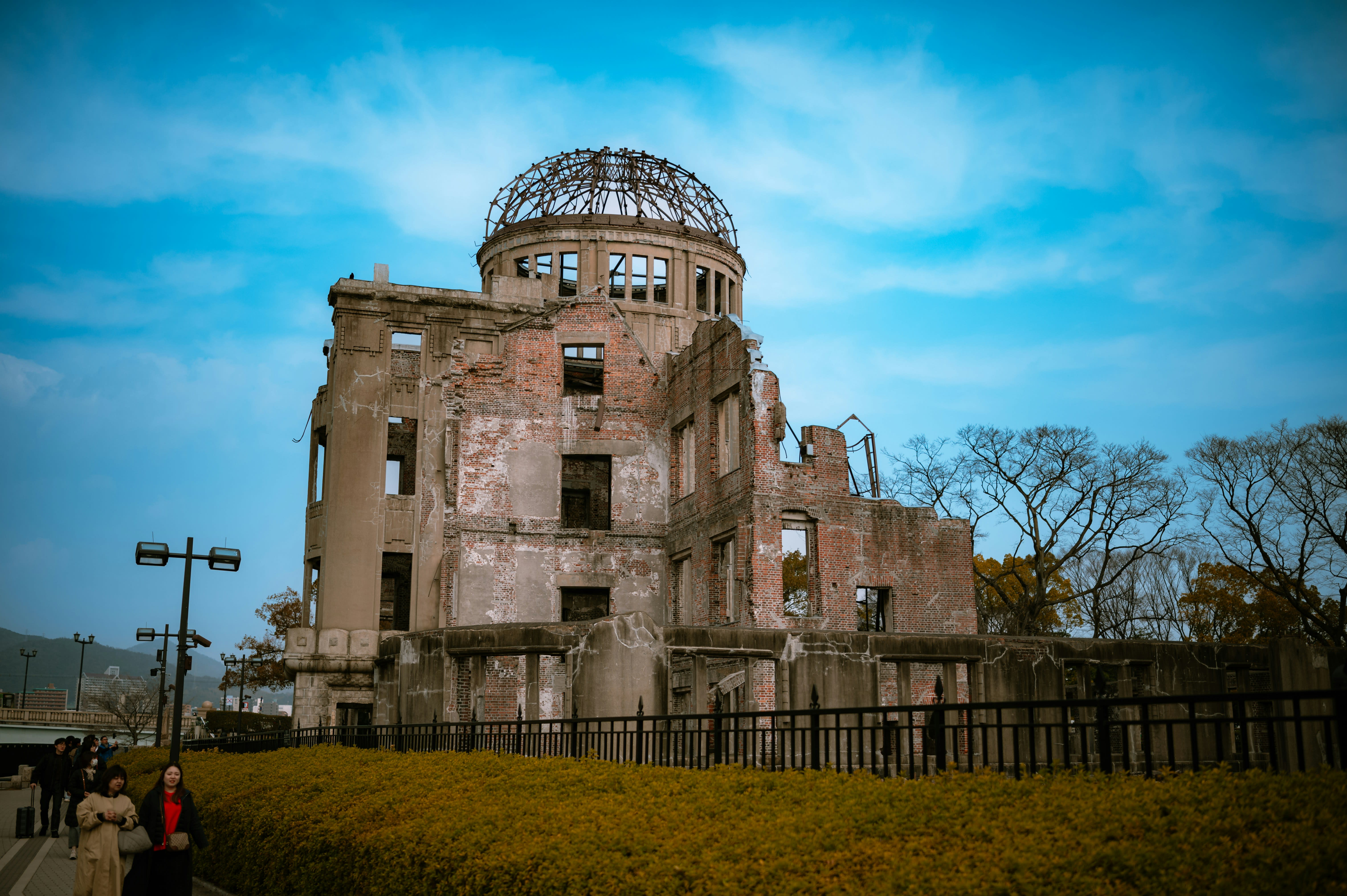
- Hiroshima + Miyajima: 1–2 days. The Peace Memorial Park and Museum deserve an unhurried morning; Miyajima is the afternoon. Staying the night lets you see the torii after the day-trippers leave.
- Kanazawa: 1–2 days and Takayama: 1 day. The classic add-ons for trips of 12+ days, linked by a scenic bus route through Shirakawa-go.
The Mistake That Ruins First Itineraries
Too many bases. The classic overstuffed first itinerary has six hotels in ten days, and every one-night stay silently eats half a day in check-outs, luggage, and trains. You end up seeing train stations at a world-class level.
The fix is simple: minimum two nights per base, and use day trips instead of moves. Tokyo alone puts Kamakura (55 minutes, ¥950), Nikko, and Yokohama within easy reach. Kyoto puts Nara, Osaka, and Kobe within 45 minutes. A 10-day trip needs three bases, not six.
The one exception worth making: a single ryokan night (Hakone, or an onsen town on your route) as a deliberate slow evening. That's a feature, not overhead.
The Best Routing Trick: Fly Into Tokyo, Out of Osaka
Book an open-jaw ticket: land at Narita or Haneda, fly home from Kansai (KIX). It usually costs little or nothing extra on the big carriers, and it saves you the return leg to Tokyo: ¥14,170 and about two and a quarter hours on the Nozomi, plus the half-day of overhead that comes with it. On a 7-day trip, that's the difference between two days in Kyoto and three.
It also changes the JR Pass math: with no round trip, a one-way Tokyo to Kyoto ticket is far cheaper than the ¥50,000 7-day pass. Most one-direction itineraries should skip the pass entirely.
Is 7 Days Enough for Japan?
Yes, for Tokyo and Kyoto, and no, for anything more. A good week looks like this: land in Tokyo, three nights there, Shinkansen to Kyoto on the morning of day four, three nights in Kyoto with a Nara half-day, fly home from Osaka. That's a real trip with unhurried days, and it's exactly what our 7-day template does.
What a week is not enough for is the "Tokyo, Hakone, Kyoto, Osaka, Hiroshima" route that appears in a thousand blog posts. That's five bases in seven days. You'd spend more waking hours in transit than in temples.
Does the Season Change the Answer?
A little. In cherry blossom season and autumn foliage season, add a buffer day if you can: the exact peak moves year to year, and a flexible day lets you chase it. In summer, plan fewer things per day; 35°C heat halves everyone's pace. Winter days are short (sunset before 5 PM), which favors cities over countryside. For the full season-by-season picture, see Best Time to Visit Japan.
However long you go for, budget roughly ¥10,000 per person per day as a backpacker, ¥20,000 mid-range or ¥40,000 in comfort, excluding flights and Shinkansen legs. The full breakdown is in our daily costs guide.
Ready to lay the days out? Start from a template in the free trip planner and bend it to your dates. No account needed.
Frequently Asked Questions
How many days do you need for a first trip to Japan?
Ten days is the sweet spot: Tokyo, Kyoto, and Osaka at a comfortable pace plus one smaller stop like Hakone or Nara. Seven days works if you limit it to Tokyo and Kyoto, and fourteen days fits the classic route plus Hiroshima.
Is 5 days enough for Japan?
Five days is enough for one region done well: Tokyo with a day trip or two, or the Kansai triangle of Kyoto, Nara, and Osaka. Trying to cover both Tokyo and Kyoto in five days means spending most of one day on trains.
Is 7 days enough for Japan?
Yes, for Tokyo and Kyoto only: three nights in each, with Nara or Osaka as a half-day trip from Kyoto. Fly into Tokyo and home from Osaka to avoid the return leg. Adding Hiroshima or Hakone to a week makes the trip feel rushed.
Is 2 weeks too long for Japan?
No. Fourteen days is where a first trip gets comfortable: the Tokyo-Kyoto-Osaka core, Hiroshima and Miyajima, and either Hakone or the Kanazawa-Takayama route, all with time to slow down. Very few travellers come home from two weeks wishing they had booked less.
How many days should I spend in Tokyo?
Three to four days on a first trip. That covers Shibuya and Shinjuku, Asakusa and Ueno, one themed day for your own interests, and a day trip slot for Kamakura or Nikko. Tokyo rewards longer stays, but on a first visit the rest of Japan is worth the remaining days.
Do arrival and departure days count as travel days?
Barely. Most long-haul flights land in the afternoon, and reaching your hotel from the airport takes 60 to 90 minutes, so the arrival day amounts to dinner and a walk. Departure days are consumed by airport logistics. Subtract about two days from your total when planning.
Classic 2-Week Japan
The classic first-timer route in 14 days: Tokyo, a ryokan night in Hakone, Kyoto with a day in Nara, Osaka, and Hiroshima with Miyajima, linked by the Shinkansen.