Japan in August: Obon, Festivals and Surviving the Heat
The hottest month of the year is also the best festival month Japan has. Nebuta, Awa Odori, fireworks nearly every weekend, and the Obon travel crush: what August costs you and what it pays back.
August is the hottest, most humid month on the Japanese calendar, and it is also the month I would tell any festival person to book without apology. Tokyo runs 27 to 35°C with humidity that pushes the feels-like readings past 40, and against that Japan throws its biggest party: six-tonne illuminated floats in Aomori, a hundred thousand dancers in Tokushima, and fireworks over a river somewhere in the country nearly every single night. You trade comfort for atmosphere. That is the deal, stated plainly, before you book anything.
The month runs in three acts. The first week belongs to Tohoku, whose great summer festivals all fire within seven days of each other. The middle belongs to Obon, roughly August 13 to 16, when the entire country travels home at once and transport and hotels seize up in a way only Golden Week matches. The last ten days are quieter and noticeably cheaper, with the catch that typhoon risk climbs week by week.
Here is the weather region by region, how to route around the Obon crush, the festival calendar worth building an entire trip on, and an honest comparison with July and September.
What August Actually Feels Like
On paper, Tokyo averages 25 to 31°C in August. In practice, recent summers have strung together weeks of 35°C days, and the nights stay above 25°C often enough that Japanese has a word for it: nettaiya, tropical night. Kyoto and Osaka run hotter still, 26 to 34°C, and Kyoto's basin holds the heat after dark like a lidded pot. The soundtrack to all of it is cicadas at jet-engine volume. Our summer survival guide covers the full heat-management kit, from electrolyte drinks to which drugstore gadgets actually work; everything in it applies double in August.
| Region | August range | The short version |
|---|---|---|
| Tokyo / Kyoto / Osaka | 25 to 35°C, 75%+ humidity | Hot day and night. Mornings and air-conditioning are your friends |
| Tohoku (Aomori, Akita) | 19 to 28°C | Warm days, genuinely cool evenings, and the best festivals of the year |
| Hokkaido (Sapporo) | 17 to 26°C | The escape hatch: low humidity, open windows at night |
| Mountains (Karuizawa, Kamikochi) | 15 to 26°C | Five degrees or more below Tokyo, cold rivers, thin crowds midweek |
| Okinawa (Naha) | 27 to 32°C, sea 29°C | Peak beach season, constant breeze, peak typhoon exposure |
The structural fix is the clock. Sunrise is around 5:00 AM all month, and the window from 6:00 to 10:00 is when shrines are empty, the light is soft, and the temperature is merely warm rather than hostile. Sightsee then, spend midday indoors, and come back out at dusk. The evenings belong to the festivals, which is where this month earns its keep.
Obon: The Week the Whole Country Moves
Obon is the Buddhist festival for welcoming ancestral spirits home, observed in most of Japan around August 13 to 16. It is not an official holiday, but it functions as the country's summer vacation, and in 2026 Mountain Day falls on Tuesday, August 11, so millions will bridge the gap and take the whole stretch from the 8th to the 16th off. Treat those nine days the way you would treat Golden Week.
What that means in practice:
- Shinkansen reserved seats sell out fast. Reservations open exactly one month before each travel date at 10:00 AM Japan time; for an August 13 train, that is July 13. Book through SmartEX the day sales open. Nozomi trains run all-reserved during the Obon peak, so there is no falling back on the usual unreserved cars.
- Hotel rates roughly double in resort areas, onsen towns, and anywhere with a famous festival. City business hotels in Tokyo and Osaka move less, because the locals are leaving those cities, not arriving.
- Small businesses close. Family-run restaurants, craft shops, and neighbourhood izakaya shut for three to five days so owners can travel home themselves. Chains, konbini, and tourist-district restaurants stay open. If a specific little restaurant is on your list, check its social media for mid-August closure notices before you build a day around it.
- The smartest move is to stop moving. Plant yourself in one city for August 13 to 16 and take day trips at most. The crush is on intercity transport, not inside the cities. Tokyo during Obon is actually pleasant: the trains thin out, and the big sights are no worse than usual.
Worth remembering as you grumble about train tickets: Obon is also the reason August looks the way it does. The dance circles, the lanterns, and the fires in Kyoto all belong to the same festival of the dead. The crush and the atmosphere are a package.
The Festival Calendar
No other month comes close. These are the ones worth planning around, in date order.
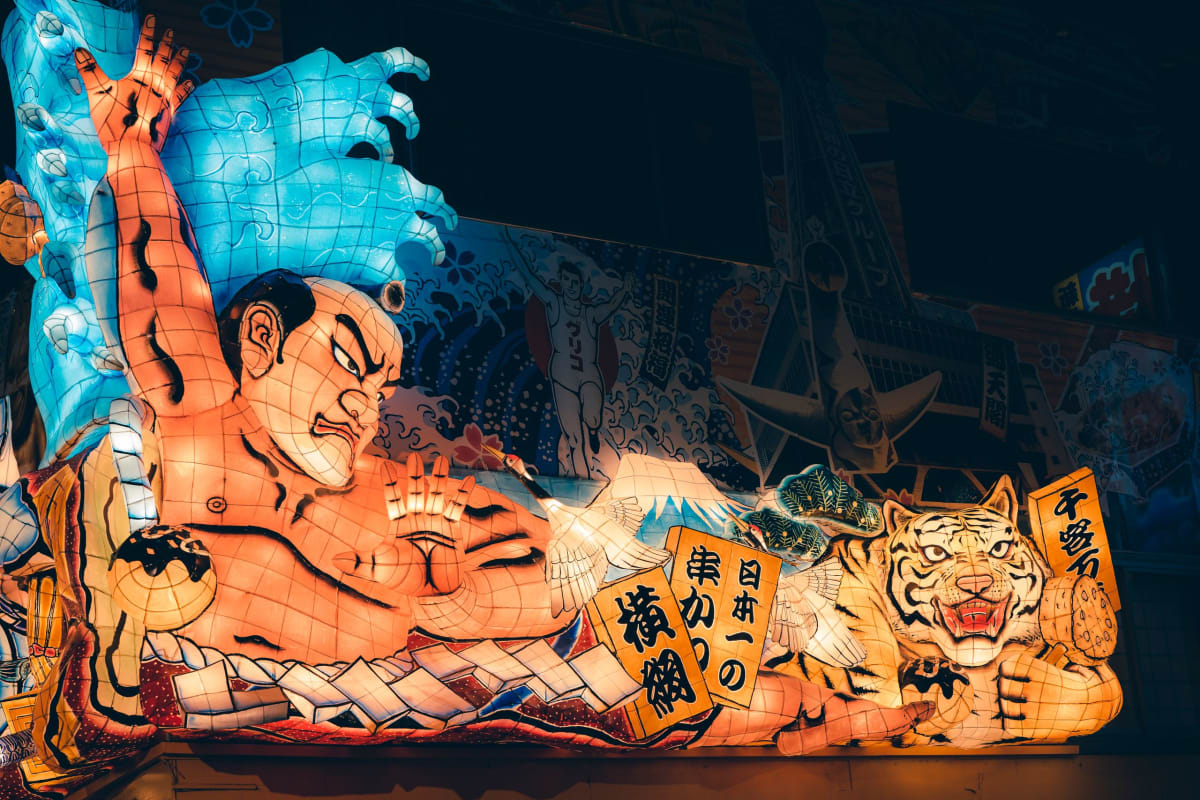
Nebuta Matsuri, Aomori, August 2 to 7. Enormous illuminated paper-and-wire floats paraded through the city at night, surrounded by thousands of haneto dancers chanting in unison. Anyone can join if you show up in the (rentable) haneto costume; nobody checks your rhythm. Aomori's hotels sell out the better part of a year ahead, so base yourself 40 minutes away in Hirosaki, which runs its own Neputa festival the same week.
Kanto Matsuri, Akita, August 3 to 6. Performers balance 12-metre bamboo poles hung with 46 lit paper lanterns, roughly 50 kilograms of fire and physics, on their palms, foreheads, shoulders, and hips. The crowd's collective inhale every time a pole sways is half the show.
Sendai Tanabata, Sendai, August 6 to 8. Hundreds of giant paper streamers strung through the shopping arcades, with a major fireworks display on the evening of the 5th. The gentlest of the big three: you stroll it rather than cheer it.
All three sit on one Shinkansen line with overlapping dates. Festival-chasing Tohoku in the first week of August is one of the great weeks in Japanese travel, in the coolest part of Honshu, while the rest of the country swelters.

Awa Odori, Tokushima, August 12 to 15. Japan's biggest dance festival: over 100,000 dancers in ren troupes working through the streets to a two-beat rhythm that will be stuck in your head until October. Skip the paid stands; the free street stages get you close enough to hear the shamisen over the drums, and the Niwaka-ren, the open troupe, lets anyone dance on the night after a few minutes of instruction. The festival's own slogan translates as "you're a fool if you dance and a fool if you watch, so you might as well dance." It falls squarely inside Obon, so book Tokushima beds months out or day-trip from Takamatsu.
Yosakoi Matsuri, Kochi, August 9 to 12. Awa Odori's louder, younger sibling one prefecture over: 18,000 dancers with wooden clappers, trucks with sound systems, choreography that ranges from traditional to frankly unhinged. Chain it with Tokushima for a week of Shikoku festival hopping.

Gozan no Okuribi, Kyoto, August 16. The quiet one, and maybe the most moving. At 8:00 PM, a giant character for "great" is lit in bonfires on Mount Daimonji, and four more fire pictures follow across the northern hills at five-minute intervals, sending the Obon spirits home. It is a farewell, not a party: no floats, no stalls, just a city watching its hills burn in the half-light. Watch from the Kamo River banks north of Demachiyanagi, arrive an hour early, and note that it is completely free in a month when Kyoto hotel rates are not.
Bon Odori, everywhere, all month. Every neighbourhood in the country runs its own dance evening: a drum tower, paper lanterns, a circle of locals in yukata doing simple repeating steps. You can join any of them. If you are in Tokyo late in the month, Koenji hosts its own Awa Odori on the last weekend of August, with 10,000 dancers packing the streets around the station. It is the best free night out of the Tokyo summer.
Fireworks and Yukata
Hanabi taikai, the big summer fireworks festivals, run nearly every weekend of August, and Japan takes them seriously: shows commonly fire 10,000 to 20,000 shells over an hour or more. The heavyweight is Nagaoka in Niigata on August 2 and 3, one of the acknowledged big three, 90 minutes from Tokyo on the Joetsu Shinkansen; the paid riverside seats are worth reserving when they go on sale in June.
The honest advice for everywhere else: the famous city displays demand a 4:00 PM arrival for a 7:30 show and a crushed train home. A town-scale hanabi taikai, and there will be one within reach of wherever you are staying, gives you an unblocked riverbank view and room for a picnic sheet.
August is also peak yukata season, the one month you will not feel like you are wearing a costume: at any fireworks night, a good share of the crowd is in one. Ready-made sets with obi and geta run ¥5,000 to ¥10,000 at department stores and Don Quijote, or rent near the venue for ¥3,000 to ¥5,000. Cotton yukata are also, genuinely, cooler than jeans.
The Escape Valves
If two weeks of Honshu heat sounds like a sentence rather than a holiday, August is the month to use the country's altitude and latitude.
Hokkaido is the classic move: Sapporo holds 17 to 26°C with humidity Tokyo can only dream about, and Hakodate opens the month with its port festival and three nights of fireworks over the bay. The caveat: every Japanese family has the same idea, so August is Hokkaido's peak domestic season. Book flights and rooms early and skip the rental-car scramble around Obon. Our 7-Day Hokkaido Summer itinerary runs Sapporo, Furano, and Noboribetsu entirely by train, which sidesteps that scramble.
Tohoku is the underrated answer, because the festival week and the cool evenings come as a set. Aomori's August nights drop below 20°C. You can chase Nebuta, Kanto, and Tanabata in a week and never once sweat through a shirt after sunset.
Mountain towns work as mid-trip pressure valves. Karuizawa, an hour from Tokyo on the Hokuriku Shinkansen at 1,000 metres, has been the capital's summer retreat since the 1880s and runs about five degrees cooler. Kamikochi's car-free valley sits at 1,500 metres with rivers cold enough to hurt. Even Hakone, 90 minutes out, cools enough by evening that an open-air onsen makes sense again, which it emphatically does not in central Tokyo.
Okinawa is peak beach season: 29°C water, long evenings, and the major beaches netted against the jellyfish that push swimmers off Honshu coasts from mid-month. Naha for the culture and the food, Ishigaki for the snorkelling. The trade-off: August is the month typhoons most often pass through the Okinawan islands, and a direct hit grounds flights and ferries for one to three days. Go, but book refundable rooms and keep a buffer day before any international connection. Our 7-Day Okinawa Islands itinerary pairs the main island with Ishigaki if you want the full plan.
Typhoons: The Late-August Shift
Typhoon season technically runs all summer, but the main islands mostly stop getting grazed and start getting hit from late August, building to the September peak. For the first half of the month the practical risk on Honshu is low; from around the 20th, check the Japan Meteorological Agency forecast in the week before any long transfer.
The operating rules are simple. If a typhoon is forecast for your Shinkansen day, move the trip a day earlier rather than later, since lines often stay disrupted the day after landfall. JR refunds typhoon-cancelled tickets in full at any station office, and a typhoon day in a city hotel is boring rather than dangerous: konbini and arcades stay open, and the whole thing usually blows through in 24 hours.
What to Pack
- The lightest clothing you own, and more of it: you will sweat through a t-shirt a day. Linen and technical fabrics, no denim.
- A real sun hat and Japanese sunscreen (Anessa or Biore UV, bought on arrival). The August sun is not negotiable between 10:00 and 4:00.
- A cardigan or overshirt for train and museum air-conditioning, which is set to arctic.
- Insect repellent. Festival sites and riverbank fireworks put you next to water at dusk, which is exactly where the mosquitoes hold their own matsuri.
- A small towel or tenugui for the back of your neck. Every local carries one in August. There is no style penalty.
- Sandals you can walk kilometres in. Festival nights involve far more standing and shuffling than you expect.
August vs July vs September
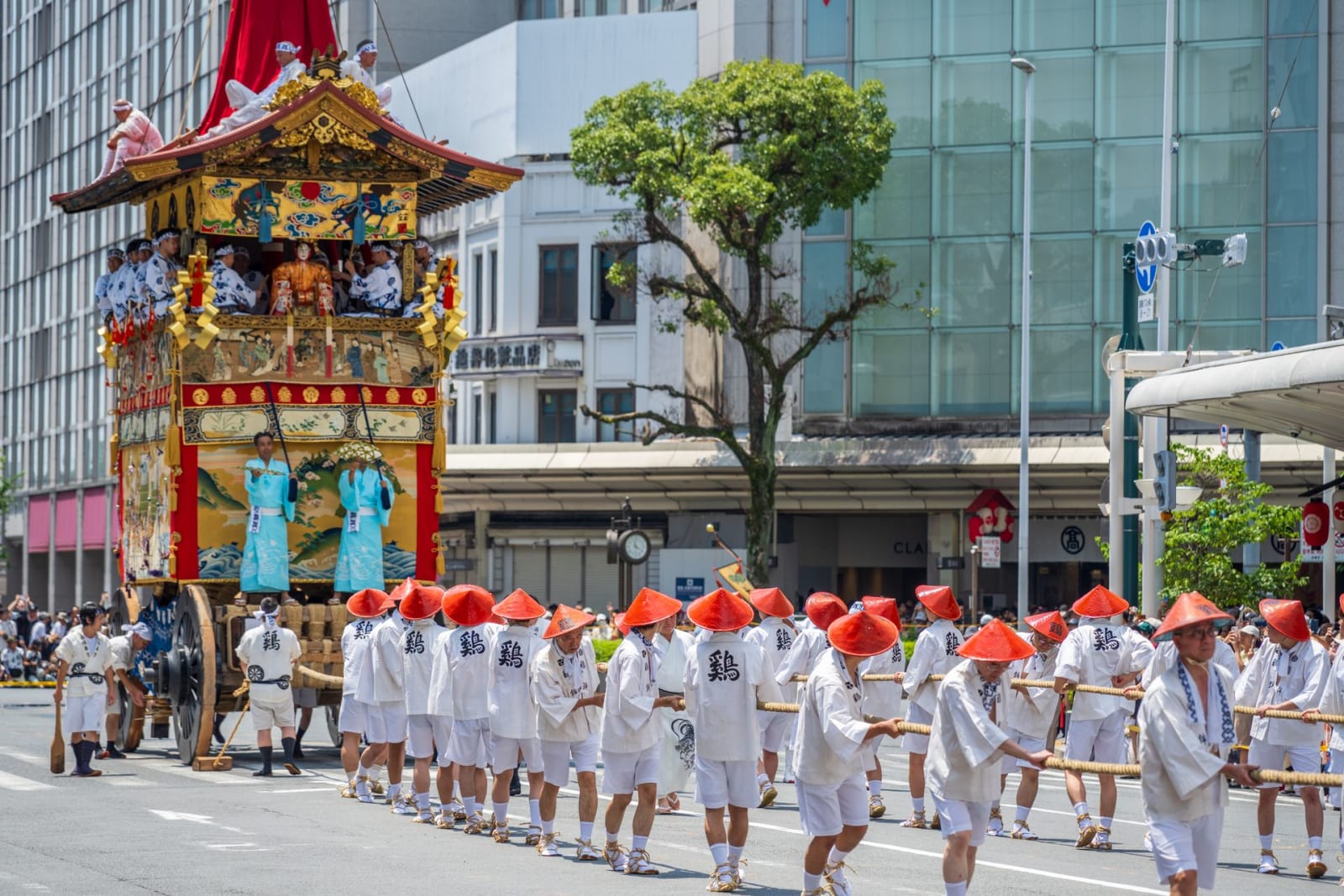
Pick July if you want the same summer with a different festival headline. Gion Matsuri fills Kyoto for the whole month, Mount Fuji's climbing season is fully open, and there is no Obon squeeze on trains and hotels. The trade: the first half can still be rainy season, and the heat is essentially identical.
Pick September if value beats atmosphere. Prices drop hard once the school holidays end in the first days of the month, the crowds go home, and by the final week the heat finally starts to break. The trade: it is the statistical peak of typhoon season, and the festival calendar goes quiet.
Pick August if festivals are the point of the trip, full stop. Nothing else in the Japanese year concentrates this much spectacle into 31 days, and no amount of October comfort will get you a Nebuta float or a street full of Awa dancers. Come for the nights, hide from the afternoons, and book the Obon window like you mean it. For the full year-round comparison, the Best Time to Visit Japan guide breaks down all twelve months.
A Two-Week August Route on a Budget
August sounds like the wrong month for cheap travel, and during Obon week the hotels agree. But the best of the month, the festivals, the Bon Odori circles, the fireworks, the Okuribi fires, is almost entirely free, which makes it a surprisingly good fit for our 2-Week Budget Backpacker itinerary (Tokyo, Hakone, Kyoto, Osaka, Hiroshima, Kanazawa, all hostels and street food). The August adjustments:
- Traveling August 1 to 12: consider trading the Kanazawa leg for two Tohoku nights to catch Nebuta or Kanto; the overnight bus from Tokyo to Aomori is the backpacker classic and doubles as a night's accommodation. Back on the main route, do Tokyo from 6:00 AM and give Hakone your hottest day, since altitude is free air-conditioning.
- Traveling August 13 to 16 (Obon): do not change cities on these dates. Sit tight in Kyoto or Osaka, dance a neighbourhood Bon Odori, and be on the Kamo riverbank in Gion's northern reach on the evening of the 16th for Gozan no Okuribi, the best zero-yen spectacle of the Japanese summer. Book every Obon-week hostel bed by early July, and reserve Shinkansen seats the morning they open a month out.
- Traveling August 17 to 31: the budget half of the month. Rates sag after Obon, hostel beds reopen, and the crowds thin everywhere except the beaches. Watch the typhoon forecast before the Hiroshima leg, and close the trip in Tokyo on the last weekend for Koenji's Awa Odori.
Open the template in the trip planner, drop your dates in, and shift the pieces around whichever festival you refuse to miss. In August that is the right order: the festival is the itinerary, and the route is just how you get there.
Frequently Asked Questions
Is August a good time to visit Japan?
It is the hottest and one of the busiest months, but also the peak of festival season: fireworks over the Sumida River, Nebuta in Aomori, Awa Odori in Tokushima, and beaches at their best in Okinawa. It works well if you plan around two things: the heat (front-load mornings, use air conditioning strategically) and Obon week, when the whole country travels at once.
When is Obon in 2026 and how does it affect travel?
Obon runs August 13 to 16. It is Japan's biggest domestic travel week: Shinkansen seats sell out, hotel prices spike, and popular spots fill with Japanese families. Book months ahead if your dates overlap, avoid long transfers on the peak days, and enjoy the upside: bon odori dances and floating lantern ceremonies happen everywhere that week.
How hot is Japan in August?
Tokyo and Osaka run 33 to 35 degrees Celsius with humidity around 80 percent, and it stays warm after dark. The escapes are real, though: Sapporo holds 17 to 26 degrees with dry air, Tohoku's festival cities cool off at night, and mountain towns like Karuizawa and Kamikochi run five to ten degrees cooler than Tokyo.
Are typhoons a problem in August?
The risk builds through the month. Early August mostly sees storms graze the main islands; from around the 20th the hit probability climbs toward the September peak. Okinawa is the most exposed region all month. Keep one flexible day in the plan, book refundable rooms for late-August dates, and check the Japan Meteorological Agency forecast before long transfers.
Is Japan expensive in August?
Only partly. Obon week (August 13 to 16) is one of the priciest windows of the year, and beach and Hokkaido resorts run high all month. But the first third of August and the days after the 20th are moderate, and city hotels often cost less than in the spring and autumn peaks because the heat keeps some visitors away.
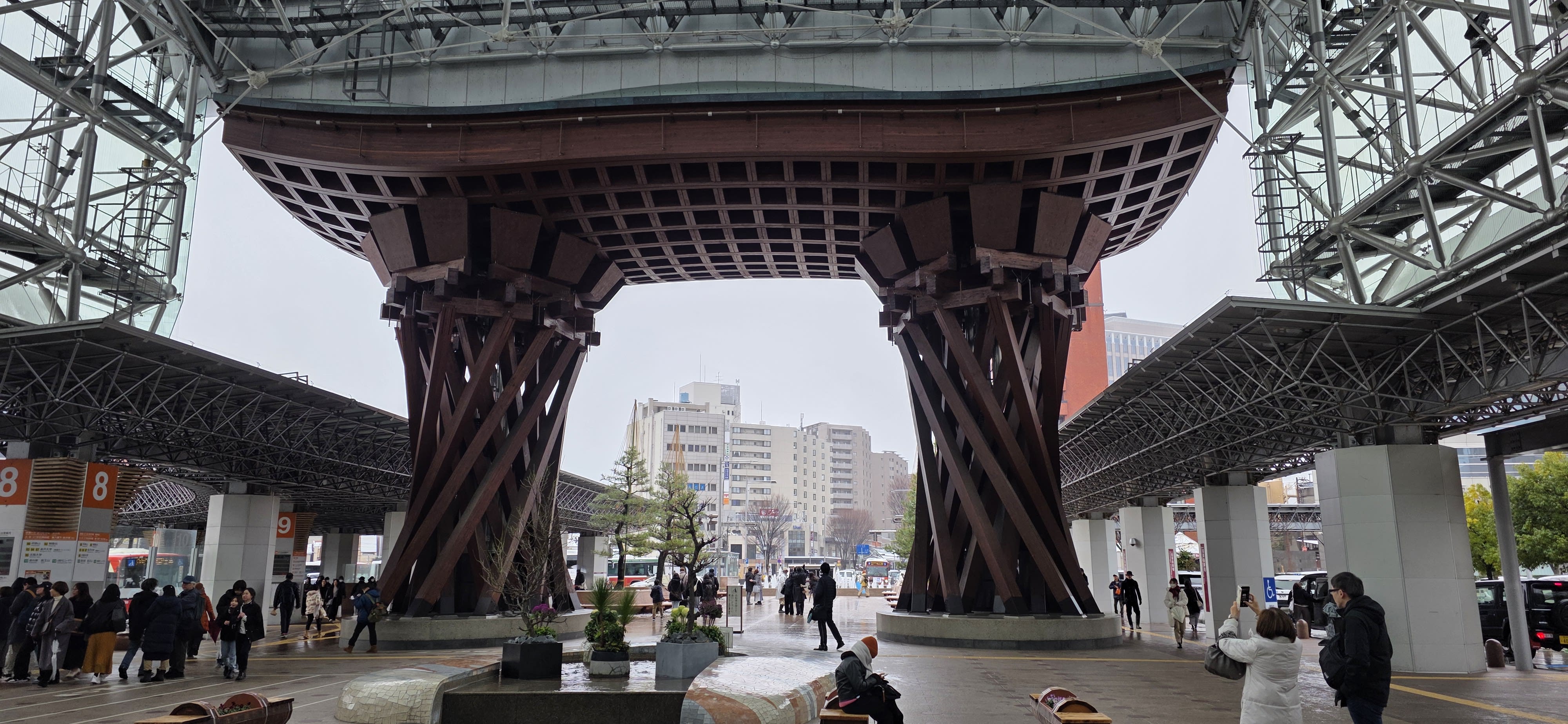
2-Week Budget Backpacker
Hostels, free sights, street food, and trains: Tokyo, Hakone, Kyoto, Osaka, Hiroshima, and Kanazawa in two weeks, with a private-room option at every stop for the nights you need a break from dorms.