Summer in Japan: Festivals, Beaches, and How to Beat the Heat
Hot, humid, and worth it. A month-by-month summer guide for Japan: rainy June, festival-packed July, typhoon-risky August. Plus where to escape the heat.
Summer in Japan is hot, humid, and unfairly photogenic. June through August deliver the country's most spectacular festivals (Gion Matsuri in Kyoto, Nebuta in Aomori, fireworks every weekend), Mount Fuji's only climbing window of the year, and beach water warm enough to actually swim in. They also deliver 30+ degree days at 80% humidity, typhoons that can shut down a Shinkansen line for 36 hours, and tsuyu, the rainy season that drowns most of June.
So can you travel here in summer? Yes. Plenty of people do, and a handful of things on every traveller's bucket list are only available these three months. The trick is knowing what each month delivers, where to retreat when the heat wins, and which festivals are worth structuring an entire itinerary around.
Three months, three almost-separate countries. Here is what each one actually looks like.
What Summer Actually Feels Like
Honshu in July and August averages 27 to 32°C by day, 23 to 26°C at night, with 70 to 85% humidity the whole way through. Tokyo, Kyoto, and Osaka regularly clear 35°C. The humidity is the part nobody warns you about. Stepping out of an air-conditioned train station feels like walking into a wet towel that is somehow also on fire. Your shirt is damp by noon. Your camera lens fogs when you pull it out of your bag. The inside of your daypack is faintly damp by evening and you do not really know why.
The good news: Japan handles its heat as well as anywhere on earth. Every train, restaurant, convenience store, and underground shopping arcade is air-conditioned to roughly Arctic standards. Vending machines are everywhere, every thirty metres, no exaggeration. An ice-cold Pocari Sweat is ¥160, the brand has the worst name in beverage history, it is also the best summer drink in Japan, and you will get used to drinking three of them a day. Cooling sprays, frozen towel packs, salt-candy tablets, and battery-powered handheld fans line every drugstore shelf for ¥300 to ¥1,500. The infrastructure for surviving heat here is something the rest of the world has quietly failed to copy.
Two regions break the pattern entirely. Hokkaido in the north stays in the low-to-mid 20s, humidity 30 percentage points lower than Tokyo, no tsuyu. Okinawa in the south is hot, but the water is the right temperature for swimming and the breeze is constant. Both get their own sections below.
June: Rainy Season (Tsuyu)
Tsuyu (梅雨) runs from early June to mid-July on Honshu, Shikoku, and Kyushu. In Tokyo the meteorological average is June 7 to July 19. It does not rain every day. But it rains often, and when it does it can rain hard for hours, almost always in late afternoon, almost never with warning.
Tsuyu is also one of the most underrated times to visit Japan.
The rain is warm, around 22 to 26°C. You are not cold, just damp in a way that quickly becomes its own thing. Hokkaido has no tsuyu, so it is the obvious dodge if you have a week and bad luck with weather. Hydrangeas (ajisai) peak through June across Honshu, and the temples planted with 4,000 of them genuinely look better in rain than in sun: Meigetsu-in in Kamakura (the famous "ajisai-dera"), Hasedera ten minutes away, and Mimuroto-ji near Kyoto are the three best. Walking the moss steps at Meigetsu-in in light rain with the hydrangeas dripping is a specific kind of beautiful you cannot really fake.
And the prices drop visibly. Hotels, flights, ryokan. Kyoto in mid-June is a different city financially from Kyoto in early April.
What to pack: a folding umbrella (konbini sell them for ¥500 if you forget), a lightweight rain jacket if you plan to hike, and shoes you do not mind getting wet. Skip the heavy umbrella from home, it is dead weight.
One festival worth scheduling around: Yosakoi Soran Matsuri in Sapporo in early June. Around 30,000 dancers across the city over four days, no rain (Hokkaido), and Sapporo's beer scene in full swing. One of the loudest weekends in the country.
July: Festival Season
The first half of July is still tsuyu. The second half is when the rain lifts and Japan's most famous festivals start.

Gion Matsuri in Kyoto runs the entire month. Two main parades, on July 17 (Saki Matsuri) and July 24 (Ato Matsuri): enormous wooden floats called yamaboko, some 25 metres tall and 12 tonnes, hauled through the streets by teams of thirty men using rope and wooden wheels that have not been changed in a thousand years. The Yoiyama evenings on July 14-16 and 21-23 turn the streets around Gion into one giant open-air party: food stalls in every alley, lantern-lit floats parked on quiet residential lanes, tens of thousands of people in yukata. Hotels in Kyoto sell out 6 to 12 months ahead for these dates. Book early or accept staying in Osaka and commuting forty minutes.
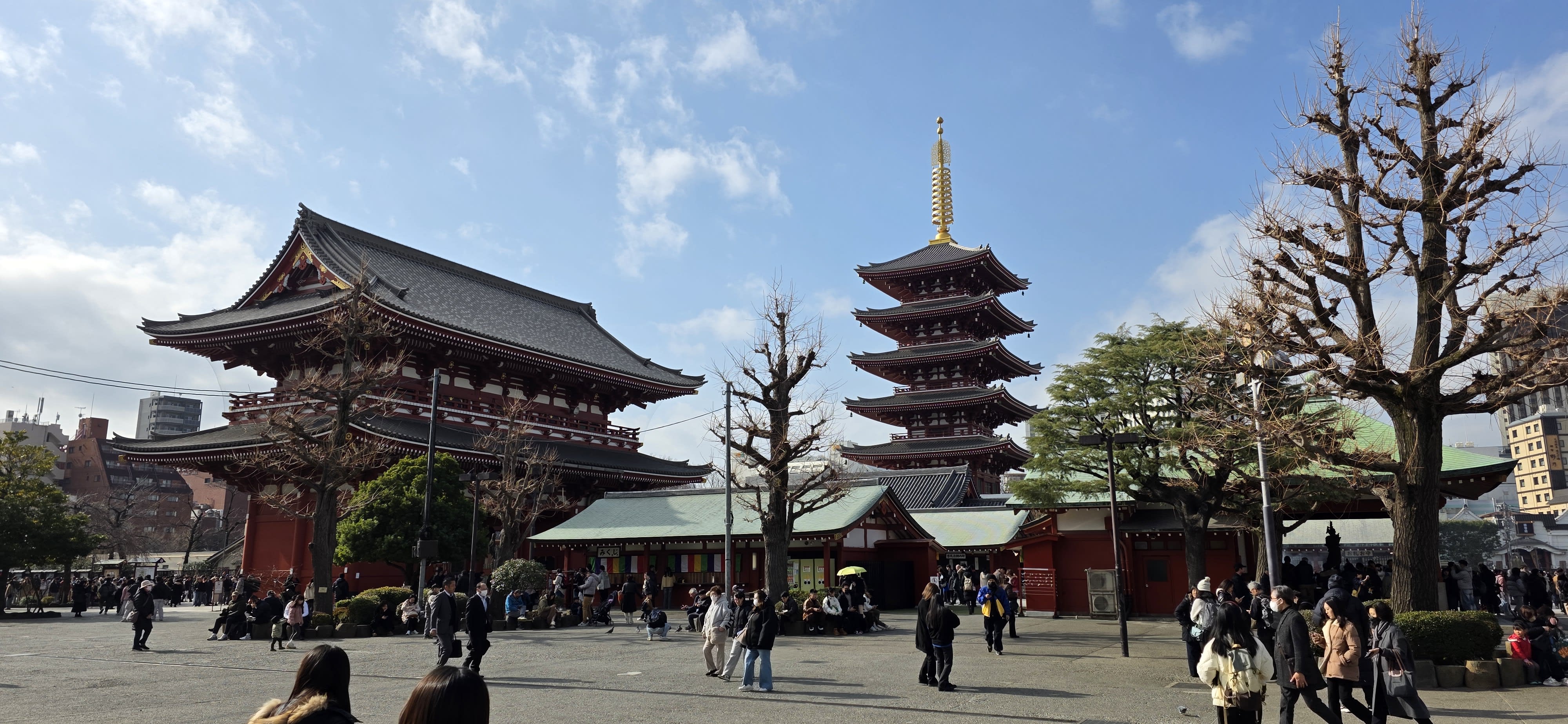
Sumida River Fireworks in Tokyo (Asakusa riverbank) happens on the last Saturday of July. Around 20,000 fireworks over 90 minutes, with 900,000 people watching. To get a real spot on the embankment you need to be there by 4:00 PM. Free, no ticket. Honest opinion: skip it. The crowds make it borderline unwatchable, the trains home are crushed, and a dozen smaller hanabi taikai the same month put on a better show with one tenth the people.
Mount Fuji's climbing season opens on July 1 and runs through early September. Each route now charges a ¥4,000 entry fee (introduced in 2025 to manage overtourism), plus the optional ¥1,000 preservation donation. The classic experience: bus from Shinjuku to the Subaru Line 5th Station at 2,300 m, hike 5 to 6 hours to a mountain hut at 3,400 m, dinner and three unsuccessful hours of sleep on a wooden platform, summit at 4:30 AM for sunrise above the clouds. Bring layers, the summit is 0 to 10°C while Tokyo at the base of the mountain is 30°C. The contrast is the whole point.
August: Peak Heat and Hanabi
August is the worst month. Daytime highs commonly above 35°C, humidity that does not break overnight, and the entire country travelling at once during Obon (the ancestors' return week, August 13-16). Shinkansen tickets sell out a month ahead. Hotel rates roughly double across the board.
The festivals are the apology.
- Nebuta Matsuri, Aomori, August 2-7. Enormous illuminated paper-and-wire floats paraded at night, thousands of haneto dancers chanting "rassera, rassera" in unison. The closest thing in Japan to a Rio carnival.
- Sendai Tanabata, August 6-8. Hundreds of giant paper streamers strung across central Sendai, plus a matching fireworks display on the evening of the 5th.
- Awa Odori, Tokushima, August 12-15. Japan's biggest dance festival. 1.3 million spectators, 100,000 dancers, four nights of choreographed chaos.
- Bon Odori, everywhere, mid-August. Smaller community dance circles in every neighbourhood after dark. You can join. The locals will be delighted, then teach you the steps, then refuse to let you sit down.
Skip the famous Tokyo fireworks (see above). Go to Lake Ashi in Hakone, or Atami Sea Fireworks, or honestly any town hanabi taikai you happen to be near. The view is unblocked, the heat is bearable, and the trains home are not shoulder-to-shoulder.
Where to Escape the Heat
Honshu's three big cities at 35°C and 80% humidity is not everyone's idea of a holiday. Summer is the right time to head north or up.
Hokkaido
Sapporo in July averages 22°C with humidity 30 percentage points lower than Tokyo. Hakodate is similar, with the morning seafood market for breakfast and the night view from Mt. Hakodate after dinner. The Hakodate Port Festival in early August closes the city's summer with three nights of fireworks across the bay.
Beyond the two cities, the other Hokkaido picks:

Furano and Biei peak in mid-July when the lavender fields turn whole hillsides purple, and the rolling patchwork of Biei looks like a Provence postcard if Provence had volcanoes in the distance. Niseko, famous worldwide as a winter resort, becomes one of Japan's best summer adventure bases the rest of the year: river rafting, paragliding off Mt. Yotei, and craft-brewery tours that take some explaining when you get home. Direct flights from Haneda or Narita to New Chitose Airport run ¥15,000 to ¥25,000 each way booking 2-4 weeks ahead, 1.5 hours in the air. Our 7-Day Hokkaido Summer itinerary is built around that mid-July lavender window.
The Japanese Alps
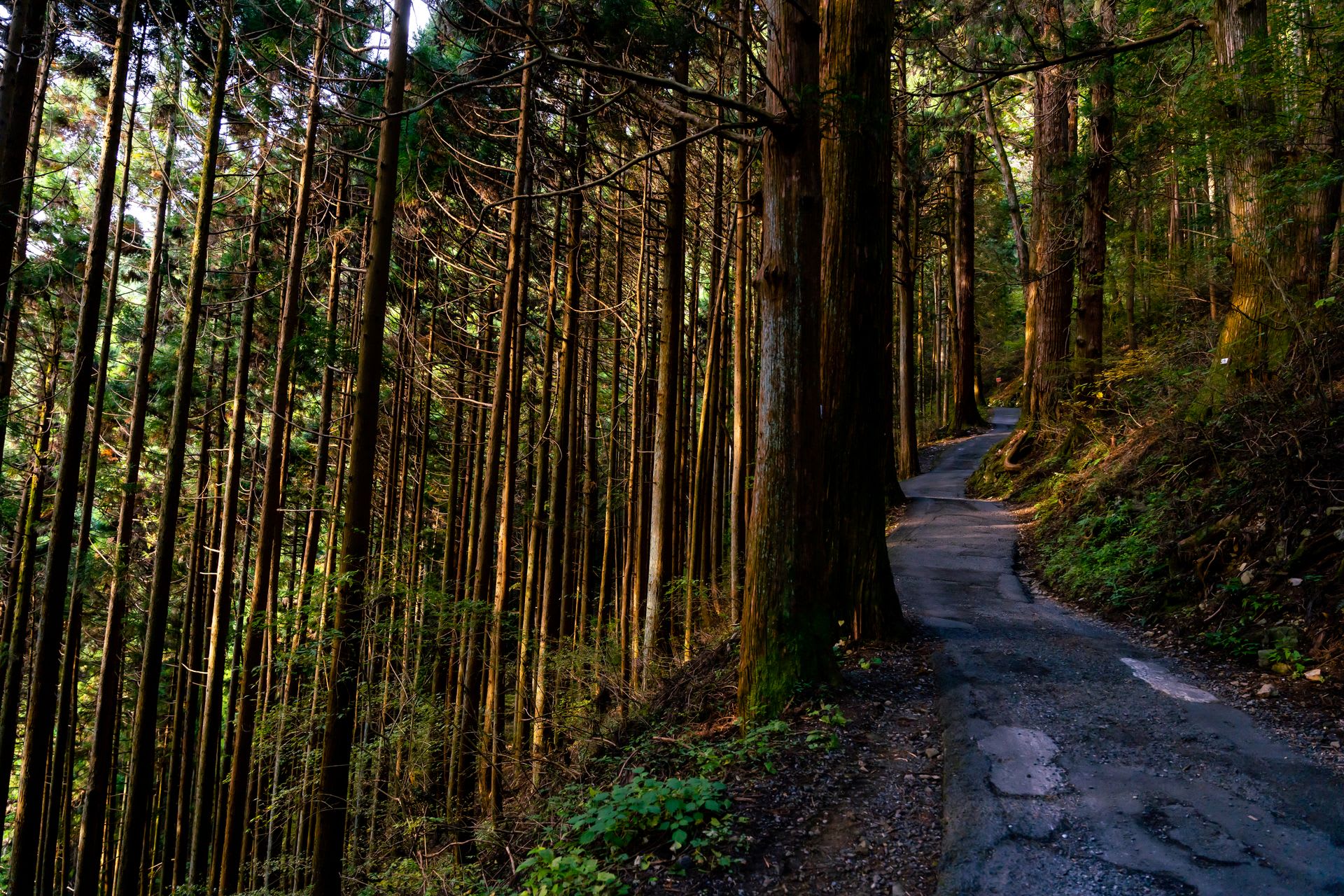
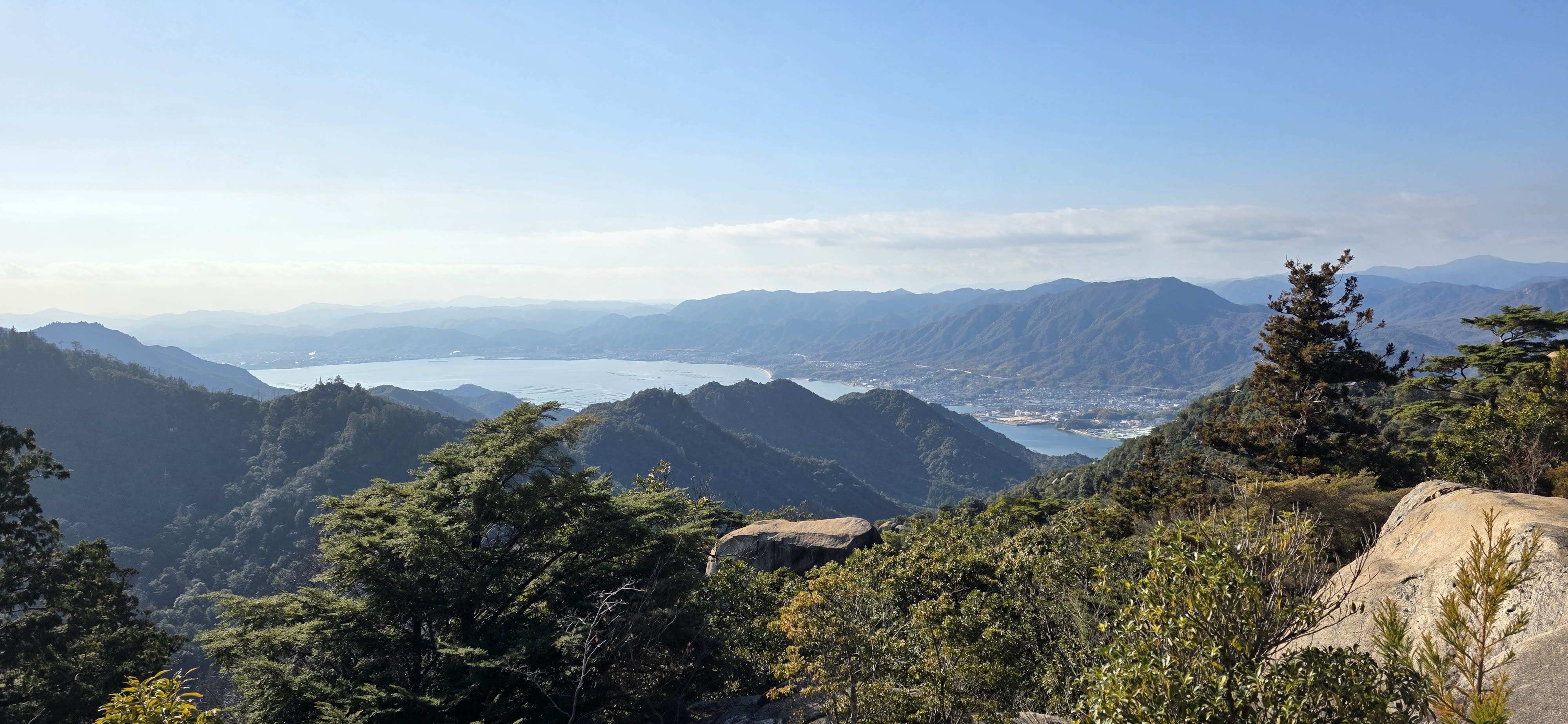
Hakuba, Takayama, Matsumoto, and Kanazawa, at altitude or close to the Sea of Japan, run 5 to 8 degrees cooler than Tokyo. The Tateyama Kurobe Alpine Route (mid-April through November) climbs to 2,450 metres and is one of the great mountain crossings of the country: cable cars, trolleybuses, a tunnel through the highest peak, and a dam wall taller than a sixty-storey building. Hakuba itself in summer is wildflower meadows, paragliding, and ski-resort gondolas running for sightseers rather than skiers. Half the price of winter, and most of the trails to yourself.
Closer to Tokyo
Nikko, two hours north on the Tobu line, sits at 600 m and runs 4 to 5°C cooler than the city. UNESCO shrine complex, Kegon Falls, Lake Chuzenji. Doable as a day trip but worth a night. Karuizawa is the same trick on the Hokuriku Shinkansen toward Nagano: more cafés, fewer shrines, and the country's oldest summer resort culture.
Beach Season
Japan's water is swimmable from mid-July through August. Where you go depends on what kind of beach trip you actually want.

- Okinawa. The obvious answer, and the right one. Naha for the capital, Ishigaki for the Yaeyama islands, Miyako for the best beaches anywhere in the country. Water at 28 to 29°C. See our Okinawa guide for the full breakdown, or the 7-Day Okinawa Islands itinerary for a ready-made route.
- Kamakura. Yuigahama and Zaimokuza beaches, one hour from Tokyo on the JR Yokosuka Line. Beach huts (umi no ie) open July and August only. The water is cool not warm, the sand is volcanic-dark, and the beach is packed on weekends with Tokyo surfers and ten thousand of their friends. A Day in Kamakura has the full route.
- Izu Peninsula. White-sand coves one or two hours south of Tokyo by Shinkansen plus a local train. Shirahama, Tatado, Yumigahama. Quieter than Okinawa, prettier than Kanagawa.
- Niijima and Shikinejima. Volcanic islands south of Tokyo, ferry-only (3 to 10 hours depending which boat). Surfable Pacific water and rotenburo (open-air hot springs) right on the shoreline. As remote as Japan gets within easy reach of Tokyo.
One word of warning: jellyfish. They appear in Honshu coastal water from late July onward, and the population builds week on week. Locals stop swimming around August 15. Officially this is the Obon tradition that the dead enter the water; functionally it is the most polite way to say "look out for jellyfish" ever invented. Okinawa beaches are mostly netted, so you can swim deeper into August there.
Iconic Summer Experiences
Things you cannot do in any other season:
- Climb Mt. Fuji at night, summit at sunrise. Window: July 1 to early September. The classic two-day route from Tokyo: bus to the 5th Station at 2,300 m, hike 5 to 6 hours up to a mountain hut at 3,400 m, dinner and three barely-successful hours of sleep on a wooden platform, summit at 4:30 AM for sunrise above a sea of cloud. The descent in volcanic scree by mid-morning is the part nobody mentions in their photos, and it is honestly the harder leg. Book the hut weeks ahead and bring proper layers.
- Eat kakigori made with real fruit syrup. Specialty shops like Himitsudo in Yanaka or Yuki no Hana in Ginza build mountains of impossibly fluffy ice for ¥800 to ¥1,500, with hour-plus queues at the famous spots. Most neighbourhood cafés do a perfectly good version for ¥600 and no queue.
- Drink on a rooftop biergarten. Department stores and hotels run summer-only beer gardens on their roofs, all-you-can-drink for ¥3,500 to ¥5,000, two-hour seating limits, edamame on the table the moment you sit down.
- Visit a flower field. Furano lavender (mid-July). Hokuryu sunflower field (late July to early August, also Hokkaido). Shikisai-no-Oka in Biei (whole summer). Sunflowers also at Kiyose and Showa Kinen Park inside Tokyo, in case you cannot get north.
- See a matsuri in yukata. Rent or buy a lightweight summer kimono for ¥3,000 to ¥10,000, wear it to a fireworks display or a small neighbourhood festival, eat takoyaki from food stalls in the dark. The whole town is wearing one. You will fit in.
Typhoons
Typhoon season begins in earnest in late August and peaks in September. Two or three typhoons typically make landfall on the main islands each year, with another five to ten passing close enough to disrupt travel even from offshore.
When one actually hits, you stay inside. Shinkansen, regional trains, and flights cancel or delay for 24 to 36 hours. Temple grounds close, hiking trails close, bus routes suspend, beaches red-flag. Hotels stay open and rates do not change. Restaurants in shopping arcades stay open. Convenience stores stay open through almost anything. Buy a six-pack and find a window.
Watch the Japan Meteorological Agency forecast at jma.go.jp and the JNTO Safety Tips app in the week before any city-to-city move. If a typhoon is forecast on your planned Shinkansen day, push the booking a day earlier rather than later, and use a hotel cancellation policy that lets you adjust. JR refunds typhoon-cancelled Shinkansen tickets at the station ticket office. No queue stress, no fee.
What to Pack
Optimised for actual heat and humidity, not the wishful-thinking version:
- Linen, cotton, or technical synthetics. Skip denim.
- Two or three more t-shirts than you think you need. You sweat through one a day.
- A folding umbrella. Konbini sell them for ¥500 if you forget.
- A microfibre face cloth. Locals carry one constantly. ¥200 at any Don Quijote.
- Japanese sunscreen (Biore UV or Anessa). Buy on arrival, they are better and cheaper here.
- A cardigan or light jacket. Indoor air-con is brutally cold, particularly on a four-hour Shinkansen.
- Slip-on shoes or sandals. You will be taking footwear off constantly (temples, restaurants, ryokan).
- Insect repellent if you are going anywhere rural. Mosquitoes are aggressive.
Practical Tips for Summer Travel
A few rules of summer that take a couple of weeks to learn the hard way:
- Start early. The window from 6:00 to 10:00 AM is when the city is liveable and the photos are good. By noon you are looking for shade.
- Use air-conditioned buildings as cooling stations. Department stores, museums, the seating area of any decent konbini. Free 20-minute breaks, no purchase required.
- Drink twice the water you think. A Pocari Sweat with electrolytes works faster than plain water. Tap water is safe everywhere in Japan.
- Book Obon (August 13-16) first if your trip overlaps it. Shinkansen sells out a month ahead and hotel prices roughly double.
- A JR Pass earns its keep during typhoon season. If your trip gets rerouted, the pass makes alternate routing free. See our JR Pass guide for whether it suits your itinerary.
- Black clothes at noon are a mistake. Sounds petty. Makes a noticeable difference.
- The battery handheld fan is not a gimmick. Get one. ¥1,000 to ¥2,000.
Should You Visit in Summer?
Yes if you want the festivals (Gion, Nebuta, Awa Odori, hanabi), Mt. Fuji, Okinawa swimming, or June's lower prices and lower crowds.
Maybe if you can structure the trip around the cooler regions (Hokkaido, the Alps, Nikko) and dip into the big cities in shorter bursts.
Pick another month if you are heat-averse and your itinerary is locked to Honshu's three big cities for two solid weeks. April or October will give you a better trip on the same route, and you can come back for summer once you have got your bearings.
For full month-by-month comparisons across the year, the Best Time to Visit Japan guide covers every season. For everything else first-trip-related, the first-timer's guide has it.