Naha
Shuri Castle, Kokusai-dori, and goya champuru: Japan's subtropical capital where Ryukyu royalty once ruled
About Naha
Naha is Okinawa's capital and your gateway to the islands, but it's also a destination in its own right. Shuri Castle, the reconstructed royal palace of the Ryukyu Kingdom, dominates the skyline; it burned in WWII and again in 2019, but the main hall reopened in 2026. Go at 8:30 AM when it opens (¥400 adults) and you'll have the vermillion architecture and ocean views to yourself. The castle sits above the city. Take the monorail to Shuri Station, then a 15-minute walk or bus.
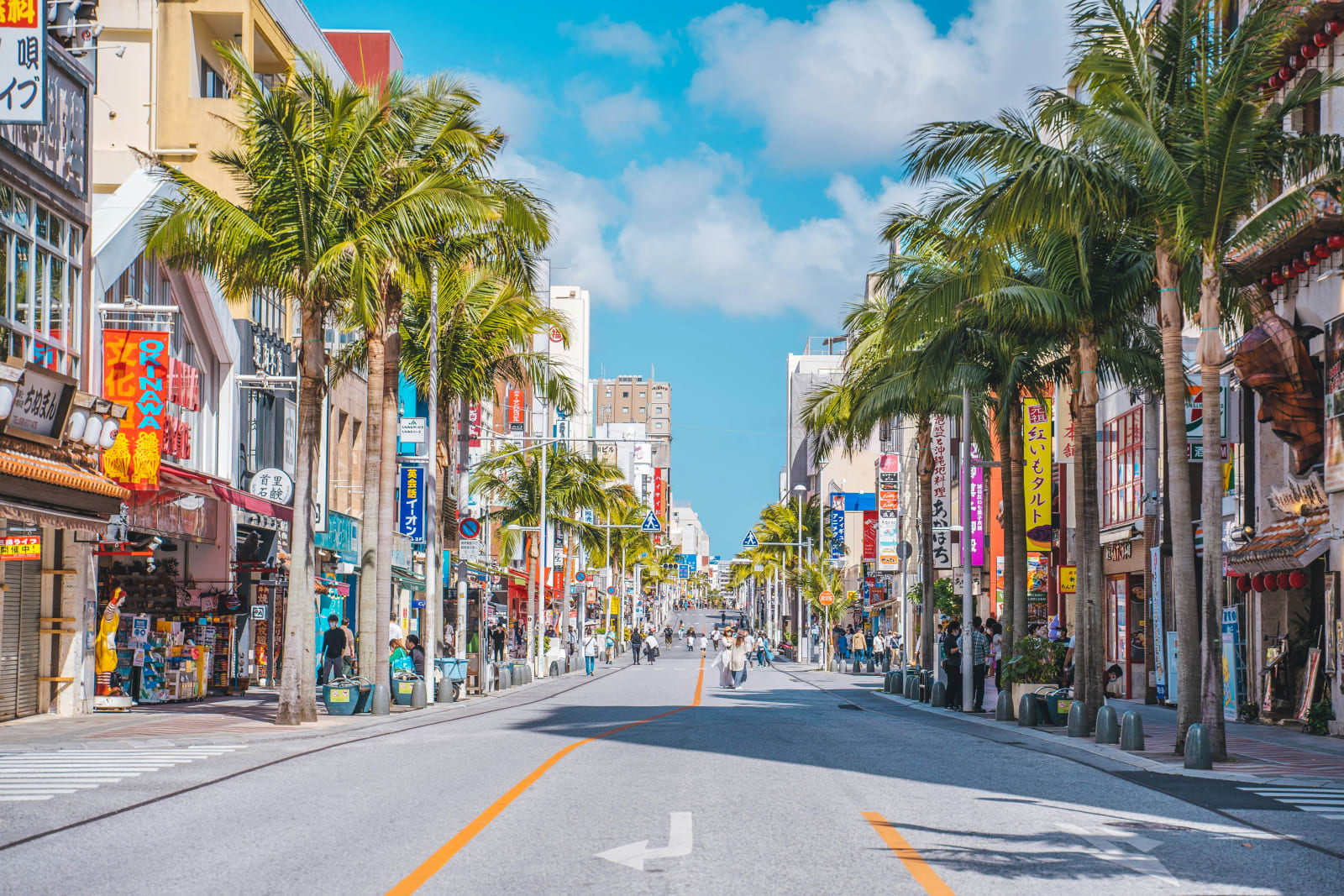
Kokusai Street is Naha's spine: 1.6 km of shops, izakaya, and food stalls. The real action is in Makishi Public Market: pick fresh tuna, lobster, or sea grapes from the vendors, take them upstairs to the cooking stalls (¥300–500 cooking fee per person), and eat at communal tables. Budget ¥2,000–4,000 for a feast. For Okinawa soba, try Shuri Soba or Shimabukuro near Shuri Castle (¥700–900). Goya champuru runs ¥800–1,200 at most izakaya; Taco Rice is a ¥600–800 lunch staple.
Use Naha as a base for day trips: Churaumi Aquarium (2 hours north by bus), the Kerama Islands (30–50 min by ferry for snorkeling), or Cape Manzamo (1.5 hours for the famous elephant rock). The Okinawa Monorail doesn't take JR Pass; it's a separate system. Budget ¥6,000–10,000/night near Kokusai Street; the airport is 15 minutes away by monorail.
Top Attractions
Must-see landmarks, temples, and experiences in Naha

Shuri Castle
The reconstructed royal palace of the Ryukyu Kingdom, a UNESCO World Heritage site. Beautiful red architecture, traditional gardens, and exhibits showcasing Okinawan history and culture. The castle was destroyed in WWII and rebuilt, with recent restoration work completed.

Kokusai Street
Naha's main shopping and dining street, stretching 1.6 km through the city center. Lined with shops selling Okinawan crafts, food stalls, restaurants, and bars. The heart of Naha's commercial district.

Okinawa Prefectural Museum
Comprehensive museum showcasing Okinawan history, culture, and natural history. Learn about the Ryukyu Kingdom, traditional crafts, and the unique culture of Okinawa.

Shikinaen Garden
A beautiful traditional Ryukyuan garden that was a second residence for the Ryukyu royal family. Features a pond, walking paths, and traditional architecture in a peaceful setting.

Naminoue Shrine
A Shinto shrine overlooking the ocean, unique for its seaside location. Popular with locals and visitors seeking blessings.
Where to Stay in Naha
Most visitors base themselves in Naha for the first night or two, then head to a beach resort further north. In the city, stay near Kokusai Street or along the Yui Rail monorail line. For beach resorts with pools and ocean views, look at Chatan, Onna Village, or Motobu on the west coast, all 40-90 minutes north by car. Naha itself is a city, not a beach town.
Best Areas to Stay
Kokusai Street Area
Walking distance to restaurants, bars, markets, and the monorail. Rooms tend to be small (this is Japan) but you will not need a rental car while staying here. Noise can be an issue on the main street; side-street hotels are quieter.
Best for: First-timers, nightlife, dining, sightseeing without a car
Omoromachi / Shintoshin Area
One monorail stop north of Kokusai-dori. Quieter, more residential, with the DFS duty-free mall and Okinawa Prefectural Museum nearby. Better hotel room sizes for the price.
Best for: Families, quieter stay, museum access, duty-free shopping
West Coast Resorts (Chatan / Onna / Motobu)
Not in Naha, but worth mentioning: the beachfront resort strip runs along the west coast, 40-90 minutes north by car. Chatan has American Village and sunset beaches, Onna has the iconic ANA InterContinental and Busena Terrace, and Motobu is closest to Churaumi Aquarium. You will need a rental car.
Best for: Beach holidays, families, couples, longer stays
Types of Accommodation
Business Hotels
The best value in Naha. Reliable chains with clean rooms, coin laundry, and sometimes a public bath. Rooms are compact (12-18m²) but perfectly functional.
Guesthouses / Hostels
Naha has a solid hostel scene, especially around Kokusai-dori. Dorm beds start cheap and most have private rooms too. Good for solo travellers and meeting people.
City Hotels
A step up from business hotels with slightly larger rooms and better facilities. Often include breakfast and have a restaurant on-site.
Beach Resorts
Located outside Naha along the west coast. Pool, ocean access, multiple restaurants, and water sports. Book these if you want a proper beach holiday.
Best Time to Visit
Naha is warm year-round, but some months are significantly better than others. Late March through May and October through November hit the sweet spot: warm enough to swim, low typhoon risk, and manageable crowds. Summer is peak season with the best beach weather but also the highest prices and typhoon risk. Winter is surprisingly pleasant for sightseeing at 16-20°C, with humpback whale watching off the Kerama Islands from January to March.
Spring (March-May)
20-27°C (68-81°F)
The best overall season. Cherry blossoms arrive a full month earlier than on the mainland (late January to mid-February for sakura, March for tropical flowers). Water temperatures hit 22-24°C by April, warm enough for comfortable swimming and snorkelling. Golden Week (late April to early May) brings domestic crowds and price spikes.
Pros:
- +Cherry blossoms arrive early (January-February)
- +Water warm enough to swim by April
- +Comfortable sightseeing weather
- +Kerama whale watching season runs through March
Cons:
- -Golden Week (late April-early May) doubles hotel prices
- -Rainy season begins late May
Summer (June-September)
27-33°C (81-91°F)
Peak beach season. Water temperatures hit 28-30°C, visibility is excellent for diving, and the days are long. The catch: June is rainy season (about 315mm of rain), July through September bring typhoon risk, and August is school-holiday crowded with 30-50% price increases. If a typhoon hits, flights cancel and ferries stop for 1-2 days.
Pros:
- +Best water temperatures (28-30°C)
- +Long sunny days after rainy season clears (late June)
- +Peak diving and snorkelling conditions
- +Eisa dance festivals across Okinawa (August-September)
Cons:
- -Rainy season through mid-June (heavy rain)
- -Typhoon risk July-September, highest in August
- -School holidays pack beaches and hotels
- -30-50% price increases in peak weeks
Autumn (October-November)
22-28°C (72-82°F)
October still feels like summer: 25-28°C, swimmable water, and the tail end of typhoon season. By November, typhoons are done and the weather settles into clear, warm days ideal for both beach time and sightseeing. Crowds thin out noticeably after mid-October, and hotel prices drop.
Pros:
- +Warm enough for swimming through October
- +Typhoon risk drops sharply by November
- +Thinner crowds and lower prices
- +Clear skies for island hopping
Cons:
- -Early October still carries some typhoon risk
- -Water cools toward November (23-24°C)
Winter (December-February)
16-20°C (61-68°F)
Too cool for most beach swimming (water drops to 21-22°C), but Naha at 16-20°C is still T-shirt weather on sunny days. This is the quiet season: lowest hotel prices, almost no tourists at Shuri Castle, and humpback whales migrating through the Kerama strait from January to March. Cherry blossoms (kanhizakura) bloom in mid-January to early February, weeks before the mainland.
Pros:
- +Lowest hotel prices of the year
- +Humpback whale watching (January-March)
- +Okinawa cherry blossoms (January-February)
- +Shuri Castle and attractions without crowds
Cons:
- -Too cool for comfortable ocean swimming
- -Some island ferry services reduced
- -Shorter daylight hours
- -Occasional chilly, grey days
Naha Food Scene
Okinawan food shares almost nothing with mainland Japanese cuisine. Expect pork in every form, bitter melon, purple sweet potatoes, and strong Chinese and Southeast Asian influences. American military presence added taco rice and root beer to the mix. The best strategy: eat at Makishi Market for fresh seafood, hunt for family-run soba shops in the backstreets around Shuri, and drink awamori with locals at a tiny Sakaemachi izakaya.
Okinawa Soba
Wheat noodles (not buckwheat) in a clear pork-and-bonito broth, topped with braised pork belly or spare ribs. Every neighbourhood has a shop that claims to be the best, and they might all be right.
Where to try:
Goya Champuru
Bitter melon stir-fried with eggs, tofu, and pork belly. The bitterness grows on you after a few bites, and the dish is packed with vitamins.
Where to try:
Rafute
Okinawan braised pork belly simmered for hours in awamori, soy sauce, and brown sugar until it melts on contact. Richer and sweeter than mainland kakuni. Often served as a side at izakaya or as part of a set meal.
Where to try:
Taco Rice
Seasoned ground beef, shredded lettuce, cheese, and salsa over a bowl of rice. Invented near Kadena Air Base in the 1980s. It sounds strange, but it works.
Where to try:
Sata Andagi
Deep-fried doughnut balls with a crackly crust and soft, sweet interior. Sold at markets, street stalls, and souvenir shops. Best eaten fresh and warm.
Where to try:
Awamori
Okinawa's native rice spirit, distilled (not brewed) from long-grain Thai rice and aged in clay pots. Standard bottles are 30% ABV; aged kusu (3+ years) is smoother and more complex. Try it with water and ice at any local izakaya.
Where to try:
Suggested Itinerary
Day 1: Castle, Museum & Market
Day 2: Day Trip: Kerama Islands or Churaumi Aquarium
Ready-Made Trip Plans Including Naha
Jump-start your planning with a curated template
Nearby Day Trips
Kerama Islands (Zamami, Tokashiki)
30–50 min by ferry from Tomarin Port (Naha): Zamami ¥1,540, Tokashiki ¥1,350 one-way
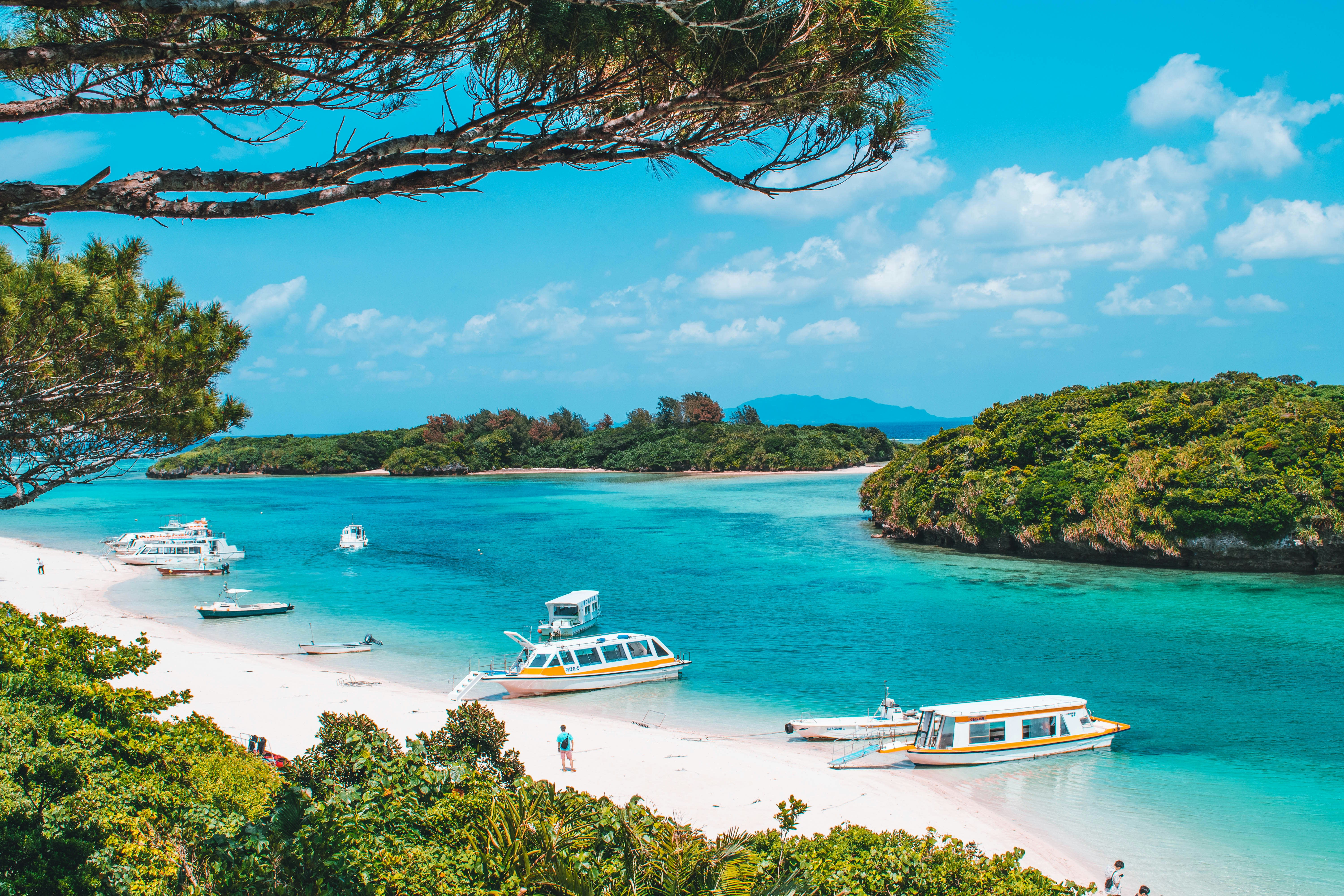
Crystal-clear waters, white sand beaches, and some of Okinawa's best snorkeling. Zamami has Furuzamami Beach and Ama Beach; Tokashiki has Aharen Beach. Ferry departs Tomarin (monorail to Miebashi, then 10-min walk). Rent snorkel gear on arrival (¥1,000–1,500).
Churaumi Aquarium (Motobu)
2 hours by bus 120/20 from Naha Bus Terminal (¥2,000 one-way) or 1.5 hours by car
One of the world's largest aquariums, famous for the Kuroshio Tank with whale sharks and manta rays. Aquarium ¥2,180 (adults). Ocean Expo Park surrounds it: free beaches, tropical gardens. Allow 4–5 hours including park.
Cape Manzamo & Nago
1.5 hours by bus 120 from Naha Bus Terminal to Nago (¥1,650), then 20 min by bus 66 to Cape Manzamo
The famous 'elephant rock' formation and sweeping ocean views. Nago has Pineapple Park (¥850) and Nago Castle ruins (free). Combine with a Churaumi day or do as a half-day from Naha.
Practical Information
Getting to Naha
Naha Airport (OKA)
5 km from city center
Daily Budget Guide
Budget hotels, convenience store meals, free attractions
Business hotels, mix of restaurants, paid attractions
Resort hotels, fine dining, premium experiences
Essential Naha Tips
Shuri Castle opens 8:30 AM (¥400). Arrive then to beat tour buses and midday heat; monorail to Shuri Station, 15-min walk
Monorail day pass ¥800 (unlimited rides). Buy at Naha Airport or any station; single rides ¥200–330
Makishi Market: pick seafood on 1F, take to 2F cooking stalls (¥300–500 fee). Lunch ¥2,000–4,000 for two
Kokusai Street shops open ~10:00 AM, peak 6:00–9:00 PM. Heiwa-dori arcade runs parallel, less crowded
Naha Bus Terminal (next to Kokusai-dori): bus 120 to Churaumi (¥2,000, 2 hrs); Tomarin Port for Kerama ferries (Miebashi Station, 10-min walk)
Okinawa soba at Shuri Soba (1-2-7 Shuri Kinjo-cho) or Shimabukuro: ¥700–900, open 11:00 AM–3:00 PM
Many restaurants close 2:00–5:00 PM; plan lunch by 1:30 PM or dinner after 6:00 PM
7-Eleven/LAWSON ATMs accept foreign cards; Makishi and many izakaya are cash-only
Sunscreen and hat essential: UV index high year-round; stay hydrated, especially April–October
JR Pass does NOT cover Okinawa Monorail (separate system); no trains on Okinawa main island
Naha FAQ
Is Naha worth visiting?
Yes, as both Okinawa's capital and the gateway to the islands. It has Shuri Castle, the seat of the former Ryukyu Kingdom, the Kokusai Street strip, Makishi Market's pick-and-cook seafood stalls, and a food culture (Okinawa soba, goya champuru, awamori) unlike anywhere on the mainland. Ferries to the Kerama Islands' famously clear water leave from the city's own port.
How do I get to Naha?
You fly; there is no rail link and no practical ferry from the mainland. Flights take 2.5 to 3 hours from Tokyo (6,000 to 25,000 yen), about 2 hours from Osaka, and 1.5 from Fukuoka, with budget carriers regularly under 10,000 yen if booked ahead. From Naha Airport the Yui Rail monorail reaches the Kokusai Street area in 15 minutes for 260 yen.
How many days do you need in Naha?
Two days covers the city: Shuri Castle at its 8:30am opening, Kokusai Street and Makishi Market, the Tsuboya pottery district, and sunset at Naminoue. Then use it as a base: Kerama Islands ferries leave from Tomari Port for day-trip snorkeling, and bus 120 runs to the Churaumi Aquarium in about 2 hours (2,000 yen).
Is Shuri Castle open after the fire?
Yes. The grounds, gates, and walls are open (400 yen, from 8:30am), and restoration of the main hall after the 2019 fire is in its final stretch, with completion targeted for late 2026. The rebuild itself, done with traditional techniques in a viewable workshop, has become part of the visit; check the official site for current access before you go.
When is the best time to visit Naha?
Late March to May and October to November: warm enough to swim, low typhoon risk, manageable crowds. July and August bring peak domestic holiday crowds and prices, and August and September carry the highest typhoon risk. Winter stays mild at 16 to 20 degrees, too cool for the beach but fine for the city, with humpback whales offshore from January to March.
Do you need a car in Naha?
Not in the city: the Yui Rail monorail links the airport, Kokusai Street, and Shuri Castle, with a 800-yen day pass. You do want a car for the rest of the main island, including the Churaumi Aquarium and the northern beaches, since buses are slow; an International Driving Permit is required for most foreign licences. There are no trains anywhere on the island.
Book tours & activities in Naha
Skip the line with pre-booked tickets and guided tours
via Klook · Affiliate link
Related Articles
Japan in October: Weather, Festivals and Where the Color Starts
Warm days, dry air, and the first mountain color. Weather by region, the 2026 foliage forecast, the big festivals, and October's booking traps.
Japan in January: New Year, Powder Snow and Empty Temples
Three days of New Year crowds and closures, then the cheapest, quietest month of the entire year: peak powder, the clearest Fuji views, sumo in Tokyo, and onsen at their best.
Japan in February: Snow Festivals, First Blossoms and Empty Temples
The Sapporo Snow Festival, peak powder, plum blossoms from mid month, and the cheapest quiet weeks of the travel year. What February actually delivers, region by region.
Other Destinations
Tokyo
The world's greatest city: 14 million people, 200+ Michelin stars, and more to discover than any single trip can hold
Hiroshima
Peace Park, Miyajima's floating torii, and the best okonomiyaki in Japan: a city that turned tragedy into hope
Kyoto
A thousand years as Japan's capital: geisha in Gion, vermillion torii tunnels, and kaiseki cuisine elevated to art
Osaka
Kuidaore city: Dotonbori's neon, Shinsekai's kushikatsu, and Japan's friendliest strangers
Kamakura
Tokyo's favorite day trip: the Great Buddha since 1252, zen temples, hydrangeas at Hasedera, surf beaches, and shirasu-don an hour from the city
Yokohama
Japan's largest Chinatown, Cup Noodles Museum, and a waterfront that actually breathes (25 minutes from Tokyo)
Hakone
Two hours from Shinjuku: volcanic onsen, the Hakone Loop, and Mt. Fuji (when she shows up)
Nikko
Gold-leaf Toshogu, 97m Kegon Falls, and yuba soba: Japan's most opulent shrine town, 2 hours from Asakusa
Nara
1,200 bowing deer, the world's largest bronze Buddha, and temples that predate Kyoto, 45 minutes from Osaka
Kanazawa
Kyoto's calmer cousin: Kenroku-en at dawn, Omicho seafood, and 99% of Japan's gold leaf
Takayama
Preserved Edo streets, world-class Hida beef, and six sake breweries you can walk between in the Japanese Alps
Fukuoka
Yatai stalls at sunset, the best tonkotsu ramen in Japan by the Naka River, and all of Kyushu on your doorstep
Sapporo
Miso ramen at midnight, powder snow at Niseko, and a beer garden in Odori Park: Hokkaido's capital delivers
Nagoya
Miso katsu, golden shachihoko, and Toyota's textile-to-car story: the city everyone skips on the Shinkansen, and shouldn't
Kobe
Kobe beef that ruins all other steak, historic Kitano mansions, and Arima Onsen in the mountains
Nagasaki
Japan's only window to the outside world for 200 years: now champon, Dejima, and the Peace Park
Hakodate
One of the world's three best night views, a star-shaped fort, and the freshest kaisen-don in Japan at sunrise
Otaru
Gas-lit canals, port-fresh sushi, and Hokkaido's most romantic winter festival
Asahikawa
The zoo that redesigned how Japan thinks about animals, a ramen style with a pork-fat layer to beat the cold, and the gateway to Japan's largest national park
Sendai
Tohoku's capital: grilled beef tongue since 1948, Date Masamune's ornate mausoleum, and streamers across the sky every August
Aomori
Honshu's northern edge: Japan's most electrifying summer festival, world-class Jomon archaeology, and one of the last virgin beech forests on Earth
Morioka
Three completely distinct noodles, 1,000 cherry trees on a ruined castle, and Hiraizumi's Golden Hall 45 minutes south
Akita
Gravity-defying lantern poles at the Kanto Festival, Tohoku's finest samurai streets in Kakunodate, and sake from over thirty breweries
Yamagata
Yamadera's 1,015 steps, Ginzan Onsen's gaslit snow, sacred mountains, and Japan's best cherries
Fukushima
A blossom-covered mountain, a volcanic sky road, 200-yen Edo bathhouses, and Japan's best peaches, 90 minutes from Tokyo
Matsushima
One of Japan's three great views: 260 pine-clad islands, Date Masamune's Zen temple, and oysters grilled on the bay
Hirosaki
Japan's greatest cherry blossom castle, fan-shaped warrior floats at Neputa, and a city that produces one in five of Japan's apples
Aizuwakamatsu
A red-tiled castle, nineteen graves of teenage samurai, thatched Edo villages, and some of Japan's most decorated sake
Chiba
Narita-san Shinsho-ji, Tokyo DisneySea, and 100 km of Pacific coastline: most visitors see only the airport terminal
Saitama
Kawagoe's Edo warehouse street, Japan's first Shinkansen prototype, and the Chichibu Night Festival: Saitama earns a day
Mito
Japan's first flower season: Kairakuen's 3,000 plum trees six weeks before sakura, one of Japan's Three Great Gardens
Utsunomiya
Japan's gyoza capital: 200 shops, underground volcanic caverns at Oya, and Nikko 41 minutes by train
Maebashi
A free rose garden with 7,000 blooms, a volcanic caldera you can walk around, and the budget base for Kusatsu Onsen
Niigata
Japan's sake heartland: 90-plus breweries, Sea of Japan sushi at half the Tokyo price, and a ferry to Sado Island
Toyama
Base camp for the Tateyama snow walls, with white shrimp, firefly squid, and Sea of Japan sushi at half Tokyo prices
Fukui
Japan's dinosaur prefecture: a world-class museum, volcanic sea cliffs, the strictest Zen monastery, and Echizen crab in winter
Nagano
Zenko-ji pilgrims, snow monkeys in hot springs, and Hakuba powder: Japan's alpine heart
Shizuoka
Japan's tea capital: pine-framed Fuji views, the Tokugawa shrine that predates Nikko, and tiny pink shrimp found only in Suruga Bay
Gifu
Cormorant fishing by firelight, a mountain castle at sunset, and the gateway to Shirakawa-go's thatched villages
Kofu
Japan's wine capital: cellar tours a short walk from the station, hoto noodles, and the granite cliffs of Shosenkyo Gorge
Hakuba
Olympic powder, alpine hiking, and the most international mountain town in Japan
Matsumoto
Japan's oldest castle, alpine gateways, and a city that punches well above its size
Wakayama
Pilgrimage country: sleep in Koyasan's temples, walk the Kumano Kodo, and stand under Japan's tallest waterfall
Otsu
Kyoto's lakeside escape: Enryaku-ji's World Heritage halls, Japan's largest lake, and hotel rates Kyoto forgot, 10 minutes away
Tsu
Ise Jingu 50 minutes, Matsusaka wagyu 20 minutes: Tsu is the affordable base for the best of Mie Prefecture
Miyajima
A floating shrine gate, a 535-metre sacred mountain, and Hiroshima oysters grilled on the waterfront
Okayama
Korakuen garden, Crow Castle, Kurashiki canals, plus Naoshima art island 50 minutes away
Tottori
Japan's only coastal sand dunes, 50 meters high and 16km wide, where the desert meets the Sea of Japan
Matsue
One of Japan's five original castles, moat boats through samurai streets, and Lake Shinji sunsets, with mythical Izumo next door
Yamaguchi
Ruriko-ji's 1442 national treasure pagoda, Japan's largest limestone cave, and the gateway to Hagi and fugu country
Matsuyama
Japan's oldest hot spring, one of 12 original castles, and the gateway to the Shimanami Kaido cycling route
Takamatsu
Japan's udon capital, a Michelin three-star garden, and the ferry gateway to Naoshima's art islands
Tokushima
Japan's wildest dance festival, vine bridges over mountain gorges, and tidal whirlpools at the edge of Shikoku
Kochi
One of Japan's five original castles, a 300-year-old Sunday market, and katsuo no tataki seared over straw flames
Kumamoto
Japan's fiercest castle, garlic-laced ramen, and the world's largest active caldera: Kyushu's samurai heart
Beppu
Eight volcanic 'hells,' Takegawara sand baths, and Japan's densest onsen: steam rises from every corner
Kagoshima
Sakurajima erupting on the horizon, kurobuta pork on your plate, and Yakushima's 7,000-year-old cedars a ferry away
Miyazaki
Takachiho Gorge by rowboat, a shrine built into a sea cave, and chicken nanban from the city that invented it
Saga
The birthplace of Japanese porcelain, a hundred balloons over a river at dawn, and A5 wagyu at a fraction of Kobe prices
Oita
12th-century stone Buddhas in a cedar valley, toriten from its originator, and Beppu's steaming hells 28 minutes down the line
Ishigaki
Kabira Bay emerald waters, world-class diving, and Japan's southernmost island gateway
Miyako Island
7km of turquoise sand, Ikema Bridge views, and Japan's clearest snorkeling
Ready to Explore Naha?
Add Naha as a stay in your trip and we'll help you find hotels and suggest activities