Japan joined UNESCO's World Heritage Convention on June 30, 1992, twenty years after it was adopted, and by then it had long protected its own monuments: the Law for the Protection of Cultural Properties was passed in 1950, after a fire on January 26, 1949 scorched the wall paintings of Horyu-ji's Main Hall. That domestic protection still comes first, because nothing can be nominated unless Japanese law already guards it, as a National Treasure, a Historic Site, a national park or a forest reserve. The Agency for Cultural Affairs handles the cultural nominations, and the Ministry of the Environment and the Forestry Agency the natural ones. A candidate has to be on Japan's Tentative List; the government puts forward at most one a year, cultural and natural together, filing by February 1; experts from ICOMOS, or from IUCN for nature, inspect it; and the World Heritage Committee, 21 countries elected from among the Convention's members, decides at its session the following summer.
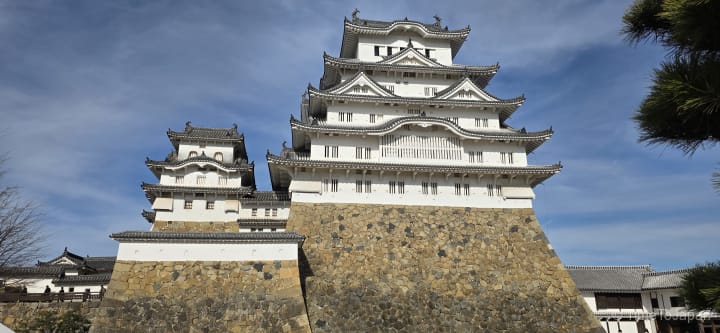
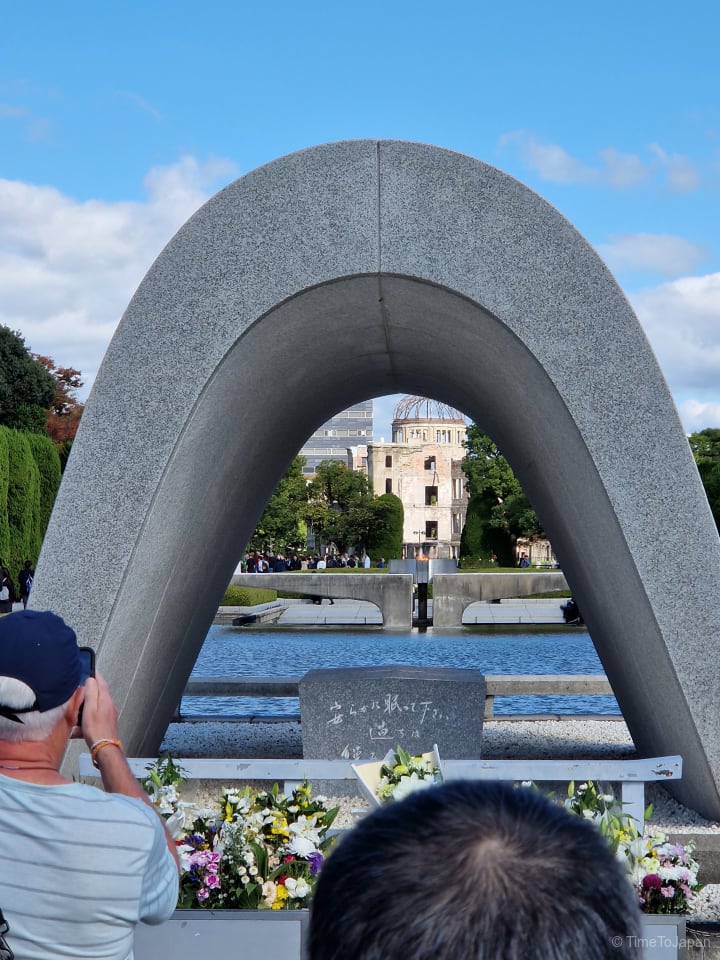
The first four were inscribed together at the Committee's session in Cartagena, Colombia, in December 1993: Horyu-ji and Himeji Castle, Japan's first cultural sites, and the cedar forest of Yakushima and the beech forest of Shirakami-Sanchi, its first natural ones. Twenty-three more have followed in fits and starts: none from 2001 to 2003 or from 2008 to 2010, one a year from 2013 to 2019, two in 2021, then Sado in 2024 and Asuka-Fujiwara in 2026. The Genbaku Dome needed a change in the law first. When Hiroshima asked for it to be nominated, the national government replied that the ruin had no protection under Japanese law and was too young to be designated. A petition to the Diet gathered 1,653,996 signatures, the rules for Historic Sites were changed in March 1995, the Dome was designated that June, and the Committee listed it in December 1996.
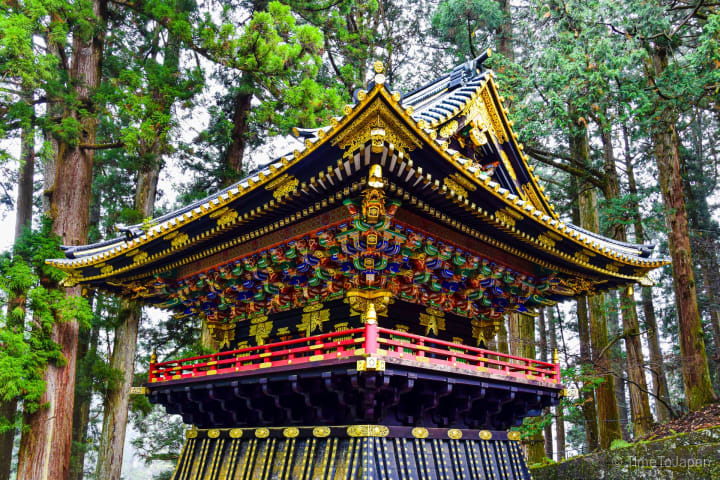
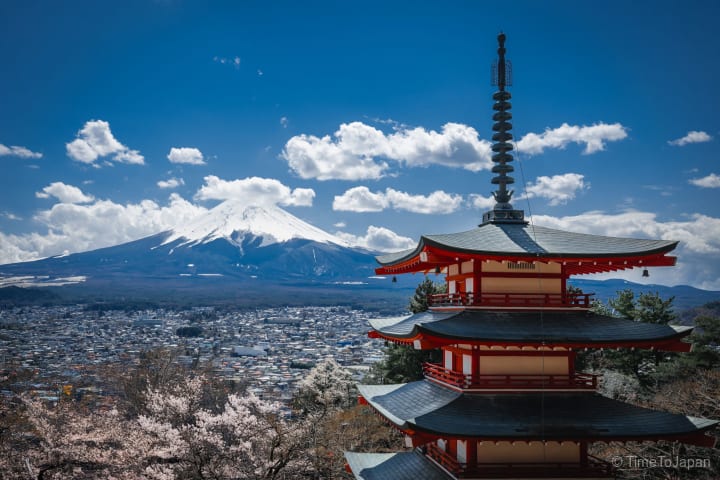
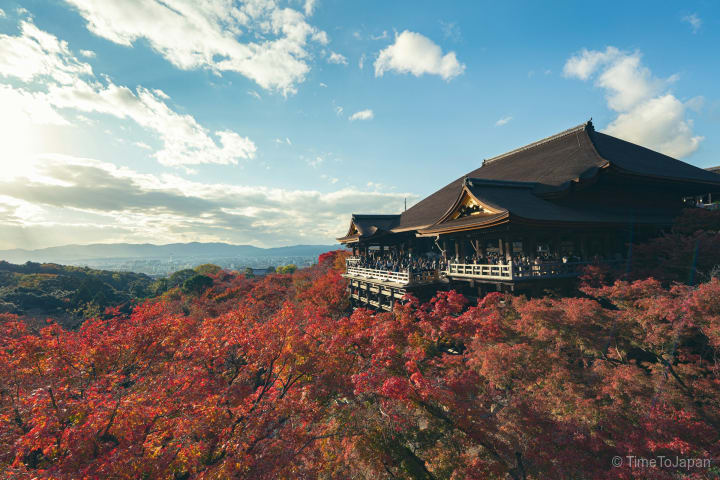
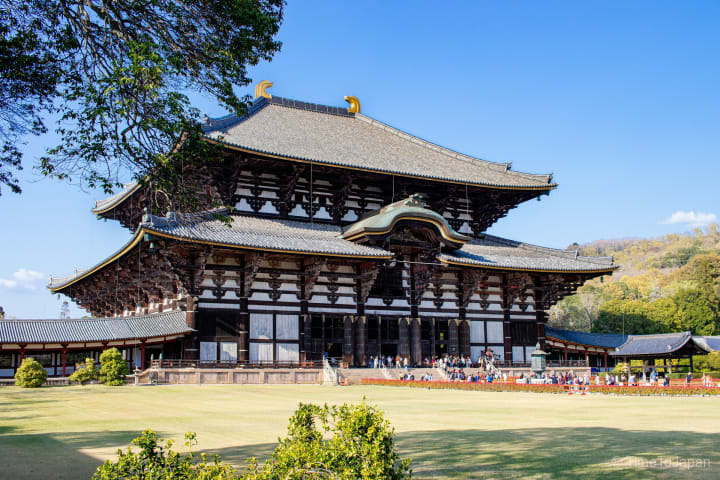
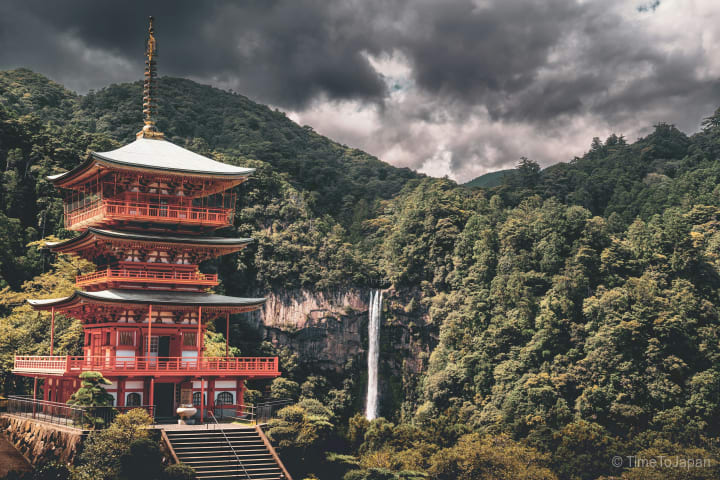
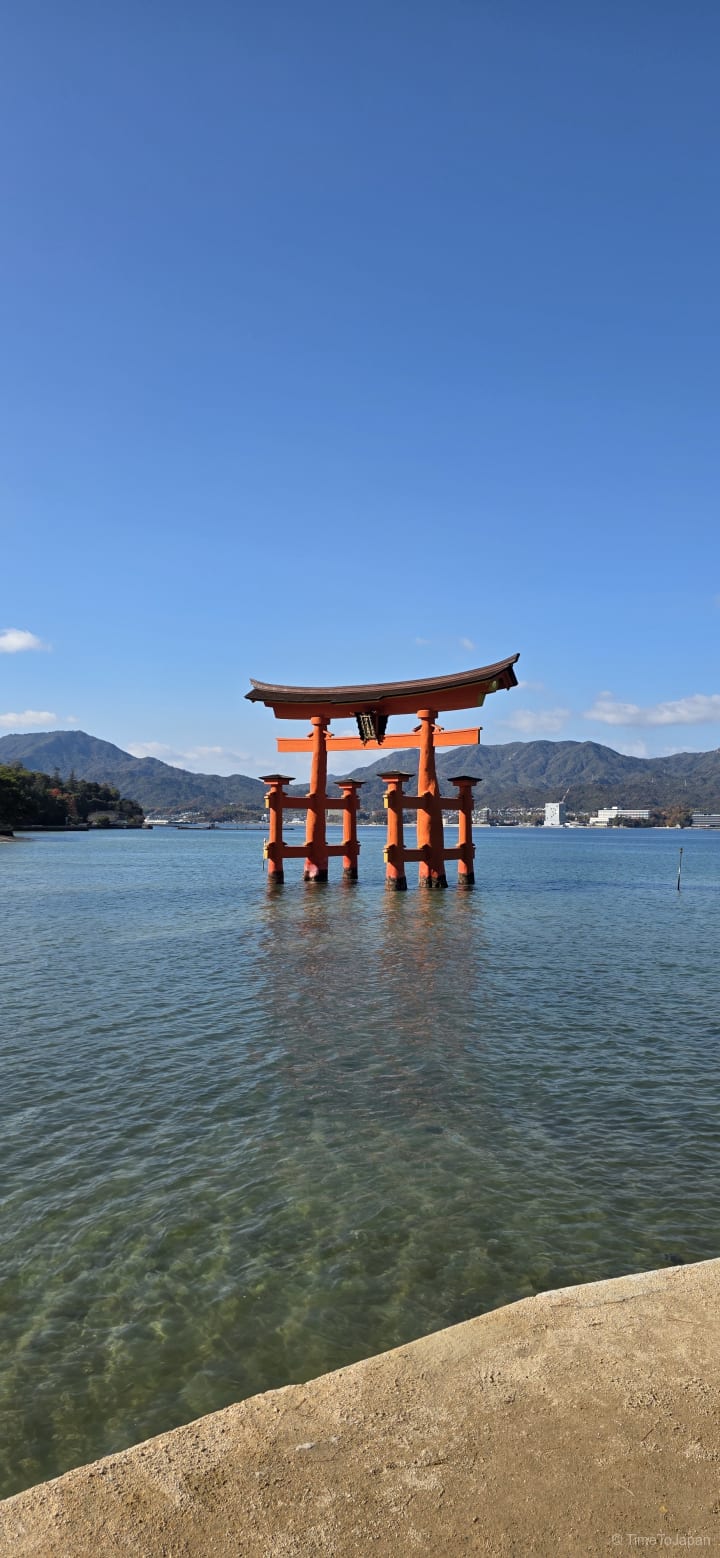
What made the list goes far beyond temples. Alongside the wooden halls of Kyoto, Nara and Nikko there is the castle at Himeji, a ruin left by an atomic bomb, a silk mill opened in 1872, a 1959 art museum in Ueno that shares its listing with 16 other Le Corbusier works in six countries, 49 burial mounds of Japan's early ruling elite, 17 prehistoric Jomon sites, Iwami's silver mine and Sado's gold mines, an island where only priests may land, and forests and islands from Shiretoko to Iriomote. Mount Fuji is a cultural site, not a natural one: UNESCO listed it in 2013 as a sacred place and a source of art, together with its shrines, its pilgrim trails and all five of the Fuji Five Lakes.
Shuri Castle's main hall burned down on October 31, 2019, and the hall that opens on November 23, 2026 is its rebuilt successor. Some sites have gained rules since they were listed, from the ¥4,000 fee on Mount Fuji's trails to the daily caps on Iriomote's jungle areas, and two come with a request from the Committee about their wartime history. When the Meiji industrial sites were inscribed in 2015, the Committee recommended that their presentation let visitors understand the full history of each site. In 2021 it said it "strongly regrets" that Japan had not yet fully carried out its decisions and asked for measures to allow an understanding of the large number of Koreans and others brought against their will and forced to work under harsh conditions; in 2023 it acknowledged the new set of measures Japan had put in place. At Sado's inscription in 2024, Japan told the Committee that new exhibits on the harsh conditions of all the mines' workers, including those mobilised from the Korean Peninsula in wartime, were already on show on the island, and that a memorial for all of them would be held there every year; the third was held on September 12, 2026. In July 2026 the Committee found that the site's presentation of its whole history, through every period of mining, had shown some progress but was not yet fully developed.
Japan's Tentative List, the places it may nominate next, holds just three, all cultural: the temples and shrines of Kamakura and Hikone Castle, both on it since 1992, and an extension of Hiraizumi to take in the Yanagi-no-Gosho site, added in 2012. Kamakura has been tried once already: ICOMOS advised against it in April 2013, and the government withdrew the nomination. Hikone went through ICOMOS's preliminary assessment, which every nomination now needs. The report, in October 2024, backed building the case around how the daimyo governed under the Tokugawa and said the castle might meet criterion (iii), but in August 2025 the Council for Cultural Affairs said the draft still needed work. The city and Shiga Prefecture reworked it, and on September 3, 2026 the Council recommended Hikone Castle as Japan's next nomination. In 2027 the Cabinet is due to approve it and the full dossier to reach UNESCO by February 1, and Hikone is aiming for inscription in 2028. Since March 2026 the Council has also been discussing which places to add to the Tentative List.
In Japanorama, season 19 of Jet Lag: The Game, the seven-day race from Nishi-Oyama in southern Kagoshima to Wakkanai at the top of Hokkaido, one of the challenge cards is "Evaluate a UNESCO World Heritage Site". It is worth four cards, and the task sounds simple: go to any World Heritage Site and, with no research beforehand, work out which criteria it was listed under. The card says there are 12 to choose from. UNESCO actually has ten, (i) to (vi) for cultural sites and (vii) to (x) for natural ones, so the odds are a little kinder than the card makes out. To play along, make your guess on the spot and check it against the FAQ below. At a temple, shrine or castle, (iv), "an outstanding example of a type of building", is the safe bet, since 12 of Japan's 22 cultural sites carry it. The Genbaku Dome stands on (vi) alone, and no site in Japan, Mount Fuji included, has ever been listed under (viii), the criterion for the earth's history and landforms.