First Time in Japan: A Complete Beginner's Guide
Visa requirements, money, etiquette, where to go, and what not to miss on your first trip to Japan.
Before You Go
Japan is one of the easiest countries in the world to visit as a first-time traveller. The trains are punctual to the second, most stations have English signage, the food is extraordinary at every price point, and it's one of the safest countries you'll ever set foot in. You don't need to speak Japanese, you don't need a guide, and you don't need a massive budget.
What you do need is a bit of preparation. Not because Japan is complicated, but because the right setup (an IC card, an eSIM, cash on hand, a rough plan) turns a good trip into a seamless one. This guide covers everything from visas to etiquette to building your first itinerary.
Visas and Entry
Citizens of 74 countries can enter Japan visa-free for tourism, typically for up to 90 days. This includes the US, UK, EU, Canada, Australia, New Zealand, South Korea, Singapore, and most of Southeast Asia.
Before your trip:
- Check your eligibility on the Japanese Ministry of Foreign Affairs website. Rules can change.
- Complete the Visit Japan Web form before your flight. This generates a QR code that speeds up customs and immigration on arrival. It takes about 10 minutes and can be done up to 6 weeks ahead.
- Make sure your passport is valid for the duration of your stay. Japan doesn't require extra validity beyond your trip dates, but your airline might.
When to Visit
Japan is a genuine four-season destination, and every season has a strong case. The short version:
- Spring (late March to May): Cherry blossoms, mild weather. The most iconic window, but also the most crowded and expensive.
- Summer (June to August): Hot and humid, especially in Tokyo and Osaka. Compensated by spectacular festivals, fireworks, and Hokkaido's comfortable weather.
- Autumn (October to November): Stunning foliage, comfortable temperatures, fewer crowds than spring. Many repeat visitors call this the best season.
- Winter (December to February): Lowest prices, fewest tourists. World-class skiing in Niseko and Hakuba, hot springs in the snow, and beautiful illuminations across every city.
For a deeper look at what each month offers, including specific festivals, weather data, and crowd levels:
Budget: How Much Does Japan Cost?
Japan has a reputation for being expensive, but it doesn't have to be. Street food and konbini (convenience store) meals are cheap and genuinely good, public transport is affordable with an IC card, and mid-range hotels are clean and well-located. A couple travelling mid-range can expect to spend around ¥20,000 to ¥40,000 per day combined (roughly $130 to $260 USD at current rates) including food, transport, and activities, but not accommodation.
Daily Budget Breakdown (Per Person)
| Category | Budget | Mid-range | Comfort |
|---|---|---|---|
| Accommodation | ¥3,000–5,000 (hostel) | ¥8,000–15,000 (business hotel) | ¥15,000–30,000 (nice hotel/ryokan) |
| Food | ¥2,000–3,000 | ¥3,000–5,000 | ¥5,000–10,000 |
| Transport | ¥1,000–2,000 | ¥1,500–3,000 | ¥3,000–5,000 |
| Activities | ¥500–1,000 | ¥1,000–3,000 | ¥3,000–5,000 |
| Daily total | ¥7,000–11,000 | ¥14,000–26,000 | ¥26,000–50,000 |
These exclude Shinkansen tickets between cities and one-off experiences (teamLab, cooking classes, etc.), which are separate expenses. A 7-day ordinary JR Pass is ¥50,000, but most first-time itineraries are cheaper with individual tickets.
Money and Payments
Japan's currency is the Yen (¥). Despite its tech-forward reputation, many smaller restaurants, local shops, and temples are cash-only. This is changing (more places accept cards and IC card payments each year), but carry cash as a rule, especially outside major cities.
- ATMs: 7-Eleven and Japan Post ATMs reliably accept international cards. Withdraw ¥10,000 to ¥20,000 at a time. Most charge a small fee (¥110 to ¥220).
- Credit cards: Visa and Mastercard work at hotels, department stores, chains, and most tourist-facing businesses. Amex is accepted less widely.
- IC cards: Your Suica or PASMO works at konbini, vending machines, and many shops. A good way to avoid fumbling with coins for small purchases.
- Tax-free shopping: Spend over ¥5,000 (before tax) at a single store displaying the "Tax Free" logo and you can claim the 10% consumption tax back. Bring your passport. Department stores, electronics shops, and drug stores commonly offer this.
Where to Stay
Japan has accommodation types you won't find anywhere else. Here's what to expect at each level:
Accommodation Types
| Type | Price Range | Best For |
|---|---|---|
| Hostels | ¥2,500–5,000/night | Solo travellers, budget stays. Dorm beds or private rooms. Many are spotless and social. |
| Capsule hotels | ¥3,000–5,000/night | The experience, solo travellers. A sleeping pod with TV, charging, and shared bathrooms. Try it once. |
| Business hotels | ¥7,000–15,000/night | The sweet spot for most travellers. Clean, compact rooms, great locations near stations. Chains like Toyoko Inn, Dormy Inn (with onsen!), and APA are reliable. |
| Western-style hotels | ¥15,000–50,000+/night | Couples, families wanting space. International chains and Japanese luxury brands. |
| Ryokan (traditional inn) | ¥15,000–80,000+/night | A must-do at least once. Tatami rooms, futon beds, multi-course kaiseki dinner, and often a private onsen. Budget ryokans exist from ¥8,000 without meals. |
Location tip: In every city, stay near a major train station. In Tokyo, Shinjuku, Shibuya, and Ueno are popular bases with excellent rail connections. In Osaka, the Namba and Umeda areas put you close to everything. In Kyoto, anywhere near Kyoto Station or the downtown Kawaramachi area works well.
Getting Around
Japan's public transport is arguably the best in the world. Trains run on the second, stations have English signage everywhere, and the network connects virtually every corner of the country. You do not need a car for a first trip.
IC Card: Your First Purchase
Get a Suica or PASMO card at the airport or any train station on day one. Tap in, tap out. It works on all trains, buses, konbini, and vending machines nationwide. iPhone users can set up a digital Suica in Apple Wallet before landing, which is the most convenient option.
Shinkansen (Bullet Train)
The Shinkansen connects major cities at incredible speed: Tokyo to Kyoto in 2 hours 15 minutes on the Nozomi, Tokyo to Osaka in 2 hours 30 minutes, Tokyo to Hiroshima in about 4 hours. Seats are comfortable, there's legroom, and you can buy bento boxes on the platform to eat on the train (this is one of Japan's great pleasures).
The Japan Rail Pass (¥50,000 for 7 days) gives unlimited JR travel including most Shinkansen, but after the 2023 price increase, it's only worthwhile for itineraries with 3+ long-distance legs. A simple Tokyo to Kyoto to Osaka trip is cheaper with individual tickets. Consider regional passes instead (JR Kansai, JR Hokuriku) for focused trips.
Within Cities
In Tokyo and Osaka, the subway and JR lines cover everything. Use Google Maps for routing. It handles Japanese transit flawlessly, including platform numbers and which car to board for the fastest transfer.
Taxis are clean and reliable. Use the GO app to book one (it works like Uber but with regular taxis). Highway buses are the budget option for long distances, especially overnight routes. Luggage forwarding (takkyubin) lets you send bags ahead to your next hotel for around ¥2,000 per bag via any konbini or hotel front desk. They arrive the next day. Use this instead of dragging suitcases onto trains.
Connectivity: eSIM and WiFi
Get an eSIM or pocket WiFi sorted before you arrive. This is non-negotiable. You'll rely on your phone constantly for Google Maps (essential in complex stations), Google Translate (the camera feature reads Japanese text in real time), restaurant lookups, and train schedules.
An eSIM is the best option for most travellers. It activates instantly, requires no extra device, and uses Japan's fast mobile networks. Buy one before you fly. Providers like Ubigi, Airalo, and Mobal offer Japan-specific plans starting around ¥1,500 to ¥2,500 for 10 to 15 days of data.
A pocket WiFi makes more sense for families or groups since multiple devices connect to one unit. Pick it up at the airport on arrival. Look for providers using the NTT Docomo network for the best coverage.
Eating in Japan
Food is one of the main reasons people visit Japan, and it delivers at every price point. A ¥500 bowl of ramen at a local shop can be as memorable as a ¥15,000 kaiseki dinner. Here's what first-time visitors should know.
How Restaurants Work
Japanese restaurants operate differently from what you might be used to:
- Ticket machines (kenbaiki): Many ramen shops, gyudon chains, and casual restaurants have a vending machine at the entrance. Insert money, press the button for your dish, hand the ticket to the staff. No Japanese needed. Look for photos on the buttons, or the top-left button is usually the most popular item.
- Water and oshibori: Water (or tea) and a wet towel are free at almost every sit-down restaurant. You don't need to order drinks.
- The check: You never flag down a server to pay. Take your bill to the register near the entrance when you're done. Some places have a call button (yobidashi) at the table for ordering more items.
- No tipping. The price is the price. Tipping can cause genuine confusion.
- Small appetiser charge: Izakayas (pub-style restaurants) often serve a small appetiser (otoshi) automatically. This is a cover charge of ¥300 to ¥500, not a mistake.
What to Eat
Don't limit yourself to sushi. Japan's food landscape is vast:
- Ramen: Every region has its own style. Tokyo does shoyu (soy sauce) and tsukemen (dipping noodles). Osaka favours rich tonkotsu. Sapporo is famous for miso ramen.
- Curry rice: Japan's comfort food. Thick, mild, served everywhere from chains like CoCo Ichibanya to local shops.
- Tonkatsu: Breaded pork cutlet, served with shredded cabbage and rice. Simple and satisfying.
- Okonomiyaki: Savoury pancakes loaded with cabbage, meat, and topped with sauce. Osaka and Hiroshima each claim theirs is the real version (try both).
- Yakitori: Grilled chicken skewers, best eaten at smoky counter seats under the train tracks.
- Conveyor belt sushi: Plates at ¥100 to ¥300 each, rotating past you on a belt. Touch-screen ordering at chains like Sushiro and Kura Sushi.
- Konbini food: 7-Eleven onigiri (rice balls), egg sandwiches, nikuman (steamed buns), and fried chicken are all genuinely good. This is not a guilty pleasure in Japan; it's just how people eat.
Cultural Etiquette
Japan places a high value on consideration for others. Nobody expects tourists to know every rule, but following these basics shows respect and makes your experience smoother.
The Essentials
- Shoes off at the door. Remove shoes when entering homes, many traditional restaurants, ryokans, and temple interiors. Look for a step up or a shoe rack. That's your cue. Slip-on shoes make life much easier.
- Quiet on trains. Phones on silent (called "manner mode" in Japan), conversations kept low. No phone calls on trains. The peaceful silence on Japanese trains is genuinely one of the best things about the country.
- Don't eat while walking. Find a spot to stand or sit when eating street food. Most stalls have a nearby eating area. It's about keeping shared spaces clean.
- Carry your trash. Public bins are rare. Carry a small bag for rubbish until you find one, usually at konbini, stations, or vending machine spots.
- Queue everywhere. Japanese people queue for trains, buses, escalators, restaurants, and elevators. Stand on the left side of escalators in Tokyo (right side in Osaka) to let people walk past.
Temples and Shrines
You'll visit many temples (Buddhist, identified by gates called sanmon) and shrines (Shinto, identified by torii gates). The basics:
- At shrines: Bow slightly at the torii gate before entering. At the purification fountain (temizu), rinse left hand, right hand, then mouth (pour water into your hand, not directly). At the main hall: toss a coin, bow twice, clap twice, pray, bow once.
- At temples: Similar respect applies, but no clapping. Incense is common; waft the smoke toward you (it's believed to have healing properties).
- Photography: Usually fine in outdoor areas. Look for "no photo" signs inside buildings, especially around altar areas.
Onsen (Hot Springs)
Visiting an onsen is one of Japan's greatest experiences, and it's not as intimidating as it sounds. The rules are simple: wash thoroughly at the shower stations before entering the water. No swimwear. Tie long hair up. Don't put your towel in the water (place it on your head or the edge). Men and women bathe separately. After the first minute, the self-consciousness disappears and the relaxation takes over.
The Classic First-Time Route (10 to 14 Days)
There's a reason most first-time visitors follow a similar path through Japan. It covers the essential highlights efficiently, with good Shinkansen connections between cities. You can do this route in 10 days comfortably, or stretch it to 14 with day trips and more time in each place.
Tokyo (3 to 4 days)

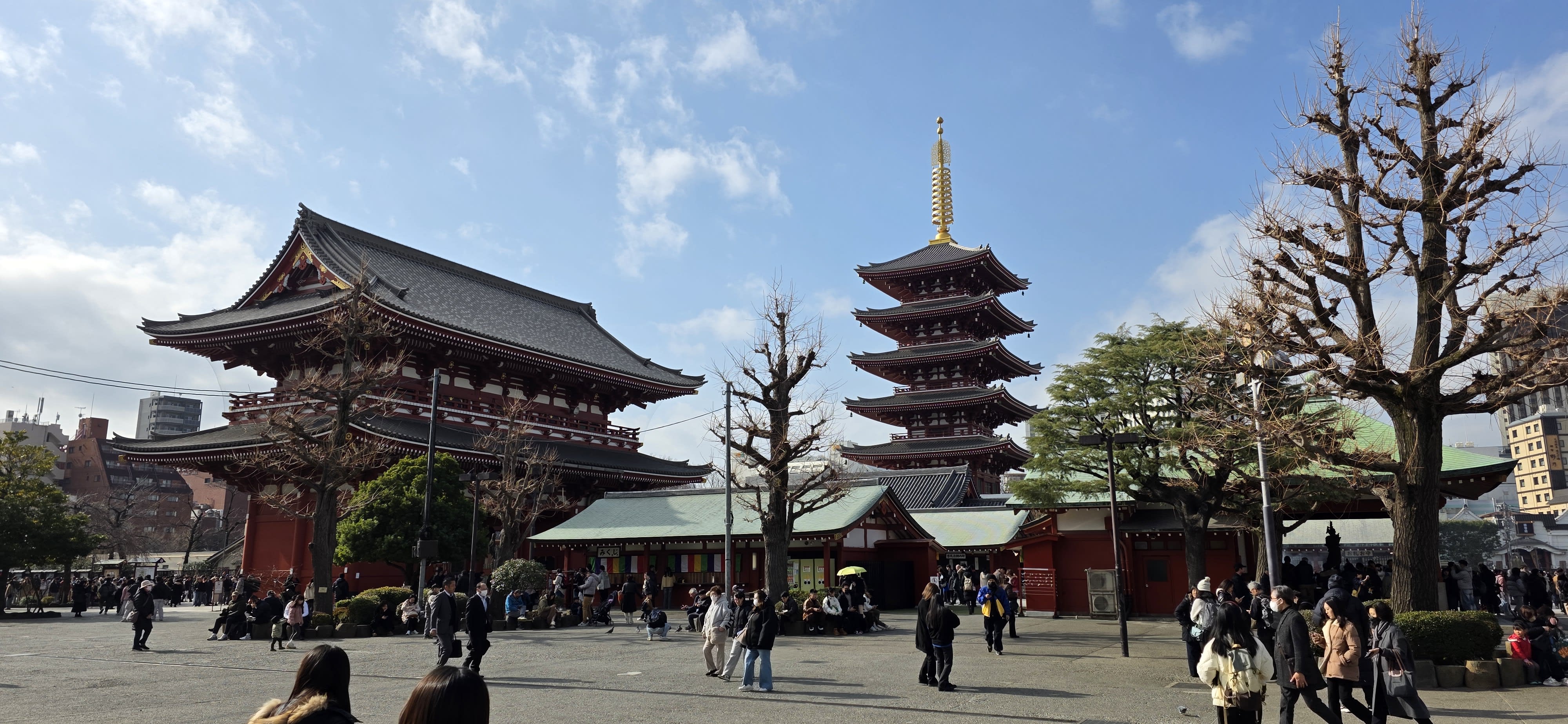
The world's largest metropolitan area, and every neighbourhood feels like a different city. Shibuya's famous crossing and youth culture. Shinjuku's skyscrapers, department stores, and nightlife. Asakusa's historic Senso-ji temple. Akihabara's anime and electronics. Harajuku's street fashion and Meiji Shrine.
Don't miss: Tsukiji Outer Market for breakfast sushi and tamagoyaki. Meiji Shrine for a moment of calm in the forest. Shibuya Sky or Tokyo Skytree for the view. Golden Gai in Shinjuku for tiny atmospheric bars (most seat 6 to 8 people). Ueno Park if you enjoy museums.
Evening options: Ginza for upscale dining and department store food halls (depachika). Ebisu for a more local, relaxed dining scene. Roppongi for nightlife if that's your thing.
Day Trip: Hakone or Kamakura (1 day)
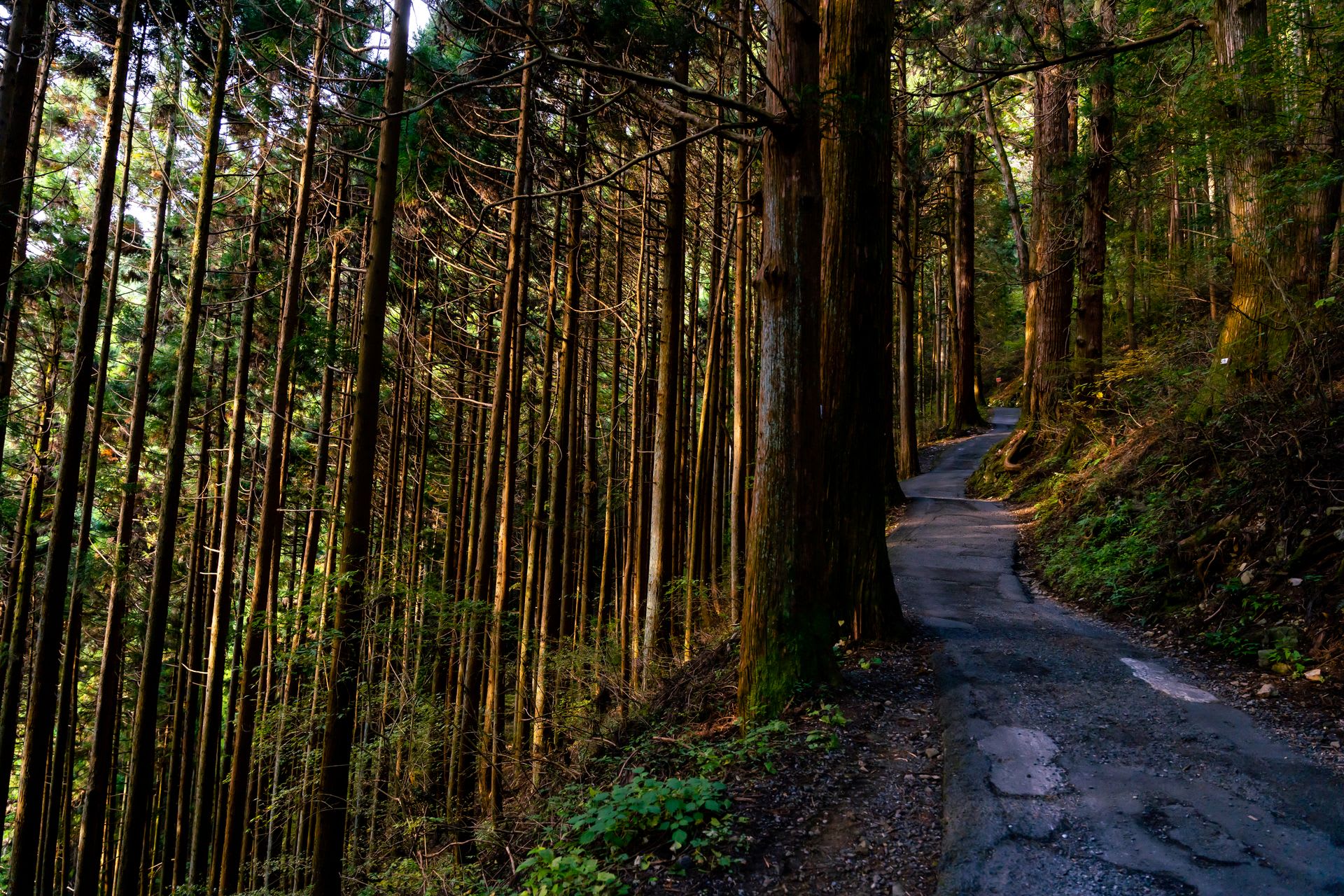
Hakone: Hot springs, lake cruise, ropeway ride, and Mt. Fuji views on clear days. About 90 minutes from Shinjuku on the Odakyu line. The Hakone Free Pass (¥6,100) covers the loop route including the pirate ship, cable car, and return train.
Kamakura: Coastal town with the Great Buddha statue, beautiful temples, and a laid-back atmosphere. About 1 hour from Tokyo Station. Grab shirasu-don (whitebait rice bowl) on Komachi-dori street.
Either works well as a break from the city. If you want an onsen experience without an overnight stay, Hakone is the better pick.
Kyoto (2 to 3 days)
The cultural heart of Japan, with over 2,000 temples and shrines. Kyoto is where Japan's traditional soul is most visible: bamboo groves, geisha districts, tea ceremonies, and quiet zen gardens.

Don't miss: Fushimi Inari's thousands of torii gates (go at dawn to beat crowds). Kinkaku-ji (the Golden Pavilion). Arashiyama's bamboo grove and monkey park. The Philosopher's Path. An evening walk through Gion, where you might spot a geiko (Kyoto's term for geisha) heading to an appointment.
Getting around Kyoto: Kyoto's main sights are spread out and the city doesn't have an extensive subway. Buses are the primary transport (buy a day pass), but they get crowded in peak season. Renting a bicycle is an excellent alternative for the flat central areas.
Osaka (1 to 2 days)
Japan's food capital. Osaka has more personality per square metre than anywhere else in the country. It's louder, funnier, and more laid-back than Tokyo. The locals are famously friendly and direct.

Don't miss: Dotonbori for the neon signs and street food. Takoyaki (octopus balls) and okonomiyaki are mandatory. Kuromon Market for fresh seafood. Osaka Castle for the park and views. Shinsekai for retro atmosphere and kushikatsu (deep-fried skewers on sticks, with a strict "no double-dipping" rule). A night out in Namba.
Hiroshima + Miyajima Island (1 to 2 days)
The Peace Memorial Museum is one of the most moving experiences you'll have anywhere. Allow at least 2 hours. The surrounding Peace Memorial Park is beautiful and contemplative.
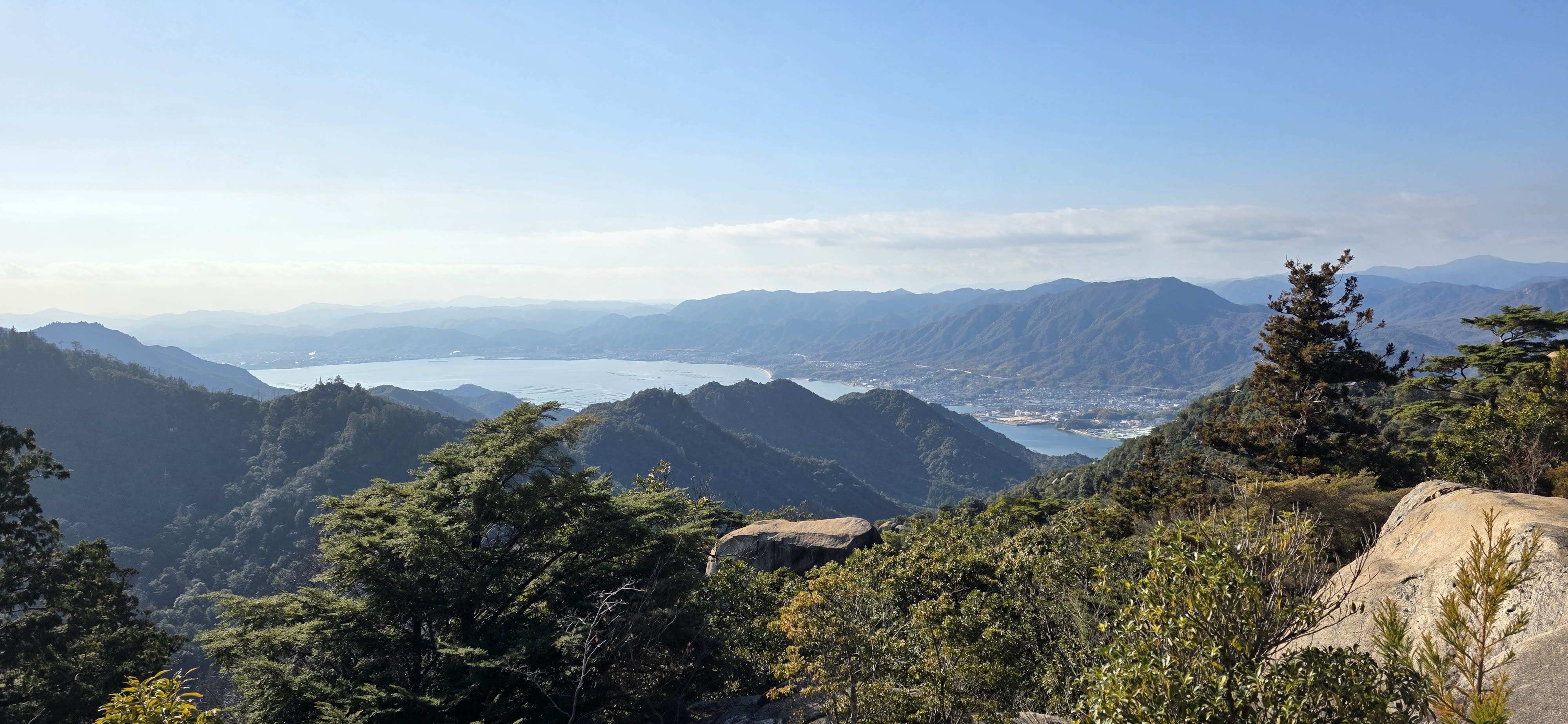
Take the short JR ferry (free with JR Pass, otherwise ¥360 round trip) to Miyajima Island for the famous floating torii gate, friendly deer, and some of the best grilled oysters in Japan. If you can stay overnight, you'll see the torii gate lit up after the day-trippers leave.
Nara (Half Day from Kyoto or Osaka)
Nara is an easy side trip that most first-time visitors love. Todai-ji temple houses a 15-metre bronze Buddha in the world's largest wooden building. The real stars are the 1,200+ free-roaming deer in Nara Park. They bow for crackers (sold for ¥200 at park stands). About 45 minutes from Kyoto or Osaka on the JR or Kintetsu line.
Optional Extensions
- Kanazawa (1 to 2 days): Kenroku-en (one of Japan's top three gardens), beautifully preserved samurai and geisha districts, and the Omicho fresh seafood market. Between Kyoto and Tokyo via the Hokuriku Shinkansen. A great alternative to retracing your route back to Tokyo.
- Nikko (1 day from Tokyo): Elaborately decorated Toshogu Shrine, waterfalls, and mountain scenery. About 2 hours north of Tokyo. Far fewer tourists than Kamakura or Hakone.
- Hakone/Mt. Fuji area (1 to 2 days): Worth an overnight for the onsen experience and Fuji views, if you have the time.
- Kobe (half day from Osaka): Try actual Kobe beef at source, explore Chinatown, and walk the harbour. 20 minutes from Osaka on the JR line.
Ready to map out your own version? Our Trip Planner lets you build a day-by-day itinerary with accommodation, or start from one of our ready-made templates.
The Language
You don't need to speak Japanese. Tourist areas have good English signage, Google Translate's camera feature reads Japanese text reliably, and station announcements are in English. That said, a handful of phrases go a long way. Staff in smaller restaurants and rural areas will genuinely appreciate the effort:
- Sumimasen (すみません): "Excuse me" or "I'm sorry." The most useful word in Japanese. Use it to get attention, apologise, and express gratitude.
- Arigatou gozaimasu (ありがとうございます): "Thank you very much."
- Onegaishimasu (おねがいします): "Please." Point at a menu item and say this.
- Eigo wa dekimasu ka? (英語はできますか?): "Do you speak English?"
- Ikura desu ka? (いくらですか?): "How much is this?"
- Oishii! (おいしい!): "Delicious!" Use this at restaurants. Chefs and staff genuinely light up.
- Kore kudasai (これください): "This one, please." Point and say it. Works everywhere.
Apps to Download Before You Go
- Google Maps: Flawless for Japanese transit routing. It tells you which platform, which exit, and which car to board.
- Google Translate: The camera mode reads Japanese signs, menus, and labels in real time. Download the offline pack.
- Suica (Apple Wallet): iPhone users can set up a digital IC card before landing. Saves the airport queue.
- GO: Japan's taxi app. Works like Uber but with regular, metered taxis.
- Tabelog: Japan's restaurant review app (more trusted locally than Google reviews). Anything rated above 3.5 is excellent.
- Navitime: Alternative to Google Maps with more detail on walking routes and indoor station maps.
Practical Tips
Convenience Stores Are a Way of Life
7-Eleven, FamilyMart, and Lawson are nothing like convenience stores anywhere else. They have genuinely good food: fresh onigiri (rice balls), sandwiches, pastries, hot meals, and decent coffee, all for a few hundred yen. They're open 24/7, they have ATMs that accept foreign cards, clean toilets, and they sell everything from umbrellas to phone chargers. You will eat there more than you expect, and that's completely fine.
Book Popular Experiences Early
teamLab exhibits, high-end sushi restaurants, themed cafes, and some temple experiences (like Kyoto's Moss Temple, which requires a written application) sell out 2+ weeks in advance. Check availability before you fly, especially during peak seasons.
Luggage and Coin Lockers
Major stations have coin lockers in various sizes (¥400 to ¥700 per day). Small lockers fit a daypack, large ones fit a carry-on suitcase. They accept IC cards. For moving between cities, use luggage forwarding (takkyubin). Send bags ahead to your next hotel for around ¥2,000 per bag via any konbini or hotel front desk. They arrive the next day.
Toilets
Japanese toilets are famous for a reason: heated seats, bidets, and a panel of buttons that looks like a spaceship. Public toilets are everywhere (stations, konbini, parks, department stores) and they're clean. The bidet button is usually marked with a water droplet symbol. The big button is flush. Some older tourist sites only have squat toilets, but these are increasingly rare.
Electricity
Japan uses Type A plugs (two flat prongs, same as the US). Voltage is 100V. Most modern phone chargers and laptops handle 100 to 240V automatically, so you just need the right plug shape. If you're coming from Europe, the UK, or Australia, bring an adapter.
Safety
Japan is one of the safest countries in the world. You can walk through any neighbourhood at any hour. Belongings left on trains are usually returned to lost-and-found. Wallets handed in at police boxes (koban) regularly find their way back to their owners. Natural disasters (earthquakes, typhoons) are the main risk. Your phone will receive emergency alerts automatically; follow the instructions and stay calm. Buildings are built to withstand earthquakes, and the country is exceptionally well-prepared.
What to Pack
- Comfortable walking shoes: You'll walk 15,000 to 25,000 steps a day, easily. Slip-on shoes help at temples and restaurants where you remove them frequently.
- Light layers: Even in spring and autumn, mornings can be cool and afternoons warm. Layers work better than one heavy piece.
- Small day bag: A compact backpack for daily sightseeing. Send your main luggage via takkyubin between cities.
- Portable charger: Your phone is your map, translator, camera, and train schedule. Keep it charged.
- Compact umbrella: Rain can arrive without warning, especially in spring and summer. Or buy one at any konbini for ¥500.
- Coin pouch or small wallet: You'll use cash daily and accumulate coins. A zippered coin section is essential.
- Pocket tissues: Some public restrooms don't have toilet paper (though most do). People hand out free tissue packs on the street as advertising.
- Reusable bag: Plastic bags cost ¥3 to ¥5 at shops. Having your own is more convenient.
Common First-Timer Mistakes
- Trying to see too much. Tokyo, Kyoto, and Osaka with a day trip or two is plenty for 10 to 14 days. Adding Hokkaido, Okinawa, and Hiroshima to the same trip means you'll spend half your holiday on trains.
- Not carrying cash. "Japan is a modern country, cards work everywhere" is a common assumption that will leave you stuck at your first small ramen shop.
- Skipping konbini food. Some travellers avoid convenience store meals because they feel like a compromise. They're not. The onigiri at 7-Eleven is made fresh daily with better rice than most restaurants outside Japan.
- Over-relying on the JR Pass. Do the maths for your specific itinerary before buying. Most Tokyo-Kyoto-Osaka trips don't break even on the current ¥50,000 price.
- Booking only Western hotels. At least one night in a ryokan or a stay at a well-reviewed business hotel (especially one with an onsen, like the Dormy Inn chain) gives you something a Hilton never will.
- Not downloading apps beforehand. Google Maps, Google Translate (with the offline pack), and a Suica in Apple Wallet should be set up before you board the plane.
Start Planning
Japan rewards a bit of preparation, but don't overthink it. Book your flights, sort accommodation for at least the first few nights, get an IC card and eSIM ready, and the rest falls into place. The country is designed to be easy to navigate.
Use our Trip Planner to build a day-by-day itinerary, or browse our other guides to dig deeper into specifics like getting from the airport to Tokyo, whether the JR Pass is worth it, or which season to visit.
Frequently Asked Questions
Do I need a visa to visit Japan?
Citizens of 74 countries, including the US, UK, EU nations, Canada, and Australia, can enter Japan visa-free for tourism for up to 90 days. Check the Ministry of Foreign Affairs website for your country, and fill out Visit Japan Web before you fly to speed through immigration.
How many days do you need for a first trip to Japan?
Ten to fourteen days is the sweet spot. That covers Tokyo, Kyoto, and Osaka with a day trip or two at a comfortable pace. A week works if you limit yourself to two cities. Trying to add Hokkaido, Okinawa, and Hiroshima to the same trip means spending half your holiday on trains.
Is Japan expensive to visit?
Less than its reputation suggests. A mid-range traveller spends roughly 14,000 to 26,000 yen per person per day on food, transport, and activities before accommodation. Konbini meals, street food, and IC-card transport keep costs down, while ryokan nights and Shinkansen tickets are the big variables.
Do I need to speak Japanese to travel in Japan?
No. Tourist areas have English signage, station announcements are in English, and Google Translate's camera reads Japanese menus and signs in real time. A few polite phrases like sumimasen and arigatou gozaimasu go a long way, but pointing and a translation app get you anywhere.
Is the Japan Rail Pass worth it for a first trip?
Usually not, after the 2023 price increase. The 7-day pass costs 50,000 yen, and a simple Tokyo to Kyoto to Osaka trip is cheaper with individual tickets. It only pays off with three or more long-distance legs. Price out your exact route first, and consider regional passes for focused trips.
What is the best time of year to visit Japan?
Spring (late March to May) for cherry blossoms and autumn (October to November) for foliage are the most popular, with the best weather and the biggest crowds. Winter is cheapest and quietest with skiing and snowy onsen, while summer brings heat but also festivals and fireworks.
Do I need cash in Japan, or can I use cards?
Carry cash. Cards work at hotels, chains, and department stores, but many small restaurants, local shops, and temples are still cash-only, especially outside major cities. Withdraw yen from 7-Eleven or Japan Post ATMs, which reliably accept foreign cards.
Is Japan safe for tourists?
Japan is one of the safest countries in the world. You can walk anywhere at any hour, and lost wallets are routinely handed in and returned. The main risks are natural, earthquakes and typhoons, and your phone receives emergency alerts automatically. Buildings are built to strict earthquake standards.
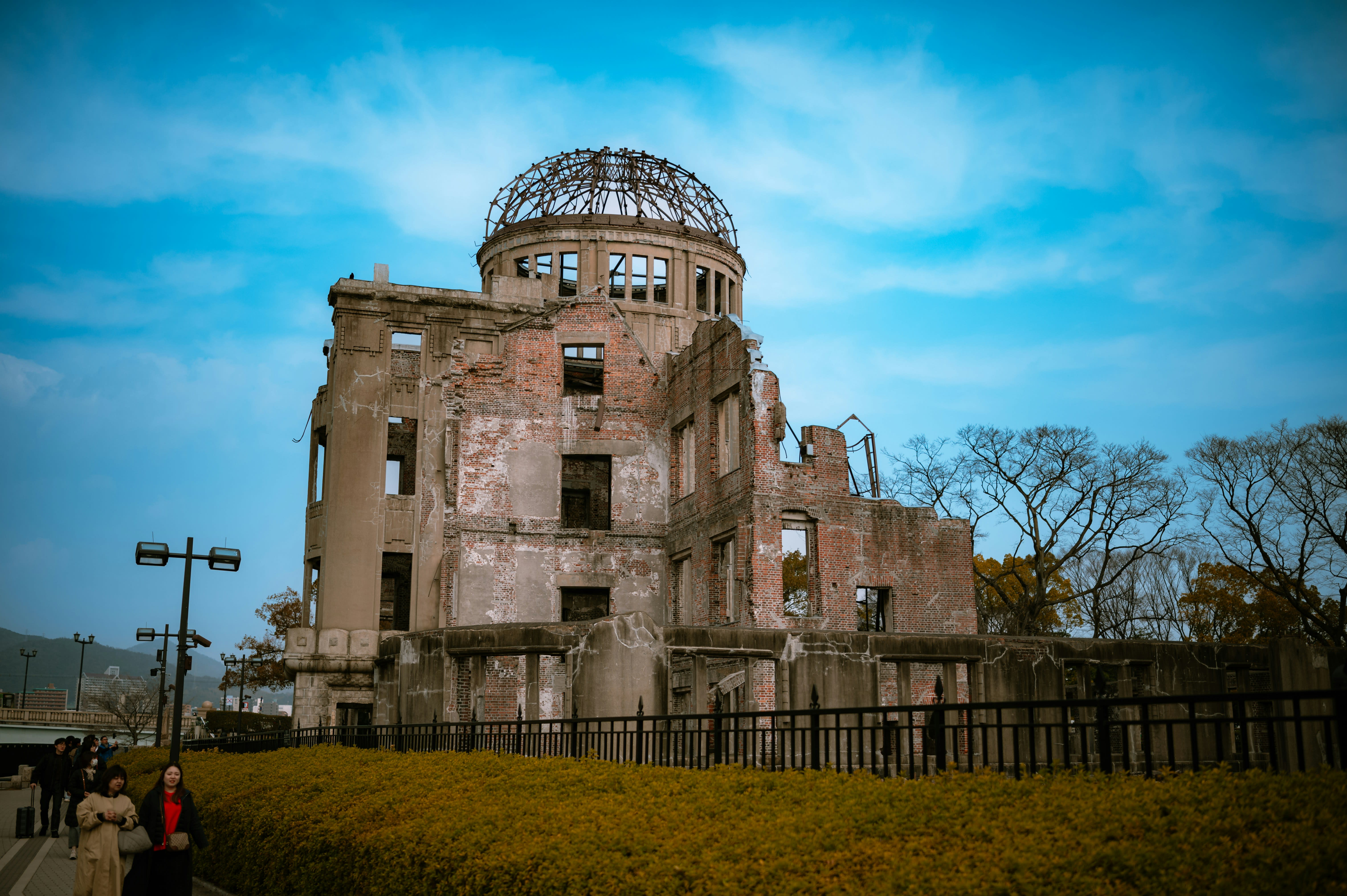
Classic 2-Week Japan
The essential first-timer route: Tokyo, Hakone, Kyoto, Nara, Osaka, and Hiroshima. Covers temples, food, culture, and history.