Eating in Japan: A First-Timer's Restaurant Guide
How Japanese restaurants actually work, what to eat beyond sushi, and how to navigate dietary restrictions. The practical food guide nobody gives you.
Food is the reason half the people on your flight are going to Japan. Not temples, not cherry blossoms, not anime. Food. And Japan delivers at a level that genuinely doesn't exist anywhere else: a ¥500 bowl of ramen from a counter-only shop with six seats can be as memorable as a ¥30,000 kaiseki dinner with twelve courses. A 7-Eleven egg sandwich at midnight, eaten on a park bench, can be oddly perfect.
The challenge for first-time visitors isn't finding good food. It's everywhere. The challenge is understanding how Japanese restaurants actually work, because they operate differently from what you're used to. Ticket machines, cover charges, no tipping, different queue systems, and a culture where specialisation (one restaurant, one dish, perfected over decades) is the norm rather than the exception. This guide covers all of it.
How Japanese Restaurants Work
Walking into a Japanese restaurant for the first time can feel confusing. Here's how it actually works, step by step.
Getting Seated
At most restaurants, you'll be greeted with "Irasshaimase!" (welcome). Don't respond; it's not a question. Hold up fingers to indicate your party size, or say the number. At busy spots, there may be a clipboard or tablet at the entrance to add your name to the waitlist. Some popular places use a ticket number system.
Many Japanese restaurants are small. Six seats at a counter, ten seats total. This is normal. If you see a queue outside, join it. The Japanese queue for good food without complaint, and the queue usually moves fast because these places are efficient.
Ticket Machines (Kenbaiki)
Many ramen shops, gyudon chains (Yoshinoya, Matsuya, Sukiya), curry houses, and casual restaurants have a vending machine at the entrance instead of a menu and a server. Here's how:
- Insert cash or tap your IC card (newer machines accept cards)
- Press the button for the dish you want. Buttons often have photos or plastic food displays nearby for reference
- Collect your ticket(s) and any change
- Hand the ticket to the staff or place it on the counter
- Sit down and wait
If it's all in Japanese: The top-left button is almost always the house specialty or most popular item. If you see a large button or one in a different colour, that's usually the recommended order. Google Translate's camera mode can read the buttons in real time.
Ordering at Sit-Down Restaurants
At most sit-down restaurants, you'll find one of these systems:
- Tablet or touchscreen: Many chains and mid-range restaurants have a tablet at the table with photos and English options. Order directly from it.
- Paper menu with photos: Point and say "kore kudasai" (this one, please). Works every time.
- Call button (yobidashi): A small button on the table to summon your server when you're ready to order or want more items. Press it without guilt; it's the expected system, not an interruption.
- Verbal ordering: At smaller places, the owner may just ask you directly. Point at the wall menu or at what the person next to you is eating.
Water, Oshibori, and Otoshi
Water or tea is free at virtually every sit-down restaurant in Japan. It arrives automatically, often from a self-serve pitcher or dispenser. You don't need to order drinks.
You'll also receive an oshibori (wet towel) to clean your hands before eating. At casual places it's a disposable wet wipe; at nicer places, a hot cloth rolled on a small tray. Use it for your hands, not your face (though in casual izakayas nobody will judge you).
At izakayas (Japanese pub-restaurants), a small appetiser will appear that you didn't order. This is the otoshi, a mandatory cover charge of ¥300 to ¥500 per person. It's not a mistake or a scam. Think of it like a table charge that happens to come with food.
Paying
You almost never pay at the table. When you're done, take your bill (often in a small tray or folder on your table) to the register near the entrance and pay there. Some places have you hand the bill slip to the cashier; others just tell you the total.
No tipping. The price on the menu is what you pay (plus the 10% consumption tax, which is usually already included in the displayed price). Tipping can cause genuine confusion. If you try to leave coins on the table, a staff member may chase you down the street to return them.
Splitting the bill: Perfectly normal to ask. Say "betsu betsu de" (separate, please) when you hand over the bill. Most places handle it without issue.
Types of Restaurants
Japan is a country of specialists. Instead of one restaurant with a 30-page menu, you'll find a street with ten restaurants, each doing one thing exceptionally well. Here are the types you'll encounter most.
Ramen Shops (ラーメン屋)
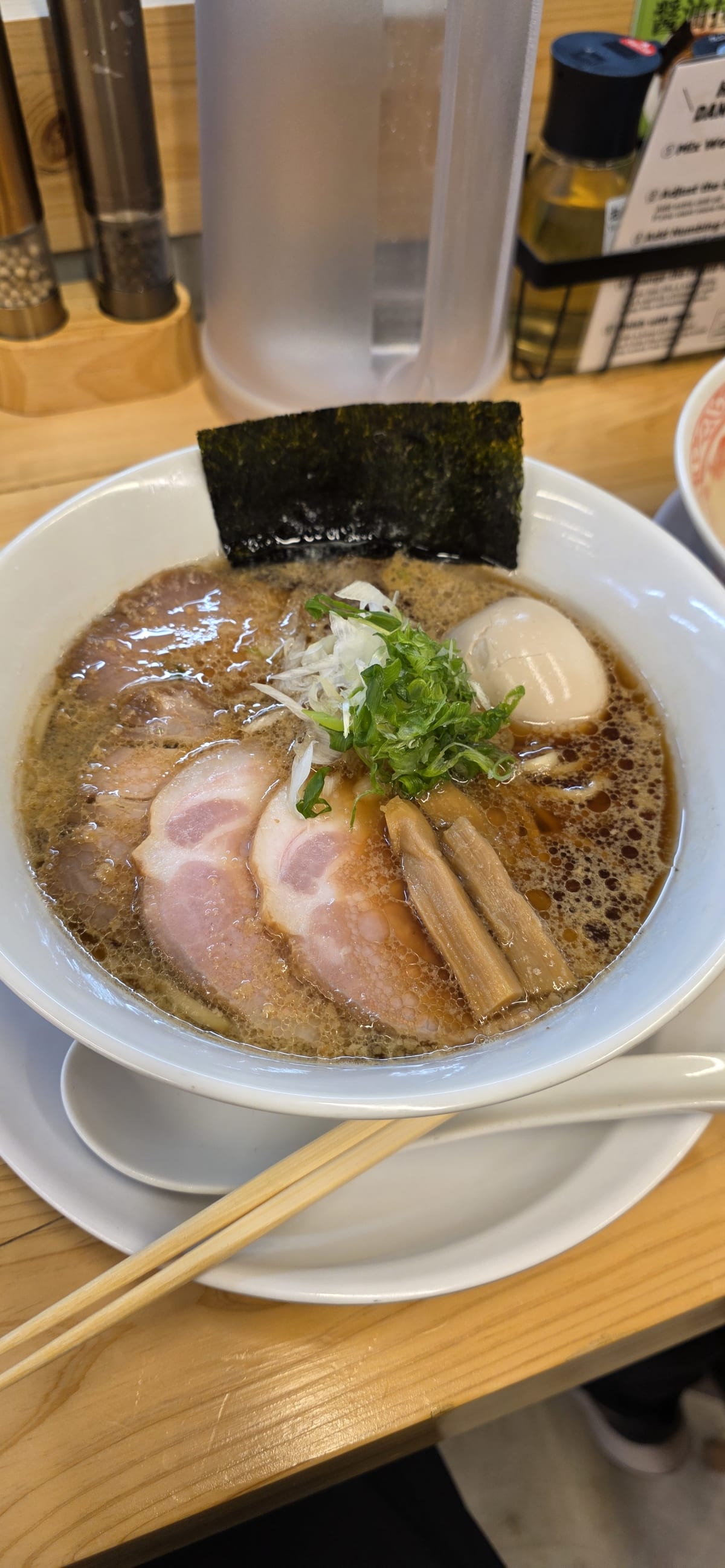
Counter seating, ticket machines, no frills, and some of the most satisfying meals in the country. A bowl costs ¥800 to ¥1,200 on average. Every region has its own style:
- Tonkotsu: rich, creamy pork bone broth. The specialty of Fukuoka (specifically Hakata), but found everywhere.
- Shoyu: soy sauce-based, clear broth. Tokyo's classic style.
- Shio: salt-based, light and delicate. Popular in Hokkaido.
- Miso: rich miso broth, the specialty of Sapporo.
- Tsukemen: cold noodles dipped into a concentrated broth on the side. A Tokyo favourite.
At many ramen shops, you can customise: noodle firmness (kata = firm, futsu = normal, yawa = soft), richness, garlic, and toppings. If you see a sheet with checkboxes, that's your customisation form.
Sushi Restaurants
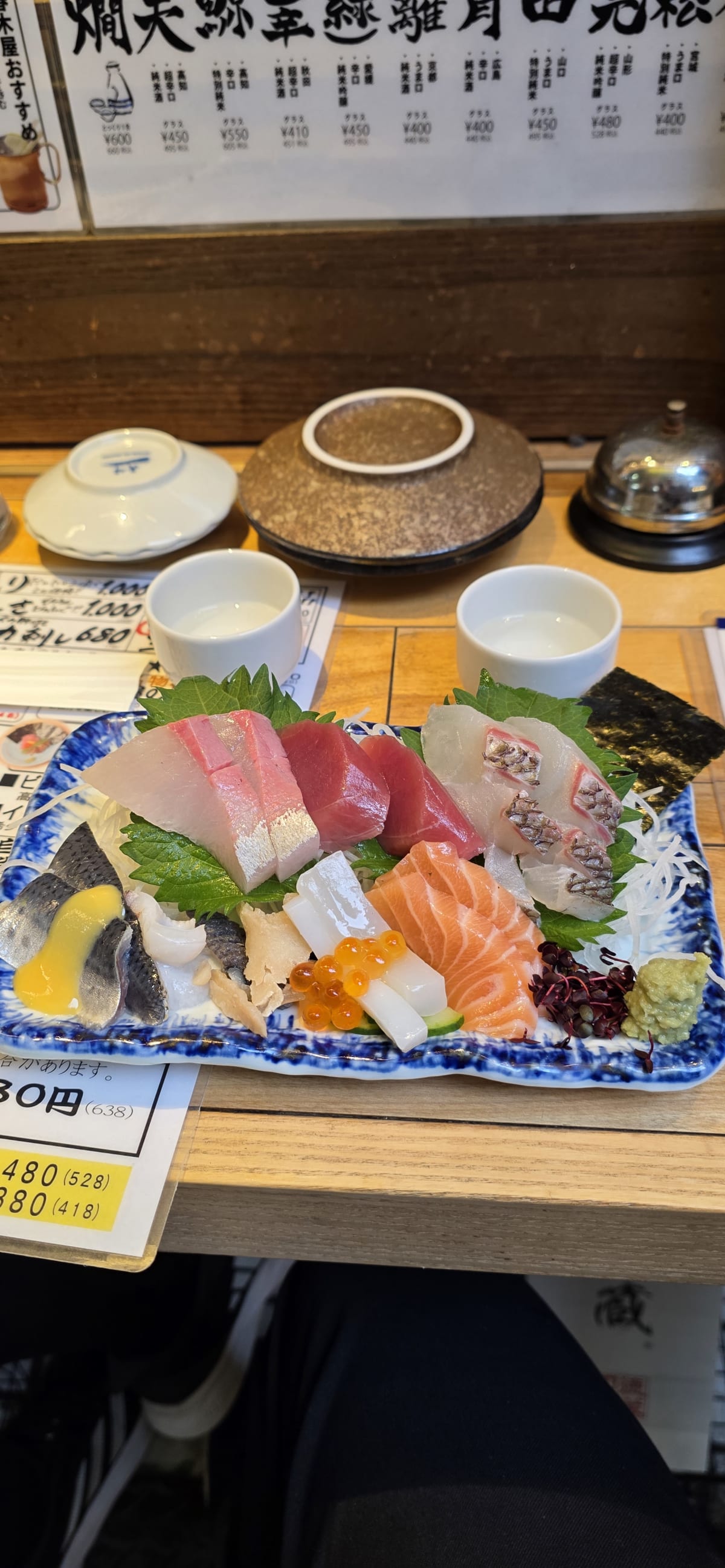
Three tiers exist, and all are worth trying:
- Conveyor belt (kaiten-zushi): Plates rotate past you at ¥100 to ¥400 each. Chains like Sushiro, Kura Sushi, and Hamazushi have touch-screen ordering. Excellent quality for the price. This is where most Japanese people eat sushi.
- Counter sushi (omakase): Sit at the counter and let the chef choose. Ranges from ¥3,000 for a lunch set to ¥30,000+ at top establishments. Lunch omakase sets are the best value in Japanese dining.
- Market sushi: At places like Tsukiji Outer Market, Kuromon Market in Osaka, or Omicho Market in Kanazawa. Fresh, fast, and often standing-only.
Izakaya (居酒屋)
Japan's answer to the pub, but with much better food. Izakayas are where Japanese people go to eat, drink, and socialise after work. The format: order a drink, then share small plates across the table. Think of it as Japanese tapas.
What to order: Edamame, karaage (fried chicken), yakitori (grilled chicken skewers), dashimaki tamago (rolled omelette), sashimi, grilled fish, potato salad (a Japanese izakaya staple, not what you expect). Pair with beer, highball (whisky and soda), or sake.
Budget ¥2,500 to ¥4,000 per person for food and a few drinks. Chains like Torikizoku (all items ¥350) and Ippudo are reliable starting points. For a more authentic experience, look for the small, smoky ones with paper lanterns outside, especially in areas like Shinjuku's Omoide Yokocho or Ebisu's back streets.
Teishoku Restaurants (定食屋)
The Japanese set meal, and possibly the best value in the country. You get a main dish, rice, miso soup, pickles, and usually a small side, all for ¥800 to ¥1,500. Chains like Ootoya and Yayoiken serve excellent teishoku. Independents are even better. This is everyday Japanese eating: balanced, filling, and affordable.
Gyudon and Fast-Casual Chains
Yoshinoya, Matsuya, and Sukiya serve beef rice bowls (gyudon) starting at ¥400 to ¥500. Open 24 hours, ticket machine ordering, food arrives in under two minutes. Not glamorous, but it's honest fuel and a genuine part of daily Japanese life. CoCo Ichibanya (curry) and Mos Burger (Japanese fast food with rice buns) are also worth trying.
Kaiseki (懐石)
The pinnacle of Japanese cuisine. A multi-course meal (typically 7 to 12 courses) that follows the seasons: each dish uses ingredients at their peak, presented with meticulous attention to colour, texture, and arrangement. Expect to pay ¥10,000 to ¥30,000+ per person at a standalone kaiseki restaurant, but many ryokans include a kaiseki dinner in the room rate.
If the price is too steep for a standalone restaurant, a ryokan stay in Hakone or Kyoto is often the most accessible way to experience kaiseki.
What to Eat: The Essentials
Japan has dozens of distinct dishes, each with regional variations. These are the ones every first-time visitor should try at least once.
| Dish | What It Is | Price Range | Where to Try |
|---|---|---|---|
| Ramen | Noodle soup in rich broth (many regional styles) | ¥800–1,200 | Everywhere, but Fukuoka (tonkotsu) and Sapporo (miso) are legendary |
| Sushi | Vinegared rice with fresh fish | ¥100–400/plate (conveyor), ¥3,000+ (counter) | Tsukiji, Kanazawa's Omicho Market |
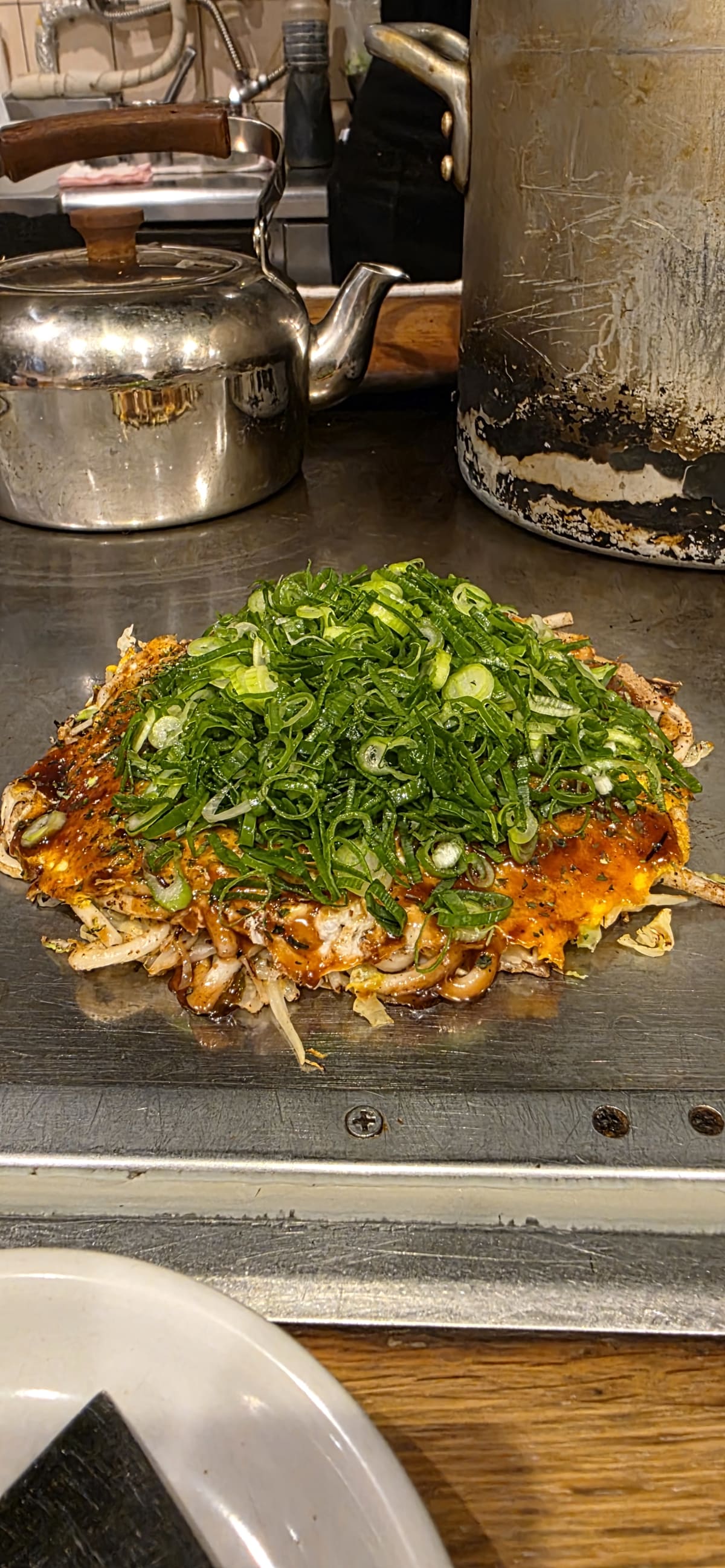
| Okonomiyaki | Savoury cabbage pancake with toppings | ¥800–1,200 | Dotonbori (Osaka-style), Hiroshima (layered-style) |
| Takoyaki | Crispy octopus balls with sauce and bonito flakes | ¥500–700 for 6–8 pieces | Osaka street stalls, especially Dotonbori |
| Tonkatsu | Breaded deep-fried pork cutlet with shredded cabbage | ¥1,000–1,800 | Tokyo specialists like Maisen in Omotesando |
| Yakitori | Grilled chicken skewers (every part of the bird) | ¥100–300/skewer | Under the train tracks in Ueno and Shinsekai |
| Tempura | Lightly battered and fried seafood and vegetables | ¥1,000–2,000 (set), ¥5,000+ (counter) | Counter tempura shops in Ginza or Asakusa |
| Udon | Thick wheat noodles in broth | ¥500–900 | Kagawa Prefecture (Sanuki udon), Osaka |
| Soba | Buckwheat noodles, served hot or cold | ¥700–1,200 | Tokyo and Nagano |
| Curry rice | Thick, mild Japanese curry over rice | ¥500–900 | CoCo Ichibanya (chain) or any teishoku shop |
| Gyoza | Pan-fried dumplings | ¥300–500 for 6 | Everywhere; Utsunomiya and Hamamatsu claim to be the capitals |
| Wagyu beef | Heavily marbled Japanese beef, grilled or as steak | ¥3,000–15,000+ | Kobe (Kobe beef at source), Matsusaka, Yonezawa |
Regional Specialties: What to Eat Where
One of the best things about travelling through Japan is that every city has dishes you can only get there (or at least, get best there). Planning your meals around your route is half the fun.
Tokyo
Tsukemen (dipping ramen), monjayaki (runnier cousin of okonomiyaki, try it in Tsukishima), Edomae sushi (the original style), and tonkatsu. Tokyo is also Japan's best city for international food if you need a break from Japanese cuisine.
Osaka
Known as "Japan's kitchen" (tenka no daidokoro) for a reason. Takoyaki, okonomiyaki, kushikatsu (deep-fried skewers with a strict no-double-dipping rule in Shinsekai), and kitsune udon (with sweet fried tofu). The Dotonbori area is the epicentre of street food, but the best meals are often in the back streets of Namba and Umeda.
Kyoto
More refined than Osaka: kaiseki originated here, and yudofu (simmered tofu) is a specialty near the temples. Matcha everything (Uji, just south of Kyoto, is Japan's most famous tea region). The Gion district and Nishiki Market ("Kyoto's kitchen") are the best food streets.
Hiroshima
Hiroshima-style okonomiyaki (layered with noodles, not mixed) and grilled oysters from Miyajima Island. Okonomimura, a building with 24 okonomiyaki stalls, is the easiest way to try Hiroshima's version.
Fukuoka
The tonkotsu ramen capital of Japan. Hakata ramen is rich, milky pork broth with thin noodles. Order kaedama (extra noodles, ¥100 to ¥200) when you've finished the first serving. The yatai (open-air food stalls) along the Naka River are one of the best food experiences in the country.
Sapporo
Miso ramen (rich, buttery, perfect for cold weather), soup curry (a Sapporo invention, thinner and spicier than regular Japanese curry), jingisukan (grilled lamb, named after Genghis Khan), and fresh seafood from the morning market.
Kanazawa
Some of the best seafood in Japan thanks to the Sea of Japan coast. Omicho Market is excellent for sashimi bowls and crab in winter. Kanazawa's gold leaf industry extends to food: gold-leaf-covered ice cream is the signature tourist snack.
Convenience Store Food (Konbini)
If you only read one section of this guide, make it this one. 7-Eleven, FamilyMart, and Lawson in Japan are not what you think they are. The food is made fresh daily, the quality is genuinely good, and eating konbini meals is not a compromise. It's just how people eat.
What to try:
- Onigiri (rice balls): ¥120 to ¥200 each. Salmon, tuna mayo, and umeboshi (pickled plum) are classics. The seaweed wrapper has an ingenious packaging system that keeps it crispy until you open it.
- Egg sandwiches (tamago sando): Soft, fluffy, and a cult favourite among travellers. Lawson's version is widely considered the best.
- Nikuman (steamed buns): At the counter, ask for them by pointing. Pork is the standard; pizza-man and curry-man are the adventurous picks.
- Bento boxes: Full meals for ¥400 to ¥700. Staff will heat them for you at the register.
- Fried chicken (karaage): FamilyMart's Famichiki is famous for a reason. Crispy, juicy, ¥200.
- Desserts: Lawson's Uchi Cafe line does premium-quality cheesecake, pudding, and cream puffs. Better than most dedicated bakeries outside Japan.
The brand differences: 7-Eleven generally has the best prepared food and coffee. FamilyMart has the best fried chicken. Lawson has the best desserts and sweets. All three are excellent, and you'll find yourself developing a preference.
Depachika: Department Store Food Halls
Every major department store in Japan has a basement food hall (depachika), and they are spectacular. Isetan in Shinjuku, Daimaru in Kyoto Station, Takashimaya in Nihonbashi, and Hankyu in Umeda are some of the best.
What you'll find: ready-to-eat bento boxes, wagyu steak portions, sashimi platters, baked goods, wagashi (traditional sweets), pickles, and samples. Lots of samples. Depachika are excellent for:
- Picking up dinner to eat in your hotel room (prices drop 20 to 50% after 7 PM when items are discounted before closing)
- Buying omiyage (souvenirs/gifts) to bring home. Beautifully packaged sweets from famous brands are the standard Japanese gift.
- A meal in itself. Graze through samples, buy a few items, and find a park bench.
Dietary Restrictions
Eating with dietary restrictions in Japan is possible but requires preparation. The biggest challenge is that dashi (fish stock) is the foundation of Japanese cooking and appears in dishes where you wouldn't expect it: miso soup, rice seasonings, simmered vegetables, soba dipping sauce, and many sauces.
Vegetarian and Vegan
This is the trickiest restriction in Japan. Most Japanese dishes contain dashi, and many that look vegetarian contain hidden animal products. Your best options:
- Shojin ryori: Buddhist temple cuisine, entirely plant-based. Available at temple restaurants in Kyoto and Nara, and some standalone restaurants in major cities. A beautiful, multi-course experience. Budget ¥3,000 to ¥5,000.
- Indian and Nepali restaurants: Plentiful in every Japanese city and reliably vegetarian-friendly.
- Dedicated vegetarian/vegan restaurants: Growing fast in Tokyo and Osaka. The app Vegewel and HappyCow map them by location.
- Konbini options: Inari sushi (fried tofu pockets), some onigiri (umeboshi/kombu), edamame, salads (check dressings), and natto.
Useful phrase: Write or show "watashi wa bejitarian desu. Niku, sakana, dashi wa taberaremasen" (I'm vegetarian. I can't eat meat, fish, or fish stock). Having this on your phone screen or on a printed card makes ordering significantly easier.
Gluten-Free
Challenging because soy sauce contains wheat and is in nearly everything. Sashimi, plain grilled fish, onigiri, and rice-based dishes are your safest bets. Some restaurants can substitute tamari (wheat-free soy sauce) if you ask. The Japanese phrase for "wheat allergy" is "komugi arerugii".
Halal
Halal-certified restaurants are growing in Tokyo and Osaka but remain limited elsewhere. The Halal Gourmet Japan app lists certified options. In areas without halal restaurants, seafood-focused meals (sushi, sashimi, grilled fish) are often the easiest option. Some major chain restaurants now have halal menus in tourist areas.
Allergies
Japan requires labelling of 7 major allergens (wheat, buckwheat, egg, milk, peanut, shrimp, crab) on packaged foods. Restaurants are less consistent. Carry an allergy card in Japanese listing your allergies. Several free templates are available online (search "Japanese allergy card"). Show it to staff before ordering.
Tipping, Etiquette, and Chopstick Rules
Tipping
Do not tip. Ever. Not at restaurants, not at bars, not in taxis. It can cause confusion and even offence. The quality of service in Japan has nothing to do with tips. A polite "gochisousama deshita" (thank you for the meal) when leaving is the standard way to show appreciation.
Chopstick Etiquette
Most of this is intuitive, but a few things to avoid:
- Don't stick chopsticks upright in rice. This resembles a funeral ritual and is considered very bad form.
- Don't pass food from chopstick to chopstick. Also associated with funerals. Place it on a plate instead.
- Don't point with chopsticks or wave them around while talking.
- It's fine to lift bowls. In Japan, picking up your rice bowl or soup bowl and eating from it directly is correct etiquette, not rude.
If you struggle with chopsticks, don't worry. Asking for a fork ("foku kudasai") is perfectly acceptable and nobody will judge you.
Slurping
Slurp your noodles. Unlike in most Western countries, slurping ramen, soba, and udon is normal and even considered a sign that you're enjoying the food. It also cools the noodles and enhances the flavour. Embrace it.
Budget Strategies
You can eat extraordinarily well in Japan without spending much. Here's how:
- Konbini breakfast: Onigiri, coffee, and a pastry for under ¥500. Saves you ¥1,000+ compared to a cafe breakfast.
- Lunch sets: The single best value in Japanese dining. Restaurants that charge ¥5,000+ for dinner often serve lunch sets for ¥1,000 to ¥1,500. Sushi, tempura, tonkatsu, and even kaiseki-style meals are available as lunch teishoku.
- Gyudon chains: A full meal for ¥400 to ¥600. No shame in it. Millions of Japanese people eat here daily.
- Supermarket bento: Look for supermarkets (not konbini) in the evening. Fresh sushi, bento, and side dishes are discounted 20 to 50% after 7 PM with stickers that say "waribiki" (割引, discount).
- Standing soba/udon shops: Found in most train stations. A bowl of hot soba costs ¥300 to ¥500 and takes 5 minutes.
- Depachika in the evening: Same principle as supermarkets. High-quality bento and prepared food at steep discounts before closing.
A realistic food budget: ¥2,000 to ¥3,000 per day if you mix konbini, lunch sets, and one sit-down meal. ¥4,000 to ¥6,000 eating well at sit-down restaurants for lunch and dinner. You can spend far more, but you don't have to.
Finding Good Restaurants
Skip TripAdvisor. Here's what actually works in Japan:
- Tabelog: Japan's most trusted restaurant review platform. The rating system is strict: anything above 3.5 is genuinely excellent. A 3.0 on Tabelog is equivalent to about a 4.2 on Google. The app has partial English support.
- Google Maps: reliable for reviews and photos. Sort by "highest rated" and look for places with 100+ reviews. The photos from reviewers are especially useful for seeing actual portion sizes and presentations.
- Queue length: if there are 15 people waiting outside a small restaurant at noon, it's good. The Japanese don't queue without reason.
- Taxi drivers: ask your taxi driver for a ramen recommendation. They know every neighbourhood.
- Hotel staff: ask at the front desk. They'll often recommend places that tourists don't find on their own.
Key Phrases for Eating Out
| Japanese | Pronunciation | Meaning |
|---|---|---|
| これください | kore kudasai | This one, please (point at menu) |
| おすすめは? | osusume wa? | What do you recommend? |
| おいしい! | oishii! | Delicious! |
| おかわり | okawari | Refill / another one (rice is often free refill) |
| お会計おねがいします | okaikei onegaishimasu | The bill, please |
| 別々で | betsu betsu de | Separate checks, please |
| ごちそうさまでした | gochisousama deshita | Thank you for the meal (when leaving) |
| アレルギーがあります | arerugii ga arimasu | I have an allergy |
| 肉なしでおねがいします | niku nashi de onegaishimasu | Without meat, please |
Start Eating
The best food strategy for Japan is simple: eat early, eat often, and don't save everything for dinner. The lunch set at a sushi counter at noon, takoyaki from a street stall at 3 PM, an onigiri from 7-Eleven at 5 PM, and ramen at 9 PM is a perfectly normal eating schedule in Japan. Nobody eats three big meals here. They graze, and so should you.
Browse our destination guides for city-specific restaurant recommendations, or check out our guide to Japanese drinks to figure out what to pair with all this food. And if you're still planning your trip, our first-timer's guide covers everything beyond the table.