Luggage Forwarding in Japan: How It Works (2026)
For about ¥2,500 a bag, your suitcase travels hotel-to-hotel overnight while you ride the train with a day pack. Japan's best-kept travel secret.
Japan has a nationwide service that moves your suitcase from one hotel to the next, overnight, for roughly ¥2,000–2,600 a bag, and it will change how you travel more than any rail pass. It's called takkyubin (luggage forwarding), the biggest operator is Yamato Transport (the black-cat "Kuroneko" logo you'll see everywhere), and the entire process is: hand your bag to the hotel front desk at checkout, fill in one form, and find it waiting at your next hotel's desk when you arrive. You ride the Shinkansen with a day pack. This is how experienced Japan travellers actually move around, and here's everything you need to use it on your first trip.
Why This Beats Dragging the Suitcase
- It solves the Shinkansen luggage rule. Bags over 160 cm in combined dimensions need a special seat reservation on the Tokyo–Kyoto–Osaka line, and a ¥1,000 fee if you board without one (details in our booking guide). Forward the big bag and the rule stops applying to you.
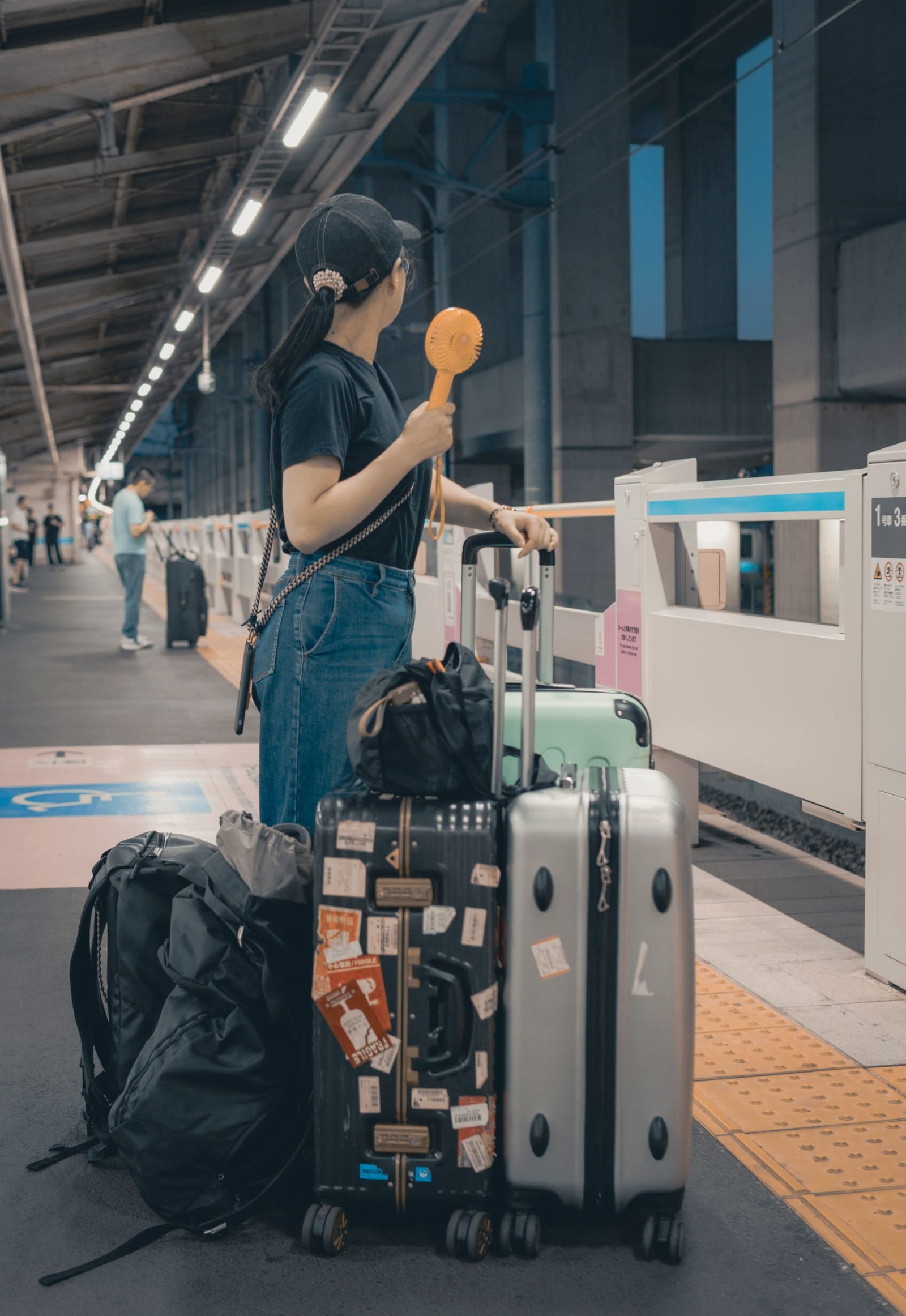
- Train stations are the hard part. Japanese stations mean stairs, long transfer corridors, and rush-hour crowds where a 25 kg suitcase makes you the obstacle. Every seasoned traveller has one memory of hauling luggage through Shinjuku Station at 8:30 AM; nobody has two.
- It makes side trips free. The classic use: send the big bags from Tokyo straight to Kyoto, spend a night in Hakone with an overnight bag, and walk into your Kyoto hotel where the luggage is already waiting. One-night stops stop costing you a schlep.

What It Costs and How Long It Takes
Pricing runs on size bands: the bag's height + width + depth in centimetres. A typical carry-on lands in the 120–140 band, a full-size check-in suitcase in the 140–160 band. Real 2026 numbers:
- Tokyo to Osaka or Kyoto: about ¥2,310 for a 140-size bag, ¥2,630 for a 160-size. Shorter hops cost a little less, Hokkaido and Kyushu legs a little more; the overall range is ¥1,600–3,700 per bag.
- Timing: hand it in by mid-morning and it arrives the next day between major cities, often by early afternoon. Remote areas and islands add a day.
- Airport legs need extra buffer. Since Japan's 2024 driver-hours reforms, next-day delivery to and from airports is no longer guaranteed everywhere. For the airport-bound bag at the end of your trip, send it two days before your flight, not one.
Insurance is included as standard, the bags are handled with the same care as everything else in Japanese logistics (which is to say: better than your airline), and loss is vanishingly rare.
How to Actually Do It
- At checkout, ask the front desk for takkyubin (tah-kyoo-bin). Every mid-size hotel and ryokan handles it daily; most have the forms at the desk. Smaller guesthouses without a desk service can point you to the nearest drop-off.
- Fill in the form with your next hotel's name, address, and phone number, plus your check-in date, copied from your booking confirmation. Write your own name as the recipient, add "GUEST, arriving [date]" and the hotel will hold it. There's an English form at most desks; the staff will help regardless.
- Pay cash or card at the desk (a few hundred yen more than the base rate at some hotels for handling). Keep the receipt slip; its tracking number works on Yamato's site.
- Tell your next hotel a bag is coming. Not strictly required, but one email or a note on the booking ("luggage arriving via takkyubin on [date]") makes the handover seamless.
No hotel desk? 7-Eleven and FamilyMart are Yamato agents and accept drop-offs, and Yamato's own offices are everywhere. From the airport: Narita, Haneda, Kansai, and Chubu all have Yamato or JAL ABC counters in arrivals; land, collect your suitcase, send it to your first hotel, and ride the train into town with nothing. It's the single best jet-lag decision available for a few thousand yen.
The Strategy That Makes a Whole Trip Lighter
Plan your luggage like your route. On a classic two-week itinerary, that means: big bags forwarded Tokyo → Kyoto while you overnight in Hakone; kept with you for the short Kyoto → Osaka hop; forwarded Osaka → your last Tokyo hotel while you day-pack through Hiroshima. You handle the heavy luggage three times in fourteen days.
Two habits make it work: pack a proper 1–2 night overnight kit (toiletries, one change, chargers, any medication, which should never travel apart from you anyway), and never forward things you'll need in the gap: passport, rail tickets, that one warm layer. The bag is out of reach for a full day; treat it like checked airline luggage.
Cost check for the doubters: forwarding four bag-legs on a two-week trip runs about ¥10,000 total. Against the alternative (oversize seat logistics, station stairs, and arriving at a ryokan sweat-soaked), it's the cheapest upgrade in Japanese travel. Budget for it in our daily costs guide, and the trip planner's prep checklist will remind you which legs to book.
Frequently Asked Questions
How much does luggage forwarding cost in Japan?
Between about 1,600 and 3,700 yen per bag depending on size and distance. A full-size suitcase from Tokyo to Kyoto or Osaka costs around 2,310 to 2,630 yen and arrives the next day. Hotels handle the whole process at the front desk.
How long does takkyubin take between cities?
Hand the bag in by mid-morning and it arrives at the destination hotel the next day between major cities, often by early afternoon. Remote regions and islands add a day, and since the 2024 driver-hours reforms, airport deliveries should be sent two days ahead rather than one.
Can I send luggage from the airport to my hotel in Japan?
Yes. Narita, Haneda, Kansai, and Chubu airports all have Yamato (Kuroneko) or JAL ABC counters in the arrivals area. Drop your suitcase there after landing, and it reaches your hotel the next day while you take the train into the city with just a day pack.
Is luggage forwarding in Japan safe?
Extremely. Basic insurance is included, bags are tracked with a receipt number, and Yamato's handling standards are the reason the service is used daily by Japanese travellers, golfers, and skiers. Loss is vanishingly rare; the practical risk is timing, so never forward passports, medication, or anything needed during the one-day gap.
Does luggage forwarding solve the Shinkansen oversized baggage rule?
Yes, and that is half the point. Bags over 160 cm in combined dimensions need a special seat reservation on the Tokaido, Sanyo, and Kyushu Shinkansen, with a 1,000 yen fee if unreserved. Forwarding the big suitcase means you board with a day pack and the rule never applies.
Classic 2-Week Japan
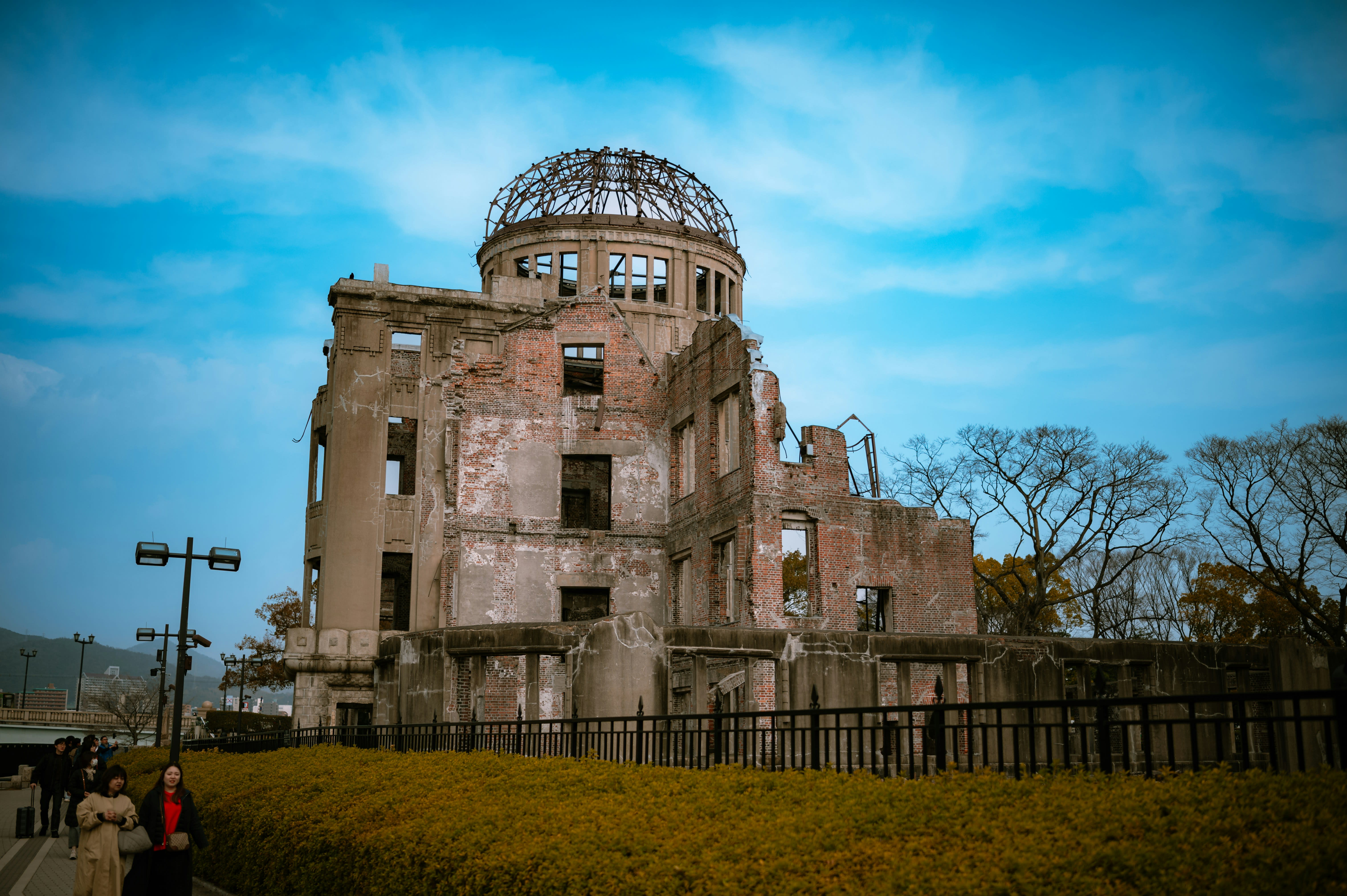
The classic first-timer route in 14 days: Tokyo, a ryokan night in Hakone, Kyoto with a day in Nara, Osaka, and Hiroshima with Miyajima, linked by the Shinkansen.