Where to Stay in Tokyo: Best Areas From ¥10,000 a Night (2026)
Stay in Shinjuku for a first visit, near Tokyo Station for day trips, Asakusa or Ueno on a budget. Real 2026 prices and 31 verified hotel picks.
The Quick Answer
For most first-time visitors, stay in Shinjuku. It has the best transport links in the city, endless food at every price, and direct airport access. Shibuya is the close second if you want to walk out of the hotel into the middle of the energy. If you're using a JR Pass and planning day trips, base yourself near Tokyo Station. On a tight budget, Asakusa and Ueno get you clean, well-run rooms for thousands of yen less per night.
The single most important rule: stay within a short walk of a JR Yamanote line station. The Yamanote loop connects every major district, runs every 2 to 4 minutes, and turns the world's biggest city into a string of 15-minute hops. An area with a Yamanote station beats a "cheaper" hotel that adds two transfers to every journey. You will make that journey ten times a day.
Booking for autumn 2026? Tokyo's foliage peaks in the last week of November (ginkgo around November 26, maples November 29 per the first official forecast), and rooms citywide tighten for those two weeks. Book ahead, and check our 2026 foliage forecast tracker before locking dates.
Tokyo's Stay Areas at a Glance
| Area | Best for | Vibe | Double room per night |
|---|---|---|---|
| Shinjuku | First-timers, nightlife, transport | Neon, massive, always on | ¥15,000–45,000 |
| Shibuya | Energy, shopping, going out | Young, loud, iconic | ¥18,000–50,000 |
| Tokyo Station / Marunouchi | JR Pass day trips, comfort | Polished, calm at night | ¥18,000–60,000+ |
| Ginza / Hibiya | Upscale shopping, quiet nights | Elegant, grown-up | ¥16,000–80,000+ |
| Asakusa | Budget, families, tradition | Old Tokyo, early to bed | ¥10,000–25,000 |
| Ueno | Budget, museums, Narita access | Local, park-side, unfussy | ¥10,000–22,000 |
| Akihabara | Anime and electronics fans | Otaku central, quiet streets at night | ¥12,000–22,000 |
| Roppongi | Art, international nightlife | Glossy towers, late nights | ¥14,000–90,000+ |
| Shinagawa | Haneda flights, Shinkansen | Business hub, practical | ¥13,000–40,000 |
| Ikebukuro | Value on the Yamanote line | Big, busy, unpretentious | ¥10,000–25,000 |
Prices are typical for a double room in normal season. Add 30 to 60 percent for cherry blossom weeks (late March to early April), autumn foliage season (November), and Golden Week (April 29 to May 5). January and February are the cheap months.
How to Choose (Three Questions)
1. Which airport, and how much luggage? From Narita, the Narita Express runs direct to Tokyo Station, Shinjuku, and Shinagawa (about 60 to 80 minutes, ¥3,070), and the Keisei Skyliner reaches Ueno in 41 minutes (¥2,580). From Haneda, Shinagawa is 15 minutes away (¥330). If you land late or fly out early, picking an area with a direct airport train saves a sweaty cross-city transfer with suitcases. Our airport transfer guide covers every option.
2. Day trips or deep Tokyo? If your plan includes Kamakura, Nikko, or Hakone, or you're mid-way through a JR Pass itinerary, Tokyo Station or Shinagawa put the Shinkansen and major JR lines at your door. If your whole trip is Tokyo itself, prioritize the west side (Shinjuku, Shibuya) where the evenings are best.
3. What do you want outside the door at 10 PM? Shinjuku and Shibuya are just getting started. Ginza, Marunouchi, and Asakusa are largely closed. Neither is wrong; know which one you're booking. A quiet area is a feature for families and early risers, a bug for everyone else.
Shinjuku: Best Overall for First-Timers

Shinjuku is Tokyo concentrated: the world's busiest station, the neon of Kabukicho, the tiny bars of Golden Gai and Omoide Yokocho, department stores, and the calm of Shinjuku Gyoen park, all within a 15-minute walk. Every train line you'll need passes through, the Narita Express stops here, and the airport limousine buses serve most big hotels directly. You pay a little more than the eastern districts, and the station itself takes two days to learn, but no base makes the whole city easier.
Stay here if: it's your first trip, you want nightlife and food on your doorstep, or you're following our 3-day Tokyo itinerary, which is built from here.
- Budget: APA Hotel Shinjuku Gyoemmae (from around ¥12,000): compact rooms but an on-site onsen bath, right by Shinjuku Gyoen and a metro stop from the action.
- Midrange: Hotel Gracery Shinjuku (from around ¥25,000): the Godzilla-head hotel in the middle of Kabukicho, five minutes from the station and surrounded by restaurants.
- Luxury: Hilton Tokyo (from around ¥50,000): pool, spa, and skyscraper-district calm on the west side, with a free shuttle to the station.
Full area guide: Shinjuku.
Shibuya: Best for Energy and Going Out

If Shinjuku is Tokyo's engine room, Shibuya is its stage: the Crossing, Center Gai, the fashion floors of Parco and 109, and a food-and-bar scene that skews young and late. It's one stop from Harajuku and connected to everywhere by the Yamanote line. Hotels here run slightly pricier per square meter than Shinjuku's, and the immediate station area is a construction-era maze, but nowhere in the city is more fun to simply walk out into.
Stay here if: you're here for the buzz, you plan late nights, or Harajuku and Omotesando shopping are high on the list.
- Budget: APA Hotel Shibuya Dogenzakaue (from around ¥13,000): small but spotless rooms up the Dogenzaka hill, seven minutes from the Crossing.
- Midrange: Shibuya Excel Hotel Tokyu (from around ¥28,000): directly above the station in the Mark City complex; ask for a high-floor room facing the Crossing.
- Luxury: Cerulean Tower Tokyu Hotel (from around ¥45,000): Shibuya's grande dame, with skyline views and a jazz club in the basement.
Full area guide: Shibuya.
Tokyo Station and Marunouchi: Best for Day Trips and the JR Pass
Marunouchi is the polished heart of the city: red-brick Tokyo Station, the Imperial Palace gardens across the street, and some of Tokyo's best-regarded hotels. Every Shinkansen departs from under your feet, which makes this the smartest base for a trip built on day trips to Nikko, Kamakura, or even Kyoto. The trade-off: the district goes quiet after office hours. Nearby Nihonbashi, one stop east, adds old-merchant atmosphere and slightly gentler prices.
Stay here if: you have a JR Pass, an early Shinkansen to catch, or you want comfort and calm over neon.
- Budget: Super Hotel Premier Tokyo Station Yaesu (from around ¥14,000): five minutes from the Yaesu exit with a proper public bath, and breakfast included.
- Midrange: Hotel Metropolitan Tokyo Marunouchi (from around ¥30,000): floors 27 to 34 of a tower connected directly to the station; train-view rooms are a quiet thrill.
- Luxury: The Tokyo Station Hotel (from around ¥60,000): inside the restored 1914 station building itself, and one of the most atmospheric stays in Japan.
Ginza and Hibiya: Best for Upscale Shopping and Quiet Nights
Ginza is Tokyo at its most elegant: flagship stores, gallery back streets, the Kabukiza theatre, and restaurants from ¥1,000 ramen counters (they exist, behind the marble) to multi-starred sushi. Nights are calm, streets are wide, and Tokyo Station is one stop away. Hotel value is actually better than the address suggests: business hotels here cost less than equivalents in Shibuya.
Stay here if: you'd rather browse department-store food halls than bar-hop, or you're pairing Tokyo with a smart occasion.
- Budget: Sotetsu Fresa Inn Ginza-Sanchome (from around ¥13,000): a tidy business hotel four minutes from Ginza Station, in the middle of everything.
- Midrange: Millennium Mitsui Garden Hotel Tokyo (from around ¥28,000): modern rooms a minute from the Kabukiza; catching a single act of kabuki makes a perfect Ginza evening.
- Luxury: The Peninsula Tokyo (from around ¥90,000): facing the Imperial Palace gardens on the Hibiya corner, with rooftop dining and the city's most theatrical airport pickup options.
Full area guide: Ginza.
Asakusa: Best for Tradition and Tight Budgets

Asakusa is old Tokyo: Senso-ji temple, the Nakamise shopping street, craft shops, and yakitori under the train tracks. Hotels here cost noticeably less than the west side, and many rooms come with Skytree or temple views. The catch is location: Asakusa sits off the Yamanote loop, so you'll ride the Ginza subway line 15 to 25 minutes to reach Shibuya or Shinjuku, and last trains come earlier than your night might want to end. In exchange you get mornings in the temple grounds before the crowds, which regular visitors will tell you is the best hour in Tokyo.
Stay here if: you're traveling as a family, watching the budget, or you want traditional atmosphere over nightlife. Direct trains from Narita via the Keisei-Asakusa line are a bonus.
- Budget / families: Mimaru Tokyo Asakusa Station (from around ¥18,000 for four): apartment-style rooms with kitchenettes that sleep the whole family, rare in Japan.
- Midrange: Asakusa View Hotel (from around ¥20,000): the district's big classic hotel; high floors look straight at the Skytree.
- Upscale: The Gate Hotel Kaminarimon (from around ¥28,000): a design hotel beside the Kaminarimon gate whose rooftop terrace overlooks the temple and tower.
Full area guide: Asakusa.
Ueno: Best Budget Base on the Yamanote Line
Ueno gives you what Asakusa can't: budget prices AND a Yamanote station. Add Ueno Park with its museums and zoo, the raucous Ameyoko market street, and the Keisei Skyliner terminus (41 minutes from Narita, the fastest airport run in the city), and Ueno quietly wins the value contest. The neighborhood is more functional than pretty, but Yanesen's preserved lanes are a pleasant walk north, and Asakusa is two subway stops away.
Stay here if: you're flying into Narita, keeping costs down, or planning museum mornings.
- Budget: APA Hotel Keisei Ueno-Ekimae (from around ¥11,000): compact rooms directly at the Skyliner terminus; roll off the airport train and check in.
- Midrange: Mitsui Garden Hotel Ueno (from around ¥20,000): across from Ueno Station with panda-themed touches and dependable comfort.
- Upscale: Nohga Hotel Ueno Tokyo (from around ¥26,000): a design hotel built around local craft collaborations, the most stylish stay east of the park.
Full area guide: Ueno.
Akihabara: Best for Anime, Games, and Electronics
If your Tokyo revolves around anime floors, retro game hunting, and component shops, staying in Akihabara means dropping your haul at the hotel between rounds. It's on the Yamanote line, 4 minutes from Tokyo Station, and surprisingly quiet at night once the shops close. Beyond the hobby, there is less to hold you: fewer restaurants and almost no nightlife, so it suits focused missions more than first visits.
Stay here if: Electric Town is a main event of your trip.
- Budget: APA Hotel Akihabara-Ekimae (from around ¥12,000): two minutes from the station, in the middle of the shops.
- Midrange: remm Akihabara (from around ¥17,000): sleek compact rooms directly at the station, with massage chairs in most rooms.
Full area guide: Akihabara.
Roppongi: Best for Art and International Nightlife
Roppongi holds Tokyo's art triangle (Mori Art Museum, the National Art Center, Suntory Museum), the Midtown and Hills complexes, and the city's most international night scene. It is not on the Yamanote line, which costs it points as a base, and the late-night strip can be pushy. But the galleries, the Tokyo Tower views, and some of Japan's best luxury hotels make a strong case if those are your priorities.
Stay here if: museums and cocktail bars outrank temples on your list.
- Budget: APA Hotel Roppongi-Ekimae (from around ¥13,000): a minute from Roppongi Station; simple, but you're paying for the address.
- Midrange: Candeo Hotels Tokyo Roppongi (from around ¥20,000): rooftop spa bath with city views, two minutes from the crossing.
- Luxury: The Ritz-Carlton, Tokyo (from around ¥120,000): floors 45 to 53 of Midtown Tower; on a clear day the lounge stares straight at Mt. Fuji.
Full area guide: Roppongi.
Shinagawa: Best for Haneda Flights and Shinkansen Connections
Shinagawa is a transport answer to a transport question: 15 minutes from Haneda on the Keikyu line, a Shinkansen stop in its own right, and a Yamanote station. The district itself is offices and hotel towers, pleasant but generic, with the temple lanes around Sengakuji adding some history. Nobody falls in love with Shinagawa; plenty of smart itineraries are built on it.
Stay here if: you fly through Haneda, leave early on the Shinkansen, or want dependable comfort at fair prices.
- Budget: Tokyu Stay Takanawa (from around ¥14,000): apartment-style rooms with washer-dryers, a stop from Shinagawa; ideal mid-trip laundry base.
- Midrange: Shinagawa Prince Hotel (from around ¥18,000): a small city of a hotel directly across from the station, with a cinema and bowling alley inside.
- Luxury: The Prince Sakura Tower Tokyo (from around ¥45,000): set in a Japanese garden three minutes from the station; in cherry blossom season the garden earns the name.
Ikebukuro: Best Value on the Yamanote Line
Ikebukuro is what Shinjuku was before the tourists: a huge station, department stores, ramen contenders, and the Sunshine City complex, at hotel prices a solid notch below its famous neighbors. The anime scene along Otome Road rivals Akihabara for female-oriented fandom. It's 5 minutes to Shinjuku and 11 to Shibuya on the Yamanote line, which makes the savings feel close to free.
Stay here if: you want west-side access without west-side prices.
- Budget: Super Hotel Lohas Ikebukuro-Eki Kitaguchi (from around ¥11,000): five minutes from the north exit, with the chain's reliably good beds and baths.
- Midrange: Hotel Metropolitan Tokyo Ikebukuro (from around ¥22,000): the district's full-service flagship beside the station's west exit, with an indoor pool.
Full area guide: Ikebukuro.
Also Worth Considering
Ebisu and Meguro: grown-up, food-obsessed neighborhoods one to three Yamanote stops south of Shibuya. Fewer hotels, but if you find one, this is where Tokyo residents would tell you to stay on a second visit.
Odaiba: bay-side resort hotels with rainbow-bridge views, teamLab Planets, and space for kids to run. The commute into the city (20 to 30 minutes on the Yurikamome) is the price; families with young children often decide it's worth paying.
Kichijoji and Shimokitazawa: the loved local neighborhoods west of the loop, all vintage shops, cafes, and Inokashira Park. Hotel stock is thin, which tells you how residential they really are; visit from a Shinjuku or Shibuya base instead.
Mistakes to Avoid
- Booking far out for a "deal." A ¥7,000 room 40 minutes beyond the Yamanote loop costs you ¥600 and an hour in trains every day, and your evenings end when the last express leaves. Distance is the most expensive thing you can buy in Tokyo.
- Changing hotels mid-stay within Tokyo. The city is a loop, not a line; every district is 20 minutes from every other. Move hotels when you leave Tokyo, not inside it.
- Judging rooms by size. Tokyo rooms are small at every price point. A 15 m² business hotel room with a deep tub, blackout curtains, and a world-class bed is the normal experience, not a downgrade.
- Ignoring the season calendar. The same room swings from ¥14,000 in February to ¥35,000 in cherry blossom week. If your dates are flexible, the calendar is your biggest discount. Our month-by-month guide shows the pattern.
Once the base is booked, our first-timer's guide covers everything from IC cards to etiquette, and the free trip planner turns the rest of the trip into a day-by-day plan.
Frequently Asked Questions
What is the best area to stay in Tokyo for first-time visitors?
Shinjuku. It combines the city's best transport links, direct airport connections, and food and nightlife at every price, so every day of a first trip starts and ends easily. Shibuya is the closest alternative if you prefer to be in the middle of the youthful energy, and Tokyo Station suits trips built around Shinkansen day trips.
What is the cheapest good area to stay in Tokyo?
Ueno and Asakusa. Clean business hotels there run 10,000 to 15,000 yen a night when Shinjuku equivalents cost 5,000 to 10,000 more. Ueno has the edge for transport (it is on the Yamanote loop and hosts the Skyliner from Narita), while Asakusa trades convenience for temple-town atmosphere. Ikebukuro is the budget pick on the west side.
Should I stay in Shinjuku or Shibuya?
They are 7 minutes apart, so you cannot really go wrong. Shinjuku is bigger, better connected, and slightly cheaper, with more variety in food and hotels. Shibuya is more compact and more fun to walk out into at night. First-timers who want easy logistics pick Shinjuku; travelers chasing energy and shopping pick Shibuya.
Is it worth staying near Tokyo Station?
Yes, if your trip involves the Shinkansen or a JR Pass: day trips to Nikko, Kamakura, or Kyoto start from under your hotel. The Marunouchi area is polished and calm, with some of Tokyo's best hotels. The trade-off is quiet evenings, so pair it with dinners in nearby Ginza or a short ride to the west side.
How much does a hotel in Tokyo cost per night?
In normal season, expect 10,000 to 18,000 yen for a good budget business hotel double, 20,000 to 40,000 yen for a midrange hotel, and 60,000 yen and up for luxury. Cherry blossom weeks, November, and Golden Week push everything 30 to 60 percent higher, while January and February are the cheapest months.
How far in advance should I book a Tokyo hotel?
Three to six months ahead for spring and autumn trips, and as early as possible for late March to early April, when cherry blossom demand empties the city's best-value rooms. Most Japanese hotels allow free cancellation until a few days before arrival, so book a refundable rate early and improve it later if you find better.
3-Day Tokyo Weekend
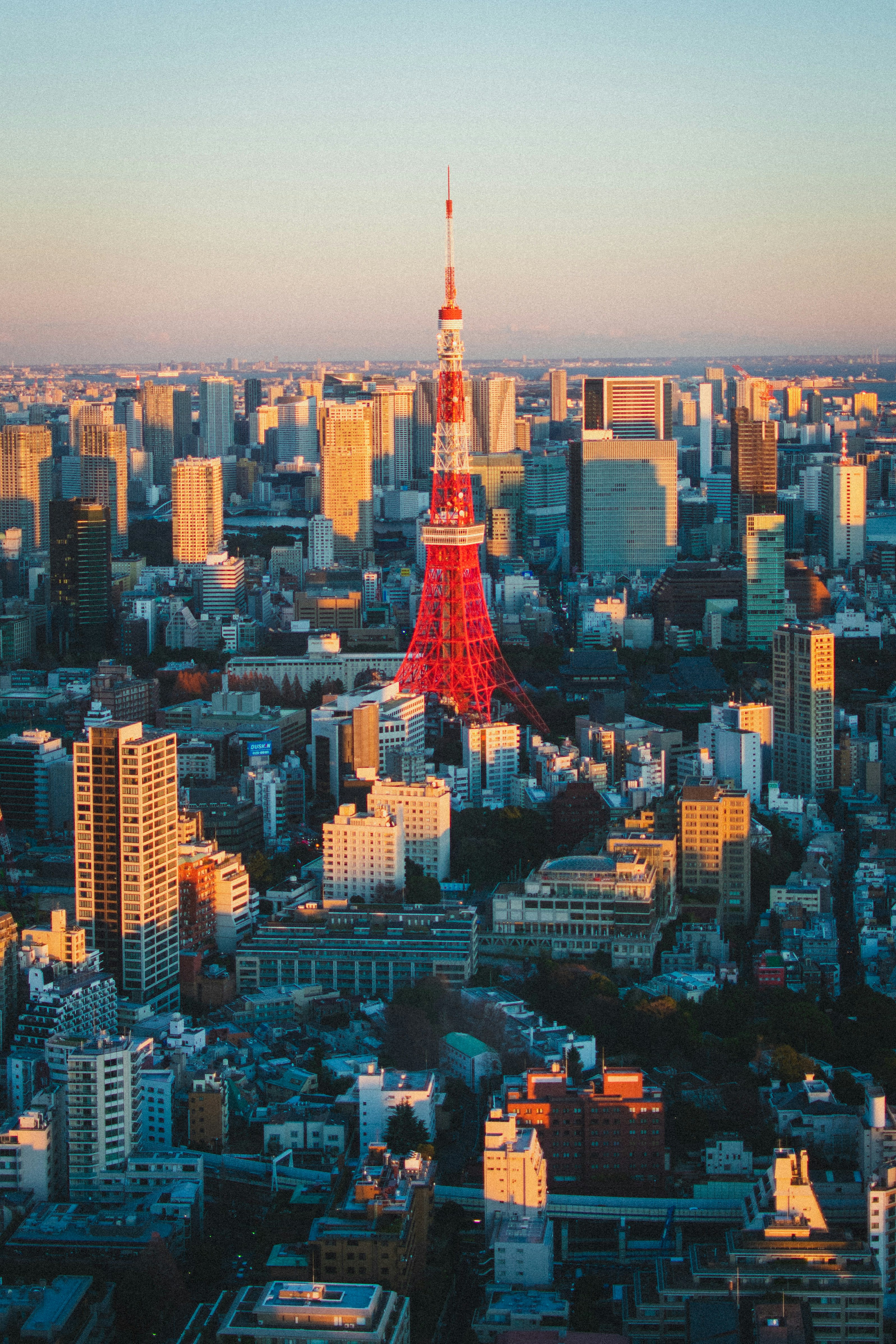
Tokyo in 3 days: temples in Asakusa, neon in Shibuya, street food in Tsukiji, and nightlife in Shinjuku. No bullet trains: just one city, done right.