Is Airbnb Legal in Japan? What to Know (2026)
Yes, when the listing shows a minpaku license number. How to spot a legal rental, why supply is tight, and when a hotel beats Airbnb anyway.
Yes, Airbnb is legal in Japan, with one condition that matters to you as a guest: the listing must display a government license number. Since the 2018 minpaku (private lodging) law, every legal short-term rental is registered and shows its number on the listing page; Airbnb delists unlicensed properties, so the big platforms are largely clean. The real 2026 story for travellers isn't legality, it's scarcity and price: license caps limit supply, cities keep tightening the rules, and for one or two people a Japanese business hotel now beats a typical Airbnb on both cost and convenience. Here's how the system works and when Airbnb is still the right call.
How Legal Airbnb Works in Japan
The minpaku law created three routes for a legal short-term rental, and every listing you see falls under one:
- Registered minpaku (most Airbnbs): a home registered with the government, capped at 180 rental nights per year (counted April to March). The listing shows a registration number. Because half the calendar is legally unsellable, hosts price the nights they can sell accordingly.
- Hotel or ryokan license: no night cap. Many "Airbnbs" in Japan are actually small licensed aparthotels operating through the platform.
- Special-zone (tokku) minpaku: a looser regime that a few districts adopted, mostly in Osaka. It's now closing to newcomers: Osaka City stopped accepting new special-zone applications in May 2026 after years of neighborhood complaints, and most surrounding municipalities followed. Existing licensed properties continue operating, but supply there will shrink.
Local layers stack on top. Kyoto is the strictest big city: residential-zone minpaku are limited to roughly 60 nights a year, concentrated in January to March, which is why whole-home rentals near the temples are rare and machiya townhouse stays are usually running under proper hotel licenses. Tokyo wards each have their own quirks (some ban weekday check-ins in residential areas), but as a guest you don't manage any of this; the license on the listing means the host does.
How to Spot a Legal Listing (30 Seconds)
- Look for the license number on the listing page, usually in the description or a dedicated "registration number" field. Legal minpaku numbers exist for every listing; no number on a whole-home listing is the red flag.
- Expect a passport upload. Japanese law requires all accommodation, Airbnbs included, to collect guest identification. Self-check-in places ask you to photograph your passport through an app before arrival. This is normal and legally required, not a scam.
- Check the fine print for "shared building" rules. A 2026 legal change made it easier for condo associations to ban minpaku in their buildings, and enforcement is real: a legitimate host will spell out house rules about noise, luggage, and not lingering in shared hallways. Take those seriously; they're protecting their license.
The Honest Comparison: Airbnb vs a Hotel in Japan
Japan is unusual: its budget hotels are so good and so fairly priced that the Airbnb value equation flips compared to Europe or the US.
- Solo travellers and couples: hotels win, usually. A spotless business hotel room near a station runs ¥8,000–14,000 with daily cleaning, luggage storage, and no check-in choreography. Comparable Airbnbs rarely beat that once cleaning fees land, and our Tokyo, Kyoto, and Osaka guides list verified picks by area.
- Families and groups of 4+: Airbnb (or an aparthotel) wins. Japanese hotel rooms are small and strict about occupancy; two hotel rooms cost more than one apartment with futons for six. This is the strongest genuine Airbnb use case in Japan. The licensed apartment-hotel chains (MIMARU is the family favorite) offer the same space with hotel reliability.
- Stays of a week-plus in one city: Airbnb wins on kitchens and washing machines, and weekly discounts offset the fees.
- One-night stops: hotels, always. Airbnb check-in logistics (key boxes, apartment-finding at 9 PM, strict check-in windows) are exactly what you don't want on a fast-moving itinerary like our 2-week route.
Three Guest-Side Rules Worth Knowing
- Garbage is the sacred house rule. Japanese neighborhoods sort waste into multiple categories with scheduled pickup days, and minpaku disputes with neighbors are overwhelmingly about trash and noise. Follow the host's instructions literally; it's the whole social contract of staying in a residential building.
- Quiet hours are real. Japanese apartment walls are thin and rolling suitcases across wooden floors at midnight is the fastest way to get a host in trouble.
- Book early for peak seasons. The 180-night cap means legal supply is structurally scarce, and cherry blossom and autumn foliage windows sell out months out, even faster than hotels. If your dates are peak, decide your accommodation strategy first; our budget guide has the seasonal price math.
The bottom line: book Airbnb in Japan the way you'd book anything else here, from the licensed mainstream, and it's as safe and legal as a hotel. Just run the price against a business hotel before you commit; in Japan, that comparison surprises people.
Frequently Asked Questions
Is Airbnb legal in Japan in 2026?
Yes. Since the 2018 minpaku law, short-term rentals are legal when registered with the government, and every legal listing displays a license number on its page. Airbnb removes unlicensed properties, so mainstream listings are overwhelmingly compliant. Registered homes are capped at 180 rental nights per year, which keeps supply tight.
How do I know if a Japan Airbnb listing is legal?
Check the listing page for a government registration or license number, usually in the description or a dedicated field. A whole-home listing with no number is the red flag. Expect a passport upload before check-in too: Japanese law requires all accommodation to collect guest identification.
Why are Airbnbs in Kyoto so rare or expensive?
Kyoto enforces Japan's strictest local rules: minpaku in residential zones are limited to roughly 60 nights per year, concentrated in January to March. Most legal whole-home stays near the temples therefore run under full hotel or ryokan licenses, with pricing to match. Licensed machiya townhouse stays exist but book out early.
Is Airbnb cheaper than a hotel in Japan?
Often not. For one or two people, a business hotel at 8,000 to 14,000 yen a night usually beats an Airbnb once cleaning fees are added, with daily housekeeping included. Airbnb genuinely wins for families and groups of four or more, and for week-long stays where a kitchen and washing machine matter.
Why does my Japan Airbnb host want a photo of my passport?
It is the law, not a scam. Japanese regulations require every accommodation provider, from hotels to private rentals, to collect guest identification. Self-check-in Airbnbs handle it with a passport upload before arrival, the same way a hotel front desk photographs your passport at check-in.
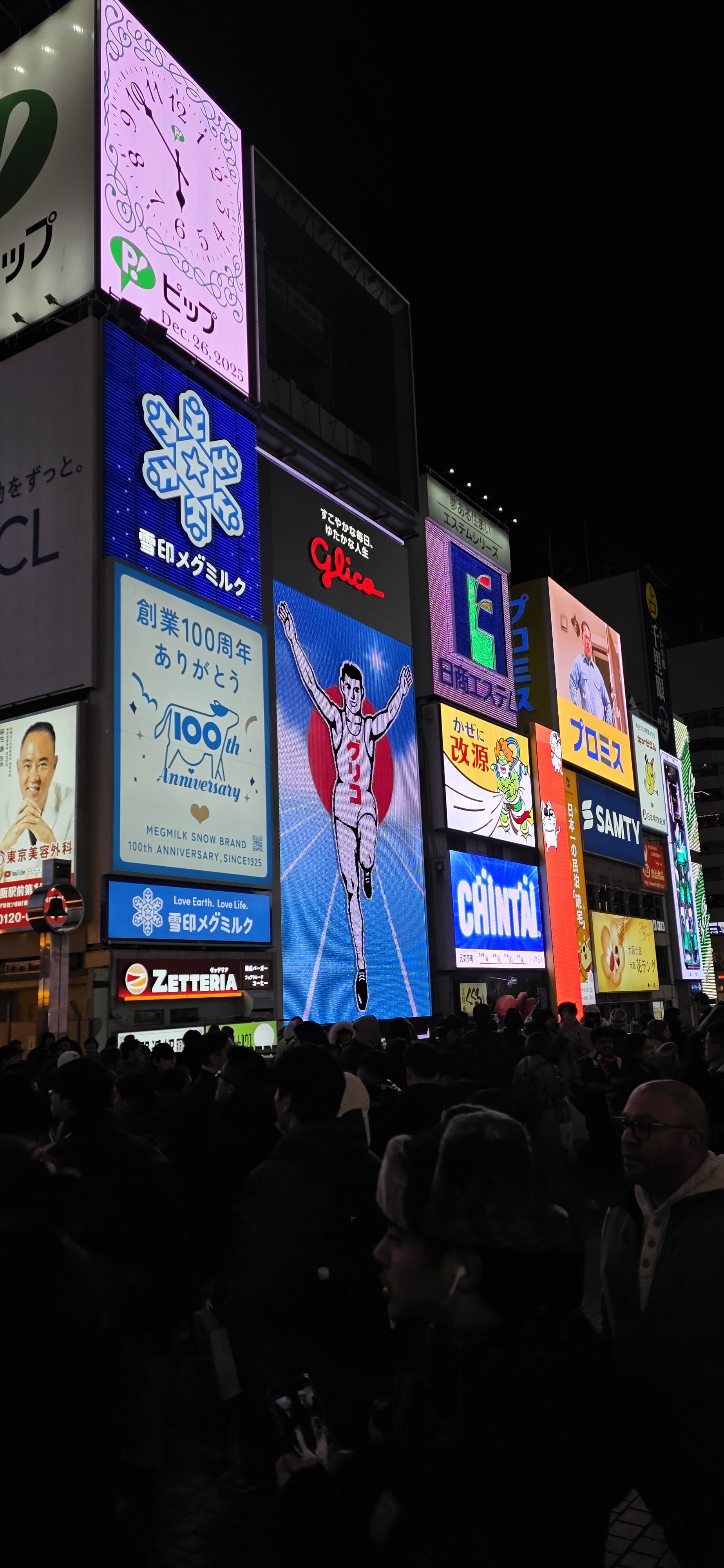
Family-Friendly 2-Week Japan
Designed for 2 adults + 2 kids: Tokyo Disney, Universal Studios, deer in Nara, monkeys in Arashiyama, teamLab Planets, and the Ghibli Museum, with slower pacing and hotels that fit a family of four.