Kyushu: Japan's Volcanic South (2026 Guide)
Smoking calderas, the best hot springs in Japan, and a food scene Tokyo quietly envies. Why Kyushu deserves a week, and how to plan it.
Why Kyushu Is Worth the Detour
Most first trips to Japan run the Golden Route: Tokyo, Kyoto, Osaka, maybe Hiroshima. Kyushu, the big southern island, sits just beyond the end of that line, and skipping it means missing the version of Japan that steams. This is the country's volcanic heartland: Mt Aso's vast caldera, Sakurajima erupting harmlessly over Kagoshima hundreds of times a year, and more hot spring water than anywhere else in Japan, with Beppu alone pumping out steam from over 2,000 vents.
It's also, and locals will tell you this unprompted, Japan's best-eating island. Tonkotsu ramen was born in Fukuoka. Nagasaki's champon exists nowhere else in this form. Kagoshima raises Japan's finest pork, Miyazaki its best mango, and the whole island drinks shochu where the rest of Japan drinks sake. Add cities that are cheaper, warmer, and far less crowded than the Golden Route, and the case makes itself.
The practical pitch: Fukuoka is 2 hours from Tokyo by air or 2.5 hours from Osaka by Shinkansen, the island has its own bullet train network, and one well-paced week covers the northern highlights. Our 7-Day Kyushu itinerary does exactly that: Fukuoka, Nagasaki, Kumamoto, Mt Aso, and two nights soaking in Beppu.
Where to Go
Fukuoka: The Gateway
Almost every Kyushu trip starts in Fukuoka, and the city earns more than a transit stop. It's Japan's ramen capital, home of the milky pork-bone tonkotsu style, and the last big city in Japan where yatai (open-air food stalls) still line the streets at night. Squeezing onto a stool along the Nakasu riverbank or in Tenjin for yakitori and a beer, elbow to elbow with locals, is the single most Fukuoka thing you can do.
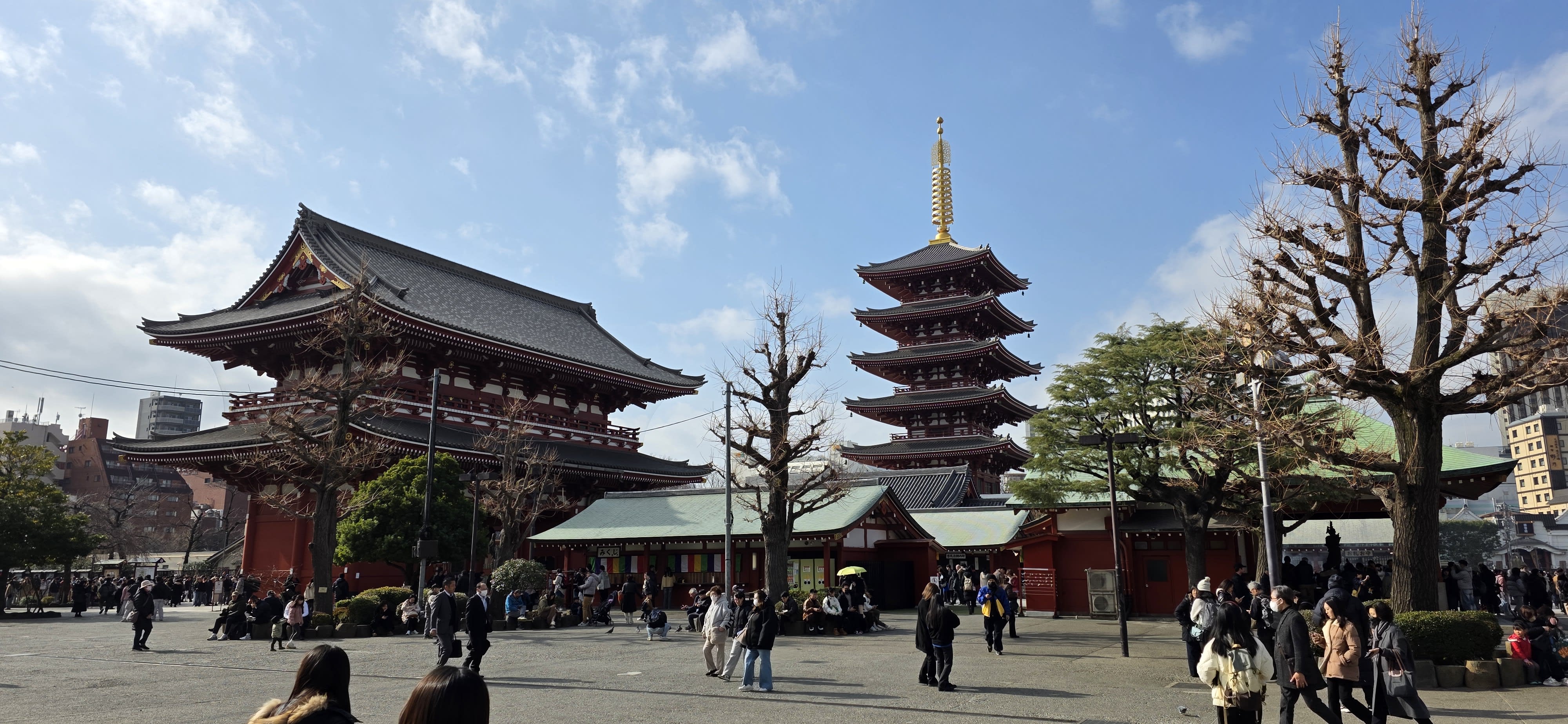
The city itself is compact and relaxed: Canal City's fountain shows and ramen floor, Ohori Park's lakeside loop, and the castle ruins fill a day, and Hakata makes the natural base. The classic half-day trip is Dazaifu Tenmangu, the shrine of the deity of learning, 40 minutes by train from Tenjin, its approach lined with plum trees and stalls grilling umegae mochi.
Nagasaki: Japan's Window to the World
For two centuries of national isolation, Nagasaki was the one port where the outside world leaked in, and the city still reads like nowhere else in Japan: a rebuilt Dutch trading post at Dejima, hillside Western mansions at Glover Garden, Japan's oldest Chinatown, and Portuguese-origin castella cake in every gift shop. The Atomic Bomb Museum and Peace Park are sobering and essential; allow a couple of unhurried hours.
Stay for the evening if you can. The night view from Mt Inasa, reached by ropeway, is ranked among Japan's three best, with the harbor city glittering 333 meters below. The Nishi-Kyushu Shinkansen now makes Nagasaki an easy 90-minute hop from Hakata.
Kumamoto and Mt Aso
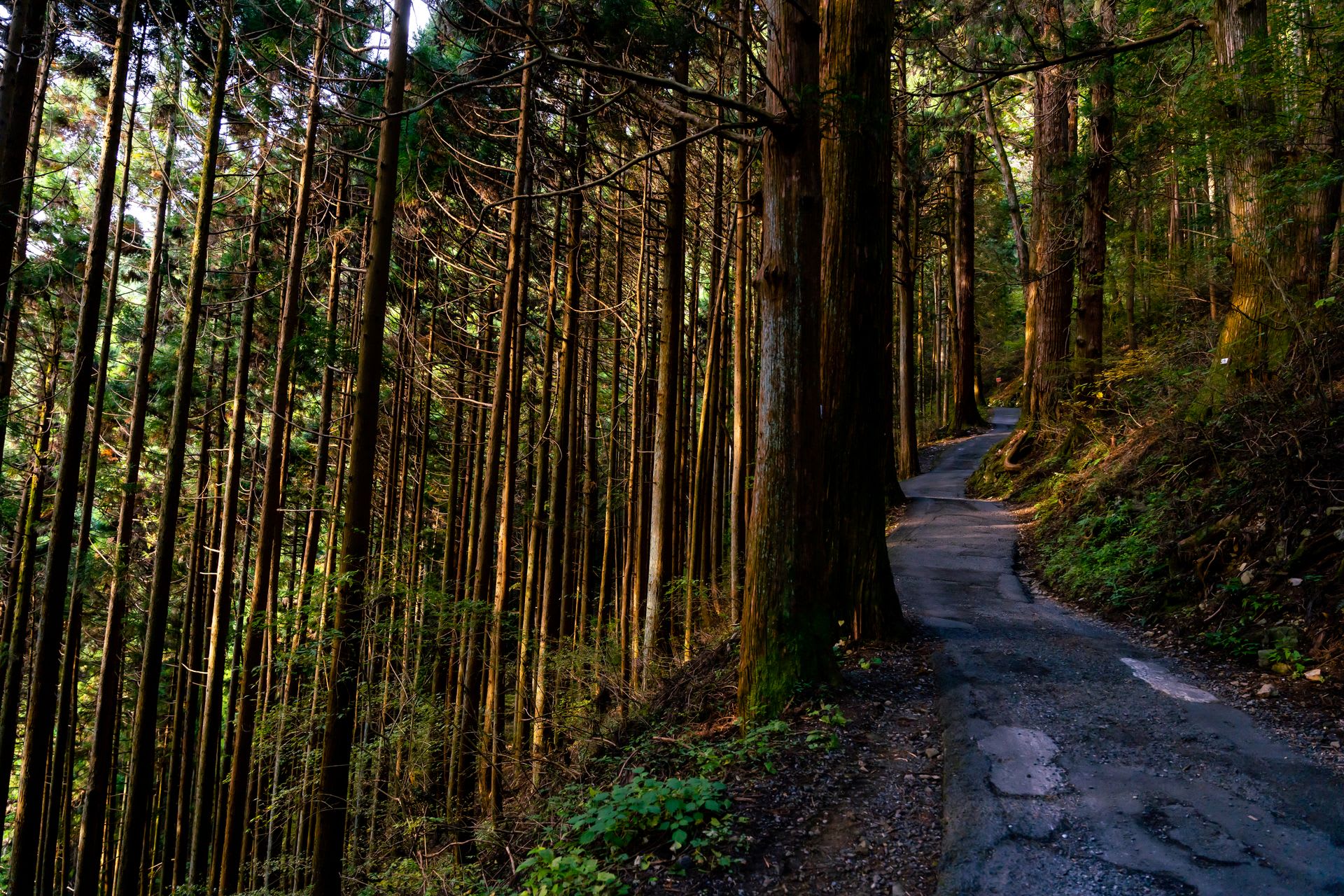
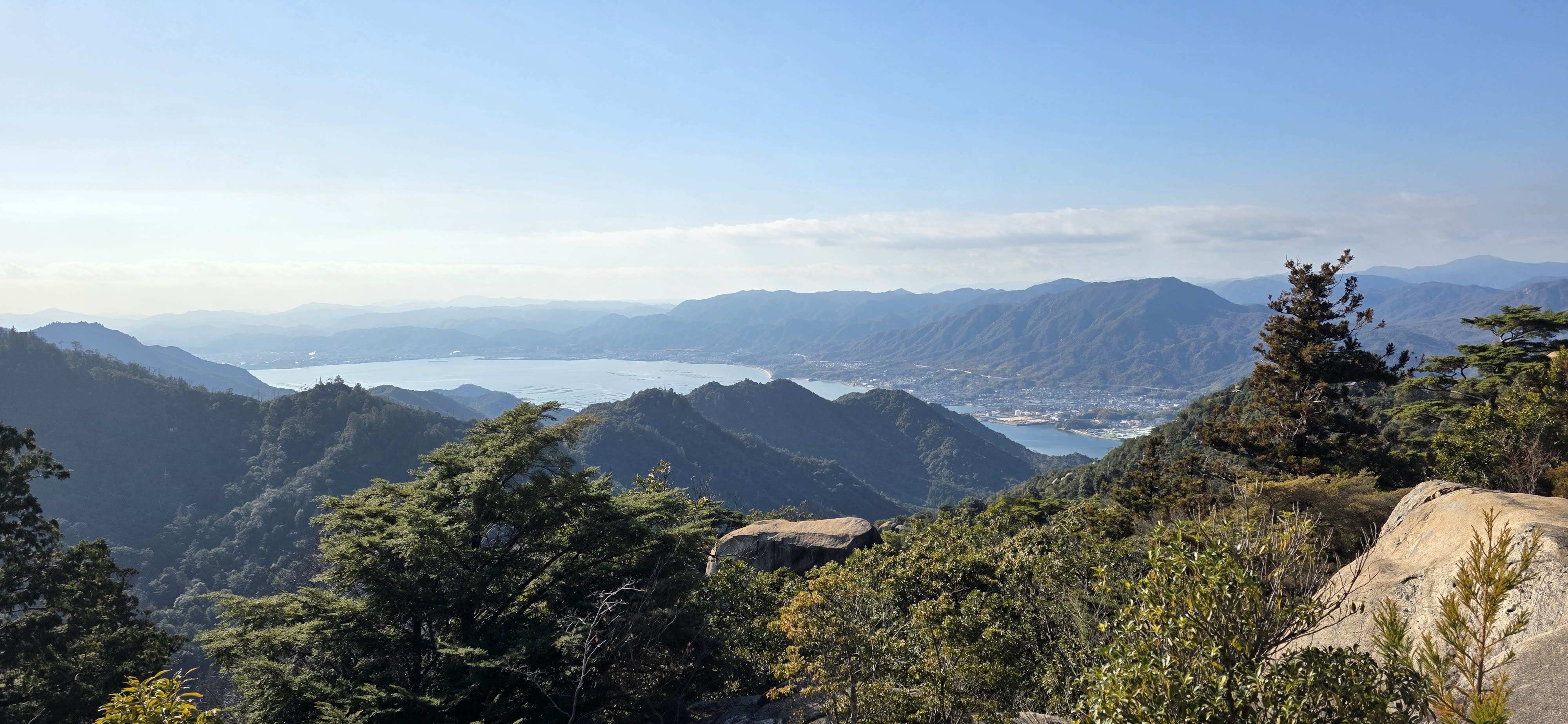
Kumamoto is defined by two forces of nature. The first is its castle, one of Japan's three great fortresses, still being painstakingly rebuilt after the 2016 earthquake; the reconstructed keep is open again as a museum (¥800). The second is Mt Aso, one of the world's largest active calderas, an hour and a half east: a moonscape crater rim, grasslands where horses graze, and a steaming crater lake at the center.

Crater access closes when volcanic gas or the alert level rises, so check the day's status before riding up.
Tucked into a ravine north of Aso is Kurokawa Onsen, regularly voted Japan's most atmospheric hot spring village: lantern-lit lanes, 20-odd ryokan, and a wooden pass (¥1,500) that buys entry to any three outdoor baths.

It's about two hours by bus from Kumamoto and pairs naturally with an Aso crossing.
Beppu and Yufuin: The Onsen Capital
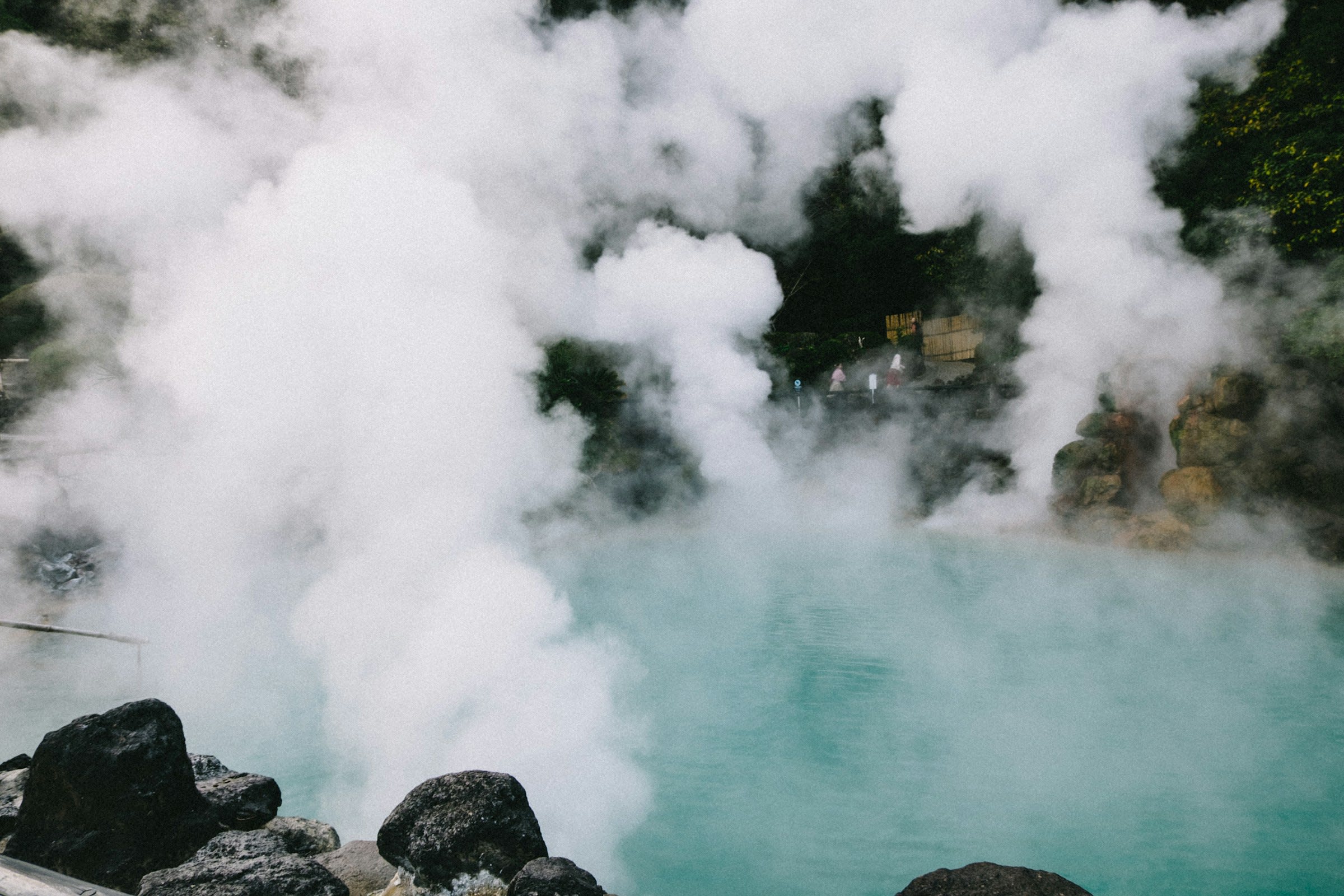
Beppu produces more hot spring water than any town in the country, across eight distinct onsen districts. The famous Jigoku Meguri ("hell tour") visits seven boiling, impossibly colored pools meant for looking rather than bathing: cobalt-blue Umi Jigoku, blood-red Chinoike Jigoku, a geyser, and steaming ponds, most of them walkable in the Kannawa district, where steam rises from the drains.

Then you do the bathing part: a sand bath at the century-old Takegawara bathhouse, where attendants bury you to the neck in naturally heated black sand, and a long evening soak at your ryokan.
Thirty minutes inland, Yufuin is the refined counterpoint: a walkable village of galleries, cafes, and boutique ryokan in a misty basin under Mt Yufu. Base in Beppu for the better train connections and treat Yufuin as a half day, or reverse it if quiet elegance is the whole point of your trip. Oita, the prefectural capital next door, is the transit hub between them.
Kagoshima and the Deep South
Kagoshima is the "Naples of the East": a bay city staring across the water at Sakurajima, one of the world's most active volcanoes, which puffs ash over the city hundreds of times a year while ferries shuttle across in 15 minutes.

Sengan-en garden frames the volcano perfectly, and the local kurobuta (black pork) shabu-shabu is the island's best single meal outside Fukuoka. An hour south, Ibusuki does Beppu-style sand baths on a black-sand beach.
Kagoshima is also the springboard to Yakushima, the UNESCO-listed island of ancient cedar forests that inspired Princess Mononoke, home to the Jomon Sugi, a tree estimated at over 7,000 years old. It's a 2 to 3 hour jetfoil ride or a short flight, and it deserves two nights of its own.
Miyazaki and Takachiho
Miyazaki is Kyushu's laid-back Pacific coast: palm-lined streets, a surf culture, chicken nanban in every diner, and Japan's most celebrated mango. The headline sight is inland: Takachiho Gorge, where Japanese mythology places the cave of the sun goddess, and where you can row a boat on emerald water directly beneath a waterfall. It's remote, best reached by car or bus, and worth the effort.
Saga: The Quiet Detour
Between Fukuoka and Nagasaki, Saga hides 400 years of porcelain history in the kiln towns of Arita and Imari, the dramatic cliffside halls of Yutoku Inari Shrine, and Takeo and Ureshino, two of Kyushu's oldest onsen towns. In early November, the sky above the Kase River fills with 100+ hot air balloons for the Saga International Balloon Fiesta. None of it is essential; all of it rewards travelers who like being the only foreigner in the room.
Which Should You Choose?
- One week, first visit? The northern loop: Fukuoka, Nagasaki, Kumamoto, Aso, Beppu. That's our 7-day template, and it hits the volcanoes, the onsen, and the food without rushing.
- Here for hot springs above all? Fly into Oita side and split your nights between Beppu, Yufuin, and Kurokawa Onsen.
- Ten days or more? Add the south: Kagoshima and Sakurajima, then Yakushima's forests or Ibusuki's sand baths.
- Nature and mythology? Build around Aso, Takachiho, and Yakushima, and rent a car; the interior is where Kyushu gets wild.
The Food, Briefly
Kyushu could justify the flight on food alone. The short list: Hakata tonkotsu ramen in Fukuoka (order kaedama, a noodle refill, when the bowl runs low), motsunabe hotpot and mentaiko in the same city, champon and castella in Nagasaki, basashi (horse sashimi) and garlicky ramen in Kumamoto, toriten chicken tempura in Beppu and Oita, jigoku-mushi (steam-cooking your own seafood over hot spring vents) in Kannawa, kurobuta pork in Kagoshima, and chicken nanban in Miyazaki.
And the drink is different down here: Kyushu is shochu country, a distilled spirit made from sweet potato in Kagoshima, barley in Oita, and rice elsewhere, usually drunk mixed with hot or cold water. Our Japanese drinks guide covers how to order it without guesswork.
Getting to Kyushu
By Air
| From | To | Flight time | Approx. one-way price |
|---|---|---|---|
| Tokyo (Haneda/Narita) | Fukuoka | ~2 hrs | ¥7,000–25,000 |
| Tokyo (Haneda) | Kagoshima | ~1 hr 40 min | ¥7,000–22,000 |
| Tokyo (Haneda) | Kumamoto / Oita / Miyazaki / Nagasaki | ~1.5–2 hrs | ¥6,000–22,000 |
| Osaka (Kansai/Itami) | Fukuoka | ~1 hr 15 min | ¥5,000–18,000 |
| Seoul (Incheon) | Fukuoka | ~1.5 hrs | Budget carriers from ~$60 |
| Taipei (Taoyuan) | Fukuoka | ~2 hrs | Budget carriers from ~$80 |
Fukuoka Airport has the fastest airport-to-city run in Japan: two subway stops, about five minutes, to Hakata Station. Skymark, Jetstar, and Peach keep domestic fares low if you book a few weeks out, and every secondary city (Nagasaki, Kumamoto, Kagoshima, Miyazaki, Oita for Beppu) has its own airport with Tokyo flights, so you can fly into one end of the island and out of the other.
By Shinkansen
The Sanyo Shinkansen runs from Osaka to Hakata in about 2.5 hours, continuing seamlessly from Tokyo (about 5 hours total on the fastest Nozomi, around ¥23,000). From Hakata, the Kyushu Shinkansen carries on south to Kumamoto and Kagoshima. JR Pass holders ride Hikari and Sakura services, not Nozomi or Mizuho, which adds a modest amount of time; whether the national pass earns its price on your route is exactly what our JR Pass guide calculates.
Getting Around Kyushu
| Route | How | Time |
|---|---|---|
| Hakata → Nagasaki | Relay Kamome + Nishi-Kyushu Shinkansen | ~1.5 hrs |
| Hakata → Kumamoto | Kyushu Shinkansen | ~40 min |
| Hakata → Kagoshima-Chuo | Kyushu Shinkansen | ~1 hr 20 min |
| Hakata → Beppu | Sonic limited express | ~2 hrs |
| Kumamoto → Beppu (via Aso) | Limited express + local, or highway bus | Half a day |
If Kyushu is your whole trip, skip the national JR Pass and buy a JR Kyushu Rail Pass instead: the All Kyushu version costs ¥22,000 for 3 days, ¥24,000 for 5, or ¥26,000 for 7, and unlike the national pass it covers the fastest Mizuho trains. A Northern Kyushu pass (¥15,000 for 3 days, ¥17,000 for 5) covers the Fukuoka-Nagasaki-Kumamoto-Beppu loop, and a Southern pass (¥12,000, 3 days) covers the Kagoshima end. Buying online direct from JR Kyushu shaves ¥1,000 off.
When to Visit
- Best months: March to May and October to November. Spring brings cherry blossoms in late March, mild temperatures, and green calderas; autumn brings clear volcano views and comfortable onsen weather. These are the months our seasonal guide rates highest for the south.
- Rainy season: June to mid-July. Kyushu catches the rainy front earlier and harder than Tokyo, with occasional heavy downpours. Onsen towns honestly work fine in the rain; crater viewpoints don't.
- Summer: hot, humid, and typhoon-prone. August and September carry the highest typhoon risk in Japan outside Okinawa. Trips still work, but build in a flexible day and watch forecasts.
- Winter: the sleeper pick. Coastal Kyushu stays mild (Kagoshima rarely sees frost), the hells steam theatrically in cold air, and an outdoor bath in January is the best argument for the whole island. Hotel prices bottom out.
Practical Tips
- Fly open-jaw. Into Fukuoka, out of Kagoshima (or the reverse) saves a half-day of backtracking and both airports have plentiful Tokyo flights.
- Your IC card works here. Suica and Pasmo tap through Kyushu's subways, buses, and JR gates interchangeably with the local Sugoca card, unlike Okinawa's separate system.
- Check volcano status before crater days. Aso's crater rim and some Sakurajima viewpoints close when alert levels rise. The official pages post daily status; check the morning you go, not the week before.
- Book Kurokawa and Yufuin ryokan early. The famous small inns hold 10 to 20 rooms each and fill months ahead, especially for autumn weekends. City hotels in Fukuoka and Kagoshima, by contrast, rarely sell out.
- Onsen tattoo rules are looser at private baths. Many Kyushu ryokan offer reservable private baths (kashikiri buro), the easy answer if tattoos or shyness rule out the communal pools.
- Kyushu runs on cash more than Tokyo does. Yatai stalls, rural buses, and small-town restaurants are frequently cash-only. 7-Eleven ATMs take foreign cards everywhere.
Ready to route it? The 7-Day Kyushu itinerary is pre-built with verified hotels and rail timings, and the free trip planner lets you stretch it south from there.
Frequently Asked Questions
Is Kyushu worth visiting?
Yes, especially if hot springs, volcanoes, and regional food rank above big-city sights for you. Kyushu has Japan's best onsen towns (Beppu, Yufuin, Kurokawa), active volcanoes you can actually visit, and a food culture that produced tonkotsu ramen. It is also cheaper and far less crowded than the Tokyo-Kyoto corridor.
How many days do you need for Kyushu?
Seven days covers the northern loop of Fukuoka, Nagasaki, Kumamoto, Mt Aso, and Beppu at a comfortable pace. Ten or more days lets you add Kagoshima, Sakurajima, and either Yakushima's cedar forests or the Ibusuki sand baths. With fewer than five days, pick one corner, such as Fukuoka plus Nagasaki, rather than racing the whole island.
Do I need a rental car in Kyushu?
Not for the cities: Fukuoka, Nagasaki, Kumamoto, Kagoshima, and Beppu are all well connected by JR trains. You do want a car for the interior, including the Aso caldera, Takachiho Gorge, and the Kirishima mountains, where buses are infrequent. Many travelers do the coastal loop by rail and rent a car for one or two inland days.
Should I buy the national JR Pass or the JR Kyushu Rail Pass?
If your whole trip is Kyushu, the regional pass wins easily: the All Kyushu pass costs 22,000 to 26,000 yen for 3 to 7 days versus 50,000 yen for the 7-day national pass, and it covers the fast Mizuho trains the national pass excludes. Buy the national pass only if Kyushu is one leg of a longer multi-region rail trip.
When is the best time to visit Kyushu?
March to May and October to November offer mild weather, clear volcano views, and cherry blossoms or autumn color. Winter is underrated: coastal Kyushu stays mild, onsen are at their best in cold air, and prices drop. Avoid planning crater visits during the June to mid-July rainy season, and keep flexibility in August and September, the peak typhoon months.
7-Day Kyushu: Onsen & Volcanoes
Southern Japan on its own terms: Hakata ramen and riverside yatai stalls in Fukuoka, the harbor history and champon of Nagasaki, Kumamoto's castle and Mt Aso's smoking caldera, and two final nights soaking in Beppu, the hot spring capital of Japan.