Japan in December 2026: Weather, Illuminations and New Year
Dry, clear days, lights everywhere and hotels at January prices until Christmas, then the December 29 shutdown. December 2026 weather, dates and closures.
December is a good month for Japan as long as you plan around its last week. Tokyo runs 4 to 12°C with about 58 mm of rain, its skies are the second clearest of the year after January's, and every city strings itself with enough LEDs to make the 4:28 PM sunset feel like a feature rather than a bug. Until Christmas it is also cheap: on a mid-December weeknight, hotels by Kyoto Station and in Osaka's Namba cost the same as in January. It is not quiet, though: 3.62 million foreign visitors arrived in December 2025, more than in November.
Then December 29 arrives and the country goes home. Government offices close by law from December 29 to January 3, many shops and restaurants shut for several days, the Shinkansen hits its peak days, and New Year's Eve is the most expensive hotel night of the month. December is a great month with a hard asterisk on its final week, and a smooth trip depends on knowing exactly where that asterisk lands. Illumination and festival dates for this season are still being announced, so keep our winter festivals tracker open as they land.
Japan's Weather in December: Dry, Clear and Dark Before 5
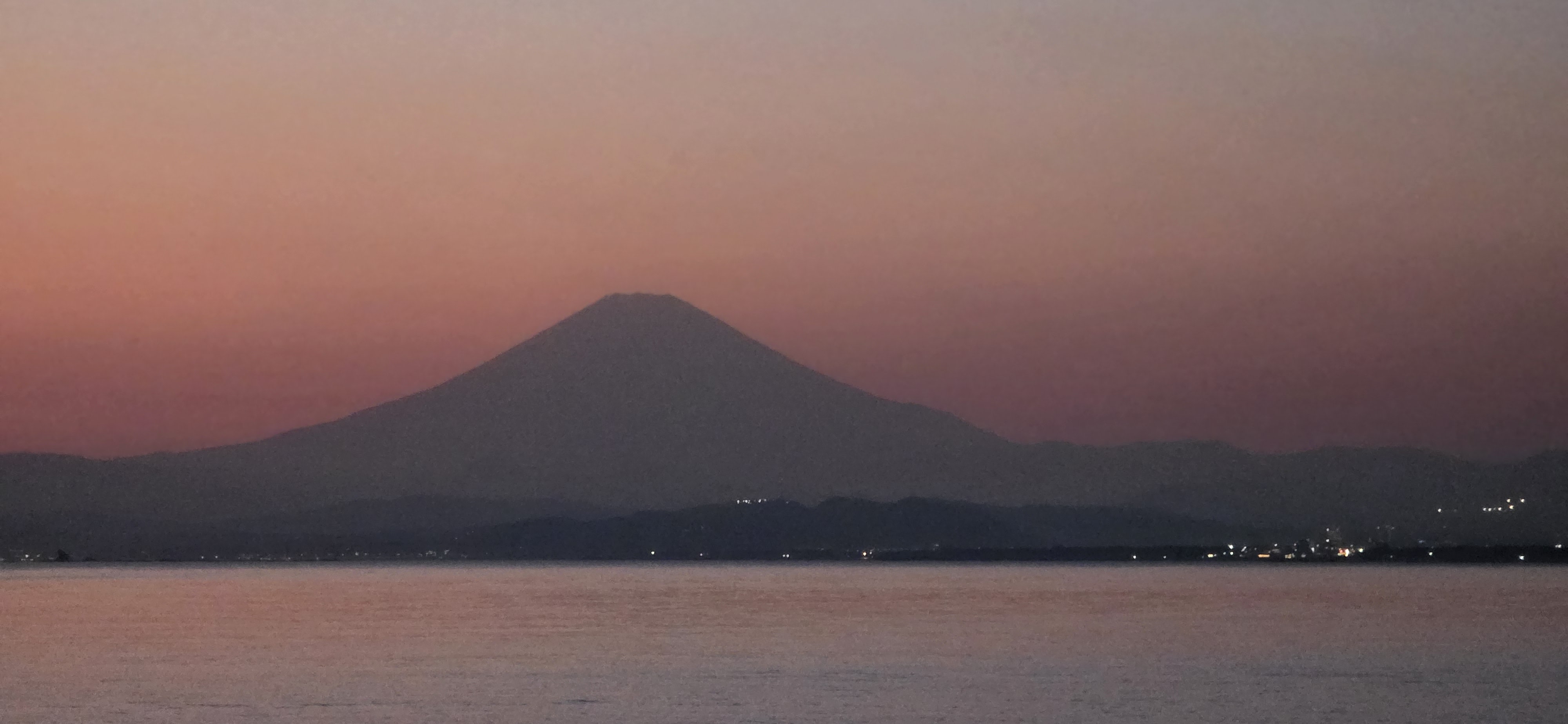
Tokyo averages 4 to 12°C across December, and Kyoto and Osaka about the same (Osaka's nights are a degree or two milder). It is cold but dry: Tokyo gets about 58 mm of rain, on roughly five days, and snow falls there on fewer than one December day in an average year. Kyoto is greyer, with 134 hours of sunshine against Tokyo's 174, and flakes on about seven days, but the normal deepest snow is 2 cm. On clear days Mount Fuji shows up on the western horizon from the Shibuya Sky deck.
The winter monsoon dumps its moisture on the Sea of Japan coast instead. Kanazawa averages 301 mm of December rain and sleet and only 69 hours of sun, so the Pacific side gets the blue skies and Kanazawa gets the drama.
The catch is daylight. The sun sets in Tokyo at 4:28 PM from December 1 to 13, the earliest of the year, and claws back only to 4:37 by the 31st. So sightsee in the morning and treat the long evenings as the point rather than the problem: illuminations, izakaya and a hot bath fill them better than any museum would.
Sapporo is a different season entirely: -4 to 2°C, snow on 28 of December's 31 days, and a snow cover that normally settles for the winter around December 3. Naha holds 17 to 22°C, too cool for most swimmers, and winter is whale-watching season around Zamami in the Kerama Islands.
December Hotel Prices: Cheap Until Christmas, Then New Year's Eve
We priced the cheapest room for two at APA hotels on the chain's own site on September 29, 2026: four in Shinjuku, five by Kyoto Station and eight around Namba. Same chain, same rooms, so the differences come from the calendar.
| Night | Shinjuku | Kyoto Station | Namba, Osaka |
|---|---|---|---|
| Wed Dec 2 | ¥15,000– | ¥14,000– | ¥8,000– |
| Wed Dec 9 | ¥14,000– | ¥8,500– | ¥8,000– |
| Wed Dec 16 | ¥15,000– | ¥7,000– | ¥7,500– |
| Thu Dec 24 | ¥16,000– | ¥6,500– | ¥8,000– |
| Tue Dec 29 | ¥21,000– | ¥12,000– | ¥12,000– |
| Thu Dec 31 | ¥36,400– | ¥17,000– | ¥20,000– |
| Wed Jan 20 | ¥14,000– | ¥6,500– | ¥6,500– |
What jumps out:
- Mid-December is the cheap window. On December 16, Kyoto Station rooms cost exactly what they cost on a January weeknight, and Shinjuku was within about 10 percent of January. Christmas Eve (a Thursday this year) cost no more in Kyoto and barely more in Namba; only Shinjuku rose, by 15 to 30 percent.
- Early December still carries Kyoto's foliage premium. On December 2, Kyoto Station was about double January, though still 30 to 40 percent below the ¥23,000 to ¥26,800 of November 25. By December 9 most of it is gone.
- New Year's Eve is the priciest night of the month. Shinjuku hits about three times January and Namba two to three times. Kyoto Station stays below its late-November level, but APA's Gion hotel wanted ¥40,800 on December 31. Book that night first; some Osaka hotels were already sold out for it in September.
For areas and specific hotels, see our guides to where to stay in Tokyo, Kyoto and Osaka. Trains follow the same curve: on the Tokaido Shinkansen, reserved seats on Monday-to-Thursday dates from December 1 to 24 are off-peak (¥200 cheaper), while December 29 and 30 and January 2 and 3 carry the top peak rate (¥400 more).
Autumn Leaves in Early December
The foliage does not end on November 30. The Japan Weather Association's usual peak windows run into December for Tokyo's Rikugien (late November to mid December) and Koishikawa Korakuen (to early December), for Kamakura's Tsurugaoka Hachimangu (to mid December), and in Kyoto for Kiyomizu-dera, Arashiyama and Kitano Tenmangu's maple garden (all to early December). This year's forecast (second round, October 1) has Tokyo's maples on schedule, around November 28, and Kyoto at the later end of its window.
The night viewings overlap too: Rikugien's light-up runs to December 6, Eikando's to December 6 and Kodai-ji's to December 13. That makes the first week of December the classic trade: leftover color at 30 to 40 percent off the late-November room price. Our autumn foliage tracker follows the 2026 color spot by spot, and Kamakura is the easiest late-color day trip from Tokyo.
Winter Illuminations in December 2026
Most displays switch on in November and are all running by mid December. The dates below come from the organizers; where this season's aren't out yet, we give last season's run, and the winter festivals tracker updates as they are announced.

- Marunouchi, Tokyo: champagne-gold LEDs along about 1.2 km of Naka-dori by Tokyo Station, November 12, 2026 to February 14, 2027, free. Our pick for the classiest of the Tokyo displays.
- The Blue Cave, Shibuya: a tunnel of deep-blue light on the avenue from Koen-dori toward Yoyogi Park, free. The 2026 dates aren't announced; last season it ran only December 4 to 25.
- Midosuji and Nakanoshima, Osaka: about 4 km of Midosuji between Umeda and Namba is lit from around 5 PM to 1 AM, November 3 to December 31. The OSAKA Hikari Renaissance on Nakanoshima adds projection mapping on the old Central Public Hall from December 11 to 25 (5:30 to 9:30 PM).
- Nabana no Sato, near Nagoya: a 200-metre tunnel of light and a new themed main show each season, open October 17 to May 31 (closed January 6 and 7). From November 21, entry is ¥3,000 at convenience stores or ¥3,200 at the gate, including a ¥1,000 voucher. December 23 to 25 need a date-specific advance ticket. Buses run from Kintetsu Nagashima Station (about 10 minutes) and Nagoya's Meitetsu Bus Center.
- Sapporo White Illumination: Odori Park, November 20 to December 25, 4:30 to 10 PM (until midnight December 23 to 25), with the Munich Christmas Market in the same park on the same dates.
- Pageant of Starlight, Sendai: about 480,000 LEDs on the 127 zelkova trees of Jozenji-dori. The 2026 dates aren't out yet; last year it ran December 5 to 28.
One correction to older guidebooks: Kobe Luminarie no longer runs in December. Its next edition is January 29 to February 7, 2027. And Christmas week is when every display is at its busiest: Nabana sells only date-specific tickets for December 23 to 25, and Sapporo keeps its lights on until midnight those three nights. If you can, go on a weeknight earlier in the month.
Christmas in Japan: A Date Night, Not a Holiday
Christmas is not a public holiday in Japan and not a family event. It is a date night, so if you want a restaurant table on December 24, reserve ahead. December 25 is a normal working day, and soon after it the Christmas trees give way to pine-and-bamboo kadomatsu for the New Year.
The famous oddity is real: KFC is Christmas dinner, a habit that goes back to KFC Japan's first Christmas campaign in 1974, so order well ahead if you want to join in. The other pillar is the Christmas cake, a strawberry-and-cream sponge reserved from department store food halls and patisseries.
For the imported version, the Christmas market at Yokohama's Red Brick Warehouse runs November 20 to December 25, 2026. The Tokyo Christmas Market has left Meiji Jingu Gaien: this year it is at Shin-Toyosu (November 20 to December 25) and in Shiba Park by Onarimon Station (December 4 to 25).
Snow and Skiing in December
The snow builds through the month, so the later you go, the more there is. The Japan Meteorological Agency's normals for Kutchan, the town below Niseko, show snow on the ground peaking at 49 cm in early December, 79 cm mid month and 98 cm by the end (151 cm by late January). Hakuba village, at 703 metres, stays thin longer: 12 cm in early December, 43 cm by late December. Opening days depend on the snow, and a first day usually means a few upper lifts: our snow season tracker logs each resort's opening date and whether it is partly or fully open, so check it before booking an early-December ski week.
For a taste rather than a ski trip, Gala Yuzawa is our pick for the easiest snow day from Tokyo. The Joetsu Shinkansen runs straight to the resort's own station in about 75 minutes from Tokyo (¥7,130 each way with a reserved seat, covered by the JR Pass), and you can rent everything on site. This season skiing starts on December 19, with the gondola running for sightseeing only from December 12, and the resort's south area stays closed all winter.
The non-skiing headliner is in Nagano: the snow monkeys of Jigokudani, soaking in their private onsen looking profoundly unimpressed by the paparazzi.
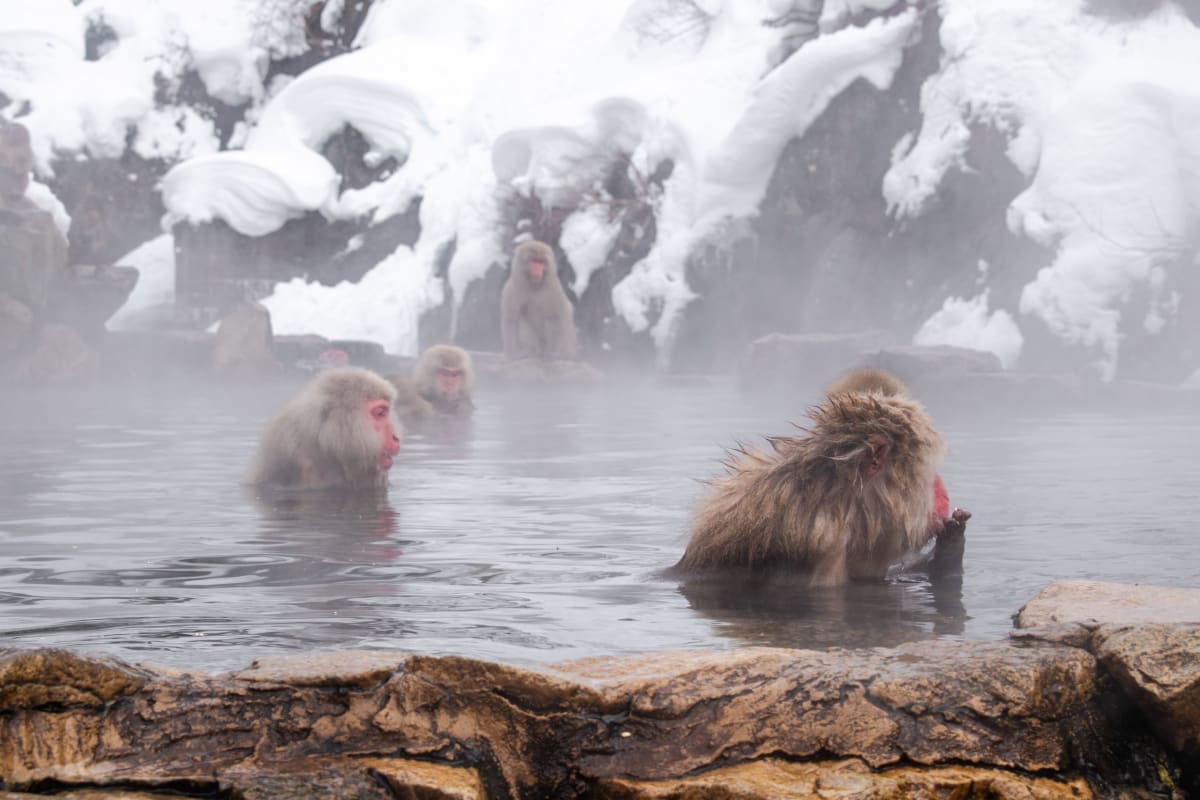
The express bus from Nagano Station takes 41 minutes to the Snow Monkey Park stop, then it's a 35-minute forest walk. Admission rises to ¥1,000 from December 1, 2026 (¥880 online). The bathing scene needs cold and snow, which makes late December the first reliable window. Wear boots with grip; the path ices over. If Hokkaido is on the route, Otaru's canal under falling snow is the postcard the region prints, and our Hokkaido winter itinerary builds around it.
December 2026 Events, Date by Date
| Date | Event | Where |
|---|---|---|
| Wed–Thu Dec 2–3 | Chichibu Night Festival | Chichibu, Saitama |
| Sat–Mon Dec 12–14 | Winter Gishisai (47 ronin) | Sengakuji, Tokyo |
| Tue–Fri Dec 15–18 | Kasuga Wakamiya On-matsuri | Nara |
| Thu–Sat Dec 17–19 | Hagoita-ichi paddle fair | Sensoji, Asakusa |
| Tue Dec 22 | Winter solstice yuzu baths | Public baths |
| Tue–Thu Dec 29–31 | Comiket 109 | Tokyo Big Sight |
| Thu Dec 31 | Joya no kane bells | Temples everywhere |
Chichibu Night Festival, December 2 and 3: counted with Kyoto's Gion Matsuri and Takayama's festival as one of Japan's three great float festivals, and UNESCO-listed. The climax is the night of the 3rd, when floats of up to 20 tonnes are hauled up the steep Dango-zaka slope under winter fireworks. Seibu's Laview limited express takes 77 minutes from Ikebukuro (¥1,700). The winter festivals tracker has the details.
Gishisai, December 12 to 14: Sengakuji marks the anniversary of the 47 ronin raid at the graves of the retainers. Expect incense smoke and one of the most Japanese crowds of the year. A costume procession arrives around 3:30 PM on the 14th, and the temple controls entry from noon to 4 PM that day.
Kasuga Wakamiya On-matsuri, December 15 to 18: Nara's great winter festival at Kasuga Taisha. The Owatari procession sets off at noon on December 17 and the ritual performances at the temporary shrine start around 2:30 PM.
Hagoita-ichi, December 17 to 19: Asakusa's Sensoji fills with dozens of stalls selling ornate battledore paddles, and every sale ends with the stallholders' three-part clap. The December cousin of November's Tori-no-ichi.
Winter solstice, December 22: Tokyo's public baths float yuzu citrus in the water for yuzuyu. If you were ever going to try a sento (¥600 in Tokyo since August 2026), this is the night with the best aromatherapy; our onsen etiquette guide covers the rules.
Comiket, December 29 to 31: the giant self-published comics fair runs three days this year at Tokyo Big Sight, and last December's two days drew 300,000 people. Expect packed trains to Odaiba and Ariake, with a fair share of wigs and armor on board.
Underneath the events it is bonenkai season, the year-end office parties that fill izakaya, so book dinner ahead on Thursdays and Fridays. Crab season is on too (it opened November 6 in Ishikawa), which is the best argument for a detour to Kanazawa.
What Closes Over New Year (December 29 to January 3)
Shogatsu, the New Year, is Japan's Christmas: the one holiday when the whole country travels to family and normal life pauses. JNTO warns that many businesses close for several days. The honest table:
| What | Over New Year |
|---|---|
| Museums | Many close for part of the period. The Tokyo National Museum shuts December 26 to 31, 2026, and has not set its January 1 hours. Check anything you care about. |
| Government offices | Closed December 29 to January 3, by law |
| Small restaurants and shops | Many close for several days |
| Department stores | Hours change store by store; the first trading day of the year brings fukubukuro lucky-bag sales |
| Convenience stores | Many open 24 hours, holidays included, and quietly heroic |
| Temples and shrines | Open, and at their busiest of the year |
| Toyosu fish market | Closed December 31 to January 4; the first auction is January 5 |
| Trains | Running, mostly on holiday timetables; the peak-rate days are December 29 to 30 and January 2 to 3 |
The travel crush is the part to take seriously. The Nozomi runs all-reserved from December 25 to January 5, so there is no unreserved gamble on the Tokyo to Osaka line. Reserved seats go on sale at 10 AM one month before departure (JR Central's smartEX sells some seats even earlier), and our Shinkansen booking guide walks through it. If your route crosses the peak days, book the moment you can, and don't plan on driving.
Around Tsukiji, the outer market's year-end rush is a spectacle of its own: last year every shop opened from about 6 AM between December 25 and 30 for New Year shopping, shoulder to shoulder, and on December 31 some closed early or stayed shut. The wholesale market at Toyosu (and many Tsukiji shops with it) also shuts on December 2, 6, 9, 13, 16, 20 and 23, so plan a relaxed market-and-sushi morning for another day before the 25th.
The best strategy is to stop fighting it: base yourself in one city from December 31 to January 2, eat at hotel restaurants, chains, and department store food halls while they last, and enjoy one of the strangest sights Tokyo offers, which is empty streets on the morning of January 1.
New Year's Eve and New Year's Day in Japan
Omisoka, December 31, has a fixed menu. In the evening you eat toshikoshi soba, year-crossing noodles, long for a long life and easily bitten through like the year's misfortunes; the convenience store cup version at 11 PM is fully within the spirit of the thing. Around midnight, temples ring joya no kane, 108 strikes for the 108 worldly desires of Buddhist teaching.

Chion-in in Kyoto is the spectacular one: its 70-ton bell, cast in 1636, rings only in April and on New Year's Eve, swung by a team of seventeen on the ropes. Zojo-ji in Tokyo starts at midnight, with Tokyo Tower beside it, and groups of four take turns on the 108 strikes; last year the temple sold its limited ringing tickets (¥2,000) from December 1 at 9 AM.
After midnight comes hatsumode, the first shrine visit. Meiji Jingu stays open all night into January 1, and by its own account the crush peaks from 10 PM to 3 AM and again after 10 AM on each of the first three days. Joining the midnight wave is an experience, but you shuffle in near-zero cold. The gentler versions: any neighborhood shrine at midnight with amazake by a fire barrel, or Meiji Jingu early on the morning of January 2 or 3.
Skip the Shibuya crossing countdown. The official event has been cancelled for the past two New Years, the ward fences off the Hachiko statue, the big screens go dark at 11 PM, and street drinking is banned there from 6 PM to 5 AM all year.
Last New Year's Eve, JR East ran all night on six Tokyo lines, including the Yamanote every 10 to 25 minutes between 1 and 5 AM. In Osaka, JR ran extra Loop Line trains until about 3 AM but no all-night service. This year's plans are usually announced in October. And if you are up anyway: hatsuhinode, the year's first sunrise, is a national event, at 6:50 AM on January 1 in Tokyo.
What to Pack for Japan in December
- A real coat, down or wool, and a hat. Illumination viewing means standing still outdoors at about 5°C after dark.
- Thermal base layers. Uniqlo's Heattech in the Extra Warm weight is what locals buy.
- Kairo, the disposable heat packs sold in every drugstore. One in each coat pocket changes your relationship with December evenings.
- Gloves that work with a phone screen. You will be photographing light tunnels.
- Slip-on shoes and thick socks. Temple corridors that were cold in November are colder now.
- Snow boots only for Hokkaido, the Sea of Japan coast, or the ski towns. Tokyo averages under one day of falling snow in December.
December vs November vs January
Pick November if foliage is the point. It is the one month the maples-over-temple-roofs version of Japan reliably exists, and it is a few degrees kinder. The trade is Kyoto's prices: late November cost about three times January at the station hotels, which December before Christmas simply does not. The full case is in Japan in November.
Pick January if value and snow beat atmosphere. A January weeknight was the cheapest night we priced in all three cities, the powder is deeper, and Tokyo's skies are the clearest of the year. The trade: the festive layer is gone, it is the coldest month, and it is not empty (3.78 million foreign visitors in January 2025). See Japan in January.
Pick December for the version of Japan that glows in the dark: illuminations at full power, Christmas played as romantic comedy, the first proper snow, and the strange, wonderful energy of a country wrapping up its year. Just draw a bright line in your plan between December 28 and 29 and decide, deliberately, which side of it you are traveling on. For the year-round comparison, the Best Time to Visit Japan guide breaks down all twelve months.
A Ten-Day December Route
Our 10-Day Winter Japan itinerary (Tokyo, Kanazawa, Kyoto, Osaka) was built for this month: Tokyo's illuminations, Kenroku-en under its yukitsuri ropes (open 8 AM to 5 PM in winter, ¥320), crab at Omicho Market, and Kyoto's temples after the foliage crowds have gone. The December adjustments:
- Traveling December 1 to 9: add a Kamakura day from Tokyo for the last color of the year, and treat Kyoto's tail-end foliage as a bonus rather than a promise.
- Traveling December 10 to 24: this is the cheap stretch, so it's the time to upgrade the Kyoto hotel. Plan evenings, not just days: Marunouchi and the Blue Cave slot into the Tokyo leg, Midosuji and Nakanoshima into Osaka.
- Crossing December 29: book every Shinkansen leg the morning its seats go on sale, lock in New Year's Eve lodging first, position yourself in one city from December 31 to January 2, and swap restaurant plans for depachika, chains, and a temple bell at midnight.
Open the template in the trip planner, set your dates, and shift the pieces around your side of the line.
Frequently Asked Questions
Is December a good time to visit Japan?
Yes, if you plan around the last week. Tokyo runs 4 to 12°C with little rain and the second-clearest skies of the year, the illuminations are all lit by mid December, and until Christmas hotels in Kyoto and Osaka cost the same as in January. Early December still has the last autumn color in Tokyo, Kamakura and Kyoto. The catch is December 29 to January 3, when many businesses close and the whole country travels, and December is not quiet: 3.62 million foreign visitors arrived in December 2025, more than in November.
What is the weather like in Japan in December?
Tokyo averages 4 to 12°C with about 58 mm of rain on five days, and Kyoto and Osaka are similar, with Kyoto greyer and seeing occasional flurries. Kanazawa and the Sea of Japan coast get about 300 mm of rain and sleet. Sapporo sits at -4 to 2°C with snow on most days and a snow cover that settles around December 3, while Naha holds 17 to 22°C. The sun sets in Tokyo at 4:28 PM for the first half of the month.
Are hotels expensive in Japan in December?
Not until Christmas. On APA's own site, a Kyoto Station room for two cost ¥7,000 to ¥8,500 on December 16 and ¥6,500 to ¥8,500 on Christmas Eve, the same as a January weeknight, and Namba in Osaka was ¥7,500 to ¥10,000. Early December still carries a foliage premium in Kyoto (about double January on December 2). New Year's Eve is the peak: ¥36,400 to ¥50,120 in Shinjuku and ¥20,000 to ¥24,000 in Namba, so book that night first.
What is closed in Japan over New Year?
Government offices close by law from December 29 to January 3, and many small restaurants and shops close for several days. Museums close for part of the period (the Tokyo National Museum shuts December 26 to 31, 2026), department store hours vary, and Toyosu fish market is closed December 31 to January 4. Convenience stores, hotels and trains keep running, and temples and shrines are open and at their busiest. The Nozomi is all-reserved from December 25 to January 5, and December 29 to 30 and January 2 to 3 are the peak travel days.
Is Christmas a holiday in Japan?
No. December 25 is a normal working day and not a public holiday. Christmas Eve is a date night for couples, when restaurants and hotel bars book up, and soon after the 25th the decorations give way to New Year pine arrangements. The local traditions are real, though: KFC has been Christmas dinner since its first Christmas campaign in 1974, and strawberry Christmas cakes are pre-ordered from department stores and patisseries.
What illuminations and events are on in Japan in December 2026?
Marunouchi in Tokyo is lit from November 12 to February 14, Osaka's Midosuji from November 3 to December 31 with the Nakanoshima Hikari Renaissance on December 11 to 25, Sapporo's White Illumination at Odori Park from November 20 to December 25, and Nabana no Sato near Nagoya all winter (advance tickets only on December 23 to 25). The Shibuya Blue Cave and Sendai's Pageant of Starlight haven't announced 2026 dates yet. Events include the Chichibu Night Festival on December 2 and 3, Nara's On-matsuri on December 15 to 18, Sensoji's Hagoita-ichi on December 17 to 19, and Comiket on December 29 to 31.
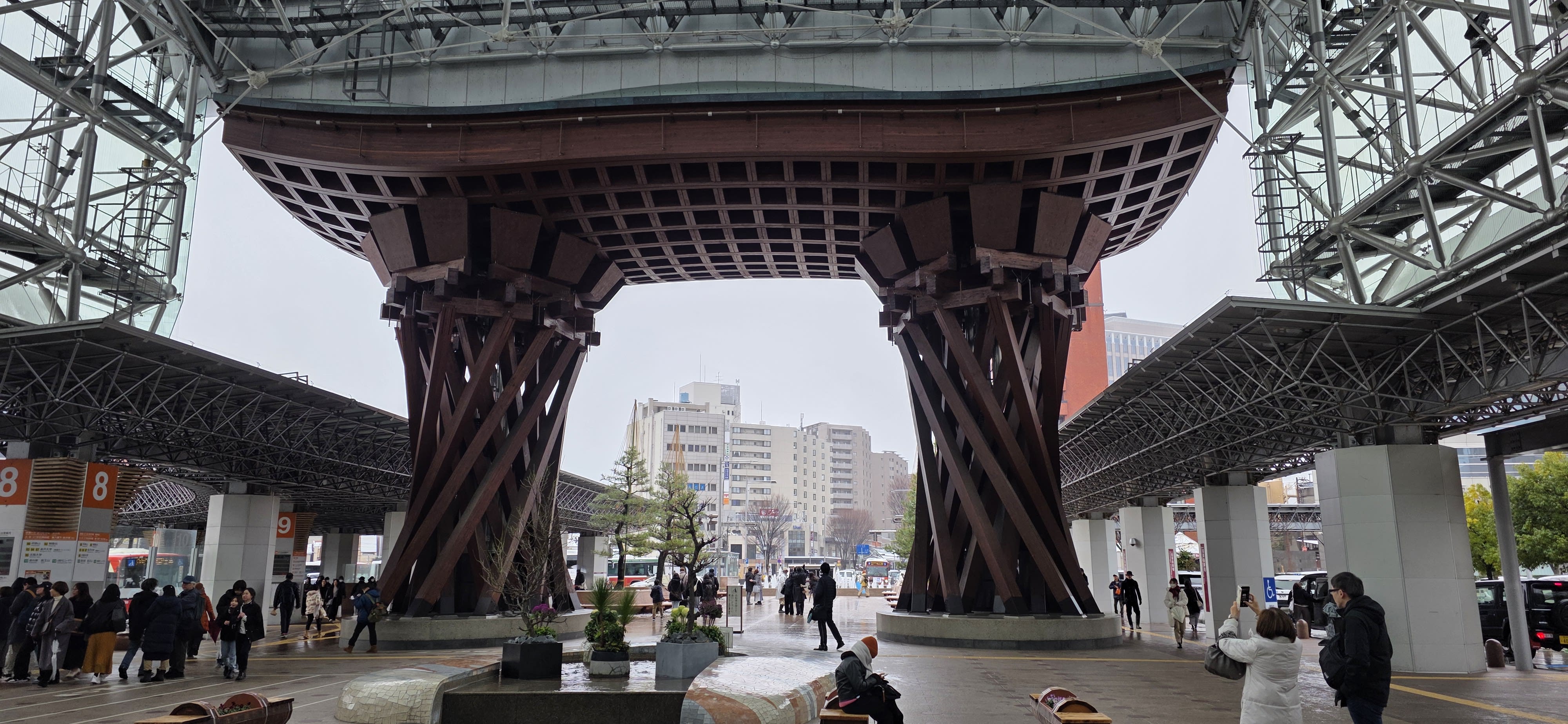
10-Day Winter Japan
A December to February route: Tokyo's illuminations and clear-sky Fuji views, Kenroku-en's snow-roped pines and crab season in Kanazawa, quieter Kyoto temples, and a last night of Osaka street food.