The Best Day Trips from Tokyo, Ranked (2026)
Kamakura wins for most travellers: an hour away, ¥950, and a full day of temples and coastline. The honest ranking, with real costs and times.
If you're taking one day trip from Tokyo, take the train to Kamakura: about an hour, ¥950, and a full day of Great Buddha, zen temples, a rattling seaside tram, and whitebait bowls by the beach. If you're taking two, add Nikko for the mountain shrines. Hakone, the third name every list gives you, is wonderful but wasted as a day trip; it works far better as an overnight. This is the full ranking, with the real costs, times, and an honest note on who each trip is for.
The Shortlist at a Glance
| Trip | One-way time / cost | Best for |
|---|---|---|
| 1. Kamakura + Enoshima | ~60 min / ¥950 (JR) | Everyone: temples, coast, food |
| 2. Nikko | 2 h / ¥2,960 (Tobu express) | Grand shrines, mountain scenery |
| 3. Yokohama | ~25–30 min / about ¥500 | Easy half-day, Chinatown dinners |
| 4. Kawagoe | 30 min / ¥490 (Tobu Tojo) | Edo-era streets without the queue |
| 5. Hakone | 85 min / ¥3,430 (Romancecar) | Fuji views and onsen, ideally overnight |
| 6. Mito (Kairakuen) | 70 min / ¥3,820 (Hitachi) | Plum blossoms, late Feb to mid March |
| 7. Utsunomiya | 50 min / ¥4,950 (Shinkansen) | A lunch pilgrimage for gyoza obsessives |
1. Kamakura + Enoshima: The One to Take
The JR Yokosuka Line runs from Tokyo Station to Kamakura in about an hour for ¥950, and delivers you to Japan's 13th-century samurai capital. The hits line up neatly: the Great Buddha (¥300, plus ¥50 to step inside the bronze), Hasedera's ocean-view terraces (¥400), and Hokokuji's bamboo grove (¥300, or ¥500 with matcha in the grove), which is quieter than Kyoto's famous one. A full temple day costs under ¥2,000 in admissions.

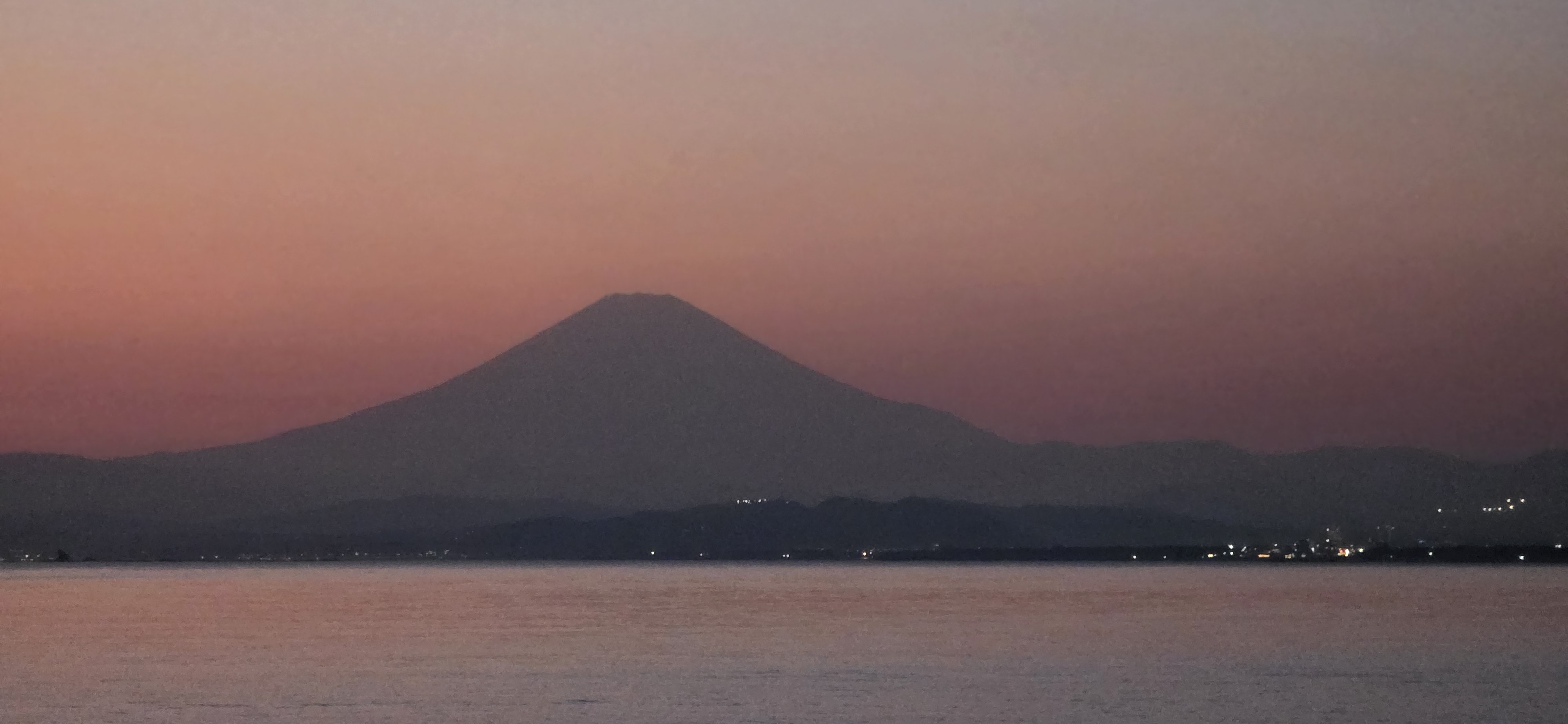
What lifts it above every rival is the second act: the Enoden, a little coastal tram, trundles from Kamakura along the sea to Enoshima island, where the Sea Candle observation tower (¥500) catches the sunset over Sagami Bay, with Mt. Fuji silhouetted on clear days. Lunch is shirasu-don, whitebait over rice, ¥1,000–1,500 on Komachi-dori. Coming from Shinjuku instead? The Odakyu Enoshima-Kamakura Freepass (¥1,640) covers the round trip plus unlimited Enoden rides, which beats buying tickets piecemeal.
The one warning: weekends and June's hydrangea season at Hasedera are properly crowded. Go on a weekday, hit the Buddha before 9 AM, and ride the Enoden against the tourist flow (Enoshima first, Kamakura after lunch) if you slept in. The full plan is on our Day in Kamakura itinerary.
2. Nikko: The Grand One
Two hours north by Tobu limited express (¥2,960 reserved; the slow train is ¥1,360 if the budget is tight), Nikko is where the Tokugawa shoguns buried their founder under the most extravagant shrine complex in Japan. Toshogu (¥1,600) is deliberate sensory overload: five hundred carvings, gold leaf by the acre, and the original see-no-evil monkeys. It's the single most impressive religious site within day-trip range of Tokyo, Kyoto included in the comparison.
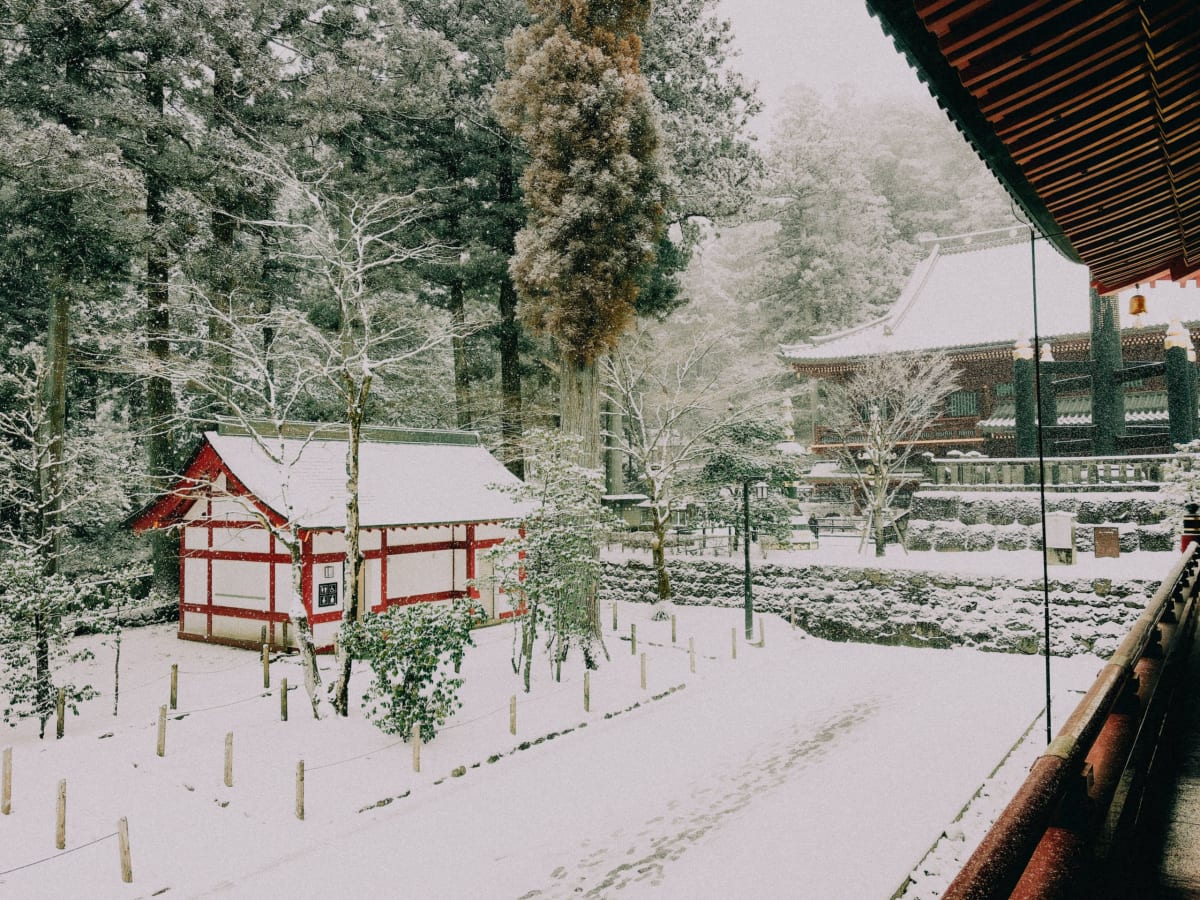
With an early start you can also reach the upper area: Kegon Falls (¥570 for the elevator to the base) and Lake Chuzenji, a crater lake at 1,269 metres that's 10 degrees cooler than the city in summer and ringed with fire-colored maples in mid-to-late October (our foliage forecast tracker follows the exact timing each year). Foliage season is spectacular and traffic-jammed in equal measure; on October weekends, take the earliest train you can face and expect the bus up the switchbacks to crawl.
Who it's for: anyone whose Kyoto days are limited or whose taste runs to mountain grandeur over zen restraint. It's the longest day on this list; treat it as the whole day's plan, not half of one.
3. Yokohama: The Effortless One
Japan's second city is 25–30 minutes and about ¥500 from central Tokyo, close enough that locals don't consider it a day trip at all, which is exactly its charm: zero planning required. Yokohama gives you Japan's largest Chinatown (600+ restaurants; go hungry, graze standing), the breezy Minato Mirai waterfront, and the Cup Noodles Museum, where designing your own cup is the best ¥500 of silly fun in the region.
The smart use of Yokohama is the half-day: leave Tokyo mid-afternoon, walk the harbor at golden hour, eat your way through Chinatown, and be back for a Shibuya nightcap. It pairs with a morning you'd otherwise waste on a slow start.
4. Kawagoe: Edo Streets Without the Pilgrimage
Thirty minutes from Ikebukuro on the Tobu Tojo Line (¥490) puts you in "Little Edo": Kawagoe's warehouse district of clay-walled merchant buildings, the Toki no Kane bell tower, and Kashiya Yokocho, a whole alley of old-fashioned penny-candy shops. It's the atmospheric old-Japan streetscape people go to Takayama for, at 3% of the travel effort.
Who it's for: travellers who won't reach Kanazawa or Takayama this trip but want one morning of wooden storehouses and street snacks. Half a day does it; combine with an easy afternoon back in Tokyo.
5. Hakone: Great Trip, Wrong Format
Here's our unpopular opinion, held firmly: Hakone as a day trip means spending your day in queues for the ropeway, the pirate ship, and the cable car, glimpsing Fuji between other people's phones, and heading down the mountain just as the place empties out and gets good. The 85-minute Romancecar from Shinjuku (¥3,430 with the reserved seat) is lovely; the day-trip version of what's at the top is not.
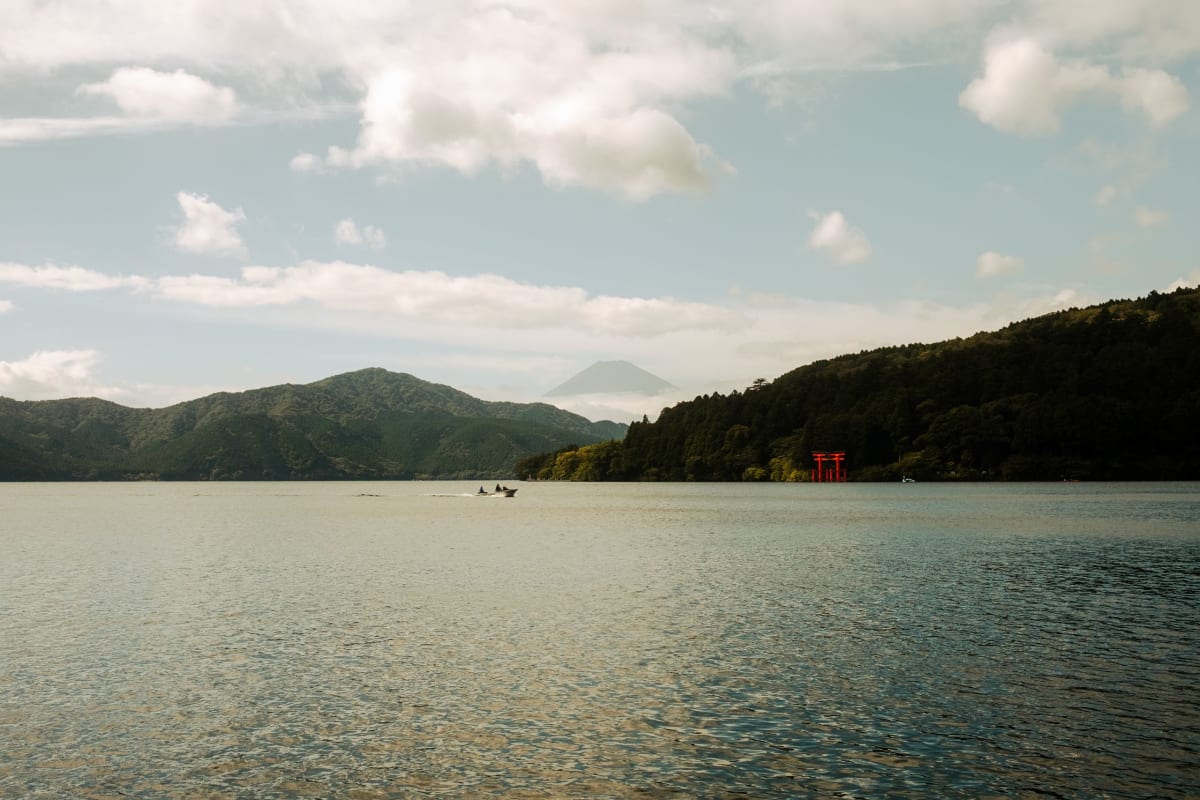
Do Hakone as one night instead: arrive mid-afternoon, soak in a rotenburo at dusk (see our onsen guide), eat a kaiseki dinner, and do the ropeway-and-lake loop at 9 AM before the day-trippers arrive. That's the version our 2-week route schedules. If a day trip is genuinely all you have, buy the Hakone Free Pass, start before 8 AM, and do the loop counterclockwise (boat first) against the crowd.
6–7. The Specialist Picks
Mito (70 min, ¥3,820 on the Hitachi express) earns its slot for three weeks a year: late February to mid-March, when Kairakuen, one of Japan's three great gardens, opens its 3,000 plum trees. In blossom season it's a top-tier trip; outside it, skip.
Utsunomiya (50 min by Shinkansen, ¥4,950) is Japan's gyoza capital, with 200+ dumpling shops and a statue of a gyoza goddess outside the station. It's a lunch, not a day, which is why it works best as a strategic stop on the way to or from Nikko (the Tobu line and Shinkansen route both pass through the area) rather than a standalone outing.
And Mt. Fuji itself? The honest answer: a Fuji "day trip" mostly means five hours of buses for a view you may not get (the mountain hides in cloud roughly half the time, especially midday in summer). You'll see Fuji better from Hakone's ropeway, Enoshima's Sea Candle on a winter day, or the left-side window seats of the Shinkansen. Save the Five Lakes for a trip with an overnight in it.
Making Day Trips Work
- One day trip per three Tokyo days is the sustainable ratio. Day trips are the pressure valve of a Tokyo stay, not the point of it; our trip-length guide covers the math.
- Your IC card covers most of these. Kamakura, Yokohama, and Kawagoe are tap-in, tap-out. The exceptions are reserved-seat expresses (Romancecar, Tobu Spacia, Hitachi) and the Utsunomiya Shinkansen, which need tickets; see our booking guide.
- JR Pass holders: Nikko (via the JR route), Yokohama, Mito, and Utsunomiya are covered; Kamakura is too. Hakone's Odakyu route and Kawagoe's Tobu line are not, but both are cheap enough not to matter.
- Leave by 8 AM for Nikko and Hakone. The near trips forgive a lazy start; the mountain trips don't.
Building the Tokyo end of the trip too? The 3-Day Tokyo template has a day-trip slot ready, and the trip planner lets you drop any of these into your dates.
Frequently Asked Questions
What is the best day trip from Tokyo?
Kamakura, for most travellers: about an hour from Tokyo Station for 950 yen, with the Great Buddha, zen temples, the coastal Enoden tram to Enoshima, and seafood lunches, all walkable and costing under 2,000 yen in admissions. Nikko is the pick if you prefer grand mountain shrines to seaside temples.
Is Nikko or Kamakura the better day trip?
Kamakura is easier (an hour away against two) and more varied, mixing temples with coastline and food streets. Nikko has the single most impressive sight, the Toshogu shrine complex, plus waterfalls and a crater lake, but it demands an early start and a full day. If you have two day-trip slots, take both.
Is Hakone worth it as a day trip from Tokyo?
It works, but it's the weakest format for Hakone: the ropeway-boat loop is queue-heavy by mid-morning and the onsen experience is best at dusk, after day-trippers leave. Stay one night if you possibly can. As a day trip, leave Shinjuku before 8 AM with a Hakone Free Pass and run the loop counterclockwise.
Can you do a Mt. Fuji day trip from Tokyo?
You can, but it's a gamble: the Five Lakes area is around five hours of round-trip travel and the mountain hides in cloud roughly half the time, especially midday in summer. Clearer bets are Fuji views from Hakone's ropeway, Enoshima's Sea Candle on a crisp winter day, or the Shinkansen's left-side windows heading west.
Do I need reservations for Tokyo day trips?
Mostly no: Kamakura, Yokohama, and Kawagoe are tap-in trips with an IC card. Reserve seats for the comfortable expresses (the Odakyu Romancecar to Hakone, Tobu's Spacia to Nikko, the Hitachi to Mito), which sell from machines and apps on the day outside peak seasons.
How many day trips should I take from Tokyo?
One per three Tokyo days is a good ratio: a four-day Tokyo stay fits one day trip comfortably, a week fits two. Tokyo itself deserves the majority of your time, and day trips work best as a change of pace rather than a daily commute.
3-Day Tokyo Weekend
A long weekend or stopover in Tokyo: Meiji Shrine and Shibuya Crossing on arrival, then Tsukiji, teamLab Planets, Senso-ji, and Akihabara in one full day, with both nights in Shinjuku's yakitori alleys and Golden Gai bars. One hotel, no bullet trains.