Japan in July: Gion Matsuri, Mt. Fuji and the End of the Rain
Rainy season ends, Gion Matsuri takes over Kyoto, and Mt. Fuji opens for climbing. What July actually feels like week by week, and how to time the switch.
July is the month Japan changes seasons in front of you. It arrives as the tail end of the rainy season, grey and dripping, and leaves as full summer: blue skies, 33°C afternoons, cicadas at volume, fireworks on the river. The switch happens around July 20 in Tokyo and Kyoto, and almost everything about planning a July trip comes down to which side of that line your dates fall on.
It is also, quietly, one of the great event months of the Japanese year. Gion Matsuri runs in Kyoto for all thirty-one days, Mt. Fuji opens its only climbing season, the Furano lavender fields hit peak in Hokkaido, and the fireworks calendar begins in earnest with the Sumida River display on the last Saturday of the month. The catch arrives on schedule: Japanese school holidays start around July 20 too, so the same week the weather turns perfect, the domestic crowds turn up.
Here is the weather region by region, the month week by week, how to actually do Gion Matsuri, what the Fuji reservation system now requires, and an honest answer on whether July beats June and August.
What July Actually Feels Like
Tokyo runs 24 to 30°C across the month, Kyoto 24 to 33°C, Osaka much the same, and those averages hide the real story: the first ten days are often cloudy, damp and merely warm, while the last ten days are heat-shimmer summer with humidity around 75%. Kyoto is the hottest of the three. The city sits in a basin, the air does not move, and a festival afternoon on asphalt can read 35°C or more. Nights stay above 24°C in all three cities by late month, which is why the festival culture happens after dark.
The compensation: daylight is enormous. Sunrise in Tokyo is around 4:35 AM in early July, sunset close to 7:00 PM, which makes 6:00 to 9:00 AM a full sightseeing shift in pleasant temperatures before the heat arrives. July rewards early risers more than any other month.
Sapporo is a different country: 19 to 26°C, humidity a full 20 to 30 percentage points below Tokyo, and no rainy season at all, since tsuyu never reaches Hokkaido. July is arguably Hokkaido's single best month, and it gets its own section below. Naha in Okinawa holds 27 to 32°C with sea water at 29°C; its rainy season ended back in late June, so July is pure beach weather. The one asterisk is typhoons, which can brush Okinawa from July onward even though the main-island peak comes later, in late August and September. Build a flexible day into any Okinawa leg.
The Two Julys, Week by Week
The Japan Meteorological Agency's average end date for the rainy season is July 19 in Kanto and around July 19 to 21 in Kansai, and while individual years swing a week or more either way, the shape of the month is remarkably consistent:
| When | What the month looks like |
|---|---|
| Jul 1 to 10 | Tail of tsuyu on Honshu: humid, grey, periodic downpours, hotels at their cheapest. Tanabata on the 7th. Hokkaido and Okinawa already in full summer. |
| Jul 11 to 20 | The transition. Gion Matsuri peaks with the Yoiyama nights (14-16) and the first grand parade (17). Rain days thin out, heat builds, Marine Day long weekend closes the stretch. |
| Jul 21 to 31 | Real summer. Blue skies, 33°C, school holidays underway, beer gardens and fireworks nightly somewhere. Gion's quieter second parade (24), Tenjin Matsuri in Osaka (24-25), Sumida fireworks (last Saturday). |
The crowd calendar follows the weather almost exactly. School lets out around July 18 to 20 nationwide, and in 2026 Marine Day lands on Monday, July 20, welding the school-holiday start to a three-day weekend. From that point, Shinkansen trains, resort hotels, Fuji mountain huts and anywhere with a beach or a lavender field fill with Japanese families. It never reaches Obon levels (that particular crush is an August problem), but the difference between July 15 and July 25 pricing at a Hakone ryokan is real money.
So the honest framing: the first half of July is the value play, damp but cheap and uncrowded, and the second half is the postcard, hot but spectacular. If you can only pick one week and you want summer rather than rain, aim for roughly July 18 to 25. You get the end of Gion, Tenjin Matsuri, opened beaches, and slightly softer crowds than the school-holiday peak of late July and August.
Gion Matsuri: How to Actually Do It
Gion Matsuri is not a day, it is the entire month. Kyoto's biggest festival opens with shrine rites on July 1 and does not formally close until July 31, but almost everything a visitor wants sits in two clusters.
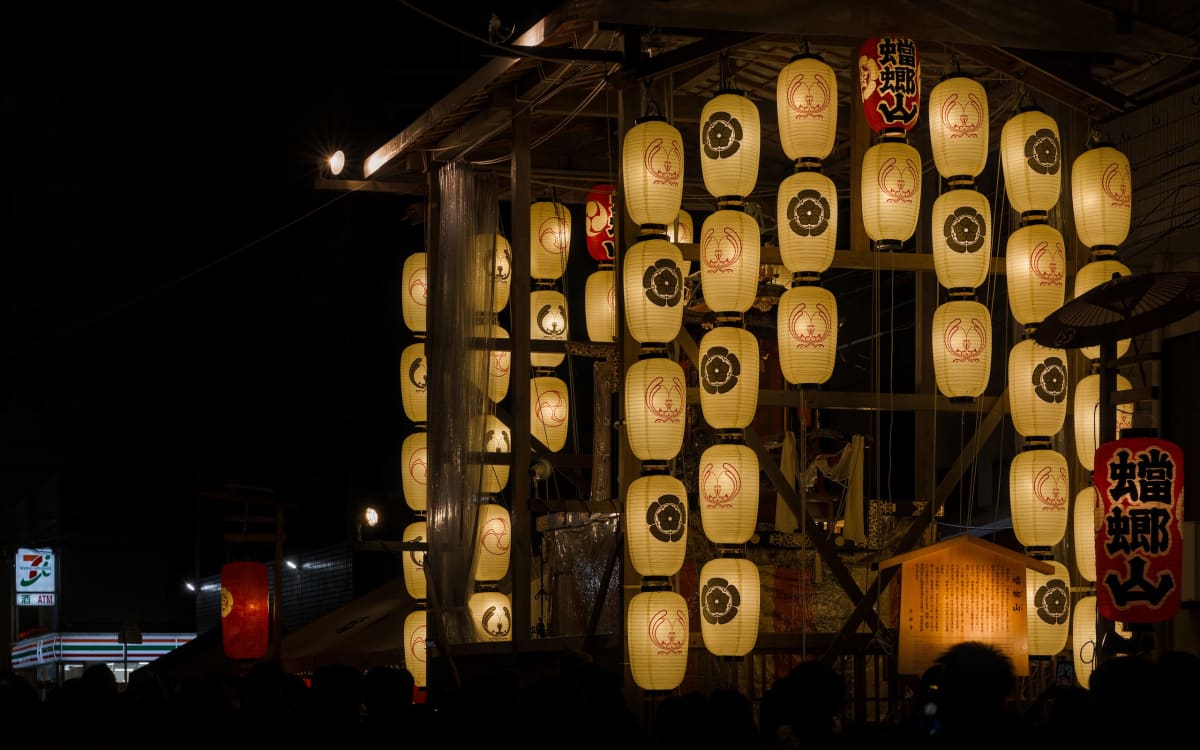
The Saki Matsuri (first half): from around July 10 you can watch the yamaboko floats being assembled on street corners from timber and rope, no nails, exactly as they were centuries ago. The Yoiyama evenings of July 14 to 16 are the festival at its most atmospheric: floats lit with paper lanterns, Gion-bayashi flute and bell music, whole streets pedestrianised and lined with food stalls, tens of thousands of people in yukata. On the 15th and 16th the crowds are immense; the 14th is noticeably calmer with nearly the same scenery. Then on July 17 the Yamaboko Junko parade rolls at 9:00 AM: 23 floats, some 25 metres tall and weighing over 10 tonnes, hauled down Shijo and Kawaramachi streets. The spectacle within the spectacle is the tsuji-mawashi at the big intersections, where teams drag each float sideways across wet bamboo slats to turn the corner. Shijo-Kawaramachi around 9:30 AM is the classic spot, staked out early.
The Ato Matsuri (second half): a smaller repeat with the volume turned down. Yoiyama evenings on July 21 to 23 with lantern-lit floats but no food stalls and a fraction of the bodies, then a second parade of 11 floats on the morning of July 24, running the route in reverse. If you want to photograph floats and actually move your elbows, the Ato is your festival.
Practical notes, learned the sweaty way. Book Kyoto accommodation six months or more ahead for July 14 to 17, or do what half the festival crowd does and stay in Osaka, 15 minutes away by Shinkansen. Paid grandstand seats for the parades (around ¥4,000 to ¥6,000, sold from June) beat queuing on a July pavement from 7:30 AM. Carry water and walk the arcaded shopping streets for shade; mid-July Kyoto is brutally hot even before the rain officially ends. And the elegant combination for late-July travellers: watch the Ato parade on the morning of the 24th, then spend the 25th at Osaka's Tenjin Matsuri, a procession of over 100 lantern-lit boats on the Okawa river with fireworks bursting overhead. Two of Japan's three greatest festivals, back to back, one train line apart.
Mt. Fuji Opens for Business
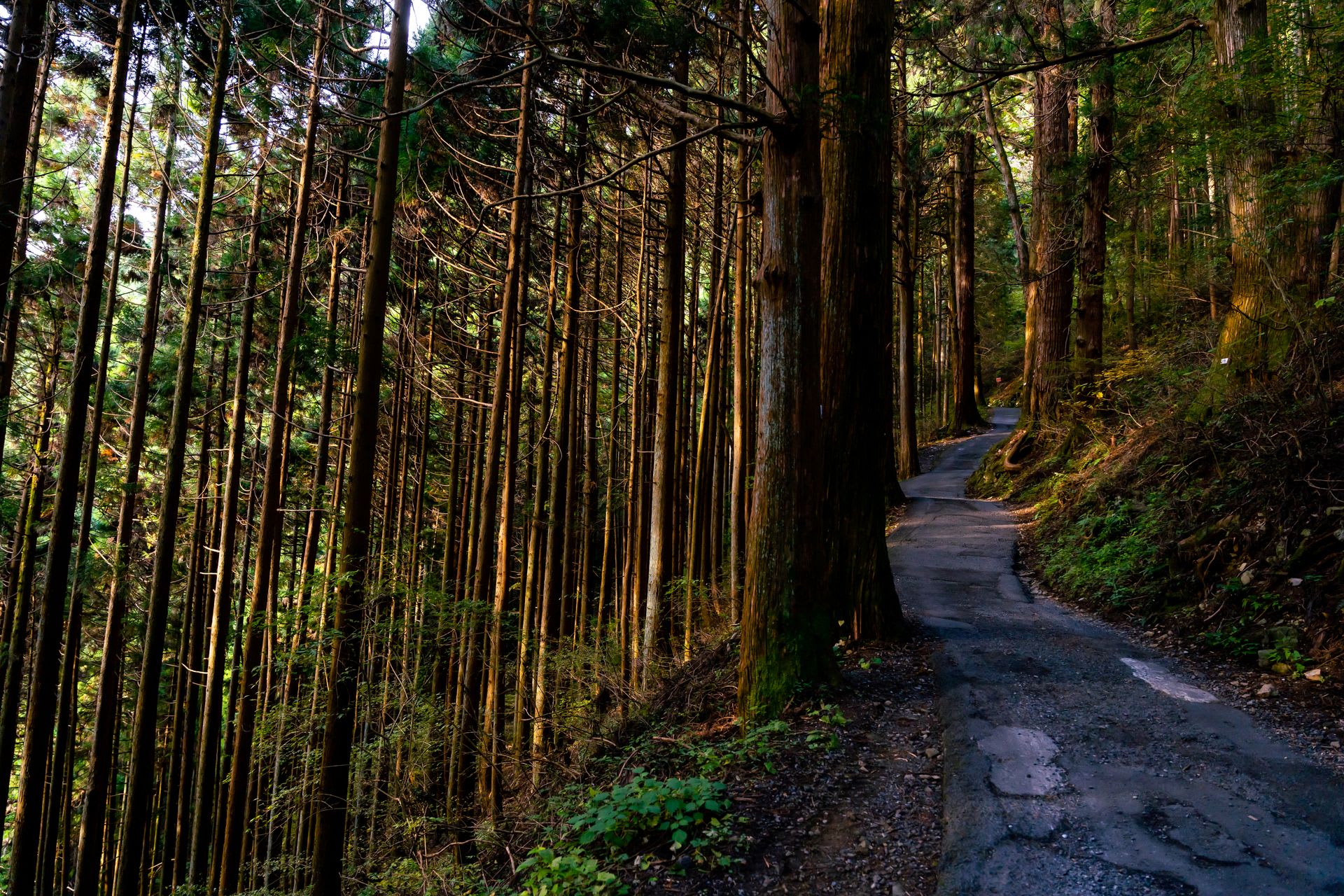
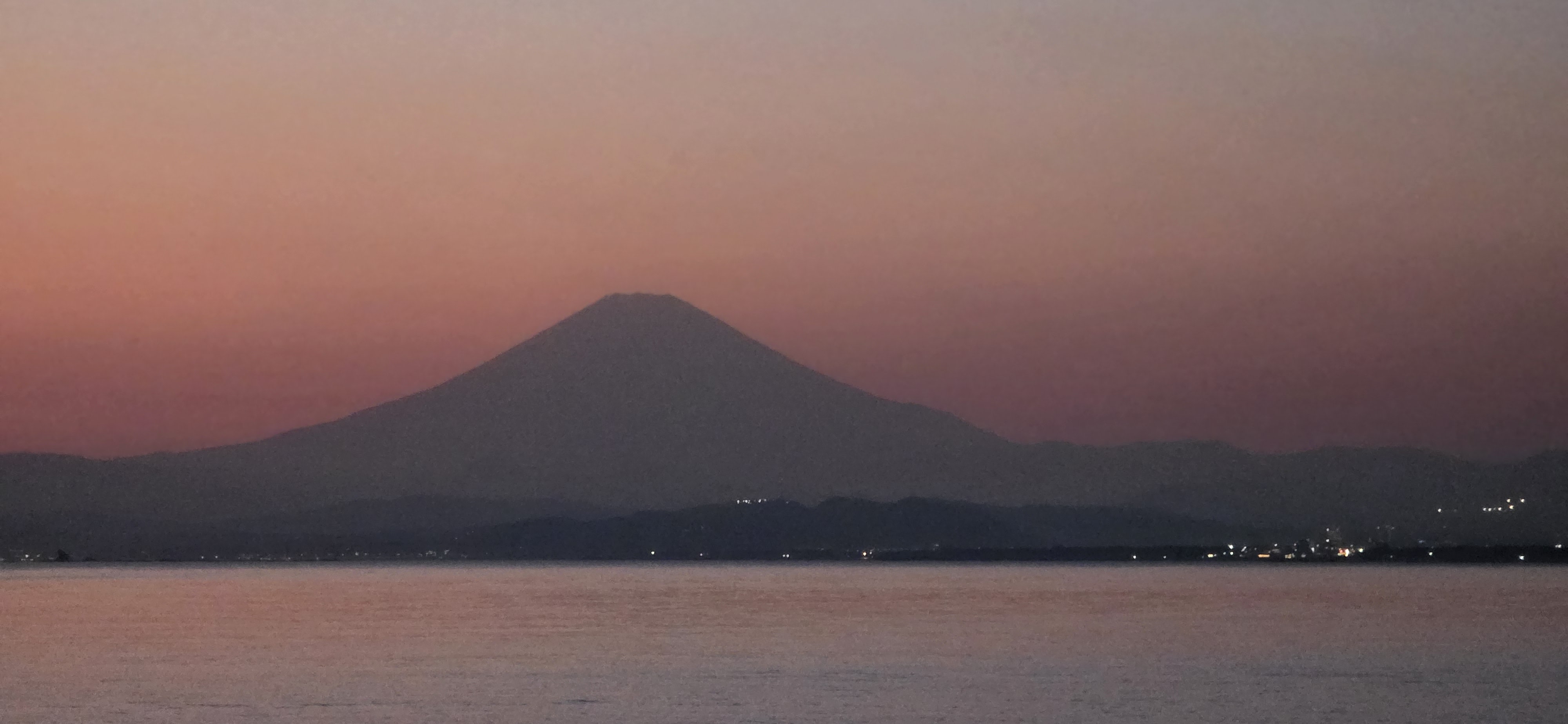
Mt. Fuji's official climbing season opens with the Yoshida and Subashiri trails on July 1 and the Fujinomiya and Gotemba trails on July 10, and everything closes on September 10. Those were the 2026 dates (the first year Subashiri opened on July 1 instead of July 10); our Mt Fuji climbing season tracker logs each year's dates, rules and hut booking days as they are announced. If a sunrise from the summit is on your list, July is when the window opens, and the rules have tightened considerably in recent years.
Every trail now charges a ¥4,000 per-person entry fee. The Yoshida Trail caps entries at 4,000 climbers a day and lets you book and prepay a place online; the three Shizuoka-side trails have no cap but require an online safety course and registration, in the prefecture's app or at the trailhead. On all four, the gate is closed from 2:00 PM until 3:00 AM to anyone without a mountain-hut reservation, a rule aimed squarely at ending the old practice of "bullet climbing" through the night with no rest. In practice this means a July Fuji climb is now a planned, booked event: book a hut around the 3,400-metre mark as soon as its bookings open, sort out the entry procedure for your trail, and treat the whole thing as a committed day and a half.
Which part of July? Early month has the emptiest trails and cheapest huts, but the summit can still be raked by leftover rainy-season weather, and some huts and first-aid stations are not fully staffed until mid-month. From the third week the weather stabilises and the crowds arrive with it; the school-holiday weekends of late July are among the busiest of the whole season. The sweet spot is a weekday between roughly July 13 and July 24. Pack for winter at the top regardless: the summit hovers between 0 and 8°C at dawn while Tokyo sits at 30, and that contrast is half the story you will tell afterwards.
The Rest of the July Calendar
Tanabata, July 7. The star festival, when Orihime and Hikoboshi, celestial lovers separated by the Milky Way, get their one night a year together. The visible version: bamboo branches outside shops, schools and shrines, hung with strips of coloured paper carrying handwritten wishes. Add your own, any shrine will have pens out. The biggest Kanto celebration is the Shonan Hiratsuka Tanabata in the first week of July, an hour from Tokyo, with streets canopied in giant streamers. (Sendai, home of the most famous Tanabata of all, celebrates on the old calendar in early August, so do not go looking for it in July.)
Mitama Matsuri, mid-July. Four evenings at Yasukuni Shrine in Tokyo, when 30,000 yellow lanterns turn the long approach into a corridor of light. One of Tokyo's most photogenic festival nights and still underattended by foreign visitors.
Marine Day, the third Monday (July 20 in 2026). A national holiday and the ceremonial start of beach season, though most beaches hold their umibiraki opening earlier in the month. Expect full trains and booked-out coastal hotels on this weekend, and plan city days instead.

Fireworks season begins. The headline act is the Sumida River Fireworks on the last Saturday of July, near Asakusa: roughly 20,000 shells, close to a million spectators, and embankment spots gone by late afternoon. It is a genuine spectacle and a genuine crush; if you go, commit to arriving by 4:00 PM or book a restaurant or cruise seat months ahead. The alternative is any of the dozens of smaller hanabi taikai that fire off across the country from late July onward: same shells, a tenth of the crowd, a survivable train home.
Beer gardens. Department-store rooftops across the country open their summer-only beer gardens through July and August: all-you-can-drink for ¥3,500 to ¥5,000, plastic chairs, paper lanterns, and the city glittering past the railing. The correct end to a 33°C day.
The Hokkaido Play
If the heat paragraph above made you wince, reroute north. Hokkaido in July is 22 to 26°C, dry, green, and at its absolute scenic peak, because this is lavender month in Furano.
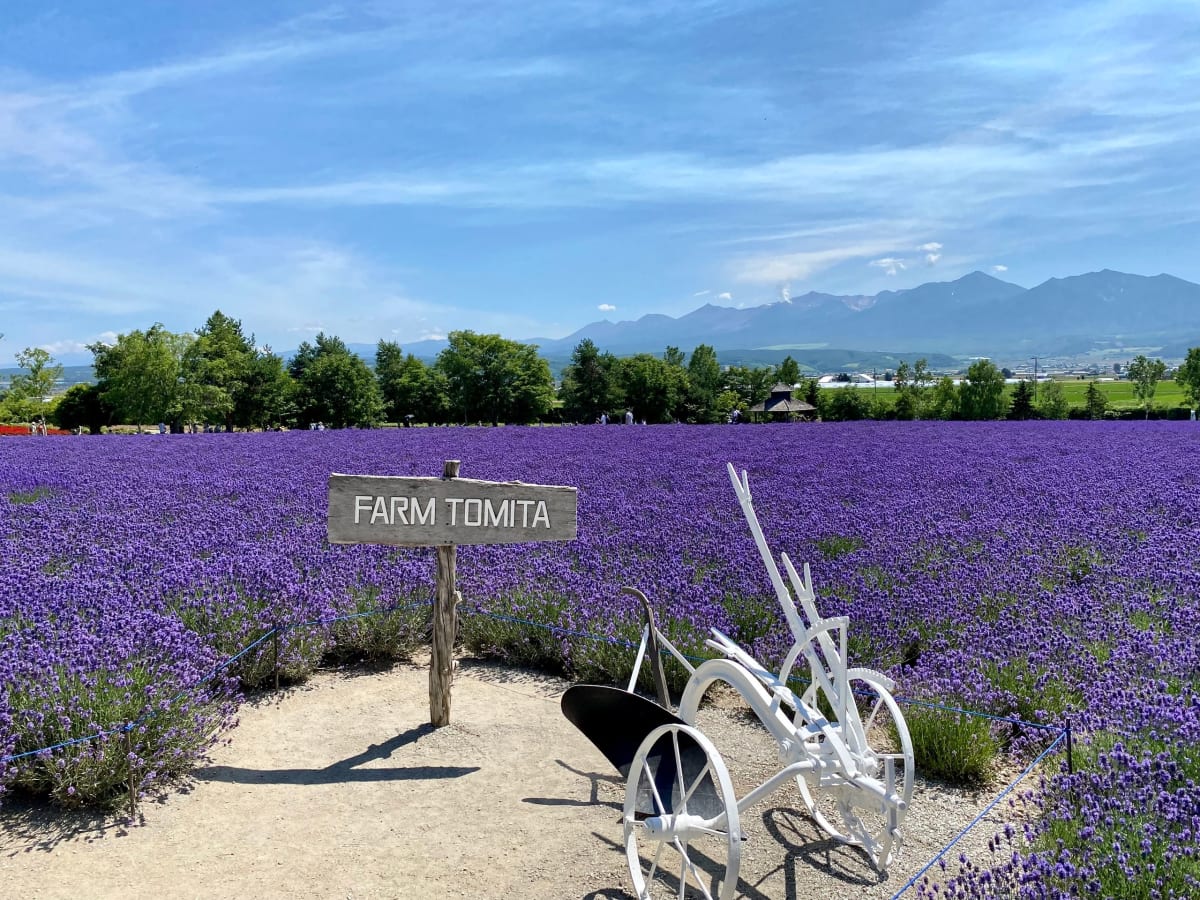
The fields at Farm Tomita and its neighbours start flowering in late June and are at their best in early to mid-July, whole hillsides striped purple against the Tokachi mountains, with the patchwork farmland of Biei next door looking implausibly groomed. In summer 2026 JR Hokkaido ran the Furano Lavender Express direct from Sapporo through this window. The slow, windows-open Norokko train that stopped at a temporary station in front of the fields made its last run on September 23, 2026, so from 2027 plan on JR Naka-Furano Station, a 25-minute walk from the farm.
The trade-off is that none of this is a secret domestically. Mid-July Furano accommodation books out months ahead, and the last week of July adds the school-holiday wave; base yourself in Asahikawa or Sapporo and day-trip if Furano itself is full. Around the rest of the island, Hakodate serves its morning seafood market and night views in shirtsleeve temperatures, and the hiking, rafting and flower-field circuit that makes summer Hokkaido a separate holiday from summer Honshu is fully open. If you want the route pre-built, our 7-Day Hokkaido Summer itinerary (Sapporo, an Otaru day trip, two nights in Furano for the fields, and an onsen night in Noboribetsu) is timed for exactly this window.
What to Pack
- A folding umbrella for the first half of the month, sunscreen for the second, and realistically both for the whole trip. Konbini sell umbrellas for ¥500 when you misjudge it.
- Breathable everything: linen, cotton, technical fabrics. One more t-shirt per day than feels reasonable.
- A light layer for arctic indoor air-conditioning, especially on long Shinkansen runs.
- Slip-on shoes that survive getting rained on in week one and being lived in through week three.
- Climbing Fuji? Full cold-weather kit for the summit: fleece, shell, hat, gloves, headlamp. Rentable in Tokyo or at the 5th Station if you do not want to carry it.
For the deeper heat-survival playbook (cooling goods worth buying at Japanese drugstores, hydration strategy, how locals structure a 35°C day), our Summer in Japan guide covers the whole season in detail.
July vs June vs August
Pick June if price and quiet beat weather. Rainy season keeps the crowds down and the hotel rates at their yearly floor, the hydrangea temples are genuinely lovely in drizzle, and Hokkaido is already dry and warm. The trade: no Gion, no Fuji, no beaches on Honshu, and a real chance of rain on any given day.
Pick August if the northern festivals are the point. Nebuta in Aomori, Sendai Tanabata and Awa Odori in Tokushima all land in the first half of August and have no July equivalent. The trade: it is hotter than July, Obon week (August 13-16) doubles prices and fills every train, and typhoon risk climbs steadily through the month.
Pick July if you want summer Japan with the best odds. The second half delivers everything the season promises, festivals, fireworks, beaches, lavender, an open Mt. Fuji, with less typhoon exposure than August and none of the Obon surge, while the first half is one of the cheapest windows of the year for anyone who can tolerate humidity and a wet afternoon or two. For the full year-round comparison, the Best Time to Visit Japan guide breaks down all twelve months.
A Two-Week July Route
The classic golden route works in July with two adjustments: sequence Kyoto around the Gion calendar, and front-load every day against the heat. Our Classic 2-Week Japan itinerary (Tokyo, Hakone, Kyoto, Nara, Osaka, Hiroshima) is the base. The July version:
- Traveling July 1 to 14: run the route as written and enjoy the prices. Keep Hakone flexible, since the rainy-season mist that hides Fuji one day can break into a perfect view the next morning. Swap one Tokyo afternoon for the Mitama Matsuri lanterns if your dates reach mid-month, and time your Kyoto days to catch the floats going up from July 10.
- Traveling July 15 to 31: anchor Kyoto to the festival. Either hit the Saki climax (Yoiyama on the 14th to 16th, parade on the 17th, booked far ahead) or take the calmer Ato week and chain the July 24 parade into Tenjin Matsuri in Osaka on the 25th. Do Nara and Miyajima at opening time, both are shadeless by noon, and give the Hiroshima museums the hot middle of the day.
- Climbing Fuji: add two days between the Tokyo and Kyoto legs, reserving the trail slot and hut the moment your dates fix. A weekday in the July 13 to 24 window balances weather against crowds better than anything later in the season.
Open the template in the trip planner, drop your dates in, and let the Gion calendar decide which way the route runs.
Frequently Asked Questions
Is July a good time to visit Japan?
It splits into two halves. Through roughly July 19 the rainy season lingers: damp, grey, and the cheapest hotels of the summer. After it lifts, real summer arrives along with Japan's great festival stretch: Gion Matsuri all month in Kyoto, Tenjin Matsuri in Osaka, the first fireworks, and Mount Fuji's climbing season. School holidays start around July 20, so the perfect weather and the domestic crowds arrive together.
When does Japan's rainy season end?
The average end date is around July 19 in both Kanto and Kansai, with individual years swinging a week either side. The sweet spot for a single week is roughly July 18 to 25: the rain has usually lifted, Gion's quieter second parade and Tenjin Matsuri land in it, beaches are open, and the school-holiday crush has not fully peaked.
How do I see Gion Matsuri?
It runs all of July, but the essentials cluster twice. The Yoiyama lantern evenings of July 14 to 16 (the 14th is calmest) lead into the grand parade at 9am on July 17, with the float-turning at Shijo-Kawaramachi the classic spectacle. The smaller Ato Matsuri repeats it with a fraction of the crowd: lantern evenings July 21 to 23 and a second parade on the 24th. Book Kyoto six months out, or stay in Osaka 15 minutes away.
Can you climb Mount Fuji in July?
Yes; the Yoshida Trail opens July 1 and the Shizuoka trails around July 10. It is now a booked event, not a walk-up: every trail charges a 4,000-yen entry fee through the official reservation system, the Yoshida Trail caps 4,000 climbers a day, and the gate closes overnight to anyone without a mountain-hut booking. Aim for a weekday between about July 13 and 24, and pack for 0 to 8 degrees at the summit.
How hot is Japan in July?
Tokyo runs 24 to 30 degrees Celsius and basin-bound Kyoto reaches 33 or more in the second half, with nights staying above 24; the early morning hours are the sightseeing shift. The escapes are real: Sapporo holds 19 to 26 with far lower humidity and no rainy season, while Okinawa is pure beach weather at 27 to 32 with 29-degree water and only a small typhoon asterisk.
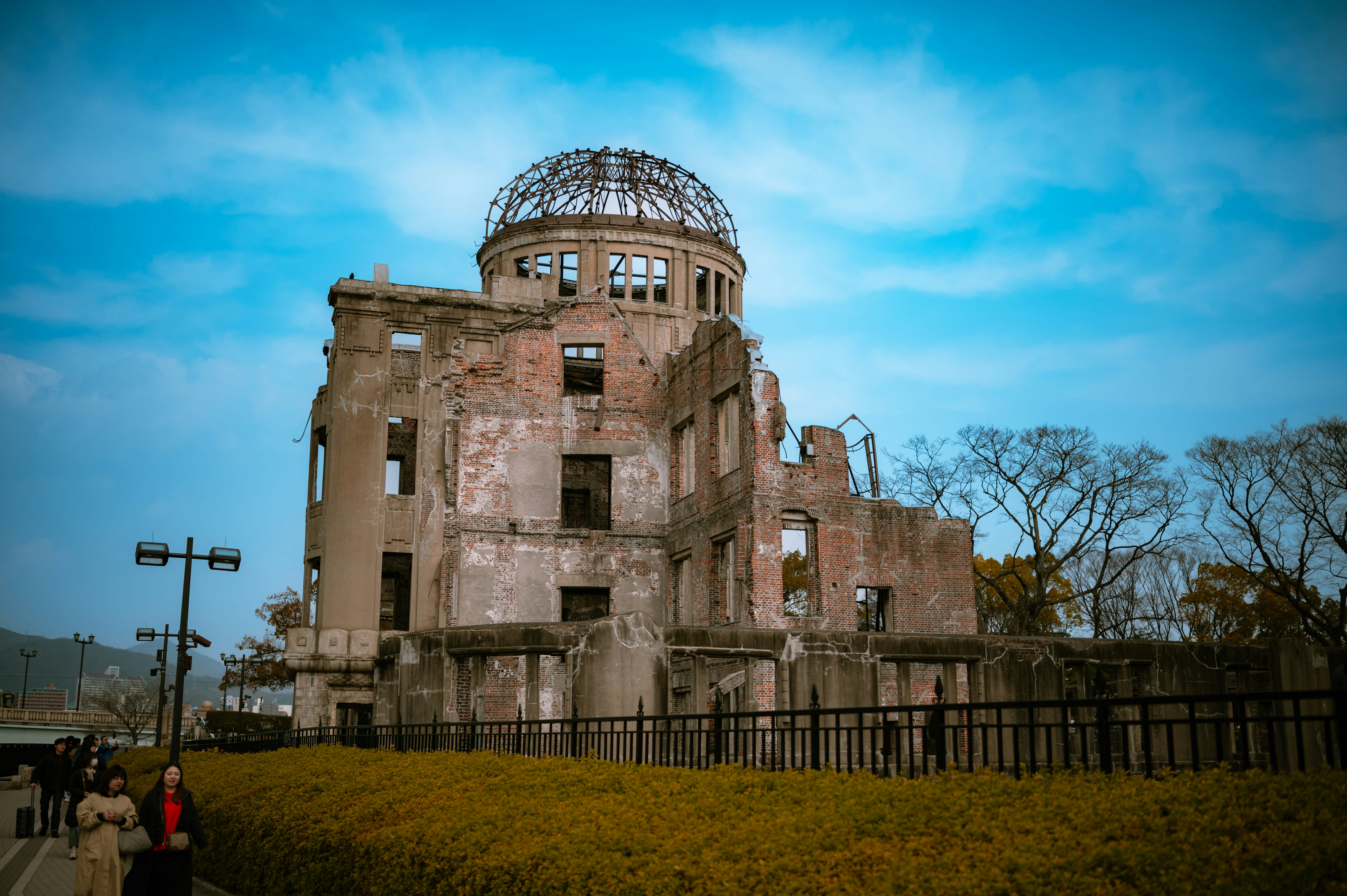
Classic 2-Week Japan
The classic first-timer route in 14 days: Tokyo, a ryokan night in Hakone, Kyoto with a day in Nara, Osaka, and Hiroshima with Miyajima, linked by the Shinkansen.