Japan in May: Golden Week, Fresh Green and the Quiet Weeks After
One week to avoid and three weeks to love. How to survive Golden Week if you must, and why May 7 onward is the best-kept secret of the Japan travel calendar.
May is two months wearing one name. Through roughly May 6, Golden Week turns Japan into the busiest version of itself: four national holidays stacked into a week, the entire country traveling at once, hotels at double or triple rates, and shinkansen booked out weeks ahead. Then, overnight, it ends. From May 7 the crowds vanish, prices fall off a cliff, and you are left with daytime highs around 23°C, fourteen hours of daylight, and the whole country glowing with shinryoku, the fresh new green that Japanese poets have rated as highly as cherry blossoms for centuries.
That second May is, quietly, one of the best travel windows of the entire year. Better weather than April, none of June's rain, a fraction of the crowds of either sakura season or autumn, and shoulder-season prices that last until the rainy front arrives in early June. The only people who know this are the Japanese, who have just spent their holiday allowance, and repeat visitors, who book it every year and say nothing.
Here is the weather region by region, exactly how Golden Week works and how to route around it, what blooms after the cherry blossoms are gone, and how to time the classic two-week route through the best three weeks of the month.
What May Actually Feels Like
Tokyo runs 15 to 23°C across the month, Kyoto 14 to 25°C, Osaka a degree warmer still. Afternoons are t-shirt weather, evenings want one light layer, and the sticky summer humidity has not arrived yet. Rain is moderate, around 140mm in Tokyo spread over nine or ten wet days, and when it does rain it tends to pass through rather than settle in. The mainland rainy season does not start until early-to-mid June, so May is the last full month of reliable blue sky before autumn.
The daylight is the underrated luxury. The sun sets after 6:30 PM all month in Tokyo, sliding toward 6:50 by the 31st, which means fourteen hours of usable day. Compare that to November, when gardens shut before 5:00. In May you can do a full temple morning, a long lunch, an afternoon hike, and still catch golden hour somewhere scenic. One warning that surprises northern Europeans: the UV index is already near summer strength. You will burn faster in May in Kyoto than in July at home.
Sapporo runs 8 to 17°C and is having its own compressed spring: cherry blossoms in the first days of the month, lilacs by the end of it, and fresh green in between. Pack a warm layer for evenings. Naha holds 21 to 27°C with the sea already warm enough to swim, but Okinawa's rainy season begins around May 10 on average, so the islands are the one part of Japan where early May beats late May.
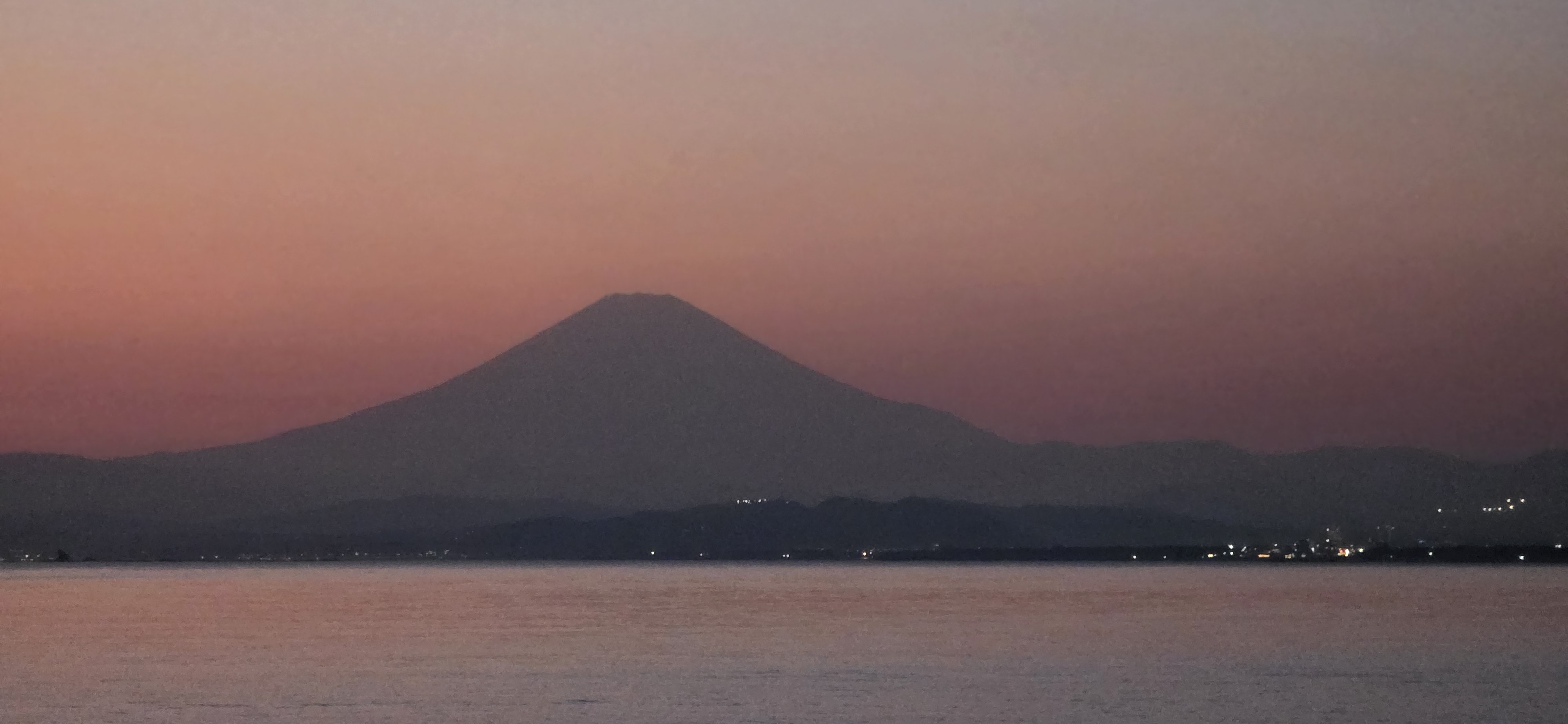
One thing May cannot give you: Mount Fuji's summit. The official climbing season does not open until early July (the Mt Fuji climbing season tracker has the dates, and the day each mountain hut opens its bookings, most of them in May). The mountain itself, still wearing its snowcap, is a fine sight from Hakone or the Fuji Five Lakes on clear mornings, but plan to admire it, not climb it.
Golden Week: The One Week to Avoid
Four national holidays fall within seven days: Showa Day on April 29, then Constitution Day, Greenery Day, and Children's Day on May 3, 4, and 5. Most of the country bridges the gaps and takes the whole stretch off. It is the single biggest domestic travel event of the Japanese year, bigger than New Year for tourism because the weather is good everywhere at once.
In 2027 the calendar is brutal: April 29 lands on a Thursday, the three May holidays run Monday to Wednesday, and with one bridge day on Friday the 30th the whole country gets April 29 through May 5 off. Expect the crush to run from the first outbound wave on the 29th to the return wave on the 5th and 6th.
What that means in practice:
- Shinkansen: the Nozomi runs with all seats reserved during Golden Week (no unreserved cars), and reserved seats on popular departures sell out almost as soon as booking opens a month ahead. Book the moment your dates are fixed, or travel at dawn.
- Hotels: Kyoto, Kanazawa, and every onsen town run at double to triple normal rates and still sell out months ahead. Tokyo is the odd one out: business travel stops and locals leave the city, so Tokyo city hotels can actually be reasonable during the week itself.
- Everywhere popular is mobbed: this is not foreign-tourist crowding, it is 120 million residents on holiday simultaneously. Highways post 40km traffic jams. The Fuji flower parks and Kamakura hit their densest days of the entire year.
If your dates force you into Golden Week, the playbook is: do not move on the peak travel days (outbound April 29 and the first holiday morning, return May 5 and 6), base yourself in one big city rather than touring, lean on Tokyo's museums and neighborhoods while the locals are away, and book literally everything in advance. Golden Week Japan is still Japan. It is just Japan with every seat taken.
May 7 Onward: The Best-Kept Secret
Then the holiday ends, and the country exhales. Domestic travelers go back to work having spent their budgets, the school trip season is only a trickle, and the next big wave (summer holidays) is two months away. From May 7 until the rainy season arrives in early June you get a three-and-a-half-week window with the best crowd-to-weather ratio of the Japanese year. Hotel rates in Kyoto drop by half within days. Restaurants that needed bookings take walk-ins. You can stand on the Togetsukyo bridge in Arashiyama at 10 AM and have room to turn around.

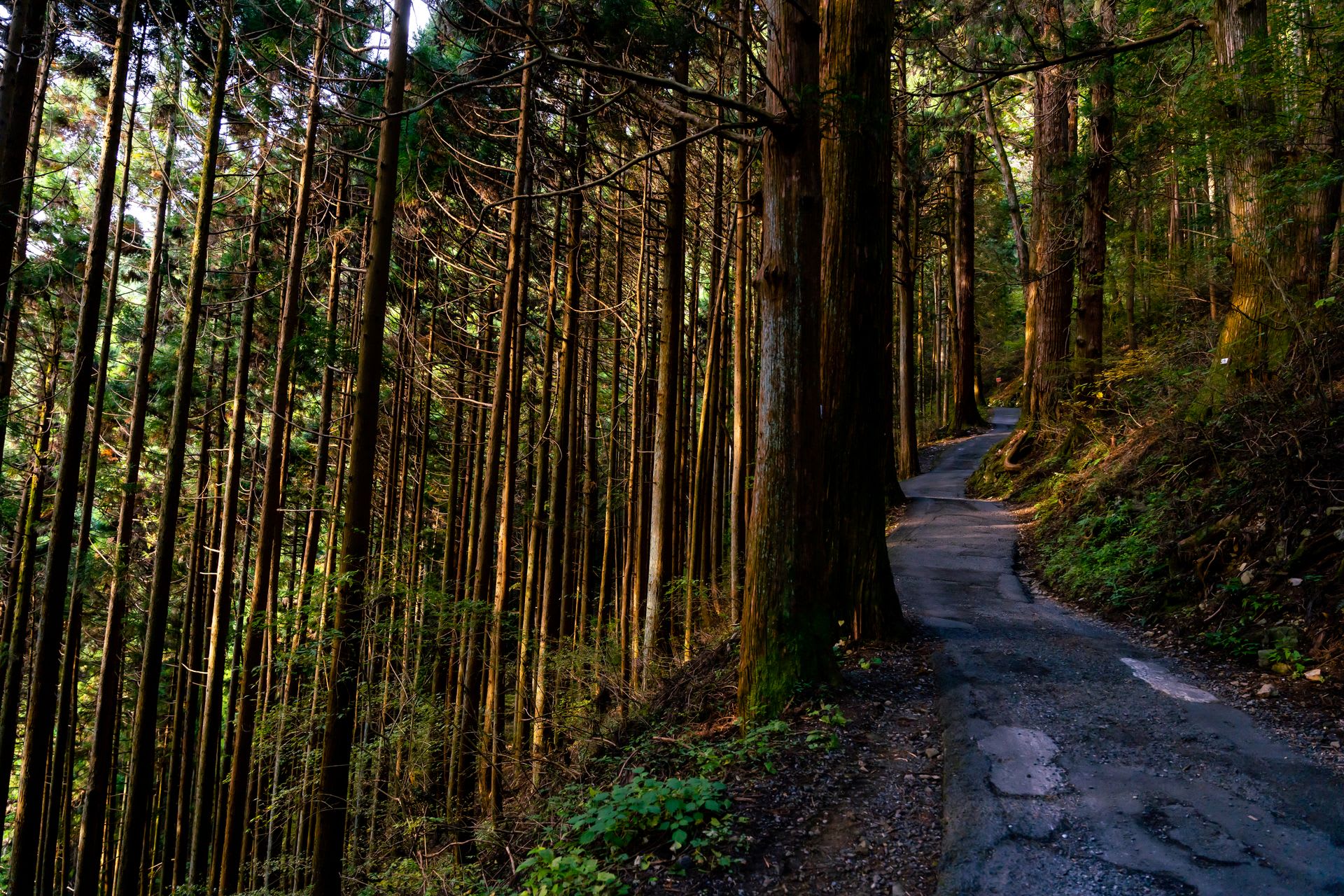
The scenery is doing something special at the same time. Shinryoku, literally "new green", is the fresh growth on the maples and the moss at its brightest, and it transforms exactly the places people fight through crowds to see in autumn. The maple canopy at Tofuku-ji that draws shoulder-to-shoulder queues in late November is the same canopy in electric green in May, admission at the normal price, walkways empty. Kyoto's moss gardens are at their most saturated. The bamboo grove glows. Japanese aesthetics treats shinryoku as a season in its own right, and once you have seen a temple garden in mid-May light it is hard to argue.
This is also prime walking weather for everything the summer makes miserable: Kamakura's hiking trails, Fushimi Inari's full mountain loop, the Nakasendo post towns, cycling the Shimanami Kaido. If a trip could be built around one fortnight of the year for being outdoors in Japan, May 10 to 25 would be on the shortlist.
Flowers After the Cherry Blossoms
The famous sakura front has finished on the main islands by May, but the month has its own bloom calendar, and parts of it are spectacular:
| When | What and where |
|---|---|
| May 1 to 10 | Late cherry blossoms in Hokkaido (Sapporo, Hakodate), wisteria peak at Ashikaga, nemophila at Hitachi Seaside Park, koinobori everywhere through the 5th |
| May 10 to 20 | Fuji Shibazakura at full carpet, yellow laburnum at Ashikaga, azaleas in Tokyo's gardens, Matsumae's late cherry varieties in southern Hokkaido |
| May 20 to 31 | Fresh green at maximum everywhere, early irises, the last shibazakura, roses in city parks |
Late sakura, if you missed them: Hokkaido runs a month behind Honshu. Sapporo's Maruyama Park blooms around the turn of the month, and the star-shaped fort at Hakodate, Goryokaku, rings its moats with roughly 1,500 cherry trees in the first week of May. Matsumae, on Hokkaido's southern tip, grows some 250 varieties that bloom in relay into mid-May. The catch is obvious: early May is Golden Week, so Hokkaido's sakura come with domestic crowds attached. Book ahead and go midweek.

Wisteria: Ashikaga Flower Park in Tochigi is the one that ends up on posters, built around a 160-year-old Great Wisteria whose single trellis covers about 1,000 square meters. The main purple bloom peaks from late April into the first half of May, the white tunnel follows, and the yellow laburnum closes the show mid-month, with night illuminations through the festival period. It has its own JR station (Ashikaga Flower Park on the Ryomo Line, about 90 minutes from Tokyo via Oyama) and admission floats with the bloom, roughly ¥400 to ¥2,200. Go at opening or in the illumination hour; midday during Golden Week is a scrum. The alternative for Kyushu routings is the Kawachi Wisteria Garden tunnel in Kitakyushu, which requires timed tickets bought in advance for exactly this reason.

Fuji Shibazakura: around half a million pink moss phlox planted in sheets near Lake Motosu, with snow-capped Fuji directly behind. The festival runs from mid-April to late May and the carpet usually holds full color into mid-May, which lets you see it after the holiday crowds leave. Clear mornings are dramatically better than afternoons for the mountain backdrop.
Nemophila: Hitachi Seaside Park in Ibaraki covers Miharashi Hill with 5.3 million baby blue eyes that seem to merge into the sky. Peak is typically late April into early May, which means it collides head-on with Golden Week. If it is on your list, arrive at opening on a weekday and accept the company, or catch the tail of the bloom just after the holiday.
Koinobori: through May 5, carp streamers fly for Children's Day from apartment balconies, riverbanks, and city landmarks. Tokyo Tower flies 333 of them. Tatebayashi in Gunma strings thousands across its rivers. They cost nothing to see and they are half the reason early May photos of Japan look the way they do.
May Events
Aoi Matsuri, Kyoto, May 15. The oldest of Kyoto's three great festivals, dating back some 1,400 years: a procession of around 500 participants in Heian-period court dress, with ox carts and horses, walking from the Imperial Palace grounds via Shimogamo Shrine to Kamigamo Shrine, everyone garlanded with the hollyhock leaves that give the festival its name. The procession leaves the palace at 10:30 AM. Paid seats are sold along the palace stretch and at Shimogamo; the free viewing along the Kamo river banks toward Kamigamo is less dense and arguably prettier. If it rains hard on the 15th, the whole thing moves to the 16th.
Sanja Matsuri, Tokyo, the third weekend of May. Asakusa's rowdy three-day festival for Asakusa Shrine, and the loudest weekend of the Tokyo year: roughly a hundred neighborhood mikoshi shoulder-carried through the streets on Saturday, the shrine's own three great mikoshi on Sunday, drums, flutes, and happi-coated teams from every block of the district. Around 1.8 million people attend across the weekend. Skip Nakamise's main drag and watch from the side streets, where the mikoshi teams rest, drink, and are far more fun.
Kanda Matsuri, Tokyo, mid-May in odd-numbered years. In its main years (2027 is one) it alternates with Sanja as the capital's big festival weekend, parading mikoshi through Kanda, Nihonbashi, and Akihabara on the weekend closest to May 15.
Hakata Dontaku, Fukuoka, May 3 and 4. If you are locked into Golden Week anyway, this is the one event worth joining the crowds for: one of Japan's largest festivals by attendance, with parade stages across the city and a come-as-you-are dance finale that spectators are actively pulled into.
The food calendar is quieter than autumn's but has its own logic: shincha, the year's first-flush green tea, is picked around the "88th night" (May 1 or 2) and hits tea shops mid-month, and Shizuoka and Uji pour it like it is a festival of its own. Kochi's first-catch bonito season peaks, which is the best possible excuse to eat katsuo tataki seared over rice straw. Kashiwa-mochi, oak-leaf-wrapped rice cakes, fill the konbini shelves for Children's Day, and the year's first beer gardens open on department store roofs in the second half of the month.
What to Pack
- T-shirts plus one light layer. Days sit in the low 20s, evenings around 15. A light jacket or cardigan covers every situation on the main islands.
- Sunscreen and sunglasses. May UV in Japan is near summer strength, and a full day outdoors will prove it.
- A folding umbrella. May is not the rainy season, but nine or ten wet days a month means one will find you.
- Real walking shoes. This is the best hiking and all-day-walking month of the year; pack for it.
- One warm layer if Hokkaido is on the route. Sapporo evenings in early May can drop toward 5°C.
- No thermals, no down, no rain boots. If you are coming from a cold climate, resist the urge to overpack; a Uniqlo run can fix any surprise.
One quiet bonus for allergy sufferers: the cedar pollen that torments Japan from February through April is essentially finished by early May. If spring Japan has wrecked you before, May is the spring month that will not.
May vs April vs June
Pick April if cherry blossoms are the entire point. Nothing else in the calendar replaces the two weeks when the whole country turns pink. The trade: peak international crowds, peak prices, and blossom timing that refuses to respect flight bookings.
Pick June if budget beats blue sky. Once the rainy season starts in early-to-mid June, prices drop to their lowest of the year outside deep winter, hydrangeas take over the temple gardens, and the rain is more atmospheric drizzle than washout. The trade: you will get wet, and the humidity starts climbing toward summer.
Pick May if you can start on or after the 7th, and it is honestly hard to beat. April's temperatures without April's crowds, June's low prices without June's rain, the longest comfortable days of the year, and the country at its greenest. The one rule is absolute: do not accidentally book Golden Week. Check the holiday dates before you buy flights. For the full year-round comparison, the Best Time to Visit Japan guide breaks down all twelve months.
A Two-Week May Route
The golden route was built for weather like this. Our Classic 2-Week Japan itinerary (Tokyo, Hakone, Kyoto, Nara, Osaka, Hiroshima) needs no seasonal surgery in May, just smart dates. The adjustments:
- Start on May 7 or later. This is the single highest-value decision of the whole trip. Landing on the 7th instead of the 1st can halve your hotel bill and remove every queue.
- Time the festivals if they tempt you. A trip running roughly May 8 to 22 can catch the Aoi Matsuri in Kyoto on the 15th and Sanja Matsuri in Asakusa on the third weekend, one at each end. Book the Kyoto nights around the 15th first; the festival fills hotels, though nothing like autumn does.
- Give Hakone a clear morning. Fuji still has its snowcap in May and shows up well on clear early mornings from the ropeway and Lake Ashi. Afternoons haze over more often as the month warms.
- Add flowers from Tokyo, not instead of it. Ashikaga's wisteria (through mid-May) and the Fuji Shibazakura both work as day trips from the Tokyo end of the route, so they cost you a day, not a city.
- Spend the crowd savings on shinryoku. The Kyoto temples you would skip in November for being mobbed, Tofuku-ji, Eikando, the Arashiyama lanes, are open, green, and quiet. Do the famous ones precisely because now you can.
Open the template in the trip planner, drop your dates into the post-holiday window, and build the trip everyone else books six months of queues to see.
Frequently Asked Questions
Is May a good time to visit Japan?
From May 7 onward it is quietly one of the best windows of the entire year: daytime highs around 23 degrees, fourteen hours of daylight, the fresh green of shinryoku transforming the famous temple gardens, and shoulder-season prices that last until the June rains. The first week is the opposite: Golden Week, Japan's biggest domestic holiday, with double-to-triple rates and sold-out trains.
What is Golden Week and when is it?
Four national holidays stacked between April 29 and May 5, which most of the country bridges into a full week off. It is the biggest domestic travel event of the year: reserved Shinkansen seats sell out as soon as booking opens, Kyoto and onsen-town hotels double or triple, and highways post 40km jams. The one exception is Tokyo itself, which locals leave, so city hotels there can be reasonable.
What flowers bloom in Japan in May?
The wisteria at Ashikaga Flower Park peaks from late April into mid May, the pink carpet of Fuji Shibazakura holds full color into mid month with Mount Fuji behind it, and nemophila covers Hitachi Seaside Park's hill in early May. Hokkaido runs its cherry season a month behind Honshu, with Hakodate's fort ringed in bloom during the first week and Matsumae's 250 varieties relaying into mid May.
What is the weather like in Japan in May?
Tokyo runs 15 to 23 degrees Celsius with t-shirt afternoons, no summer humidity yet, and rain that passes through rather than settling in; the mainland rainy season holds off until early June. Two cautions: the UV index is already at near-summer strength, and Okinawa's own rainy season starts around May 10, making the islands the one place where early May beats late May.
Is Japan crowded in May?
Only through May 6. Once Golden Week ends, domestic travelers go home having spent their budgets, Kyoto hotel rates drop by half within days, and the three and a half weeks before the rainy season have the best crowd-to-weather ratio of the Japanese year. It is prime season for exactly the walks that summer ruins: Kamakura's trails, Fushimi Inari's full loop, and the Nakasendo post towns.
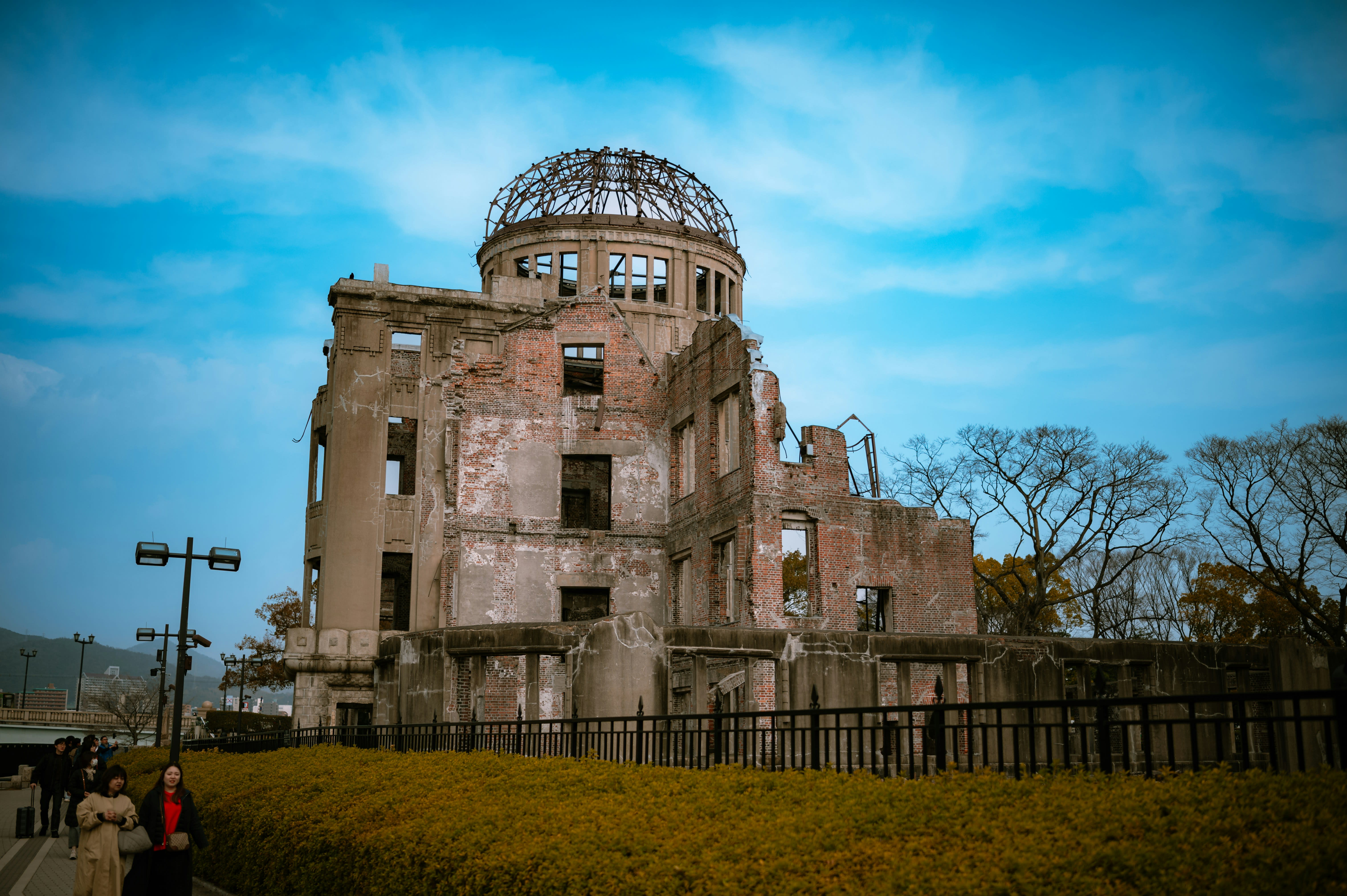
Classic 2-Week Japan
The classic first-timer route in 14 days: Tokyo, a ryokan night in Hakone, Kyoto with a day in Nara, Osaka, and Hiroshima with Miyajima, linked by the Shinkansen.