Japan in September: Typhoons, Late Summer and Why to Go Anyway
The summer crowds leave, prices drop, the sea hits its warmest, and yes, it is peak typhoon season. What the risk actually looks like, and how to plan around it.
September is the month the guidebooks hedge on. It is the statistical peak of typhoon season, the first half is still genuinely hot, and nothing on the postcard calendar is happening: no cherry blossoms, no maples, no snow. It is also the month I recommend more than any other to people who ask when Japan is warm, cheap and quiet at the same time. The summer crowds are gone by the first Monday, hotel prices sag with them, the sea is at its warmest of the year, and the harvest food season quietly begins.
The month splits in two, with the autumn equinox as the hinge. The first half is late summer: Tokyo afternoons around 30°C, cicadas still going, beer gardens still open. The second half is when the year finally exhales, with highs in the mid 20s and evenings that no longer need air conditioning. Japanese has a word for the early part, zansho, "lingering heat", and a proverb for the ending: atsusa samusa mo higan made, the heat lasts only until the equinox. Most years the weather more or less obeys.
Here is the weather region by region, an honest accounting of the typhoon risk and exactly what to do about it, the events worth planning around, and a straight answer on whether September beats August and October.
What September Actually Feels Like
Tokyo runs 21 to 28°C across the month as a whole, but the average hides the arc. The first ten days still top 30°C with real humidity; the last ten sit around 25 with a breeze that feels imported from a different season. Kyoto and Osaka run a degree or two warmer, and the Kyoto basin holds its heat stubbornly into the third week. Nights everywhere improve faster than days: by mid month you can walk to dinner without arriving damp.
The rain number needs decoding. Tokyo averages around 225mm in September, which on paper makes it the wettest month of the year. In practice the total is skewed by a handful of heavy days when the autumn rain front or a typhoon passes through, and the days between them are clear late-summer blue. You will not be drizzled on for two weeks. You will more likely be rained on hard once or twice, and dry the rest of the time.
Daylight is still generous: sunset just after 6 PM on the 1st, sliding to about 5:25 by the 30th. Compared to the 4:30 dusks of late autumn, September gives you a full extra hour of sightseeing, and open-air spots like Fushimi Inari and the Arashiyama bamboo grove stay pleasant right up to dark.
| When | What you get |
|---|---|
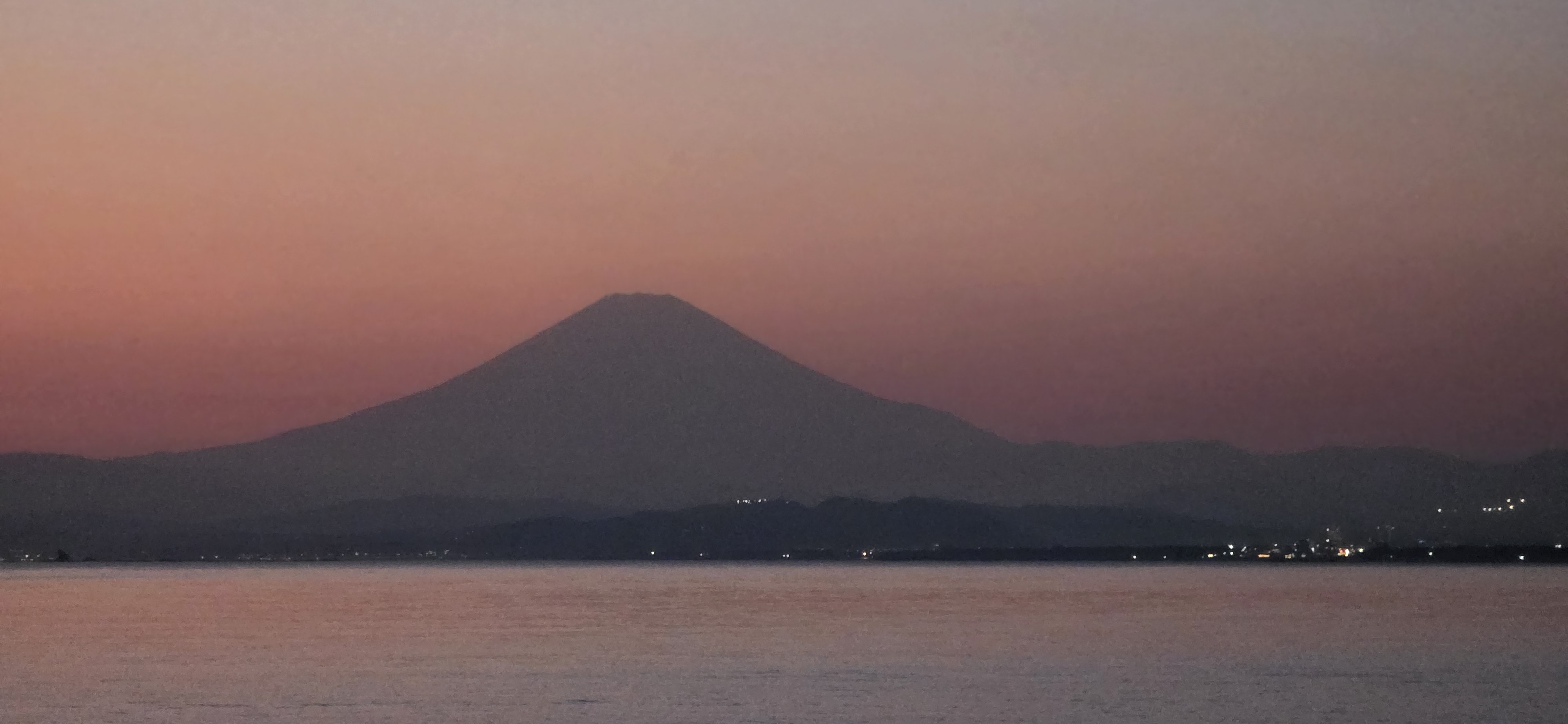
| Sep 1 to 10 | Full summer conditions, thinning crowds day by day. Mt. Fuji's climbing season ends on the 10th, so this is the last call for the summit. |
| Sep 11 to 20 | The transition. Humidity breaks in stages, the September sumo tournament runs in Tokyo, and the typhoon watch is at its most active. |
| Sep 21 to 30 | The reward. Mid-20s days, dry evenings, red spider lilies at peak, harvest menus everywhere. The best-value fine-weather week of the entire year. |
Two regions run ahead of the script. Sapporo sits at a crisp 14 to 22°C with none of Honshu's humidity, and the alpine slopes of Daisetsuzan start turning red and gold from mid September, the first autumn color in the country, weeks ahead of anywhere else.

If you want koyo without waiting for November, Hokkaido in late September is the trick almost nobody plays.
Naha holds 26 to 31°C with the sea around 29°C, the warmest water of the Okinawan year and superb for snorkeling. The catch is that Okinawa is also the part of Japan most likely to meet a typhoon head-on, so treat any September beach plans as flexible by design. The Okinawa guide covers which islands recover fastest after a storm passes.
The Typhoon Question, Honestly
No dodging it: August and September are the peak of the season, and September storms are the ones whose tracks most often curve into the main islands. An average year sees about 25 typhoons form in the western Pacific, 11 or 12 come near Japan, and around 3 make landfall. Spread across a summer and autumn, that means a two-week September trip has a real chance of overlapping with one somewhere, and a much smaller chance of one crossing your exact city.
Here is what an overlap actually looks like, because it is milder than the satellite images suggest. A typhoon is forecast three to five days out, tracked obsessively on every news channel, and arrives on schedule. Since 2018, railways have handled them with planned suspensions, keikaku unkyu: they announce a day or two in advance that Shinkansen and local lines will stop from a stated hour, run everything normally until then, and restart after inspection, usually the next morning. Flights in and out of the affected region are cancelled in the same window. The storm itself typically costs one day, occasionally two. Then comes taifu ikka, the famously washed-clean day after a typhoon, often the clearest sky of the month.
So the risk is not "my trip gets ruined". It is "one or two days get rearranged, announced in advance". You plan for that the same way you plan for anything else:
- Book hotels with free cancellation and skip the prepaid nonrefundable rates. The discount is not worth the inflexibility this month.
- Buy travel insurance that covers delay and cancellation. September is the one month where it reliably earns its premium.
- Keep a buffer day before your flight home and before anything fixed like a booked ryokan kaiseki dinner. Move to your departure city a day early if a storm is inbound.
- Check the JMA forecast each morning (the Japan Meteorological Agency site has full English) once you are in-country. If a planned suspension is announced for tomorrow, travel today or stay put; do not try to outrun it on the day.
- Design a typhoon day. Cities absorb storms well: museums, department store food halls, an afternoon in an onsen, a konbini haul and a long dinner. The people who suffer are the ones with a rigid itinerary and no plan B.
Geography matters too. Okinawa and Kyushu see the most action, the Pacific coast of Honshu next, while an inland Tokyo-Kyoto-Osaka route often catches nothing worse than a wet and windy afternoon. In most Septembers, a visitor on the classic route loses zero to two days. Weigh that against what the month gives back, and it is a trade I take every time.
The Quiet Window: Crowds and Prices
Japanese school summer holidays end on August 31, and the change is immediate. By the first Monday of September the theme parks, aquariums and Shinkansen platforms have shed their August density, and they stay that way for weeks: the foreign tourism wave ebbs too, since most families travel in July and August and the autumn-foliage crowd does not arrive until late October. September sits with late January among the cheapest months of the year for flights and hotels, and unlike January it comes with 27°C and open-air everything.
Kyoto deserves a specific mention. The temples that demand 8 AM tactics in November are simply open and calm in September. You can walk into Eikando or Tofuku-ji at midday, green maples instead of red, and hear your own footsteps. If you have only ever seen peak-season Kyoto, September feels like being let in after hours.
One calendar trap: Silver Week. Respect for the Aged Day falls on the third Monday of September, and Autumn Equinox Day lands on the 22nd or 23rd. In years when the equinox hits a Wednesday, the law turns the sandwiched Tuesday into a holiday too, and the country gets a five-day weekend. 2026 is one of those years: Saturday September 19 through Wednesday September 23, the first full Silver Week since 2015. Domestic travel spikes hard for those five days, with trains and hotels booked out the way they are at Golden Week. Either book that stretch months ahead or plant yourself in one city and let the rush pass. Outside those dates, September stays gloriously empty.
September Events

Kishiwada Danjiri Matsuri, the weekend before Respect for the Aged Day, September 19 and 20 in 2026. Kishiwada, half an hour south of Osaka's Namba station on the Nankai line, spends two days hauling thirty-four danjiri, ornately carved wooden floats weighing around four tons, through its streets at a flat sprint. The point of pride is the yarimawashi: the float halts at a 90-degree corner, then the crew picks up speed all at once and swings it round, while a team leader dances on the ridgepole of the roof. It is loud, genuinely dangerous, completely free to watch, and unlike anything else on the festival calendar. Go in the daytime for the speed; the evening runs are slower, lantern-lit and better for photographs. Stand where the marshals tell you to stand. They are not being officious. The hour-by-hour schedule, and the 2027 dates, are on our autumn festivals calendar.
The September Grand Sumo Tournament runs fifteen days from the second Sunday, September 13 to 27 in 2026 and September 12 to 26 in 2027, at Ryogoku Kokugikan in Tokyo. It is one of only three Tokyo tournaments a year. The general sale opens on the official site about five weeks ahead (August 8 in 2026, August 7 in 2027) and sold out in 2026, so buy that morning; every sale date is on our sumo page. The lower divisions fight from about 9:20 AM in a hushed hall, the second division enters the ring at about 2:15 PM, and the top division at about 3:40.

Higanbana, the red spider lilies, are September's flower, and they are named for the season: higan is the equinox week. They appear almost overnight along rice paddy edges and riverbanks across the country, poisonous bulbs planted centuries ago to keep rodents off the fields, now a national photo opportunity. The headline display is Kinchakuda in Hidaka, Saitama, where about five million stems flood a wooded bend of the Koma River in an unbroken red carpet. Peak is usually the third and fourth weeks of September, drifting later in warm autumns; admission is ¥500 during the bloom, and it is about an hour from Ikebukuro on the Seibu line to Koma station plus a 15-minute walk. Go on a weekday morning. The equinox holidays, Silver Week in 2026, are exactly when everyone else goes.
Tsukimi and the harvest table. The harvest moon falls in late September, and moon-viewing shows up everywhere from temple tsukimi evenings to the pyramid of round dango in every supermarket to the annual return of the fried-egg-topped Tsukimi Burger at effectively every fast-food chain, which the country treats with complete seriousness. More substantially, September opens the harvest food year: sanma, Pacific saury, grilled whole with grated daikon, leaner and pricier than a decade ago but still the taste of early autumn; shinmai, the new rice, reaching restaurants from late month; nashi pears and Shine Muscat grapes at every fruit stand; and the first matsutake mushrooms at prices you should photograph rather than pay. Nobody plans a September trip around the food. It ends up in the top three memories anyway.
What to Pack
- Summer clothes for the first half of the month: quick-dry fabrics, not cotton, if you are out all day. Add one light layer for late-month evenings and over-chilled trains.
- A compact umbrella and a packable rain shell. September rain arrives horizontally when it arrives at all; the shell beats the umbrella in anything windy.
- Sunscreen. The September sun is still summer-strength, and the clear days after a front passes are the strongest of all.
- Shoes that survive a soaking, or sandals that dry fast. One heavy rain day is the realistic scenario, and wet leather shoes ruin the two days after it.
- The konbini cooling shelf, wipes, ice drinks, salt candy, is still fully stocked through September. Use it for the hot first week.
- Hokkaido plans need a real jacket: 14°C evenings in Sapporo, colder in the mountains.
September vs August vs October
Pick August if you want Japan at maximum volume: the great fireworks displays, Obon dances, alpine escapes, every festival in full cry. The trade is brutal heat, peak domestic travel prices around Obon, and crowds at everything. The Summer in Japan guide covers how to survive it.
Pick October if certainty beats value. Typhoon risk falls off sharply after early October, days settle around 20 to 22°C, and the first proper foliage arrives up north. The trade: the international crowds return in force, prices climb toward the November peak, and the sea is done for the year.
Pick September if you will trade a small, manageable weather risk for the emptiest fine-weather month on the calendar. Warm sea, harvest food, sumo, festivals with almost no tourists, and prices October cannot touch. Book flexibly, keep one loose day, and the typhoon question becomes a footnote. For the full year-round comparison, the Best Time to Visit Japan guide breaks down all twelve months.
A Two-Week September Route
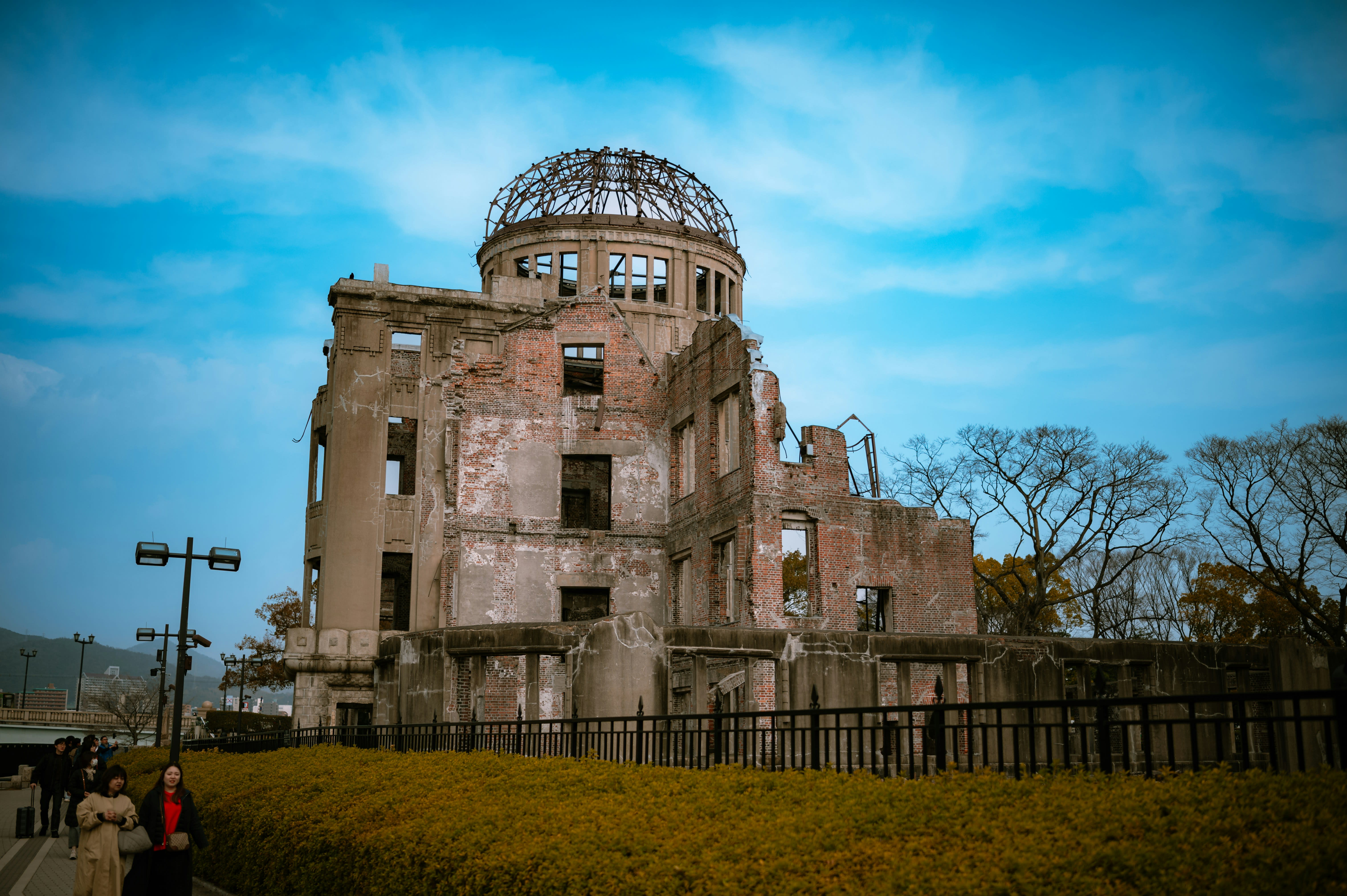
The classic golden route works beautifully in September precisely because everyone else runs it in other months. Our Classic 2-Week Japan itinerary (Tokyo, Hakone, Kyoto, Nara, Osaka, Hiroshima) is the base. The September adjustments:
- Traveling September 1 to 14: treat it as a summer trip with shrinking queues. Do outdoor sights in the morning, save museums and food halls for the afternoon heat, and give Hakone an extra onsen evening. In Tokyo, line up a sumo afternoon once the tournament opens on the second Sunday.
- Traveling September 15 to 30: the weather does the work for you. Slot the Kishiwada Danjiri into the Osaka leg if the dates align, day-trip to Kinchakuda from Tokyo for the spider lilies, and expect Miyajima and Nara at a density November visitors would not believe. In 2026, either book the September 19 to 23 Silver Week stretch early or schedule it as settled time in one city.
- Either way, build in the buffer. Keep the last Tokyo night free of commitments, book cancellable rooms, and if a typhoon is forecast, shuffle the order of days rather than the trip. The route survives a one-day pause anywhere along it.
Open the template in the trip planner, shift the dates to your half of the month, and keep one day unassigned. September rewards the traveler who leaves a little slack in the plan.
Frequently Asked Questions
Is September a good time to visit Japan?
Yes, if you value space and prices over guarantees. Summer crowds leave, hotel rates drop to one of the year's lowest points, and the light turns beautiful for photography. The trade is that the first half still feels like summer and September carries the year's highest typhoon risk, which in practice costs a typical inland itinerary zero to two days.
How bad are typhoons in Japan in September?
September is statistically the peak month for typhoons reaching the main islands, but geography matters: Okinawa, Kyushu, Shikoku, and the Pacific coast see the most action, while an inland Tokyo to Kyoto route often catches nothing worse than a wet, windy afternoon. Keep one flexible day, book refundable rooms, and treat travel insurance as standard for September trips.
Can you see autumn leaves in Japan in September?
Not in the cities: Tokyo and Kyoto stay green until November. The exception is high-altitude Hokkaido, where Daisetsuzan National Park starts turning red and gold from mid September, the first autumn color in the country. Late-September Sapporo plus the Daisetsuzan slopes is the trick almost nobody plays.
Is September cheap for traveling to Japan?
One of the cheapest good-weather windows of the year. After the first week, flights and hotels drop below summer rates and stay down until the October crowds arrive. You give up certainty (typhoon season) rather than quality, which is why the value is real rather than a catch.
Classic 2-Week Japan
The classic first-timer route in 14 days: Tokyo, a ryokan night in Hakone, Kyoto with a day in Nara, Osaka, and Hiroshima with Miyajima, linked by the Shinkansen.