Japan in June: Rainy Season, Hydrangeas and What to Expect
The rainy season is real, and so is the cheapest, greenest, least crowded Japan of the year. What tsuyu actually looks like day to day, where the hydrangeas peak, and the Hokkaido escape route.
June is the month everyone tells you to skip, and the advice has not aged well. Yes, the rainy season (tsuyu) settles over most of the country in the first half of the month. It also delivers the cheapest flights and hotels of the first half of the year, hydrangeas foaming over temple walls, fireflies along the canals, moss gardens at their greenest, and about half the tourists of April or October. The rain itself is misunderstood: it is not a monsoon, and on an average June day in Tokyo it is more likely not raining than raining.
The country also splits three ways in June, which is the real planning opportunity. Honshu sits under the rain front from the first week or two. Okinawa comes out the other side, with its rainy season ending around June 21 and proper beach summer beginning. And Hokkaido never has a rainy season at all: Sapporo in June is dry, 22°C, and green, with the first lavender opening in Furano by the end of the month.
Here is the weather region by region, what tsuyu actually does to a sightseeing day, where June's own seasons peak, how to use Hokkaido as an escape hatch, and whether June beats May and July.
What June Actually Feels Like
Tokyo runs 19 to 26°C across the month, Kyoto 19 to 28°C, Osaka a degree warmer still. Early June is genuinely pleasant: warm afternoons, mild evenings, and humidity that has not yet turned serious. The last week is a different story. By then the air is thick, 90 percent humidity after rain is normal, and you start to understand why every building is air-conditioned to sweater temperatures. If you are choosing between early and late June, early June wins on comfort every time.
The daylight compensates. June has the longest days of the year: sunrise in Tokyo before 4:30 AM, sunset around 7:00 PM at the solstice. Where November forces you to become a morning person, June hands you a fourteen-and-a-half-hour sightseeing day and evenings light enough for a riverside walk after dinner.
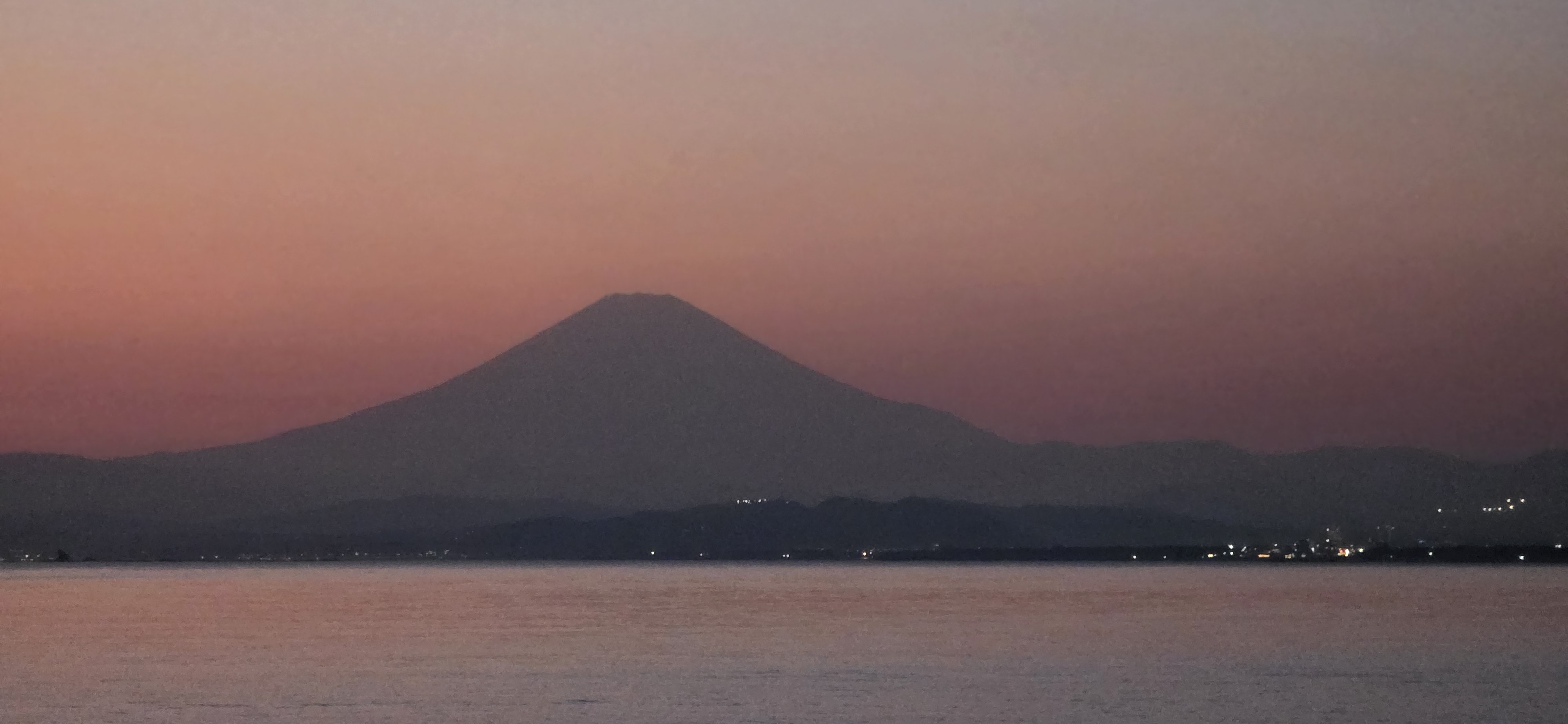
One expectation to delete now: Mount Fuji. June is among the worst months for seeing it, hidden behind cloud and haze most days (the whole mountain shows on about one morning in eight; the odds for every date are on our Mt Fuji visibility guide), and the climbing season does not open until July 1. If a Fuji view matters to you, pick another month rather than building a Hakone day around hope.
The two outliers run opposite directions. Sapporo sits at 13 to 22°C with low humidity and no rain front; more on Hokkaido below. Naha starts the month in the tail end of its own rainy season, which ends around June 21 on average, then flips to full summer: 25 to 30°C, sea at 27°C, and two peak-condition beach weeks before school holidays raise the prices in late July. Late June in Okinawa is one of the best-value beach windows of the Japanese year; the Okinawa guide covers which islands to pick.
The Rainy Season, Honestly
The baiu front creeps north through the country: it reaches southern Kyushu around May 30, Kansai around June 6, Kanto around June 7, and northern Tohoku by mid month. It then sits over Honshu until mid-to-late July. Those are the averages; individual years wobble by a week or two either way, and some years the front stalls offshore and barely shows up at all.
Now the part the reputation gets wrong. Tokyo in June averages around 170mm of rain across roughly twelve rainy days. That is half the days of the month with no measurable rain at all, and many of the "rainy" days mean an hour of drizzle or a shower that passes overnight. The classic tsuyu day is grey, still, and intermittently damp, not a downpour. Genuinely washed-out days happen perhaps four or five times a month, and they announce themselves on the forecast a day or two ahead. The practical system: plan your days normally, check the radar each morning, and keep one indoor alternative per city in your back pocket. Do not pre-emptively schedule the whole trip indoors; you will spend sunny days in museums regretting it.
Here is the counterintuitive bit regulars already know: temples are at their best in the rain. Wet stone goes almost black, moss turns fluorescent, gravel gardens darken into contrast, and the tour groups thin out dramatically. Kyoto's east-side lanes with an umbrella and nobody in the frame beat the same lanes under blue sky and a thousand phones. Fushimi Inari works in light rain too; the torii tunnels keep most of it off you, and the mountain empties. The one thing rain genuinely ruins is a view: skip observation decks and ropeways on wet days and spend the credit on temples, food, and museums.
The other June fact worth money: it is the only month of the year with zero public holidays. No Golden Week hangover, no school trips in the big sights after early June, no domestic three-day weekends inflating hotel rates. Combined with the rain reputation scaring off overseas visitors, June and January are consistently the two cheapest months to fly to Japan, and city hotels run 20 to 40 percent below April and November rates. If budget decides your dates, June is the answer for the warm half of the year.
Hydrangeas, Moss and Fireflies
June is not a month without a season. It has three of its own, and all of them are better in, or immediately after, the rain.
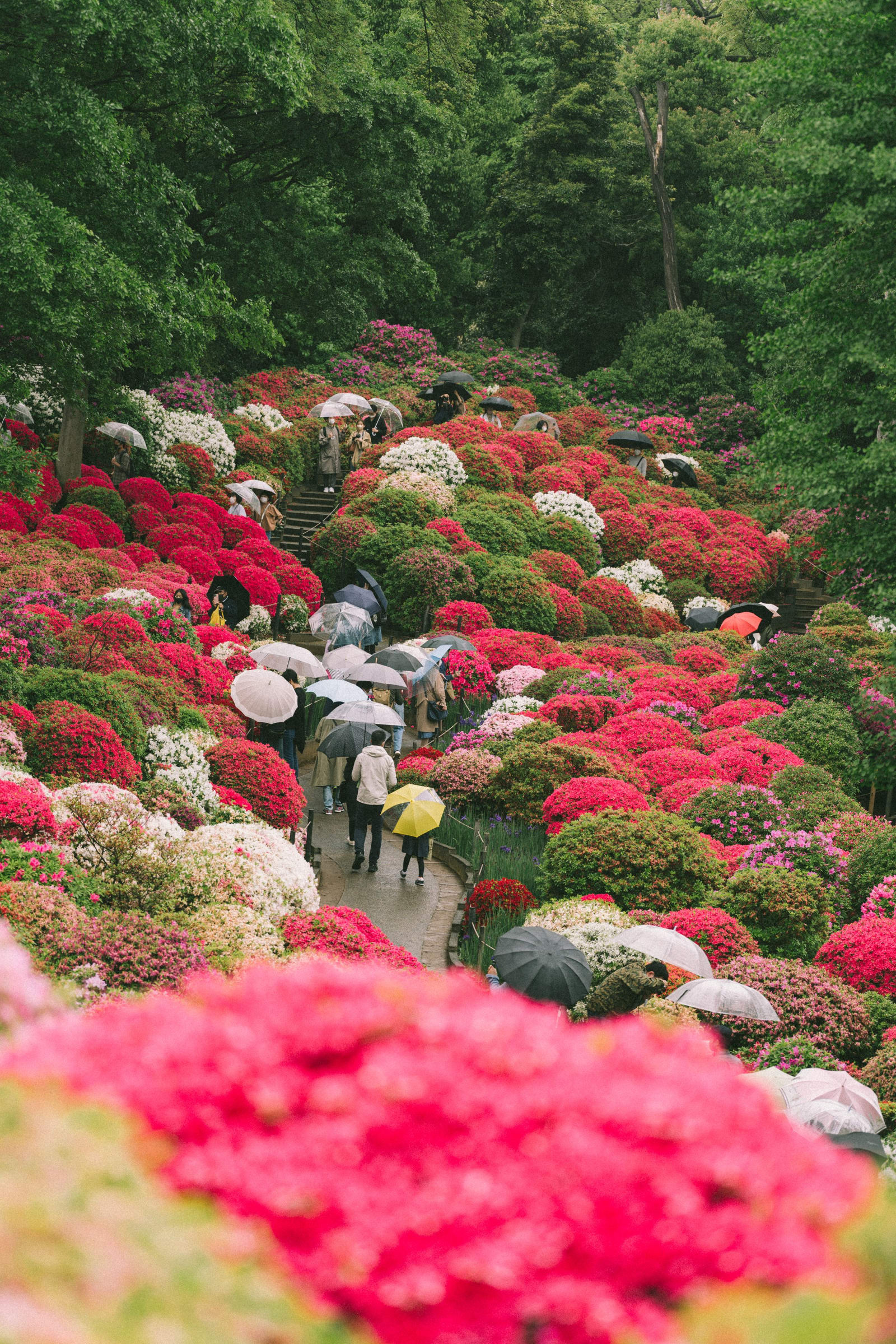
Hydrangeas (ajisai) peak from roughly June 10 to the end of the month, and Japan takes them as seriously as it takes cherry blossoms, with none of the international crowds. The headline spots:

- Meigetsu-in in Kita-Kamakura, known nationally as the Hydrangea Temple. Thousands of hime-ajisai in a single shade of blue ("Meigetsu-in blue") line the stone stairway, peaking mid month. It opens at 8:30 in June; be there then, because by 10:00 on a weekend the queue stretches down the lane. ¥500.
- Hasedera, twenty minutes away in Kamakura proper, where a hillside path of 2,500 hydrangeas overlooks Sagami Bay. In June the path runs on numbered timed tickets; collect one at the gate and wait out your slot in the lower garden. A Day in Kamakura covers the full route.
- Mimurotoji, fifteen minutes from Uji on the Keihan line, is the Kansai answer: around 20,000 hydrangeas of 50 varieties on a hillside (¥1,000 in season), with weekend evening illuminations in mid June. Pair it with Byodo-in and a Uji matcha crawl.
- The Bunkyo Hydrangea Festival at Tokyo's Hakusan Shrine (mid June, free) and the flower banks along the Hakone Tozan railway (late June, lit at night in Hakone) cover the capital and its favorite mountain escape.
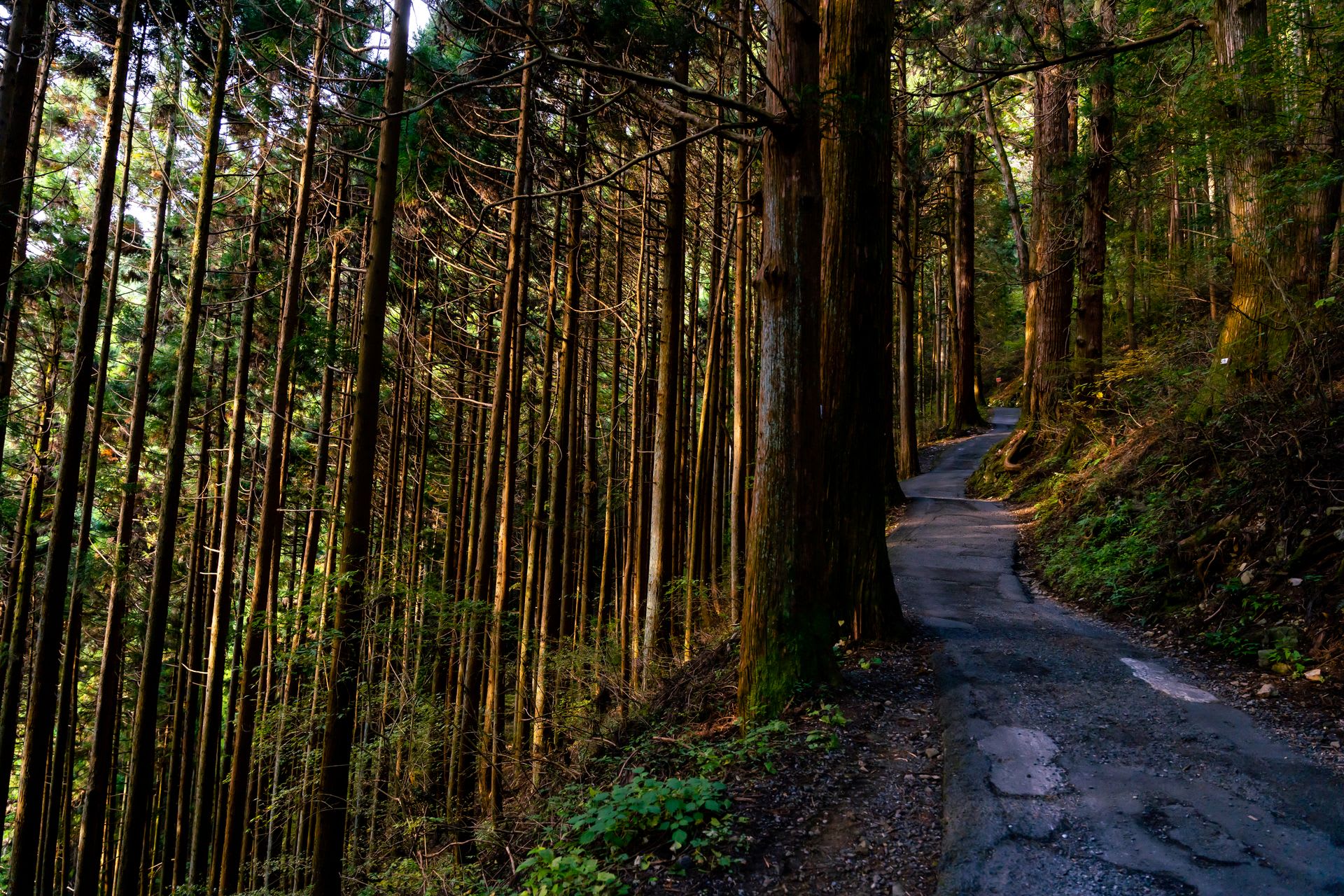
Moss hits its annual peak during tsuyu, which makes June the month to finally do Saiho-ji, the moss temple in Kyoto's western hills: 120 species carpeting a shaded pond garden, visited in small pre-booked groups after a short sutra-copying session. Reservations are required (online or by return postcard, from ¥3,000) and June slots go early, so book when you book your flights. No reservation? Gio-ji in Arashiyama is a pocket-sized moss garden under a maple canopy for ¥300, and Sanzen-in's mossy cedar grove in Ohara does it at full scale.

Fireflies fly from late May to mid June, in the hour after full dark on warm, still, dry nights. In Kyoto, genji-botaru drift over the Shirakawa canal in Gion in early June, five minutes from the bars, one of the most improbable free sights in urban Japan. In Tokyo, the garden of Hotel Chinzanso runs firefly evenings through June. The full pilgrimage is the Tatsuno Firefly Festival in Nagano (mid June), where tens of thousands rise out of a riverside park. Phones stay in pockets; no photo survives contact with the experience anyway.
The Hokkaido Escape
The rain front never reaches Hokkaido. While Tokyo drips, Sapporo gets dry 20-degree days, lilac-lined streets, and 15-hour daylight; June is statistically one of the driest, most comfortable months of the Hokkaido year. Flights from Tokyo take 90 minutes, run constantly, and are cheap in June for the same no-holidays reason as everything else.
The itinerary logic writes itself. Sapporo for food and the Yosakoi Soran Festival in the second week of June, when 25,000 dancers take over Odori Park with a modernized fishermen's dance, loud, athletic, and almost unknown to foreign visitors. Then a rental car east to Furano and Biei:

The earliest lavender at Farm Tomita starts coloring in the last week of June, ahead of its early to mid-July peak, and the patchwork hills around Biei are at their greenest with a fraction of July's traffic. Flower purists should aim for July; travelers who want the landscape without the tour buses will be happy in late June.
Hokkaido in June is not a compromise version of the famous July trip. It is the same scenery in its quiet week, plus a festival July does not have, and it means part of your holiday is guaranteed dry whatever the front does to Honshu.
June Events
Sanno Matsuri, mid June in Tokyo, one of the city's three great festivals, held in full only in even-numbered years, and 2026 is one. The centerpiece is a 300-person Edo-costume procession winding all day from Hie Shrine through Ginza and past the Imperial Palace. Because it happens on a weekday with no holiday attached, you can walk up to a front-row view.
Hyakumangoku Matsuri in Kanazawa, first weekend of June: a samurai-era procession into Kanazawa Castle, torchlit noh, and thousands of paper lanterns floated down the Asano River. Kanazawa's biggest weekend of the year, and small enough to book a week or two out.
Otaue rice-planting ritual at Sumiyoshi Taisha in Osaka, June 14: seedlings planted in the shrine's sacred paddy by costumed planters with ceremonial dance and mock cavalry. It is also your cue for the wider June landscape; the flooded paddies across rural Japan turn into mirrors for a few weeks, and any countryside train window becomes worth watching.
Kawadoko dining opens for the season in Kibune, the forest valley north of Kyoto, where restaurants build platforms directly over the river. In June they sit ten degrees cooler than the city under fresh green maples, and lunch is dramatically easier to book than in August.
Nagoshi no Harae, June 30: shrines nationwide erect two-metre rings of woven grass (chinowa), and walking a figure-eight through one purifies the accumulated sins of half a year. Kyoto adds a dedicated sweet, minazuki, a triangle of chewy rice dough under sweet azuki, in every wagashi shop the last week of June and gone by July 1.
Rainy-Day Tokyo
When the front does flare up, Tokyo is the best city in the world to be rained on. Plan a wet day as one deliberate indoor run, not a salvage operation.
- teamLab has two permanent Tokyo venues, Borderless in Azabudai Hills and Planets in Toyosu, and a rainy June weekday is the least-crowded time you will ever see either. Book dated tickets a few days ahead; the teamLab guide explains which venue suits which traveler.
- The Tokyo National Museum in Ueno is Japan's largest; the Honkan building alone (samurai armor, kimono, ukiyo-e) absorbs a half day for ¥1,000. The Ghibli Museum works too if you caught the on-sale date, the 10th of the previous month.
- Depachika, the department store basement food halls in Shinjuku and Ginza, plus the underground malls around the big stations, let you eat and shop for hours without surfacing. This is also the weather sento were invented for; an afternoon in a neighborhood bathhouse while it hammers down outside converts rain from problem to feature.
What to Pack
- Do not pack an umbrella. Every konbini sells the transparent ¥700 kind the whole country uses, and losing one costs nothing. A packable rain jacket earns its place only for Hakone or Hokkaido walks.
- Quick-dry everything, and no heavy denim after mid month; wet jeans in 90 percent humidity never dry. Thin merino or synthetic shirts, two more than you think.
- Shoes that survive wet pavement: waterproof sneakers or sandals you can walk 20,000 steps in. Pack spare socks in your day bag; dry socks at 2 PM are the cheapest luxury in travel.
- A light layer for interiors. Trains and museums are air-conditioned hard, and the 10-degree swing between street and carriage is real.
- From any drugstore on arrival: cooling body sheets (Biore or Gatsby, around ¥400) and a small towel for the face. Every local carries one in June; by day three, so will you.
- A dry pouch or zip bag for your phone and passport on the wettest days. Cheap insurance, zero weight.
June vs May vs July
Pick May if weather certainty is the whole game. Outside Golden Week (the first week, when prices double and trains fill), late May is arguably the finest weather of the Japanese year: dry, 24°C, everything open. The trade: higher prices than June, bigger crowds at the famous sights, and none of June's own seasons, since the hydrangeas, fireflies, and peak moss all need the rain you are avoiding.
Pick July if festivals outrank comfort. Gion Matsuri runs all month in Kyoto, the fireworks calendar ignites, Fuji opens for climbing, and Furano's lavender peaks. The trade: the rainy season's final weeks are its heaviest, and when the front breaks in mid July, real summer arrives at 33°C and drenching humidity. July is a stronger month than its reputation, but it is never cheap and never cool; the Summer in Japan guide covers how to survive it.
Pick June if value and breathing room are the point, and you can make peace with a grey forecast. It is the one warm-weather month where Japan is cheap, uncrowded, and running a full seasonal program that most visitors never see. Early June for comfort, mid month for hydrangeas and fireflies, late month for Okinawa beaches and the first lavender. For the full year-round comparison, the Best Time to Visit Japan guide breaks down all twelve months.
A One-Week June Route
June is the best month of the year to be a first timer, precisely because the famous route runs at half pressure. Our 7-Day First Timer itinerary (Tokyo and Kyoto, one Shinkansen ride in the middle) is the base. The June adjustments:
- From Tokyo: swap the standard day trip for Kamakura in hydrangea season: Meigetsu-in at 8:30 opening, Hasedera's timed ticket, the Great Buddha, shirasu lunch by the beach. Keep teamLab and the Tokyo National Museum unbooked until you see the week's forecast, then drop them onto the wettest day.
- From Kyoto: book Saiho-ji before you fly, giving a grey morning to the moss and a brighter afternoon to Arashiyama next door. Do the Mimurotoji-and-Uji half day for the Kansai hydrangea fix, and walk the Gion Shirakawa after dinner in the first week for fireflies.
- Have ten days instead of seven? Bolt on Hokkaido: fly Tokyo to Sapporo, two nights in the city (aim for the Yosakoi Soran weekend), one or two in Furano with a rental car. A guaranteed dry act to close the trip, whatever the front is doing to Honshu.
Open the template in the trip planner, set your June dates, and keep one slot per city unassigned. In this month more than any other, the traveler who leaves room for the forecast beats the one with a laminated schedule.
Frequently Asked Questions
Is June a good time to visit Japan?
Better than its reputation. Yes, the rainy season covers most of Honshu, but it delivers the cheapest flights and hotels of the first half of the year, about half the tourists of April or October, hydrangeas foaming over temple walls, moss gardens at their greenest, and fireflies in the evenings. Hokkaido has no rainy season at all, and Okinawa comes out of its own around June 21.
How bad is Japan's rainy season really?
Milder than the name suggests: Tokyo averages around 170mm across roughly twelve rainy days, meaning half the month has no measurable rain, and the typical tsuyu day is grey with passing drizzle rather than a downpour. Genuinely washed-out days happen four or five times a month and show up on the forecast in advance. Temples are actually at their best in the rain; save observation decks for the dry days.
Where should I go in Japan in June?
Hokkaido is the ace: the rain front never reaches it, Sapporo runs dry 20-degree days, the Yosakoi Soran dance festival takes over Odori Park in the second week, and Furano's earliest lavender colors up in the last week. Okinawa flips to full beach summer after its rainy season ends around June 21, giving two peak-condition weeks before school holidays raise prices.
When do hydrangeas bloom in Japan?
Roughly June 10 to the end of the month. Meigetsu-in in Kita-Kamakura is the famous Hydrangea Temple (arrive at its 8:30 opening; 500 yen), Hasedera runs timed tickets for its 2,500-plant hillside over the bay, and Mimurotoji near Uji answers for Kansai with around 20,000 plants. Fireflies overlap in early June, and moss gardens like Kyoto's Saiho-ji peak at the same time; book Saiho-ji when you book flights.
Is June a cheap month to visit Japan?
One of the two cheapest of the year, alongside January. It is the only month with zero public holidays, so there are no domestic three-day weekends inflating rates, and the rain reputation scares off overseas visitors: flights bottom out and city hotels run 20 to 40 percent below April and November prices.
7-Day First Timer: Tokyo & Kyoto
One week, two bases: three nights in Tokyo for Shibuya, Senso-ji, and teamLab, then three in Kyoto for Fushimi Inari before the crowds, the Arashiyama bamboo, and a half day with the deer of Nara.